

[Simple and Fun] New Year’s Quizzes Recommended for Seniors

Many people probably spend New Year’s by eating osechi with family and visiting a shrine for hatsumode.
One of the wonderful things about Japanese people is how they value traditional customs.
This time, we’re introducing a New Year’s quiz designed for seniors.
All the questions are multiple choice with three options, so they should be easy to answer.
Don’t worry about making mistakes—please share lots of answers! We’ve gathered various fun facts related to the New Year.
There may even be questions that teach something new to seniors as well.
If you’re looking for New Year’s quizzes, please use this as a reference.
- [For Seniors] January Trivia Quiz & Fun Facts. Brain training with quizzes about New Year and winter.
- [For Seniors] Brain-training quizzes for January: Let’s have fun with New Year and winter trivia
- [For Seniors] Fun Quiz Questions That Will Liven Up December
- [For Seniors] Introducing Trivia Quizzes and Fun Facts About December
- [For Seniors] Brain-training with winter-themed quizzes. Great for activities, killing time, and dementia prevention.
- [For Seniors] Fun and Lively! Recommended Quiz Questions
- [For Seniors] Lively! Entertainment Ideas for New Year’s Parties
- [For Seniors] Laugh-Out-Loud, Crowd-Pleasing! Fun Quiz
- [For Seniors] Get Excited by Knowing the Answers! Tricky Quiz
- [For Seniors] Have Fun with Wordplay Characters! A Collection of Funny Puzzles
- [For Seniors] Hina Matsuri (Girls’ Day) Trivia Quiz & Fun Facts. Recommended for Dementia Prevention Activities
- [For Seniors] Sports Trivia Quiz & Fun Facts. Easy and Entertaining
- [For Seniors] Great for killing time! A fun three-choice trivia quiz
[Simple and Fun] New Year’s Quizzes Recommended for Seniors (11–20)
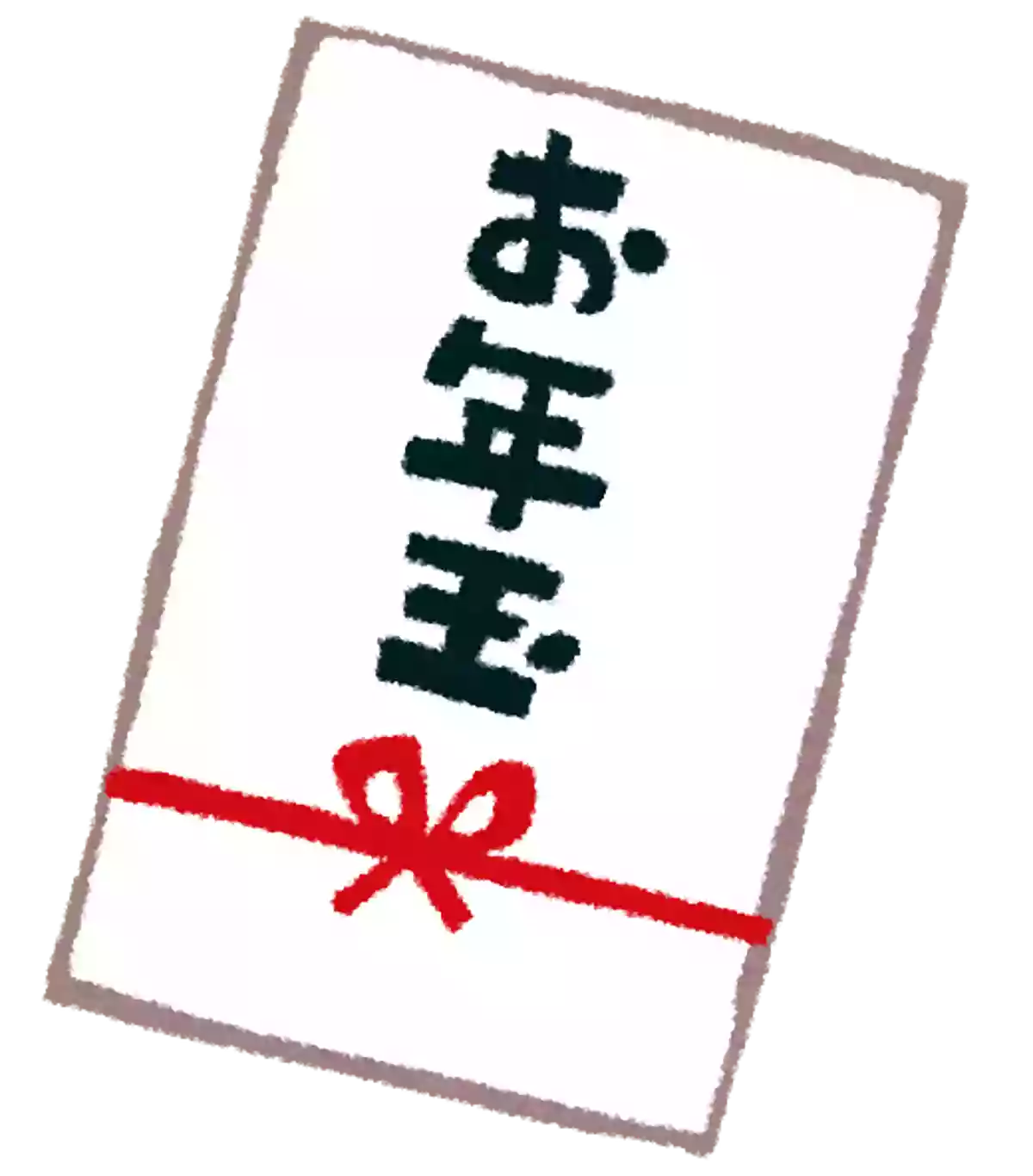
We give New Year’s gifts of money (otoshidama) at New Year’s, but what did people give in the past?
2.bp.blogspot.com
- alcohol
- rice cake (mochi)
- medicinal herb
See the answer
rice cake (mochi)
In the old days, people used to give round rice cakes for New Year’s. Even now, on celebratory days, we still throw or eat rice cakes at shrines, don’t we? That lingering custom may be what remains today.

What is the meaning of the herring roe included in osechi-ryori?

4.bp.blogspot.com
- warding off evil
- Prayers for good health
- prosperity of descendants
See the answer
prosperity of descendants
Kazunoko, with its pleasant popping texture, symbolizes prosperity for descendants. Kazunoko is herring roe. Because it contains a great many eggs, it carries the wish to be blessed with many children.
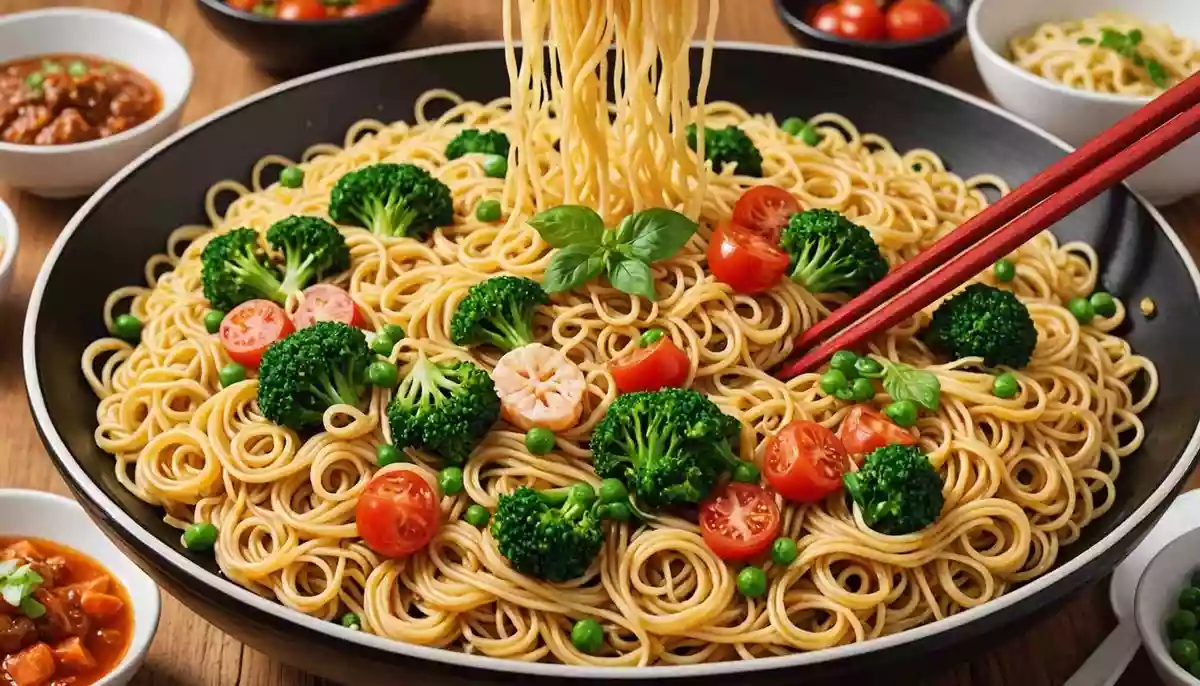
What kind of noodles are said to be good to eat at New Year?
- soba
- ramen
- udon
See the answer
soba
Toshikoshi soba carries the meaning of “cutting off misfortune,” and is eaten on New Year’s Eve. Many people probably look forward to it every year.

It’s said that the feather with wings is modeled after a certain creature. What is it?

- crane
- dragonfly
- owl
See the answer
dragonfly
The feathers used for hanetsuki are shaped like dragonflies. It’s said that hanetsuki carries the wish, “May you not get bitten by insects and fall ill.”
Why are the chopsticks used during the New Year designed to be usable at both ends?
- It’s set up so that the meat and vegetables are served separately.
- It’s designed so that the rice and the clear soup can be kept separate.
- It’s designed to be divided into a personal use portion and a portion for the deity.
See the answer
It’s designed to be divided into a personal use portion and a portion for the deity.
Celebratory chopsticks are auspicious chopsticks used during New Year’s and other festive occasions, characterized by both ends being tapered. The two tapered ends signify “shared dining between gods and humans,” with one end for the deities and the other for people.
The kadomatsu displayed at New Year’s is said to be a sign that invites the Toshigami (the New Year deity) into the home. What is it inviting?
- God
- Buddhist monk
- honorable ancestors
See the answer
God
A kadomatsu is a lucky New Year’s decoration displayed to welcome the Toshigami (New Year deity). It serves as a sign to invite the deity to the home, wards off evil from entering, and expresses wishes for longevity and prosperity.
[Simple and Fun] New Year’s Quizzes Recommended for Seniors (21–30)
What is the alcoholic drink consumed on New Year’s Day morning?

- celebratory sake
- sacred sake
- New Year’s spiced sake (otoso)
See the answer
New Year’s spiced sake (otoso)
Otoso is a herbal liquor drunk during the New Year to pray for good health and longevity; it is part of traditional Japanese culture. It is made by blending sake and mirin to adjust sweetness and smoothness.