

[Simple and Fun] New Year’s Quizzes Recommended for Seniors

Many people probably spend New Year’s by eating osechi with family and visiting a shrine for hatsumode.
One of the wonderful things about Japanese people is how they value traditional customs.
This time, we’re introducing a New Year’s quiz designed for seniors.
All the questions are multiple choice with three options, so they should be easy to answer.
Don’t worry about making mistakes—please share lots of answers! We’ve gathered various fun facts related to the New Year.
There may even be questions that teach something new to seniors as well.
If you’re looking for New Year’s quizzes, please use this as a reference.
- [For Seniors] January Trivia Quiz & Fun Facts. Brain training with quizzes about New Year and winter.
- [For Seniors] Brain-training quizzes for January: Let’s have fun with New Year and winter trivia
- [For Seniors] Fun Quiz Questions That Will Liven Up December
- [For Seniors] Introducing Trivia Quizzes and Fun Facts About December
- [For Seniors] Brain-training with winter-themed quizzes. Great for activities, killing time, and dementia prevention.
- [For Seniors] Fun and Lively! Recommended Quiz Questions
- [For Seniors] Lively! Entertainment Ideas for New Year’s Parties
- [For Seniors] Laugh-Out-Loud, Crowd-Pleasing! Fun Quiz
- [For Seniors] Get Excited by Knowing the Answers! Tricky Quiz
- [For Seniors] Have Fun with Wordplay Characters! A Collection of Funny Puzzles
- [For Seniors] Hina Matsuri (Girls’ Day) Trivia Quiz & Fun Facts. Recommended for Dementia Prevention Activities
- [For Seniors] Sports Trivia Quiz & Fun Facts. Easy and Entertaining
- [For Seniors] Great for killing time! A fun three-choice trivia quiz
[Easy and Fun] New Year’s Quizzes Recommended for Seniors (1–10)
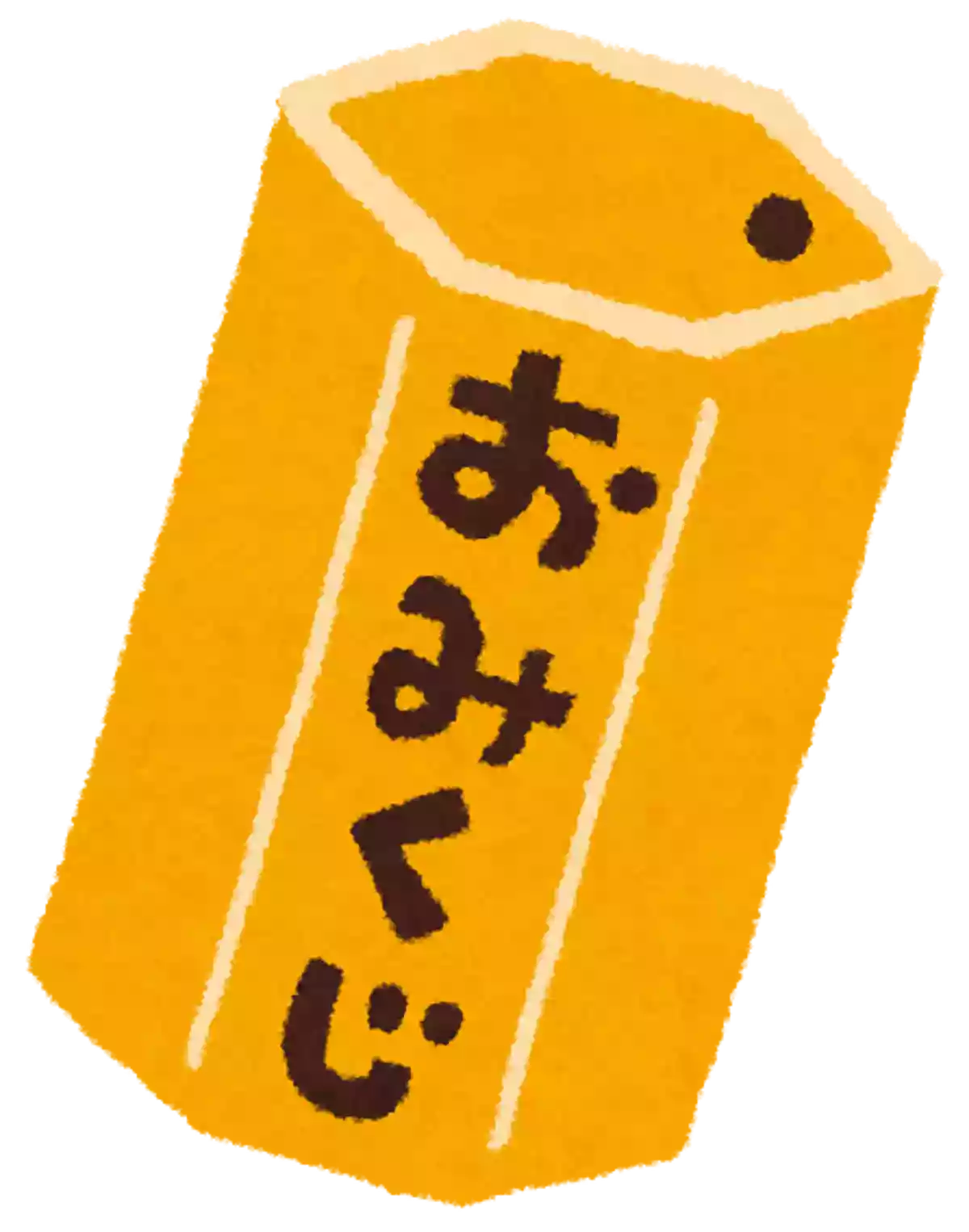
Which of the following is the correct rule after drawing an omikuji?
3.bp.blogspot.com
- There are no particular rules.
- You have to keep the fortune you drew with you for the whole year.
- Tie it immediately to a branch of the shrine’s tree.
See the answer
There are no particular rules.
Omikuji, the fortune slips that test your luck for the year, feel really special, don’t they? Some people might even think their fortunes could change depending on the slip they draw! Since there aren’t any strict rules, it might be best to simply believe the good things written on your omikuji.

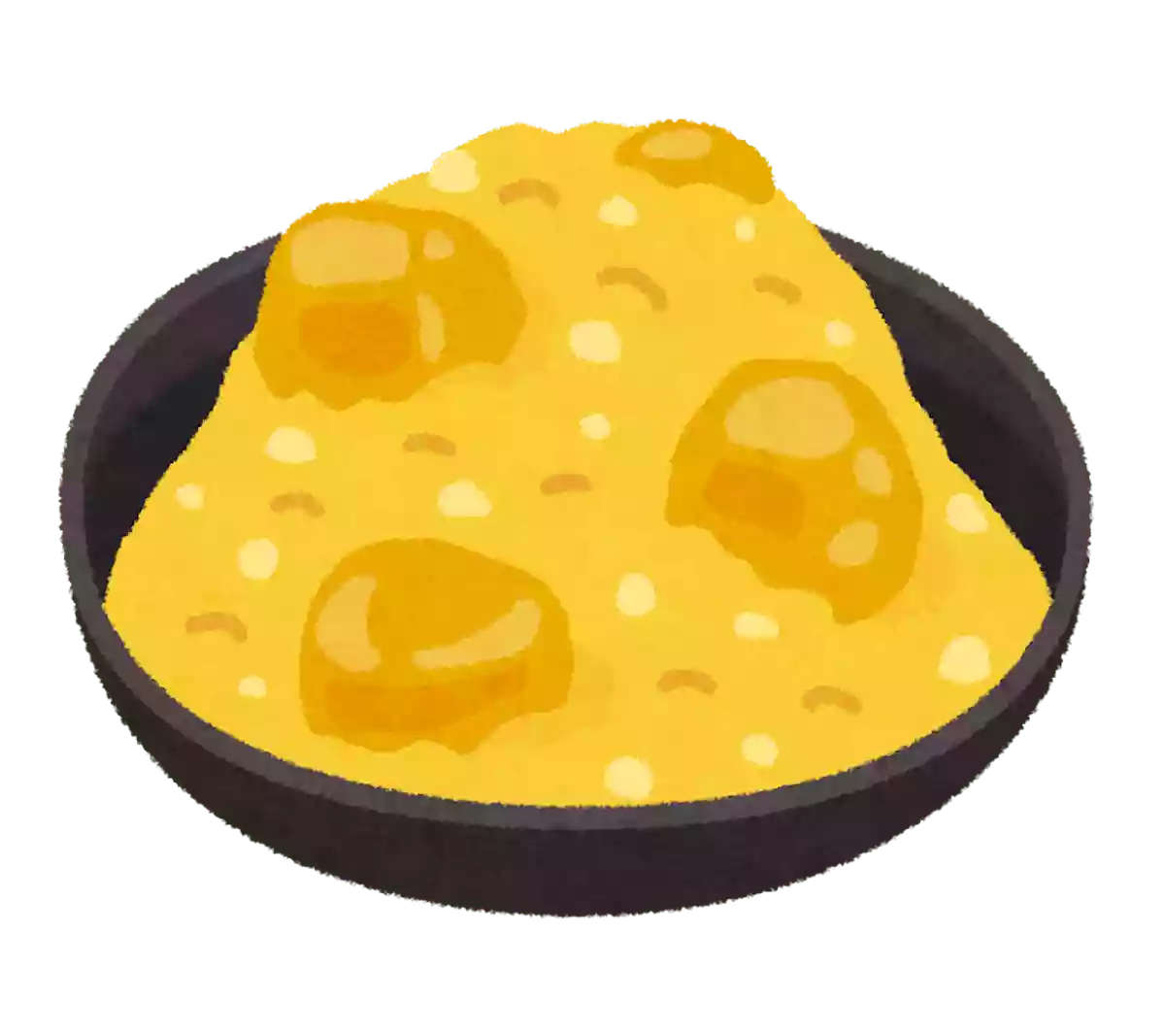
What wishes are embodied in the chestnut kinton of New Year’s osechi cuisine?
3.bp.blogspot.com
- Safety and well-being of one’s household
- Health achievement
- A wish for a bountiful year
See the answer
A wish for a bountiful year
Kurikinton is believed to bring good fortune with money because of its beautiful appearance. Please enjoy it deliciously while wishing for abundance in the new year to come.
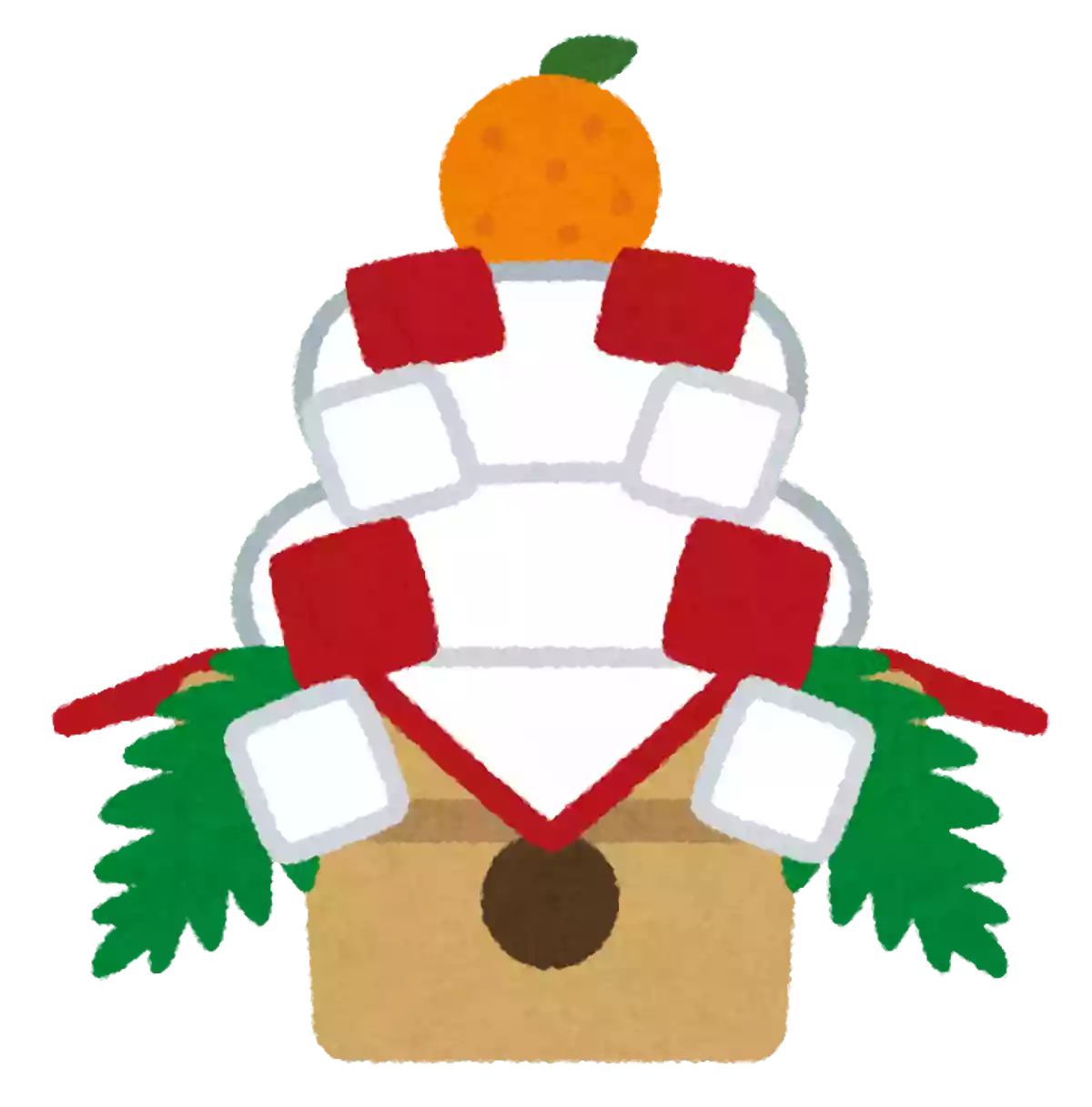
What is the fruit placed on top of the kagami mochi displayed for the New Year?
1.bp.blogspot.com
- orange
- mandarin orange
- Apple
See the answer
orange
The fruit placed on top of the kagami mochi is a citrus called a daidai. It looks like a mandarin orange, but it’s smaller. Because daidai fruit grows large without falling from the tree, it carries the wish for the household’s continued prosperity.
[Simple and Fun] New Year’s Quizzes Recommended for Seniors (11–20)
Which traditional New Year’s dish involves left winding to release energy and right winding to absorb energy?
4.bp.blogspot.com
- Japanese rolled omelet (dashi-maki tamago)
- Kombu-maki (kelp rolls)
- datemaki (Japanese sweet rolled omelette often served in osechi)
See the answer
datemaki (Japanese sweet rolled omelette often served in osechi)
Among osechi dishes, the popular datemaki features a spiral that symbolizes the flow of energy. By embracing new energy and believing it will help you spend the year joyfully and in good health, it seems your luck will also improve.
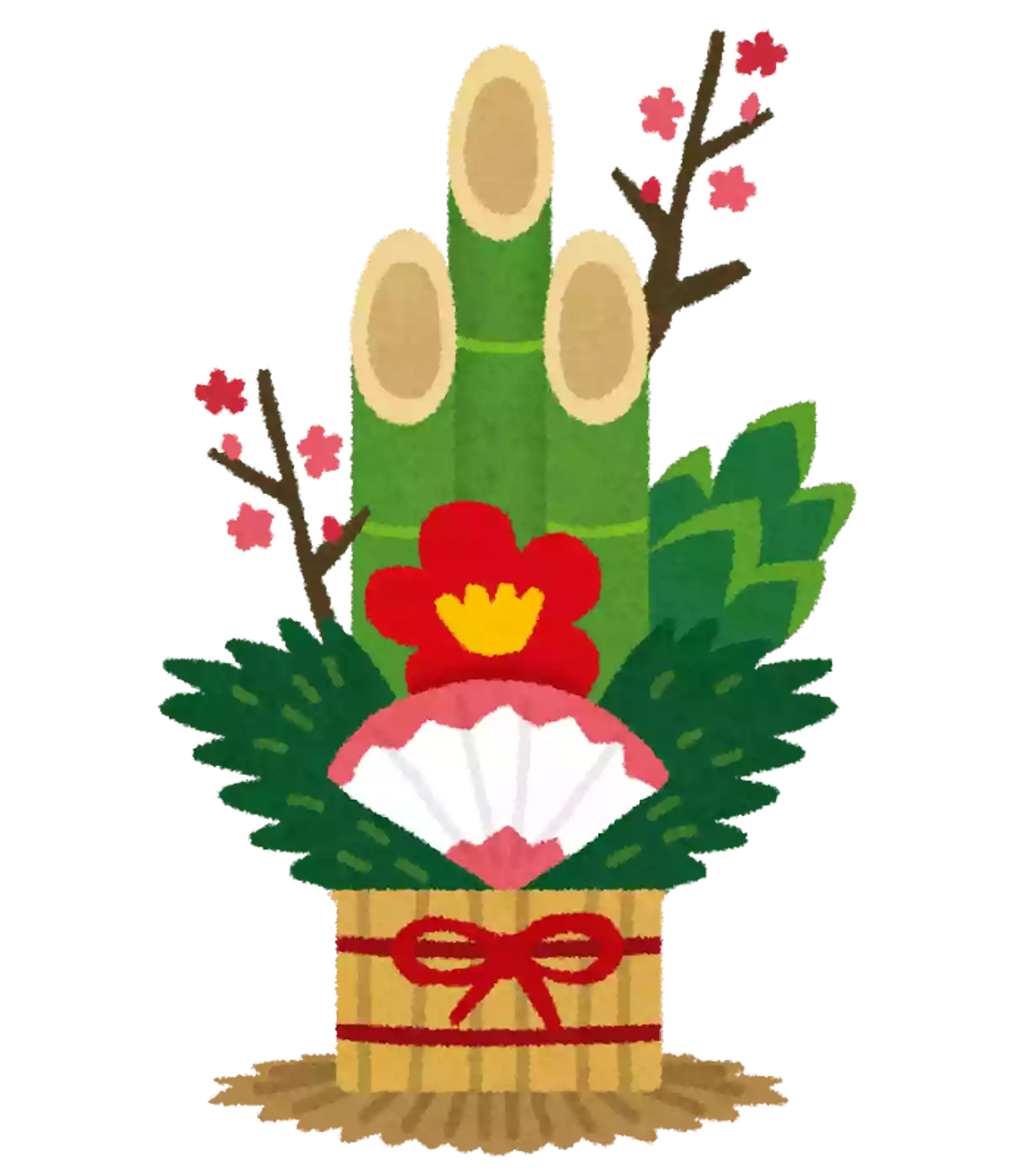
What meaning does the bamboo in a kadomatsu have?
1.bp.blogspot.com
- Prosperity of the house
- A Wish for Longevity
- exorcising bad luck
See the answer
A Wish for Longevity
Bamboo is said to be so vigorous that it keeps growing no matter how much you cut it. Because of this vitality, it came to be displayed together with pine to pray for longevity. This custom is said to have begun in the Muromachi period.
Where is considered the best place to go first for the initial shrine or temple visit of the New Year?

3.bp.blogspot.com
- Shrines in Kyoto
- The most prosperous shrine in the area.
- The shrine closest to my home
See the answer
The shrine closest to my home
The shrine closest to your home is considered to be protected by the deity who watches over that area, so it’s believed to bring blessings. That’s why it might be good to visit not only for the first shrine visit of the New Year, but also on a regular basis.
‘Do Re Mi Fa So La Ti’ riddle letters

Carefully observe the characteristics of the characters given and answer.
This is a wordplay puzzle using the phrase “Do Re Mi Fa So La Ti Ka.” The key point is that the characters “Mi” and “So” are displayed larger.
Another hint is that it seems to be a special day.
The answer is “Ōmisoka” (New Year’s Eve).
Many people might catch on from the large “Mi” and “So.” If you present this around the end of the year or when it gets cold, the correct answer rate might go up.