

[Simple and Fun] New Year’s Quizzes Recommended for Seniors

Many people probably spend New Year’s by eating osechi with family and visiting a shrine for hatsumode.
One of the wonderful things about Japanese people is how they value traditional customs.
This time, we’re introducing a New Year’s quiz designed for seniors.
All the questions are multiple choice with three options, so they should be easy to answer.
Don’t worry about making mistakes—please share lots of answers! We’ve gathered various fun facts related to the New Year.
There may even be questions that teach something new to seniors as well.
If you’re looking for New Year’s quizzes, please use this as a reference.
- [For Seniors] January Trivia Quiz & Fun Facts. Brain training with quizzes about New Year and winter.
- [For Seniors] Brain-training quizzes for January: Let’s have fun with New Year and winter trivia
- [For Seniors] Fun Quiz Questions That Will Liven Up December
- [For Seniors] Introducing Trivia Quizzes and Fun Facts About December
- [For Seniors] Brain-training with winter-themed quizzes. Great for activities, killing time, and dementia prevention.
- [For Seniors] Fun and Lively! Recommended Quiz Questions
- [For Seniors] Lively! Entertainment Ideas for New Year’s Parties
- [For Seniors] Laugh-Out-Loud, Crowd-Pleasing! Fun Quiz
- [For Seniors] Get Excited by Knowing the Answers! Tricky Quiz
- [For Seniors] Have Fun with Wordplay Characters! A Collection of Funny Puzzles
- [For Seniors] Hina Matsuri (Girls’ Day) Trivia Quiz & Fun Facts. Recommended for Dementia Prevention Activities
- [For Seniors] Sports Trivia Quiz & Fun Facts. Easy and Entertaining
- [For Seniors] Great for killing time! A fun three-choice trivia quiz
[Simple and Fun] New Year’s Quizzes Recommended for Seniors (21–30)
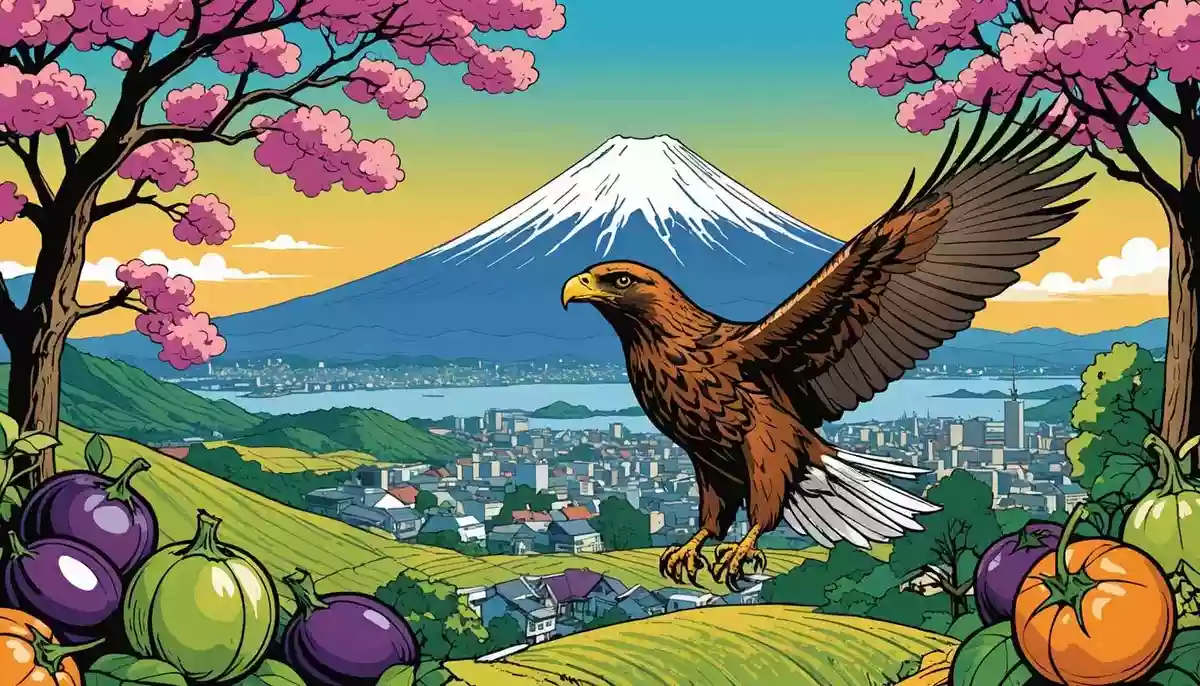
In the traditional first dream of the year, the auspicious trio “first Mount Fuji, second a hawk, third an eggplant” is famous, but there’s more to the list. What is the fifth item?
- fundoshi (traditional Japanese loincloth)
- tobacco
- monk
See the answer
tobacco
It continues with “four fans, five tobacco pouches, six blind musicians” (shi-ōgi, go-tabako, roku-zatō). Tobacco is considered a lucky charm because smoke rises upward, symbolizing success in life.

Until when does the New Year period last?

- January 3
- January 7
- January 20
- January 31
See the answer
January 31
Strictly speaking, “Oshōgatsu” refers to the month of January. In other words, January itself is the New Year period. However, nowadays it’s often used with the same meaning as terms like ‘the first three days of the year’ and ‘Matsu-no-uchi.’
It is said that you should put something under your pillow to have a first dream of the year. What is it?

- omikuji (a Japanese fortune slip typically drawn at Shinto shrines or Buddhist temples)
- omamori (a Japanese amulet/charm)
- A picture of the Seven Lucky Gods
See the answer
A picture of the Seven Lucky Gods
Since the Muromachi period, there has been a custom of placing a talisman with auspicious designs under one’s pillow to ensure a good first dream of the year. This talisman is called a “Hatsuyume Makura-fuda,” and it commonly features images such as a treasure ship or the Seven Lucky Gods.
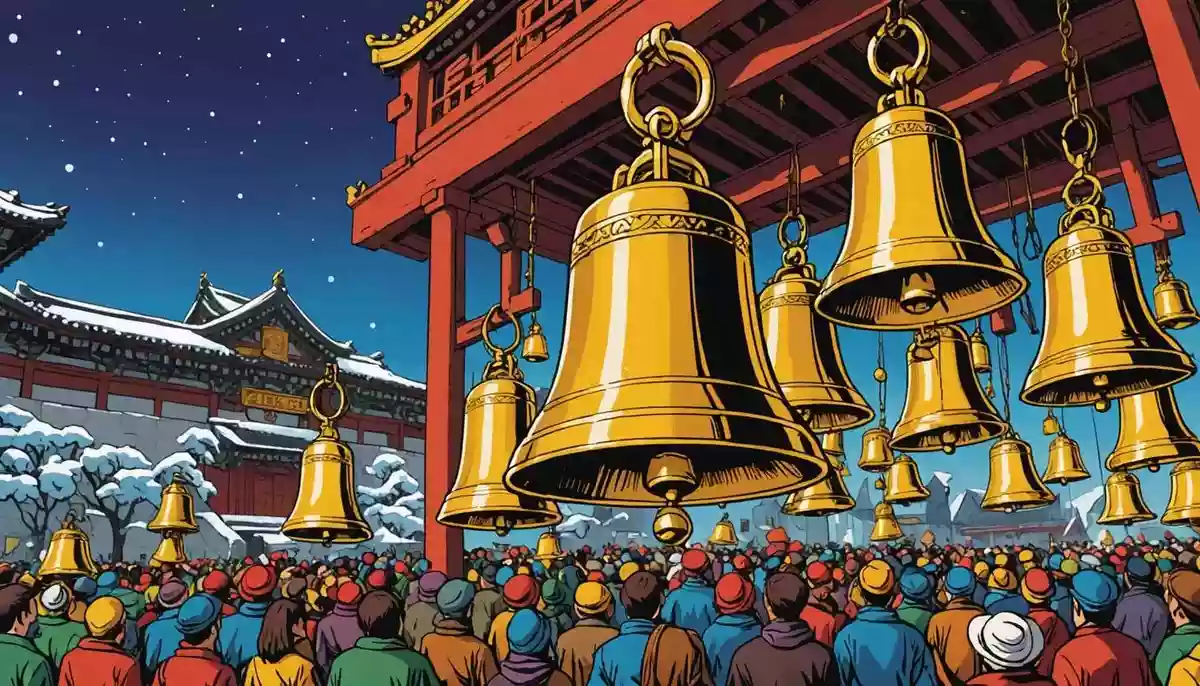
On New Year’s Eve, people strike the large temple bell 108 times in the Joya no Kane ceremony, but what does the number 108 represent?
- The number of human desires
- Number of gods
- The number of Buddhist scriptures
See the answer
The number of human desires
The number 108 for the New Year’s Eve bell is said to represent the number of earthly desires humans possess. It is believed that by ringing the bell, one can dispel worries and suffering, with the wish of starting a good New Year.
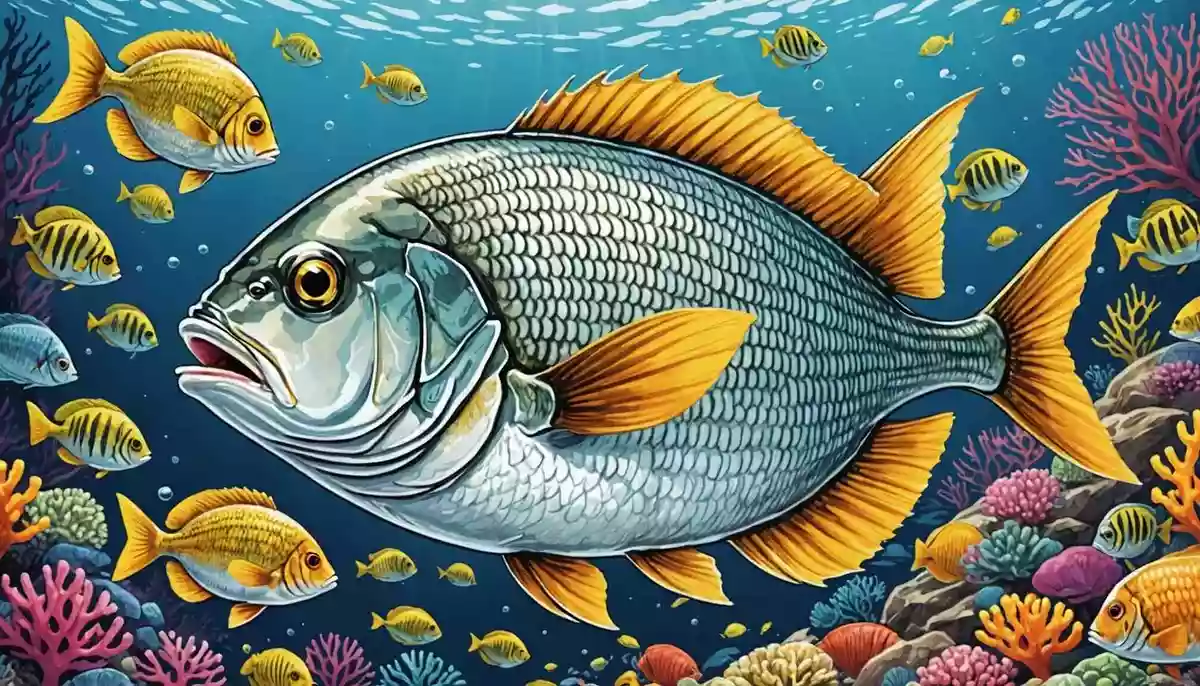
Sea bream (tai) is considered an appropriate fish for New Year’s celebrations, but why is it tai?
- because (it is) appreciated / because I’m grateful
- Because it's a cause for celebration.
- Because I want to eat it.
See the answer
Because it's a cause for celebration.
Sea bream are said to have long lifespans among fish, living for several decades. The color red is considered celebratory and is regarded as a good-luck symbol.
What beans come to mind as ones eaten during the New Year?

- edamame
- black soybeans
- lucky beans
See the answer
black soybeans
Black soybeans are a classic dish in osechi cuisine. They were chosen because they keep well even at room temperature. It’s said they carry wishes for “working diligently” and “living diligently.”
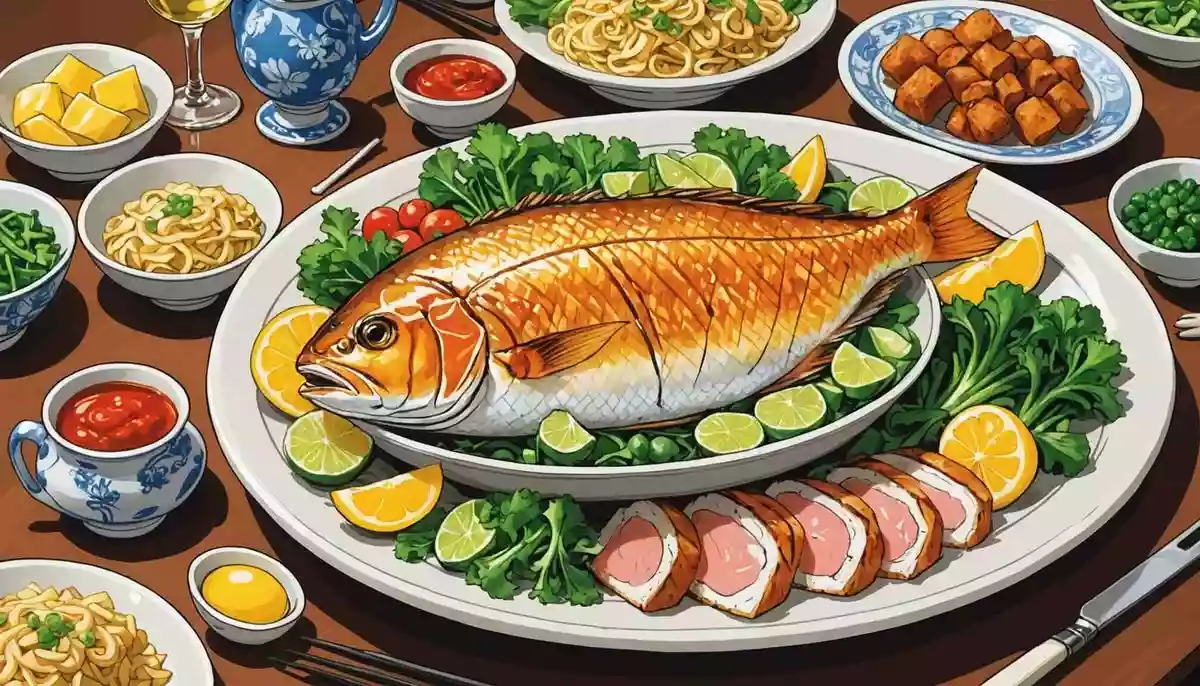
What is the meaning behind the yellowtail included in osechi ryori?
- sound health and safety (free from illness and calamity)
- Safety and well-being of one’s household
- rising in the world; success in life; achieving social and professional advancement
See the answer
rising in the world; success in life; achieving social and professional advancement
Including yellowtail (buri) in osechi (New Year’s dishes) symbolizes a wish for career advancement, since it is a “promotional fish” whose name changes as it grows. Many people know that buri’s name changes with its growth. It’s a delicious fish that is in season in winter.