

![[For Seniors] Spring Haiku. Spring Activity](https://media.ragnet.co.jp/img/1200__png__https://www.ragnet.co.jp/files/2026/02/c00c9f04588b6d70445170a9f79e254d.webp)
[For Seniors] Spring Haiku. Spring Activity

Spring is a season that makes us feel new beginnings.
Warm sunshine and colorful flowers come to mind, don’t they?
It’s also a time when we naturally feel like going outside.
Why not enjoy the arrival of spring through haiku?
Haiku is a uniquely Japanese art that expresses seasonal scenery and feelings in a 5-7-5 rhythm.
Especially for older adults, weaving words while reminiscing about the past can help stimulate the brain.
Why not challenge yourself to joyfully compose haiku while feeling the beauty of spring?
[For Seniors] Spring Haiku. Spring Recreation (1–10)
Dejectedly, stumbling as I pluck—horsetails.Takarai Kikaku
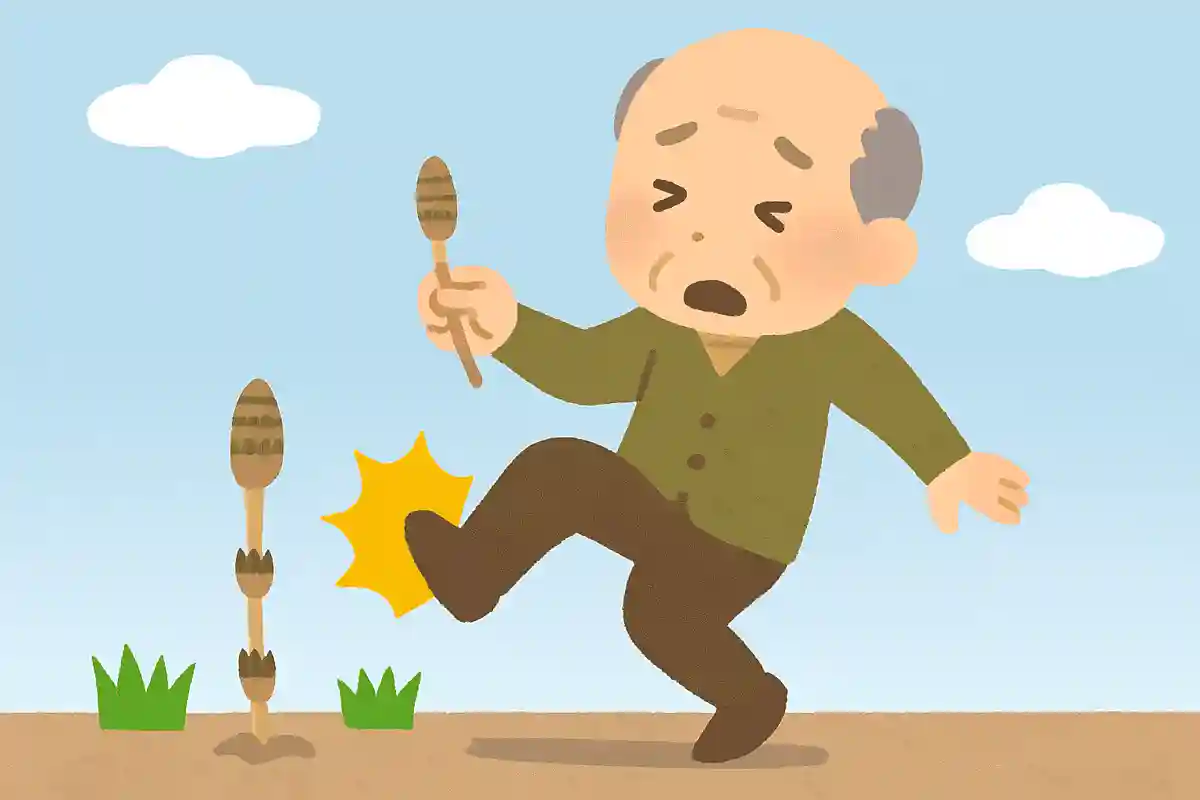
The seasonal word is “tsukushi,” read as “tsukushi.” For many people, spring immediately calls to mind tsukushi, doesn’t it? You can play with them, and they’re delicious simmered in soy sauce, too! This poem is a spring verse with tsukushi as its theme, but it doesn’t feel particularly cheerful.
Because of the word “sugosugoto,” which conveys a plodding, quietly persistent manner, it gives the impression of someone gathering tsukushi as if it were mere labor.
It makes you wonder why they’re picking tsukushi, doesn’t it?

Bamboo shoots—where on earth did they come from, tossed by fickle fate?Kobayashi Issa
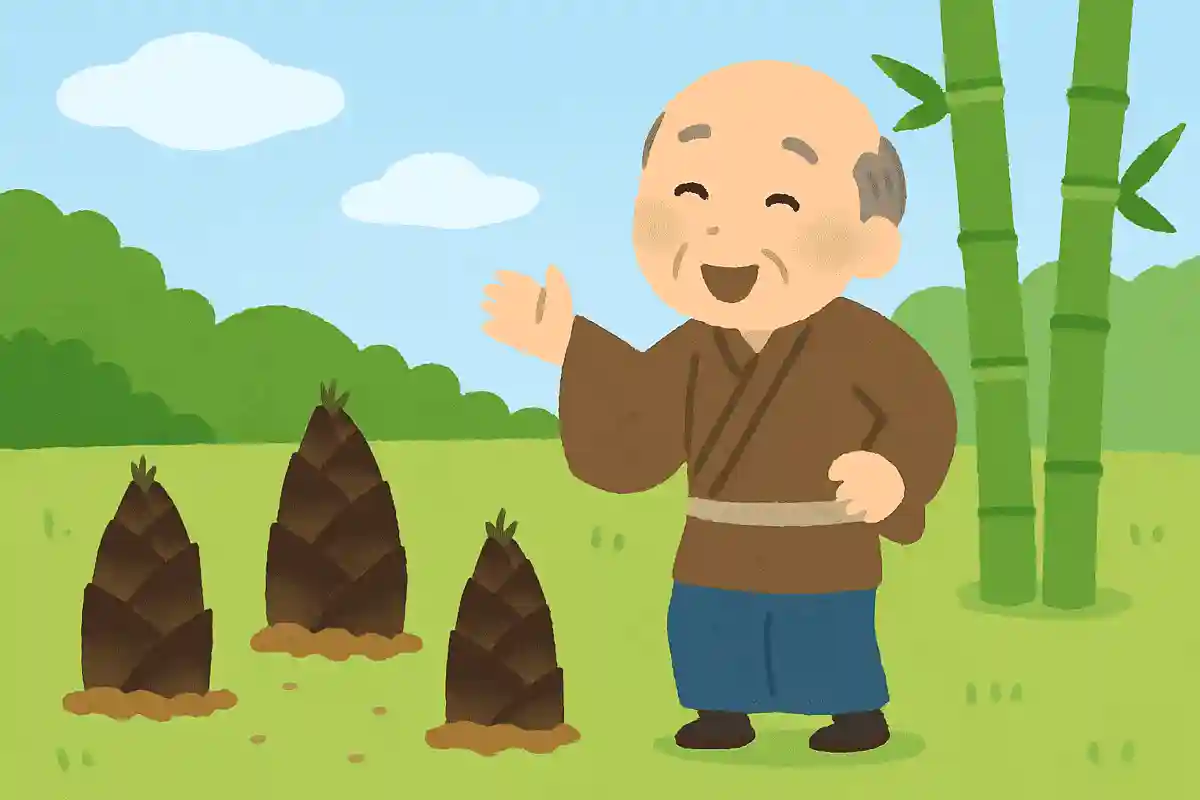
The “unpu tenpu” in this verse, when written in kanji, is 運否天賦.
It means that fortune or misfortune is a matter of fate, to leave one’s luck to heaven.
In other words, this verse is likely saying that the emergence of bamboo shoots—the season word—is decided by heaven.
One might even say that deliberately using the term unpu tenpu is characteristic of Kobayashi Issa.
Around March, many people go out to dig bamboo shoots, a taste of spring.
When you’re about to give up after failing to find any, you may recall this verse.
March’s sweet bean candies— ufufufufuNenten Tsubouchi
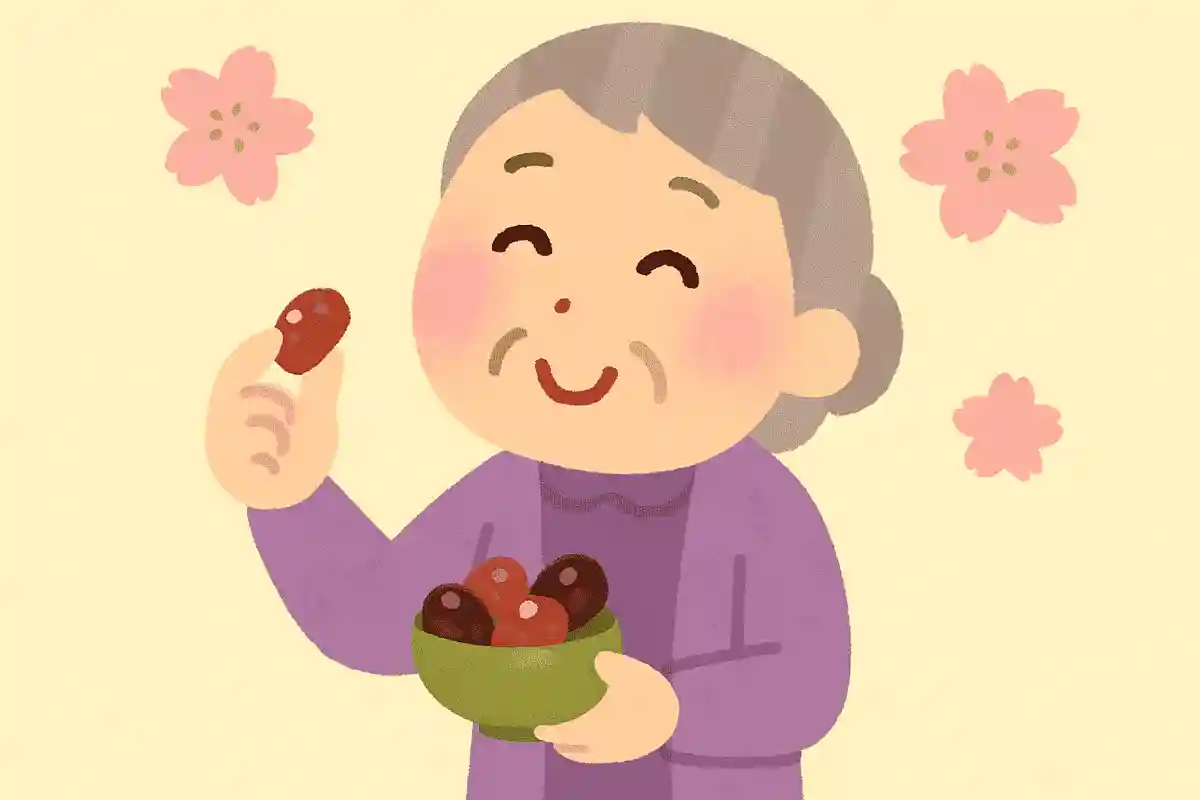
This is a work by Nenten Tsubouchi, a haiku poet who could be called a pioneer of modern haiku.
The haiku appears in Japanese language textbooks and is known as one of Tsubouchi’s signature pieces.
Its seasonal word is “March,” signaling spring, and it sings of the delight of eating amanattō in the springtime.
Besides this poem, he also published a set called “Twelve Amanattō Haiku,” verses about amanattō for every month of the year—he must be quite particular about it.
Among them, this March haiku—one of the poet’s own favorites—is especially striking for its final “ufufufufu.” It’s rare to see spoken sounds transcribed directly into print, and it’s interesting how interpretations vary from person to person.
Muttering gripes—the great pond snail’s discontent.Soseki Natsume
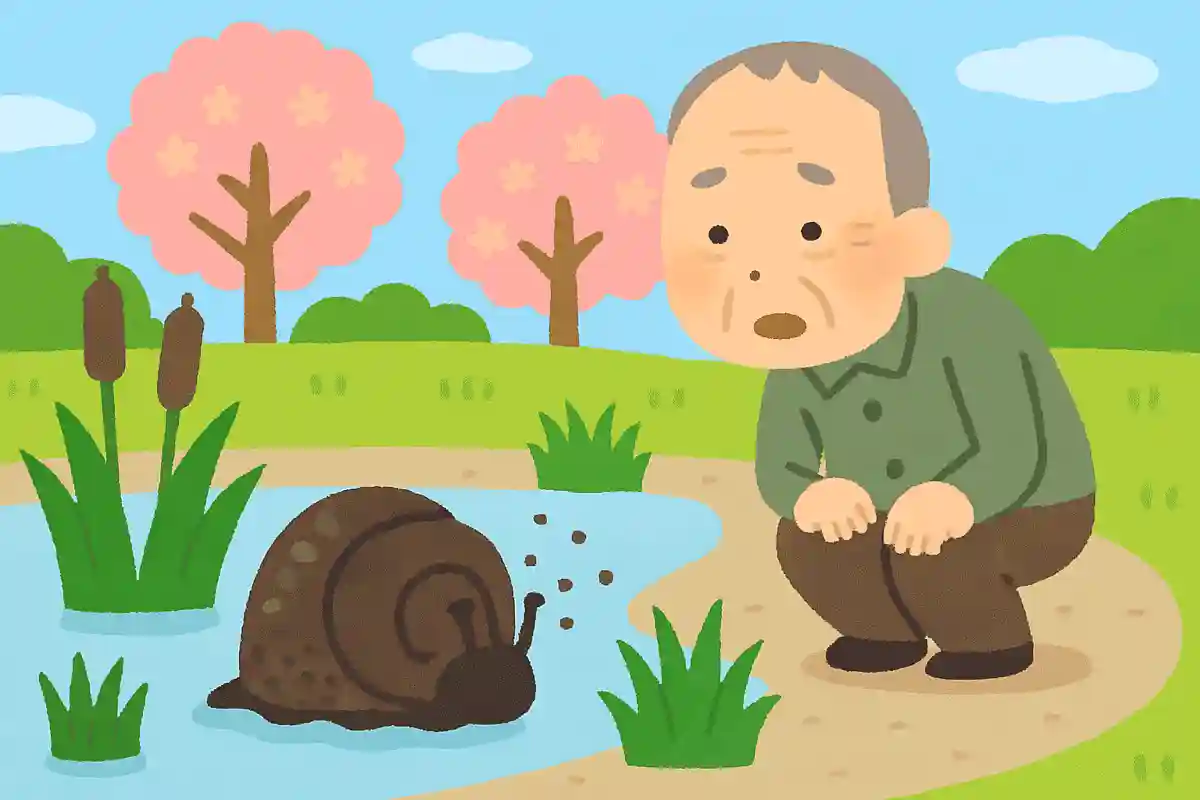
Here’s a verse by Natsume Soseki, a famous author of the Meiji era.
The spring season word in the poem is tanishi, a round freshwater snail found in rice paddies and ponds.
Watching the snail bubbling underwater, Soseki felt it was as if it were grumbling to itself.
Butsubutsu to describes the profusion of those little bubbles.
And fuhei kana conveys a gentle thought of “I wonder if it has something to complain about?” It’s a humorous, tender verse that delights in imagining human feelings from a small movement in nature.

Swaying, spring passes by—grasses of the field.Kobayashi Issa

This haiku uses the spring season word “yuku-haru” (departing spring) to capture the sense of spring gradually slipping away.
Kobayashi Issa watches the meadow grasses swaying softly in the wind and feels, “Perhaps spring is about to leave.” The phrase “yusa-yusa to” gently conveys the light, lulling motion of the grasses.
“Haru ga iku zo yo” sounds as if someone is saying that spring is quietly passing through the grassy field.
As you read it, you can picture the spring breeze across the meadow and the gentle waves of swaying grass.
This verse tenderly conveys the lingering traces of spring and the feeling of reluctance to let it go, leaving a soft, lasting impression.
Scrawny frog, don’t lose, Issa is here.Kobayashi Issa
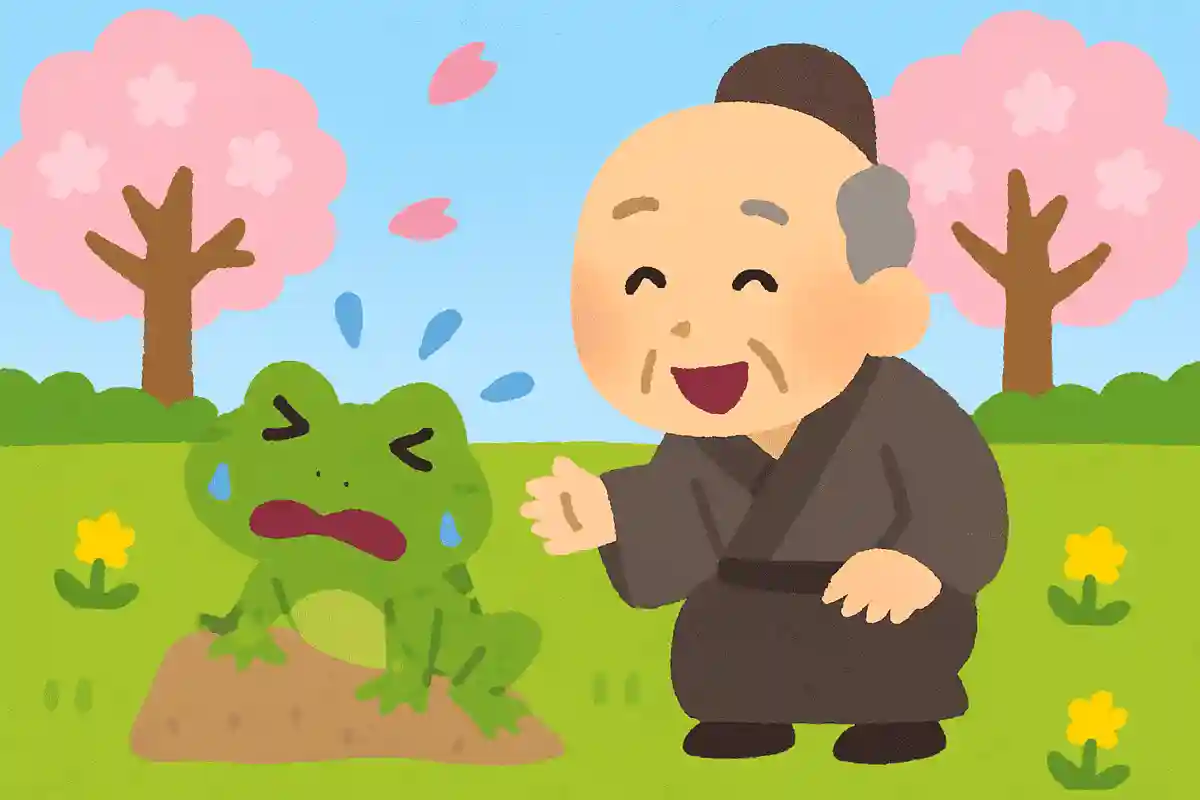
This is a memorable haiku depicting Issa cheering on a scrawny frog.
The piece is famous among haiku, and the final line, “Issa is here,” is particularly distinctive and unusual.
He’s encouraging a frog that looks likely to lose a battle for a female, while declaring that he himself is present.
There are theories that he projected his own misfortune of being unable to marry onto the frog, and others that he composed it with his sickly child in mind.
Issa married for the first time at age fifty-two, but all of his children died one after another.
Knowing this background helps us understand Issa’s feelings as he cheers on the frog.
Sparrow chicks, out of the way, out of the way—His Lordship’s horse is passingKobayashi Issa
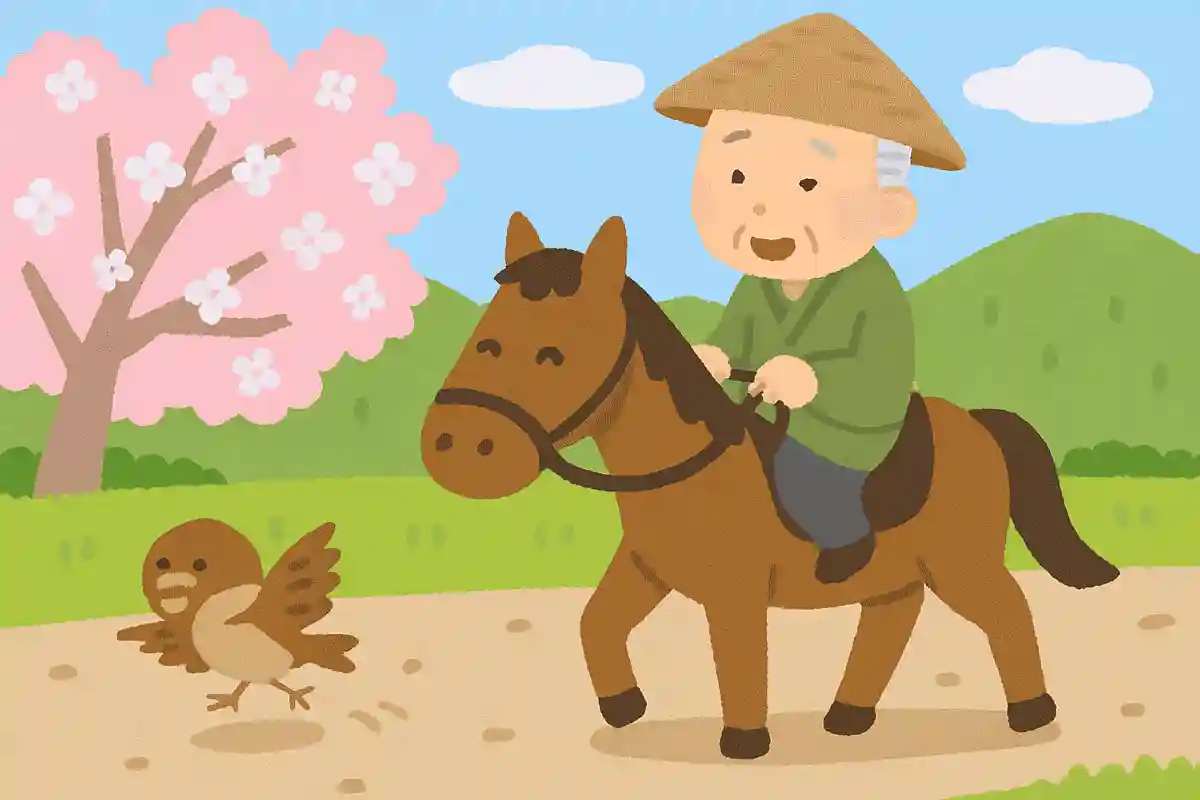
The seasonal word “sparrow’s chick” is a term that signifies spring.
Also, this verse is in a broken meter, meaning it departs from haiku’s standard 5-7-5 pattern.
By doing so, it creates impact and a rhythm that’s easy to hum.
In this poem, the speaker tells the sparrows, “Move away quickly, or the horse will trample you.” It conveys the gentle character of someone who wishes to protect the tiny sparrows’ lives.
This haiku is included in Ora ga Haru (My Spring), a collection of verses Kobayashi Issa composed while he was in Shinano.