

[For Seniors] Spring Haiku. Spring Activity

Spring is a season that makes us feel new beginnings.
Warm sunshine and colorful flowers come to mind, don’t they?
It’s also a time when we naturally feel like going outside.
Why not enjoy the arrival of spring through haiku?
Haiku is a uniquely Japanese art that expresses seasonal scenery and feelings in a 5-7-5 rhythm.
Especially for older adults, weaving words while reminiscing about the past can help stimulate the brain.
Why not challenge yourself to joyfully compose haiku while feeling the beauty of spring?
- [For Seniors] Haiku for March: Enjoying a Spring Moment with Famous Verses
- [For seniors] April haiku. Exciting
- [For Seniors] Winter Haiku: Introducing Beautiful Masterpieces by Famous Haiku Poets
- [For Seniors] Spring Songs You'll Want to Hum: Feel the Season with Nostalgic Classics
- [For Seniors] Introducing Whiteboard Activities That Liven Up Spring!
- Spring Event Quiz for Seniors to Enjoy in March
- [For Seniors] Making a March Calendar: Introducing Spring-Themed Motifs and Arrangements
- [For Seniors] Classic spring songs to sing in April: A heartwarming moment with nostalgic children’s songs and kayōkyoku (Japanese popular songs)
- [For Seniors] Interesting spring haiku: introducing verses with striking kigo and unique expressions
- [For seniors] Classic spring kigo: beautiful words that evoke the season
- [For Seniors] Haiku Introductions for May: A Fun Recreation Activity
- [For Seniors] Fun Spring Recreational Activities: A Collection of Games and Play Ideas
- [For Seniors] Haiku for February: A Collection of Famous Verses Depicting the Transition from Winter to Spring
[For Seniors] Spring Haiku. Spring Activities (51–60)
Even this humble grass-thatched hut—now time to move; it becomes a doll’s house.
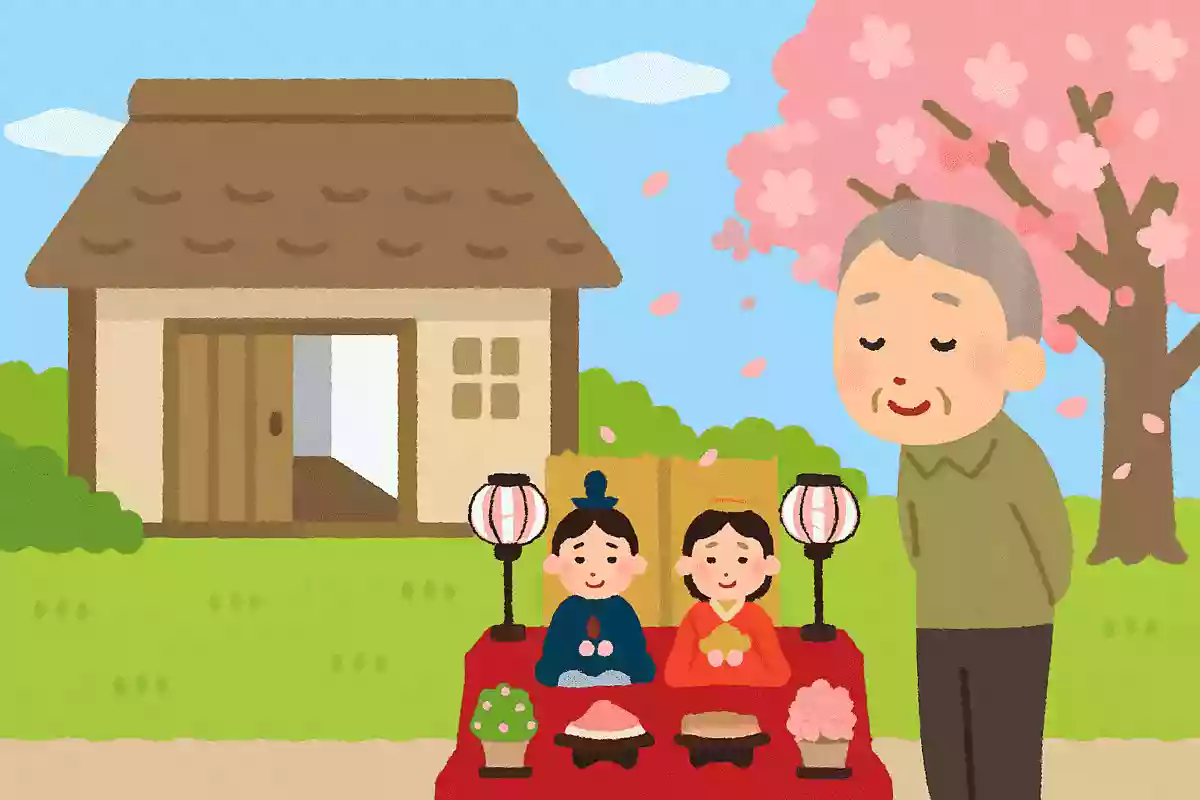
This verse is one of the haiku Basho composed in The Narrow Road to the Deep North.
As he sets out on his journey and prepares to leave the tumbledown house where he has been living, he wonders whether new residents will move in and decorate it with Hina dolls.
The house once sheltered an older man like Basho, with none of the trappings of splendor, but the act of displaying Hina dolls suggests a household with a little girl might live there next.
That change also evokes the shift of the seasons, from winter to spring.

White peaches—buds swelling, bending the boughs
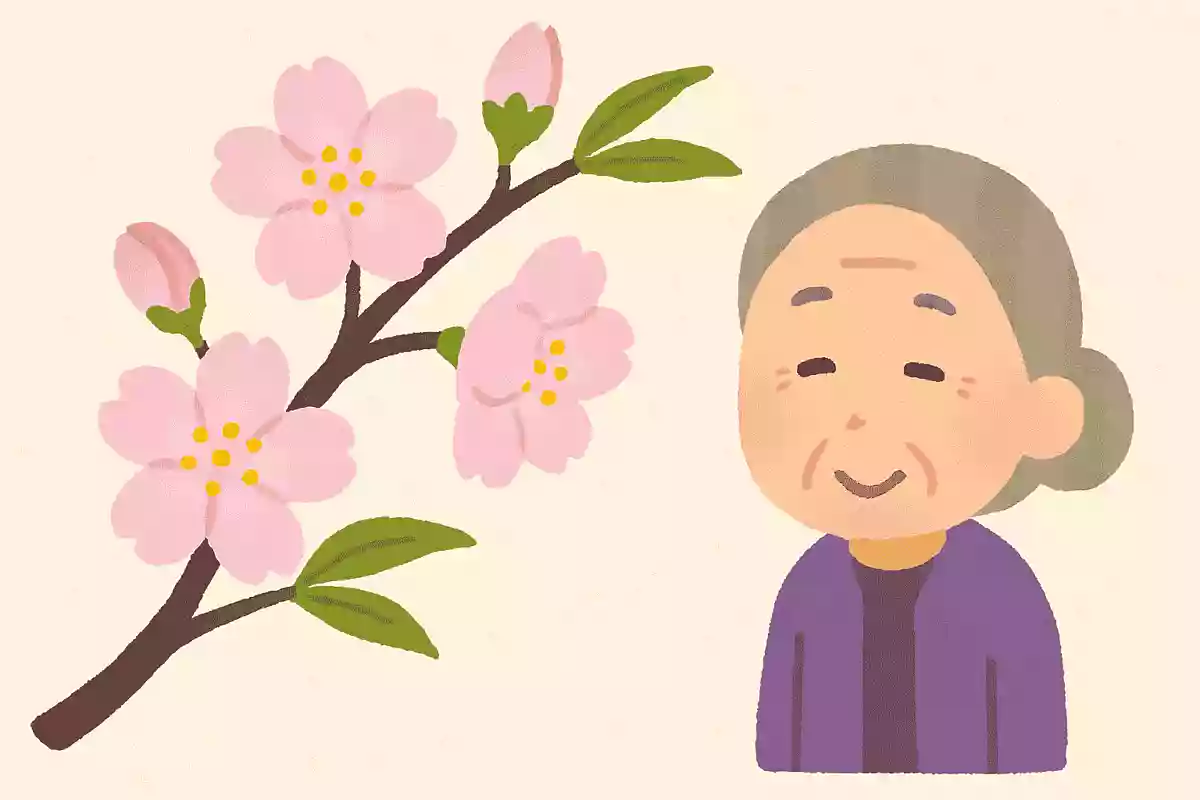
This verse was composed by Ryunosuke Akutagawa, a literary giant and novelist of the Taisho era, now also known for the Akutagawa Prize.
Just imagining the peach buds and the way the branches arch evokes the arrival of spring, as if something is about to begin.
It may seem surprising that he wrote haiku, but since Akutagawa excelled at short stories, perhaps he was skilled at distilling essence into brief lines.
It’s a fresh haiku that conjures up the image of a beautiful Japanese painting.
Rapeseed blossoms, happily yellowing
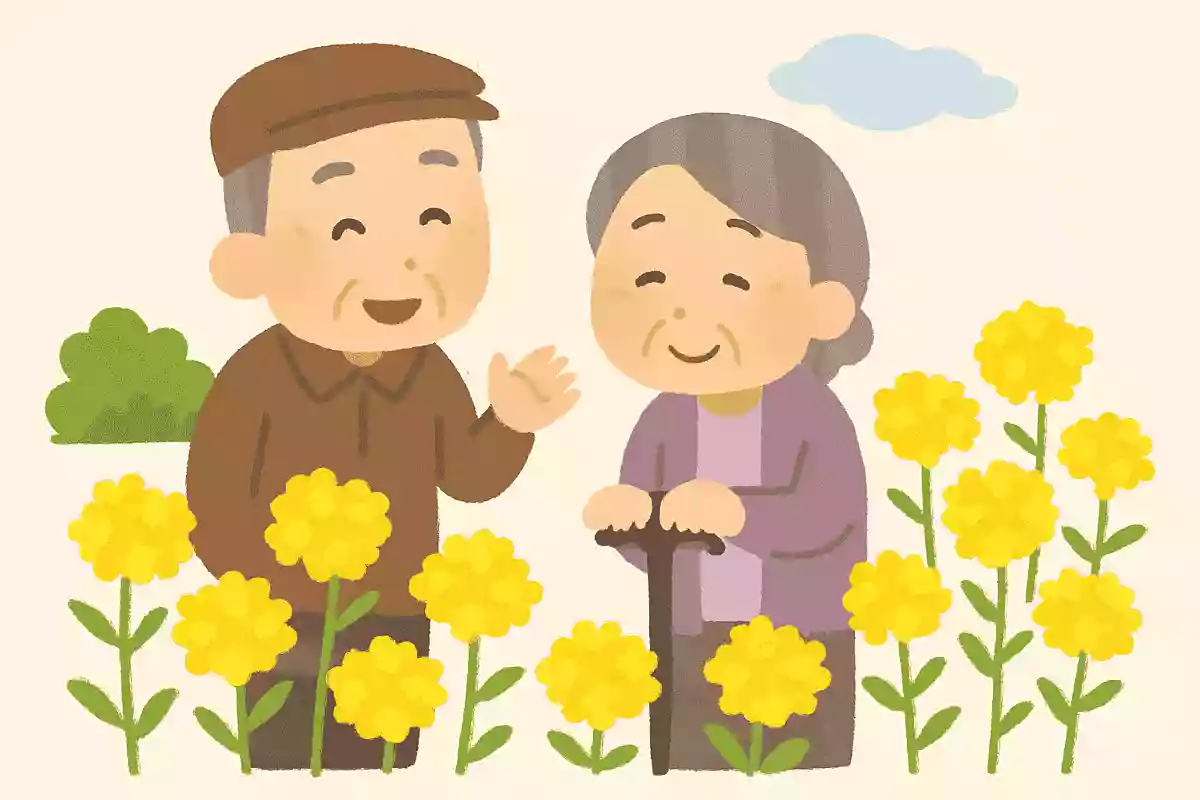
The haiku by Ayako Hosomi, who was active from the Showa into the Heisei era, conveys a clear sense of warmth and color.
While depicting yellow rapeseed blossoms in bloom, the inclusion of the feeling of seeming happy further emphasizes the warmth of spring.
The word “happy” also suggests that it’s not just a single rapeseed flower, but a scene with many blossoms in bloom.
Simply reading the haiku gives off a cheerful atmosphere, but if you view it in light of the poet’s circumstances, a different depth emerges—so I recommend that perspective as well.

In conclusion
Haiku is a wonderful part of Japanese culture that lets you freely enjoy expressing yourself while feeling the changing seasons, isn’t it? Have you found a haiku you like? Be sure to try incorporating haiku this spring. Savor the spring in words as you feel the beauty of nature!