

[For Seniors] Spring Haiku. Spring Activity

Spring is a season that makes us feel new beginnings.
Warm sunshine and colorful flowers come to mind, don’t they?
It’s also a time when we naturally feel like going outside.
Why not enjoy the arrival of spring through haiku?
Haiku is a uniquely Japanese art that expresses seasonal scenery and feelings in a 5-7-5 rhythm.
Especially for older adults, weaving words while reminiscing about the past can help stimulate the brain.
Why not challenge yourself to joyfully compose haiku while feeling the beauty of spring?
- [For Seniors] Haiku for March: Enjoying a Spring Moment with Famous Verses
- [For seniors] April haiku. Exciting
- [For Seniors] Winter Haiku: Introducing Beautiful Masterpieces by Famous Haiku Poets
- [For Seniors] Spring Songs You'll Want to Hum: Feel the Season with Nostalgic Classics
- [For Seniors] Introducing Whiteboard Activities That Liven Up Spring!
- Spring Event Quiz for Seniors to Enjoy in March
- [For Seniors] Making a March Calendar: Introducing Spring-Themed Motifs and Arrangements
- [For Seniors] Classic spring songs to sing in April: A heartwarming moment with nostalgic children’s songs and kayōkyoku (Japanese popular songs)
- [For Seniors] Interesting spring haiku: introducing verses with striking kigo and unique expressions
- [For seniors] Classic spring kigo: beautiful words that evoke the season
- [For Seniors] Haiku Introductions for May: A Fun Recreation Activity
- [For Seniors] Fun Spring Recreational Activities: A Collection of Games and Play Ideas
- [For Seniors] Haiku for February: A Collection of Famous Verses Depicting the Transition from Winter to Spring
[For Seniors] Spring Haiku. Spring Recreation (41–50)
With early summer’s gentle warmth now come, how beautiful people are when they adorn themselves.
This is a haiku by Ritsuko Hoshino, a leading female haiku poet of the Showa era.
The term “薄暑” (hakusho) refers to the period from early May—after the start of summer on the traditional calendar—until around late May.
It’s the time when the pleasantly warm spring has passed and you begin to feel the heat.
The haiku depicts Hoshino’s visit to Paris, where she was the only person wearing a kimono on the streets.
Her kimono in that season of growing warmth must have conveyed a dignified beauty to those around her.
It’s a haiku that also suggests how striking the kimono looked against the scenery of a foreign land.

In the Kadokawa, floating weeds never cease—oh, May.
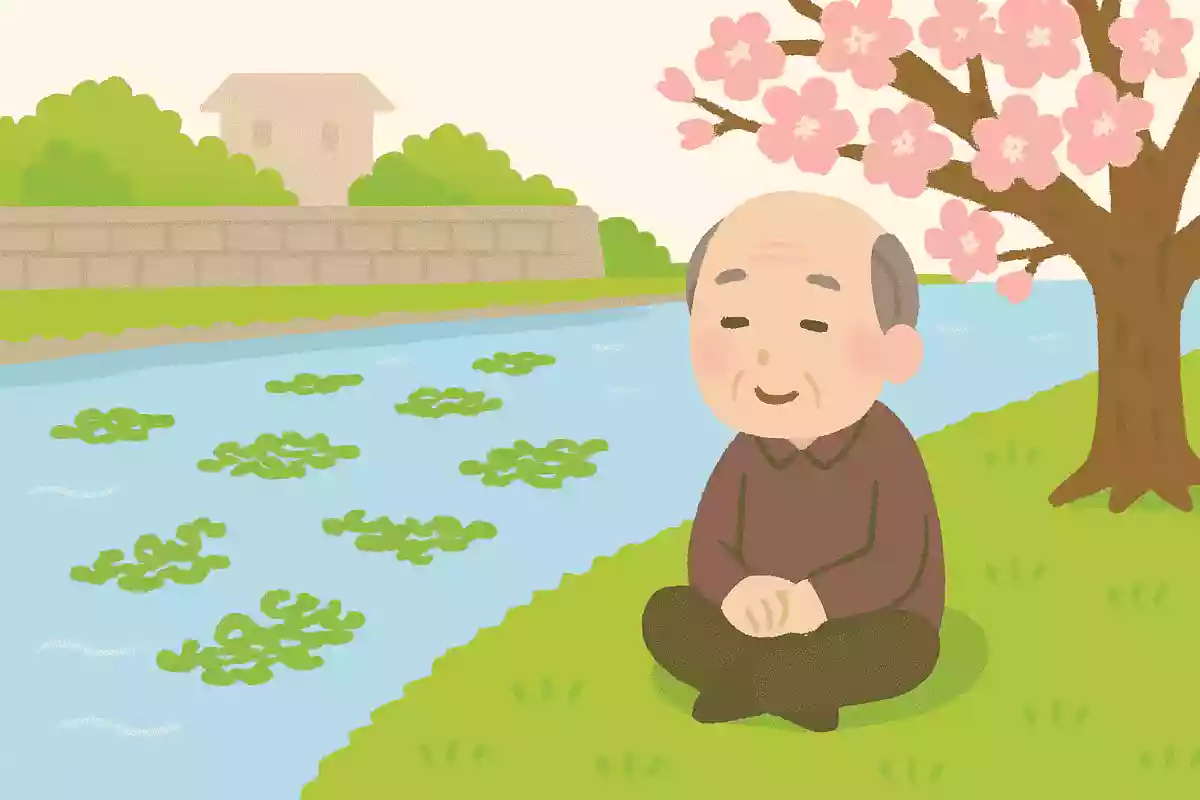
When you think of May, what kind of image comes to mind? Some of you may picture the season’s refreshing feel—lush new greenery and gentle weather.
You can also sense the atmosphere of May from Kawahigashi Hekigotō’s haiku: “At the gate river, the floating weeds never cease—ah, May.” Kawahigashi Hekigotō was a haiku poet active from the Meiji to the Showa eras and is celebrated alongside Takahama Kyoshi as one of Masaoka Shiki’s most outstanding disciples.
The haiku evokes a riverscape at a gate, glittering in the May sunlight, with the weeds in the water further enhancing the river’s beauty.
Sparrows too—fly across the sea, like a streaming banner.

This haiku was composed by Hagiwara Ishida (Ishida Hakyo), a haiku poet active in the Showa era.
Because the haiku mentions a windsock, we can imagine the season when carp streamers are swimming across the wide sky.
Ishida Hakyo infused this haiku with hopes for a bright future for his child.
Around the time he wrote it, his first son was born, the Pacific War broke out, and he was drafted.
He may have written the haiku while thinking of a child he might never see again.
Ishida likens sparrows to his child and, through the haiku, sends a cheer that he hopes they will fly over the sea with strength and vitality.
Do the kerria blossoms scatter in gentle flakes? The sound of the waterfall.
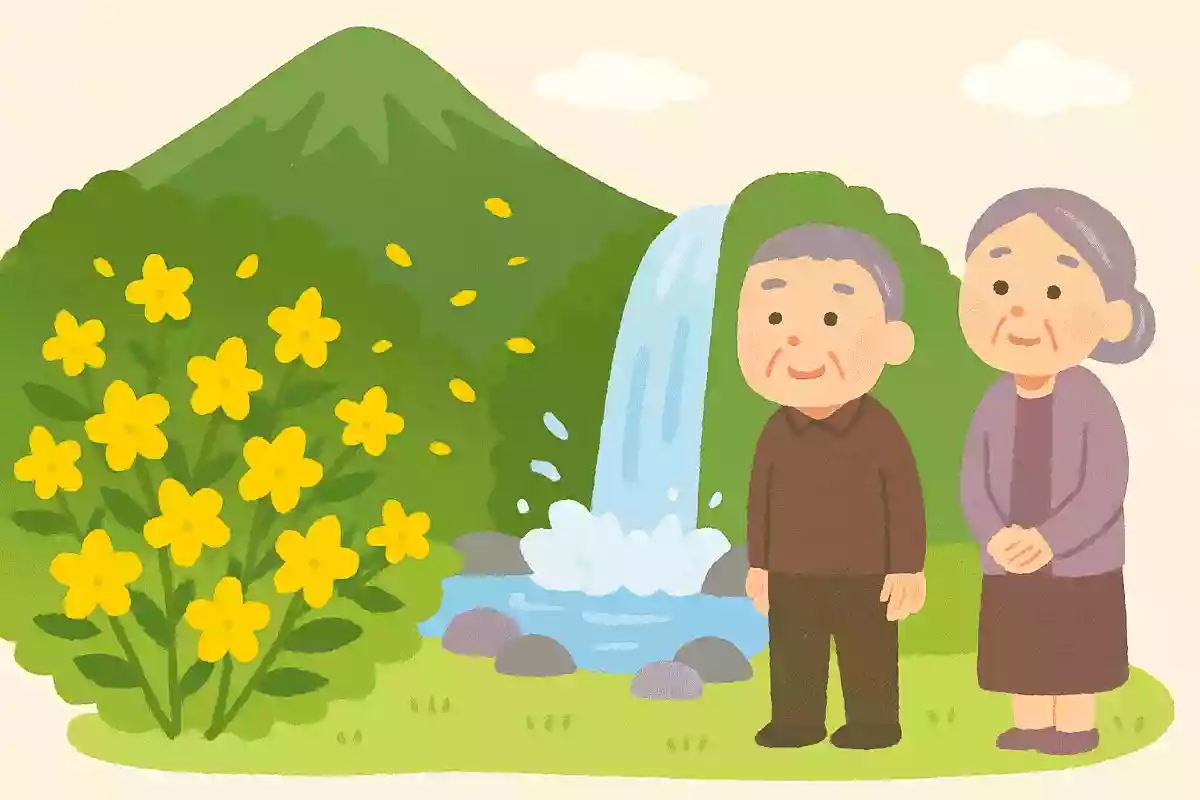
This is a haiku composed by Matsuo Basho, a haiku poet of the Edo period, while resting at the Nishikawa Falls in the upper reaches of the Yoshino River, and it is included in his haikai travelogue A Small Knapsack.
The contrast is striking between the waterfall, roaring as it pours down snowmelt, and the kerria blossoms, with their soft, warm hues, scattering soundlessly in a gentle flutter.
It’s as if that moment is captured and rises before our eyes like a video.
Basho’s haiku are remarkable in that, even in an age without video or photography, simply reading them evokes such scenes for everyone.

Coming along a mountain path, I find something endearing—the violet grass.
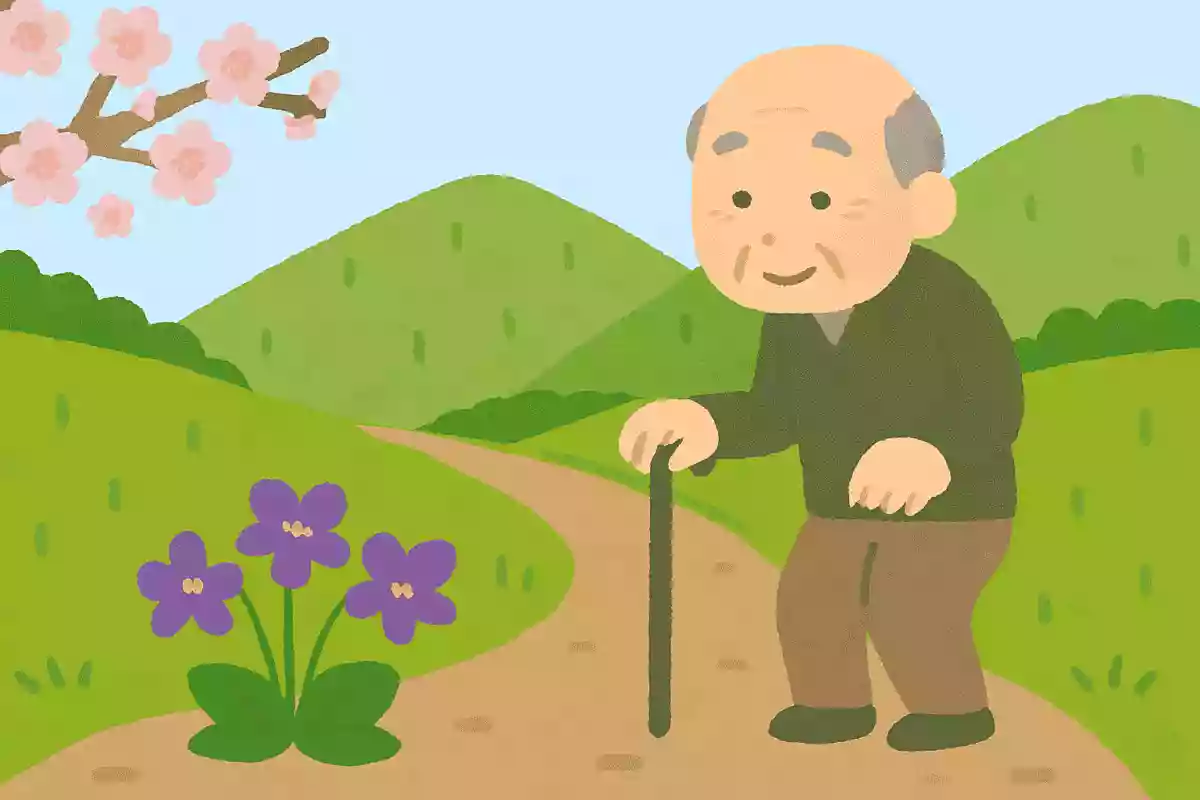
This is a haiku by Matsuo Bashō included in Nozarashi Kikō (The Records of a Weather-Exposed Skeleton).
It’s a famous verse, so many of you may have heard it.
The poem describes walking along a mountain path in spring, noticing blooming violets, and feeling irresistibly drawn to them.
You can sense how lovely Bashō’s focus and the way he’s captivated really are.
It’s said he spotted these violets on the road that runs from Kyoto through Fushimi to Ōtsu.
It might be nice to go for a mountain walk inspired by this haiku.
Plucked by a hand—does the plum blossom still give off its fragrance to the one who holds it?
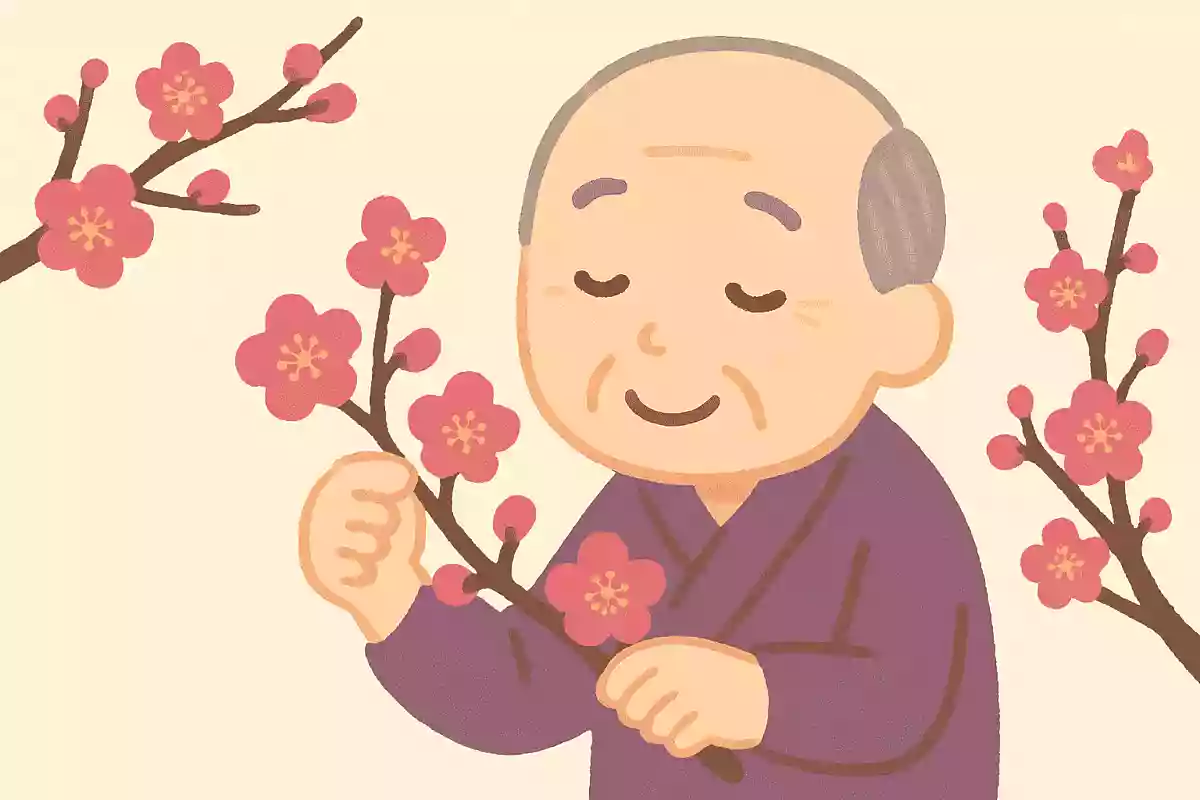
Here is one of the works by Kaga Chiyo, a female haiku poet of the Edo period.
She took Buddhist vows and became a nun at the age of 52.
If I say her most famous verse is “Morning glories— even if they’ve taken the well bucket, I’ll ask for some water,” many of you might think, “Ah, of course.” This plum-blossom haiku makes it clear that the plum is a flower especially prized for its fragrance.
Even without seeing the plum itself, catching its scent from the person who picked a branch is wonderfully romantic, isn’t it? You could call it an Edo-period version of a subtle hint.
Spring has begun—yet it’s only the ninth day—fields and hills.
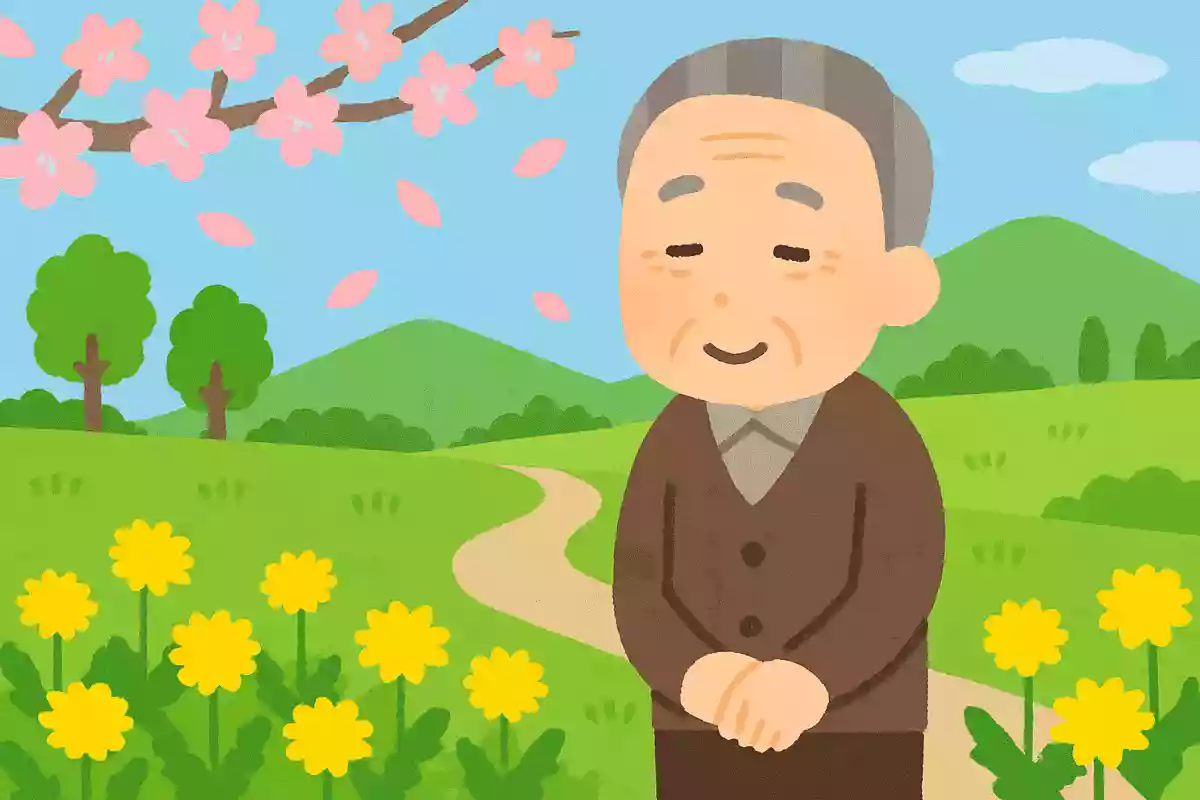
This is a haiku by the great Edo-period poet Matsuo Bashō, describing the fields and hills nine days after the first day of spring on the traditional calendar.
Although the calendar says spring has begun, it is not fully spring yet: traces of winter remain in the landscape.
Still, if you look closely, you can sense hints of spring here and there.
It is a subtle, evocative poem that Japanese people—who cherish the four seasons and are sensitive to their shifts—can grasp almost instinctively.
Even modern readers will surely find moments in daily life that bring this haiku to mind.