

![[For Seniors] Haiku for February: A Collection of Famous Verses Depicting the Transition from Winter to Spring](https://media.ragnet.co.jp/img/1200__png__https://www.ragnet.co.jp/files/2026/01/ce153e6be1dd44895f8d113b2228a742.webp)
[For Seniors] Haiku for February: A Collection of Famous Verses Depicting the Transition from Winter to Spring

It’s still quite cold in February, but with plum blossoms beginning to open and birdsong in the air, you can start to sense the coming of spring bit by bit, can’t you? Let’s savor some verses that capture scenes of February.
For older adults, haiku can be a way to experience the changing seasons with all five senses and to retrace old memories.
The biting cold wind, the thawing snowy landscape, the flower buds just beginning to swell—using the famous verses introduced here as a guide, try composing a haiku that can only be written at this time of year.
We hope you’ll enjoy putting into words the small discoveries found in everyday life.
[For Seniors] Haiku for February: A Collection of Masterpieces Depicting Scenes from Winter to Spring (1–10)
Drift ice and the gate-waves of Soya— the storm won’t cease.Seishi Yamaguchi

This is a haiku by Seishi Yamaguchi, who spent his childhood in Karafuto, written as he recalls those early years.
The seasonal word in this poem is “drift ice,” ice that floats and drifts on the sea.
At first glance, you might think it’s a winter kigo.
However, drift ice arrives in spring, when the frozen seawater begins to melt little by little—so it actually signifies the arrival of spring in cold regions.
“Sōya” refers to the Sōya Strait, north of Hokkaido.
The poem contrasts the fierce, standing waves of the Sōya Strait with the drifting ice.
Though the signs of spring are approaching, February remains bitterly cold.
The haiku vividly captures the severity of midwinter and the relentless rough seas that show no sign of calming.

By the scent of plum blossoms, I am drawn back—ah, the cold.Matsuo Bashō
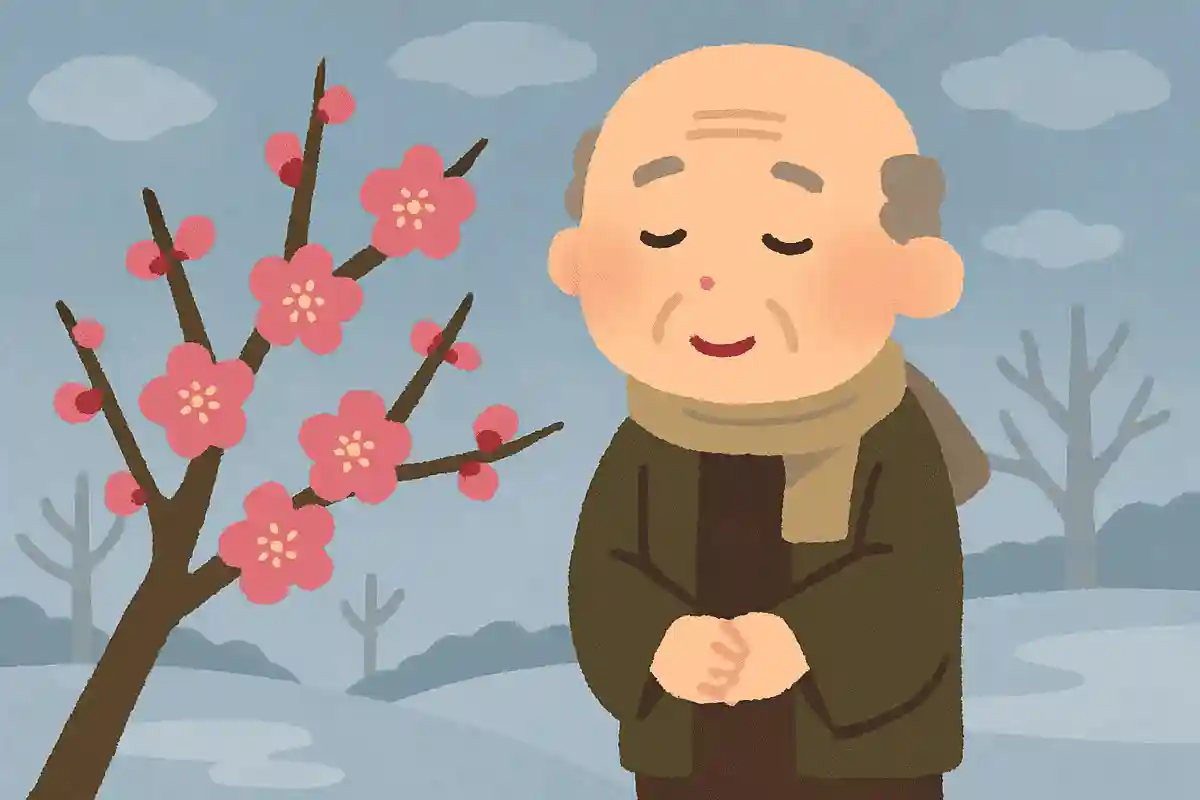
Although “ume” (plum blossom) is famous as a spring kigo, in this verse the kigo is “ume ga ka,” which literally means the fragrance of plum blossoms.
Ume heralds spring, but it is an early-spring flower that begins to bloom as the season shifts from cold to warm.
Just because the ume has bloomed doesn’t mean spring has arrived at once.
You can sense how, even while feeling the signs of spring, the lingering winter chill makes one stop short and stand stock-still; through this, the poem conveys the gradual changing of the seasons.
Before I knew it, the needles had vanished—this is their memorial service.Takashi Matsumoto
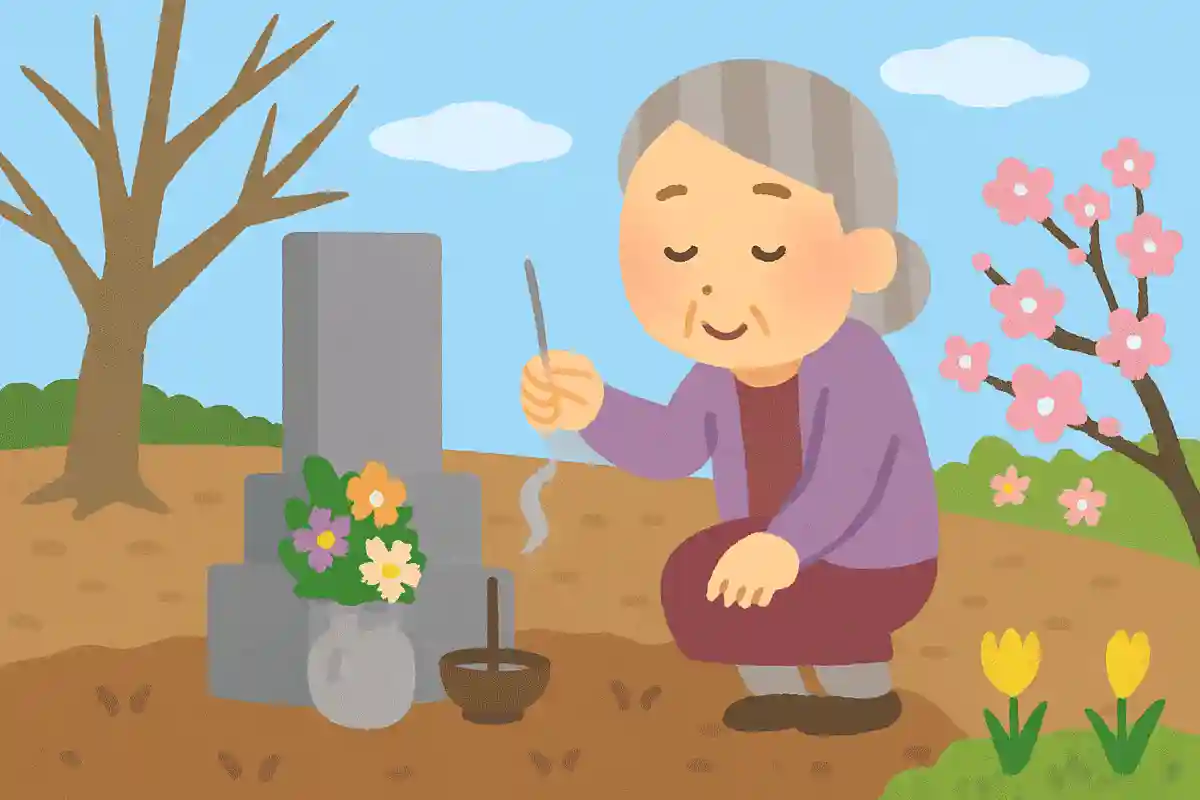
Hari-kuyo is a ritual held on February 8 to honor and give thanks for needles that have become damaged, broken, or unusable.
In times when needlework for making kimono was a valuable livelihood, needles were an essential and treasured tool.
To show appreciation, people would rest the needles by sticking them into soft items like tofu or konjac and then offer them at temples and shrines.
This expressed the wish that the needles, which had worked so hard until then, could take their final rest in a soft place.
The verse that calls to mind the many needles and the women diligently engaged in needlework seems to praise the labor and efforts of those women and the needles alike.
Plum blossoms bloom—the gate is a teahouse, a fine place to rest.Masaoka Shiki
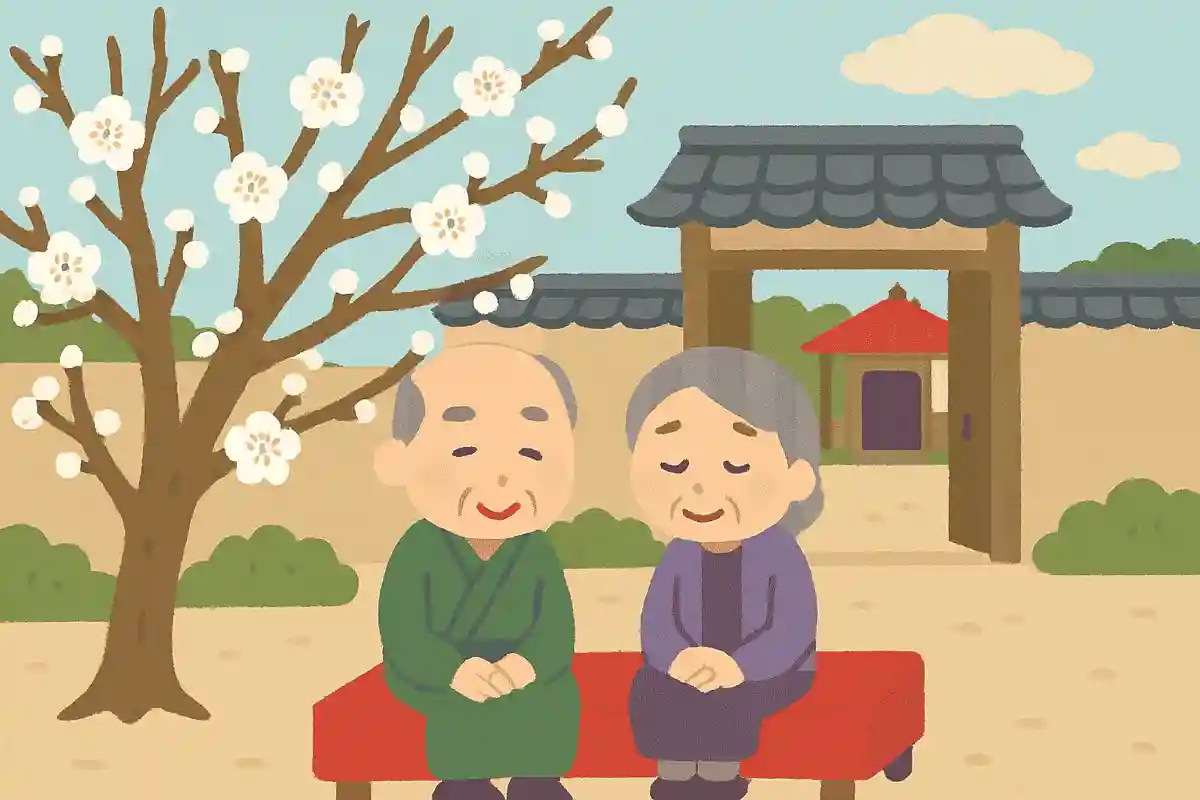
Plum blossoms are known for blooming in early spring compared to other flowers.
In the world of haiku as well, the plum is often used as a season word for spring.
From Masaoka Shiki’s haiku about plum blossoms and a teahouse, one can sense the feelings experienced while taking a brief rest at a teahouse where the plums were in bloom.
Dropping in for a break at a teahouse, with beautiful plum blossoms nearby, put one in a very pleasant mood.
In February, when the cold still lingers, the noble, pure, and vivid plum blossoms seem to gently and warmly soothe people’s hearts.
Bush warbler— the front hills, more and more, in the rainAkiyama Akiko Mizuhara
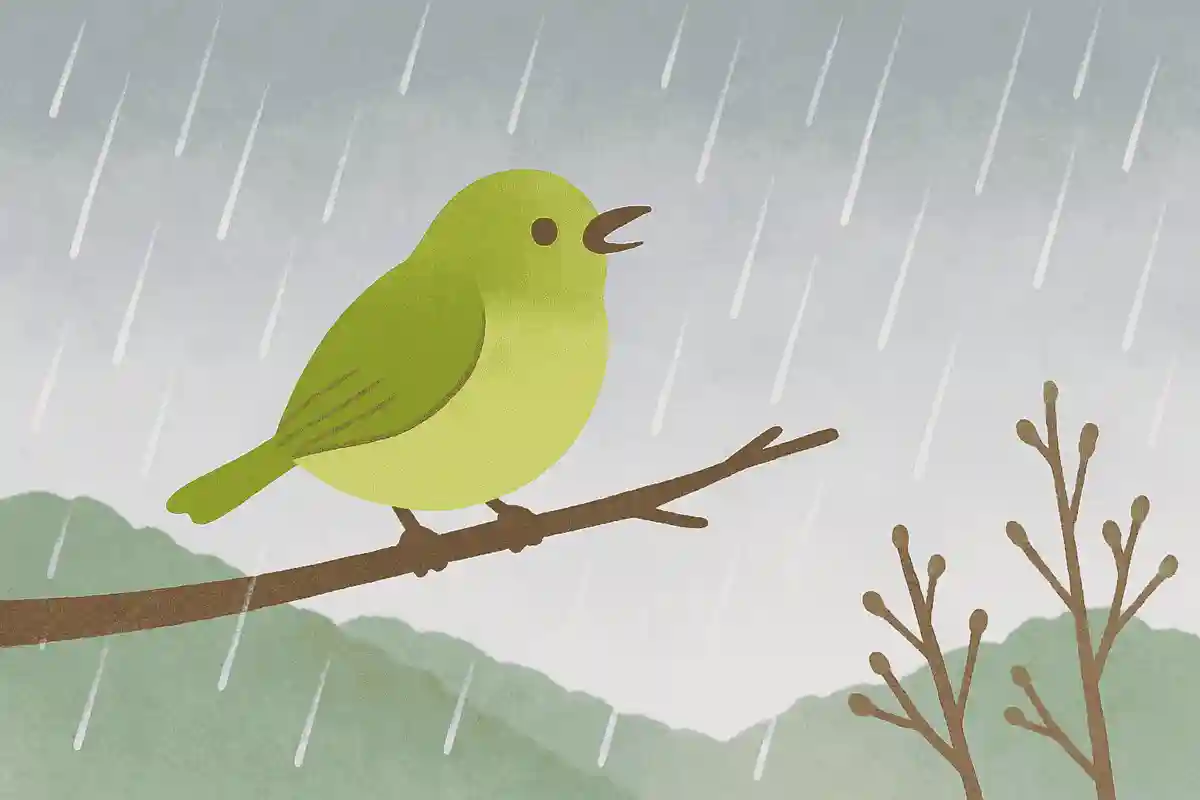
The bush warbler has long been cherished by people as a bird that heralds spring.
In the world of haiku as well, the bush warbler is a spring season word loved by many poets.
This verse was composed by Mizuhara Shūōshi while gazing at mountains that gradually faded from view in the spring rain.
The term “iyoyo” conveys that something has reached its final stage, akin to “at last” or “all the more.” Mountains stretching endlessly, the sky that brings rain, and from somewhere within this great nature comes the call of the bush warbler.
The arrival of spring is almost upon us.
In the warbler’s song, we can sense the hint of spring that the poet became aware of.
Red camellia, white camellia—both have fallen.Kawahigashi Hekigoto
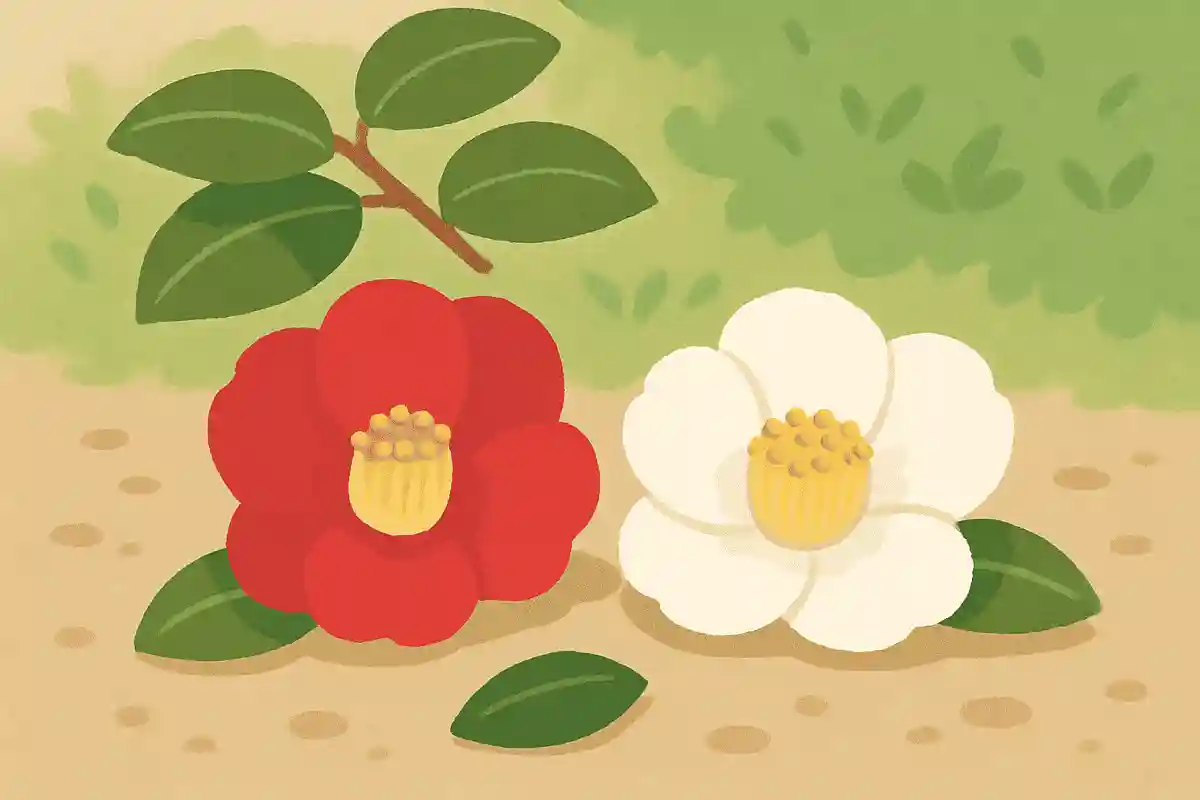
Because camellias bloom from winter to spring, they are known as “flowers that herald spring.” In the world of haiku as well, camellias have long been used as a seasonal word representing spring.
This verse depicts how the red and white camellia blossoms, once in full glory on their respective trees, have begun to fall one after another.
You can almost picture the contrast between the red and white petals and the yellow stamens at their centers.
February remains cold and windy, a time when few flowers are in bloom.
There is a touch of sadness in seeing the early-spring camellias drop, yet it also brings joy, knowing that spring is just around the corner.
A far-off, across the earth racing—the cat’s loveHakyo Ishida
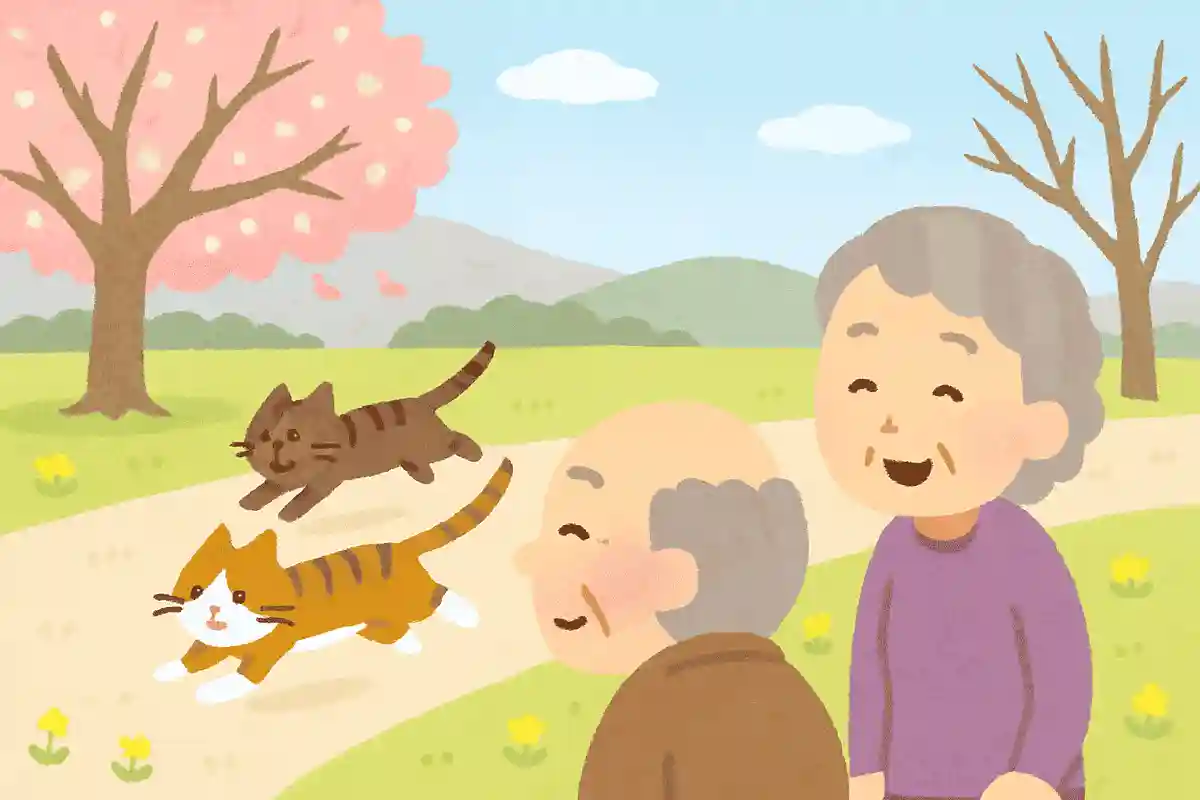
The seasonal word in this verse is “neko no koi” (cats in love), one of the kigo that signify spring.
Cats enter their mating season from winter into spring, and because they make plaintive, sometimes wailing calls during estrus, “neko no koi” came to be used as a spring kigo.
“Harukanaru” means that something is far away in distance or time, or conveys a sense of remoteness.
You can hear cats calling from somewhere far off—perhaps they’re in heat.
In the voices of the cats echoing as if racing across the ground, you can sense that the warm arrival of spring is close at hand.