

[For Seniors] Haiku for February: A Collection of Famous Verses Depicting the Transition from Winter to Spring

It’s still quite cold in February, but with plum blossoms beginning to open and birdsong in the air, you can start to sense the coming of spring bit by bit, can’t you? Let’s savor some verses that capture scenes of February.
For older adults, haiku can be a way to experience the changing seasons with all five senses and to retrace old memories.
The biting cold wind, the thawing snowy landscape, the flower buds just beginning to swell—using the famous verses introduced here as a guide, try composing a haiku that can only be written at this time of year.
We hope you’ll enjoy putting into words the small discoveries found in everyday life.
- [For Seniors] Winter Haiku: Introducing Beautiful Masterpieces by Famous Haiku Poets
- [For Seniors] Famous Haiku About January: Learn New Year Season Words and Tips for Composing
- [For Seniors] Haiku for March: Enjoying a Spring Moment with Famous Verses
- [For Seniors] Famous Haiku for December: Masterpieces Depicting Winter Scenes and Year-End Moments, Plus Tips on How to Compose Them
- [For Seniors] Interesting spring haiku: introducing verses with striking kigo and unique expressions
- [For seniors] Classic winter kigo. Compose a verse with your favorite seasonal word.
- [For Seniors] February Songs You’ll Want to Hum: Enjoy Winter with Nostalgic Classics
- [For Seniors] Spring Haiku. Spring Activity
- [For seniors] Classic spring kigo: beautiful words that evoke the season
- [For Seniors] A Collection of Famous Autumn Haiku: Introducing Beautiful Verses That Evoke Vivid Scenery
- [For Seniors] Evoking autumn scenes: Introducing beautiful haiku for October
- [For Seniors] Haiku Introductions for May: A Fun Recreation Activity
- [For Seniors] February Trivia: Useful Knowledge
[For Seniors] Haiku for February: A Collection of Masterpieces Depicting Scenes from Winter to Spring (1–10)
My body needlessly grows old—Needle MemorialTakahashi Awajijo
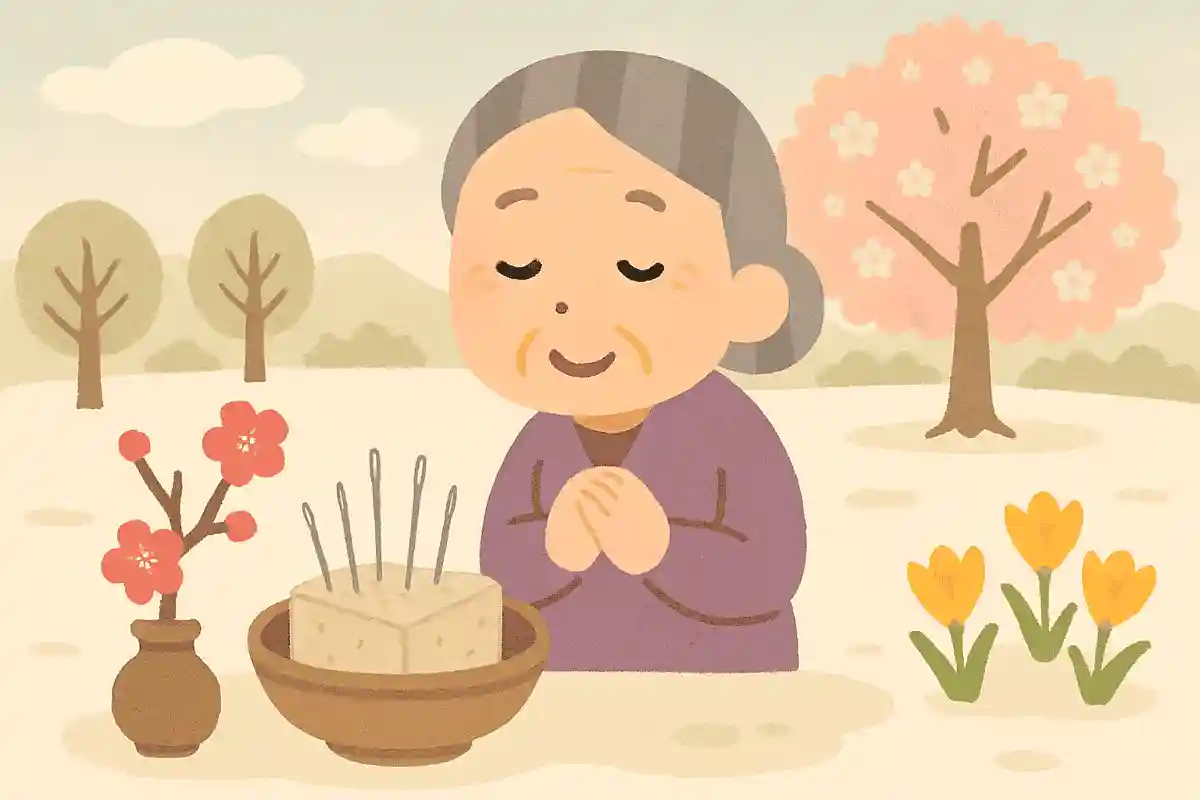
Harikuyo is a memorial service in which broken or worn-out needles are collected and honored.
It is carried out to express gratitude to the needles that have served us well.
People also pray for improvement in sewing skills and for safety in needlework.
Because Harikuyo is held every year on February 8, it is known in the world of haiku as a seasonal word for February.
“Itazura ni” means “in vain” or “to no purpose,” and “furiyuku” means “to grow old” or “to become worn with time.” In this haiku by Takahashi Awajijo, the poet depicts performing Harikuyo with gratitude for the needles that, through sewing, became uselessly old and eventually broke.

First Horse Day— even old banners count among the things that matter.Takahashi Awajijo
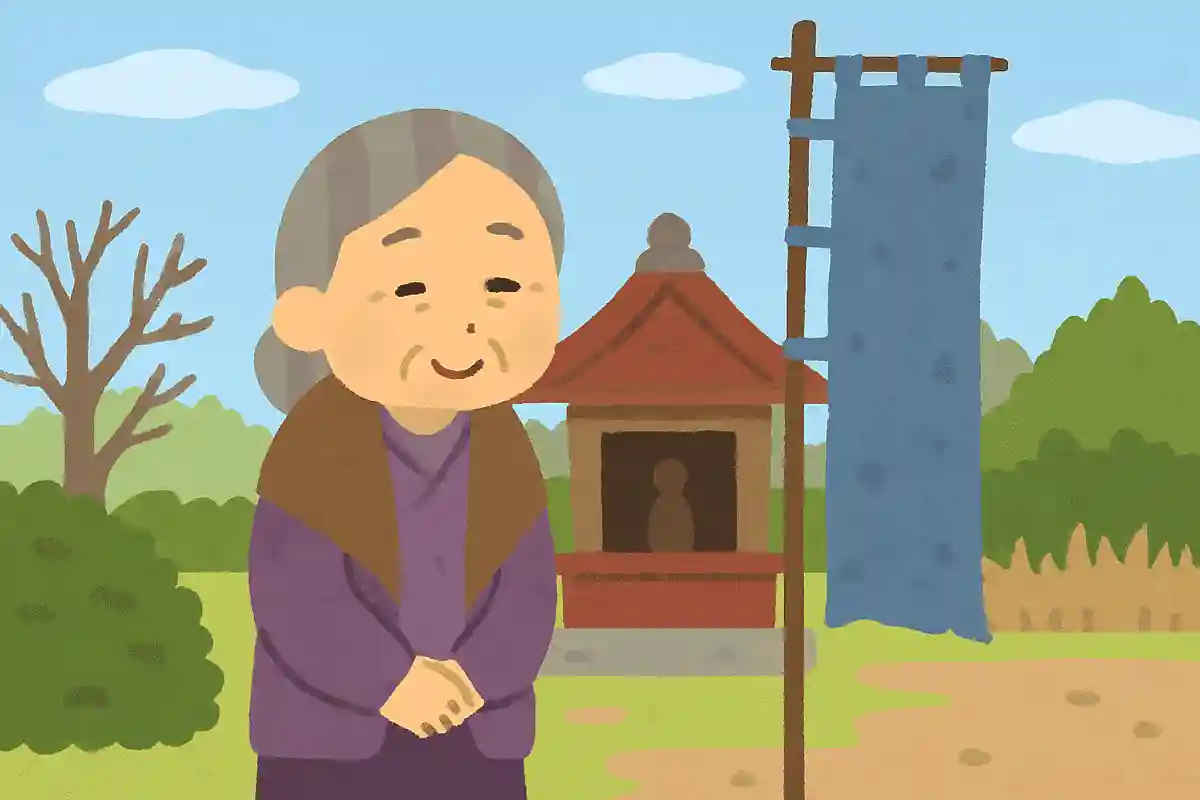
Hatsu-uma is a spring season word, referring to the festival held at Inari shrines on the first Day of the Horse in February.
Deriving from “ine-nari, inari,” meaning rice bearing grain, Hatsu-uma festivals have been held at Inari shrines across Japan to pray for abundant harvests and prosperous business.
Although it falls in February by the modern calendar, the Hatsu-uma counted by the old lunar calendar comes in a somewhat warmer, more springlike period than February, so perhaps this verse was composed during a visit in that mild spring weather.
“Nobori” is read nobori and means a vertical banner erected as a marker.
You can picture many old banners lined up at the shrine where Hatsu-uma is being held, announcing the event.
Behind the willow with the nightingale, before the thicketMatsuo Bashō
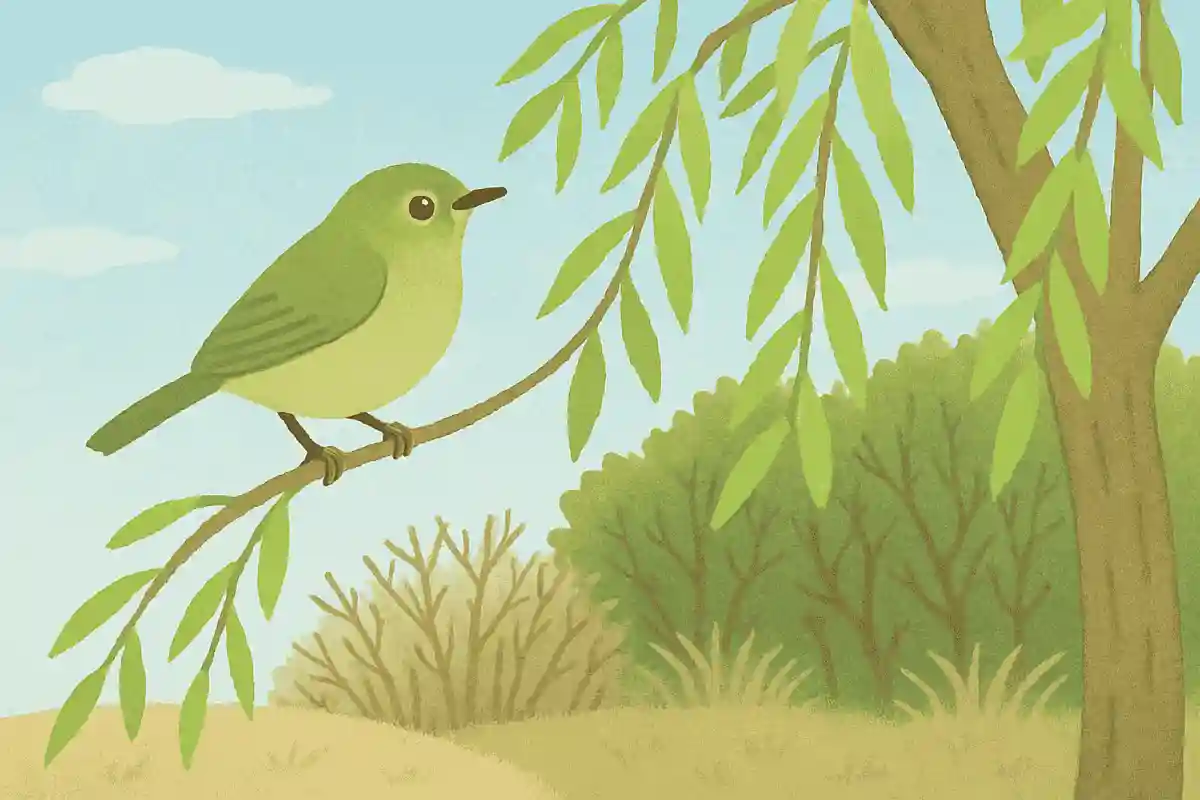
It’s a haiku that conjures up the image of a restless nightingale flitting behind the willows and popping out in front of the thicket.
The nightingale, also called the harbinger of spring, is often depicted as a quintessential symbol of the season—like “plum blossoms and nightingale.” So we tend to think of it as a graceful creature, but in reality it moves around quite a lot.
This haiku captures the nightingale just as it is, almost like a live commentary on the bird right before your eyes.
Just imagining it brings a gentle smile—what a lovely piece.

For Seniors: Haiku for February — A Collection of Masterpieces Depicting Scenes from Winter to Spring (11–20)
Warbler— nor am I distant from the February well-wishers.Sei-sei Matsuse
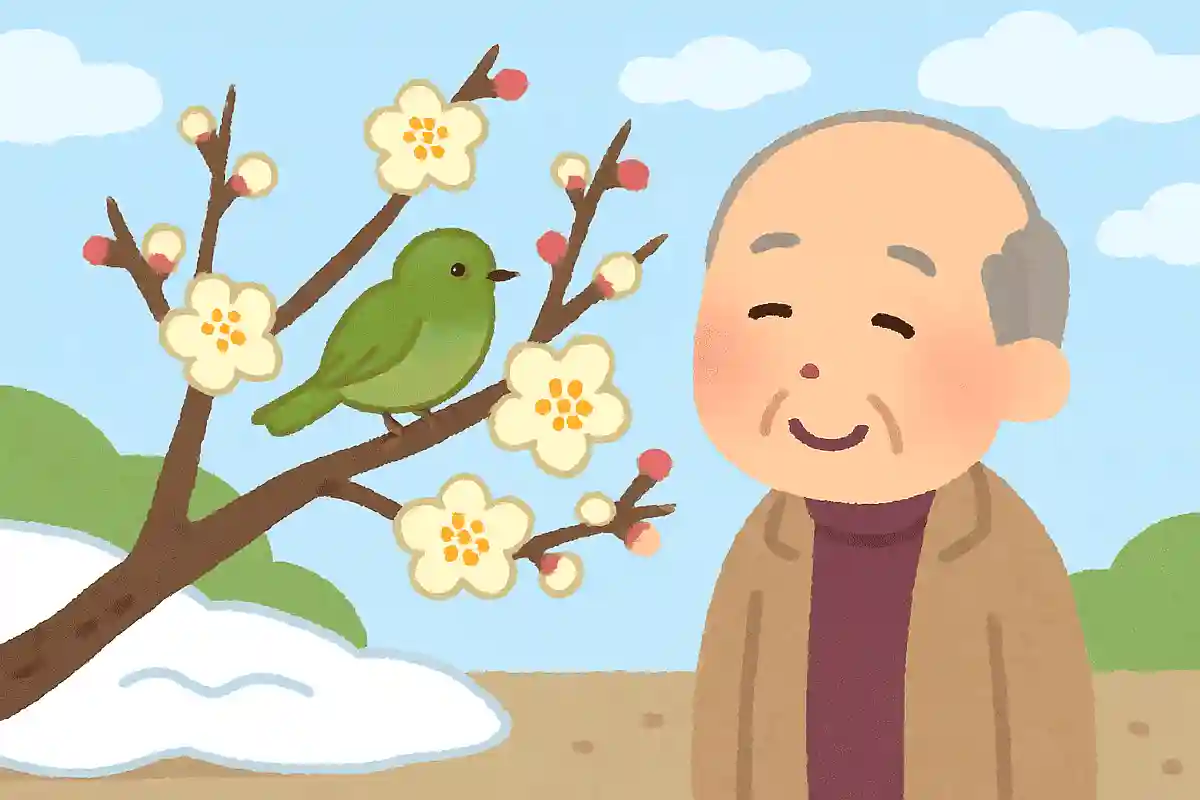
It’s common to exchange New Year’s greetings during the New Year holiday, but in the past there was a custom called “February visitors,” where people who were busy at that time would make their rounds and offer greetings later.
This work depicts the scene in early spring, when bush warblers appear, of those February visitors arriving.
The phrase at the end, “sokarazu,” means “not neglecting” or “not being remiss.” It conveys how people welcomed those who came to greet them politely, even if belatedly, and treated them with courtesy.
Although this custom is fading in modern times, such scenes may once have been considered one aspect of the spring atmosphere.
In the white plum blossoms, a soul enters—oh, moonlit nightMasaoka Shiki
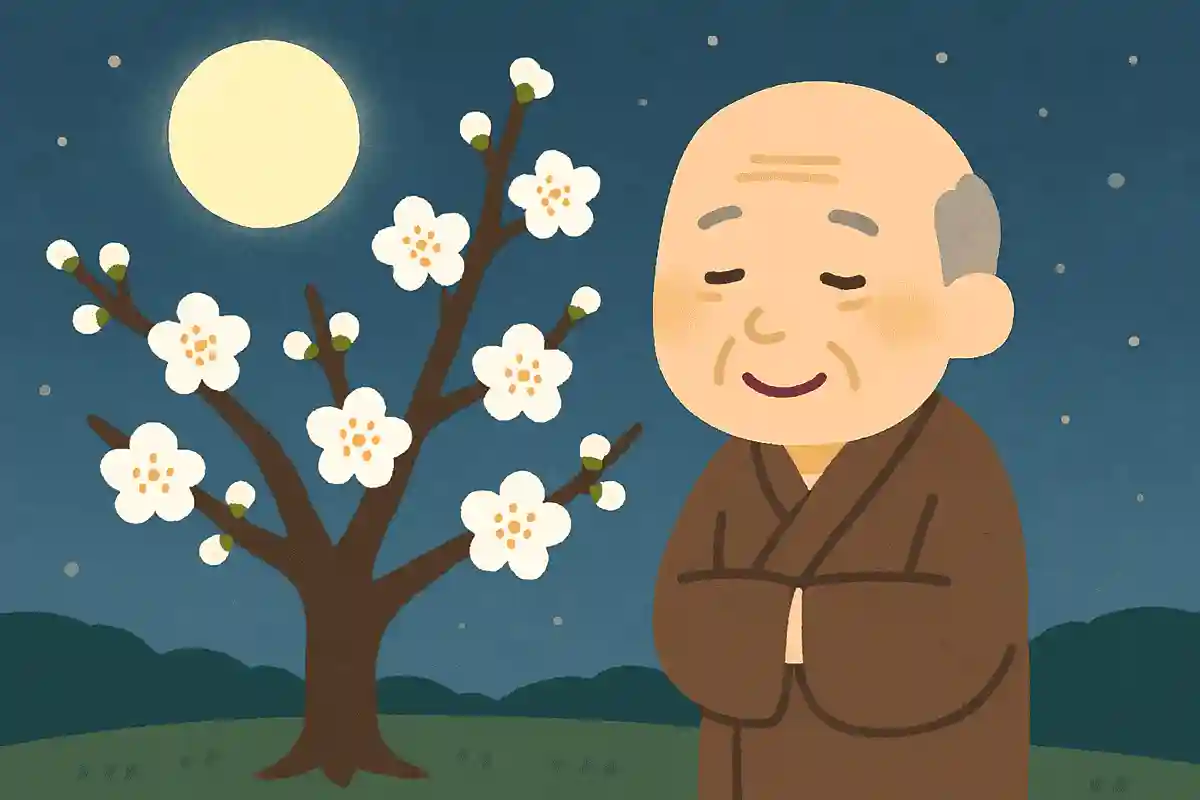
Tamashii-iri refers to a ritual in which a spirit is enshrined into a mortuary tablet placed in a Buddhist altar—also called a kaigen kuyō (eye-opening consecration).
In this verse, it’s not a tablet but white plum blossoms, which are a seasonal word, that seem to be imbued with a soul, their beauty standing out under the moonlit night.
It means they are as beautiful as if a soul had entered them, and the emotion felt upon seeing them comes through directly.
White plum blossoms are known as harbingers of spring, with their peak viewing season around February to March.
Plum blossoms are generally of two types: red (kōbai) and white (shira-ume).
You can tell which tree it is by cutting and looking at the cross section—the color differs, I’m told.
Bush warbler—no one here to wake me from my morning slumber.Masaoka Shiki
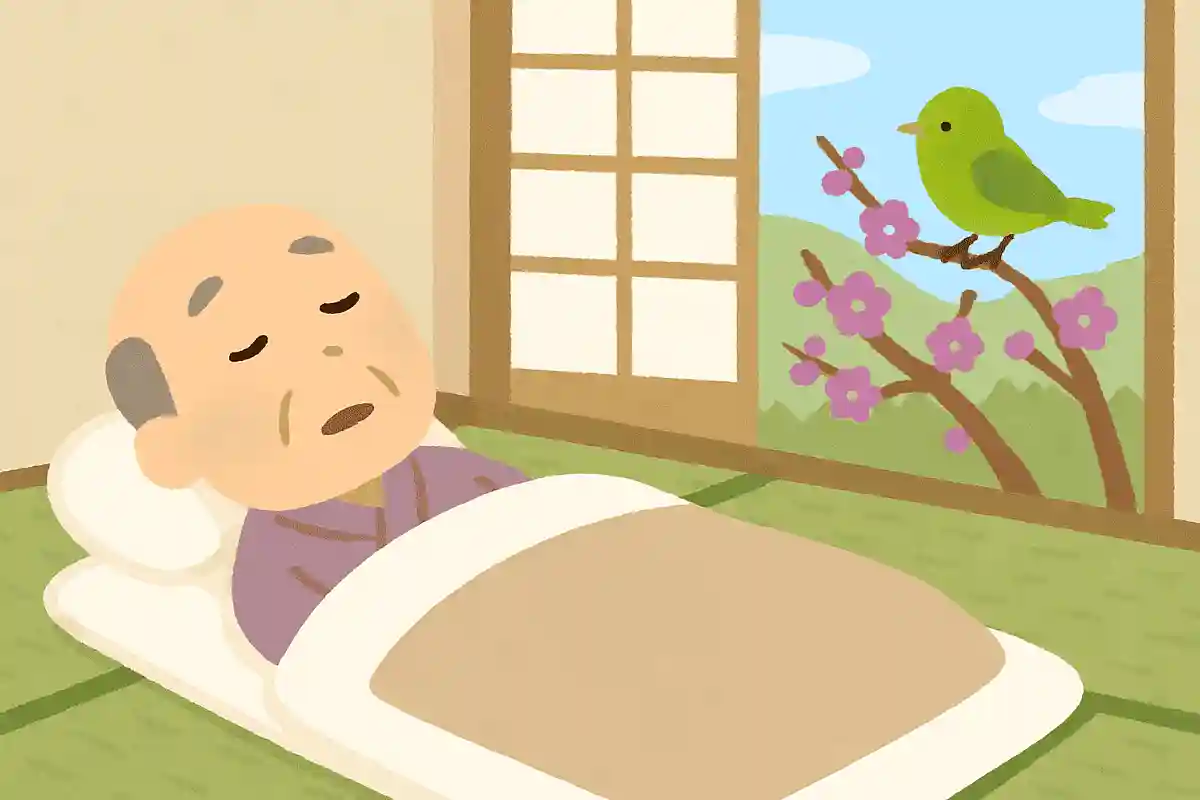
This is a work by Masaoka Shiki in which the bush warbler, a quintessential bird of spring, is used as a seasonal word.
It describes waking up to the song of a bush warbler because no one was there to rouse the speaker in the morning.
We often wake to an alarm clock or a mother’s “Time to get up!” don’t we? Waking to a bush warbler, a little removed from that everyday routine, feels like a luxurious morning touched by a gentle, unhurried atmosphere.
The bush warbler’s call is famously “Hō-hokekyō,” but in spring you can also hear it still practicing.
Listening as its song gradually improves is one of the pleasures of the season.
On the first Horse Day, sunlight falls on the seed sellersYosa Buson
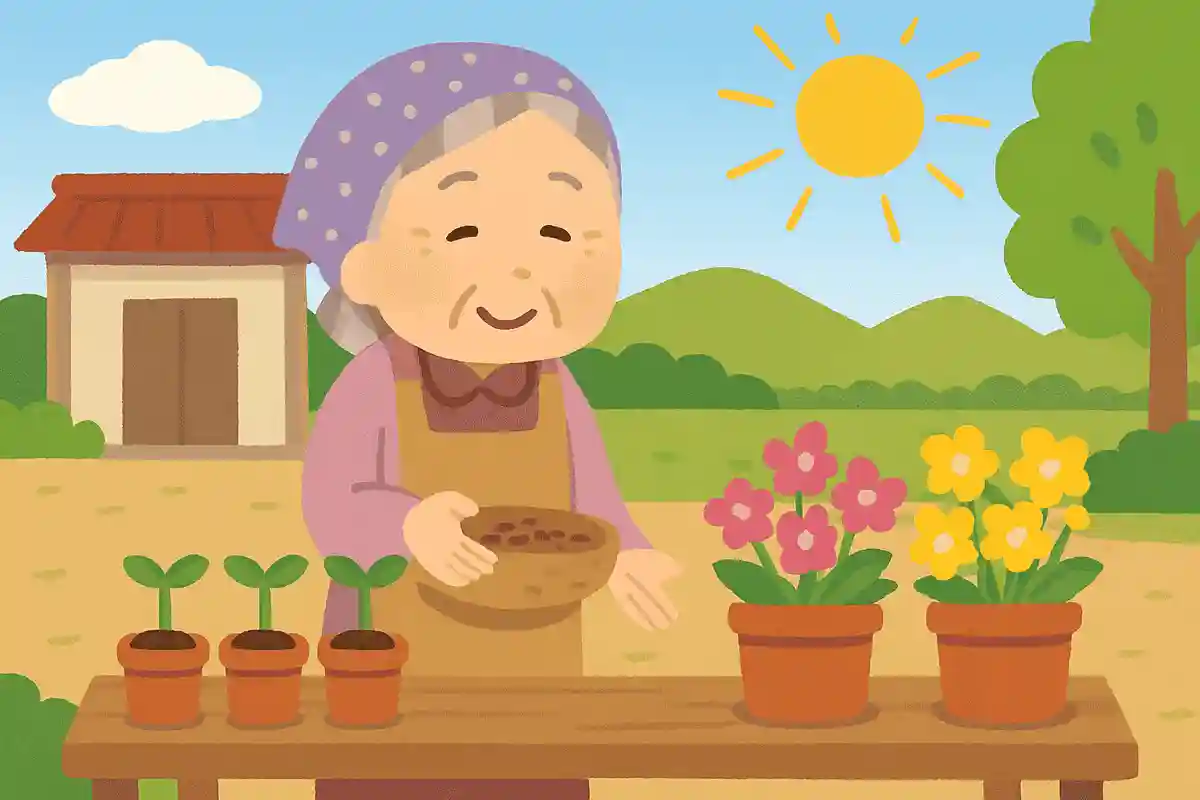
Hatsuuma refers to the Day of the Horse that falls at the beginning of February, and because it marks the enshrinement of the Inari deity, it is known as a day when festivals are held at Inari shrines nationwide.
These festivals are meant to pray for abundant harvests and thriving business.
That’s why the seed sellers on this day may seem to be basking in bright sunshine.
Hatsuuma is also a seasonal word for spring, so it may convey the warm, lively atmosphere that awaits beyond the cold winter.
This is a well-known haiku that uses Hatsuuma, so please feel free to remember it.