

[For Seniors] Haiku for February: A Collection of Famous Verses Depicting the Transition from Winter to Spring

It’s still quite cold in February, but with plum blossoms beginning to open and birdsong in the air, you can start to sense the coming of spring bit by bit, can’t you? Let’s savor some verses that capture scenes of February.
For older adults, haiku can be a way to experience the changing seasons with all five senses and to retrace old memories.
The biting cold wind, the thawing snowy landscape, the flower buds just beginning to swell—using the famous verses introduced here as a guide, try composing a haiku that can only be written at this time of year.
We hope you’ll enjoy putting into words the small discoveries found in everyday life.
- [For Seniors] Winter Haiku: Introducing Beautiful Masterpieces by Famous Haiku Poets
- [For Seniors] Famous Haiku About January: Learn New Year Season Words and Tips for Composing
- [For Seniors] Haiku for March: Enjoying a Spring Moment with Famous Verses
- [For Seniors] Famous Haiku for December: Masterpieces Depicting Winter Scenes and Year-End Moments, Plus Tips on How to Compose Them
- [For Seniors] Interesting spring haiku: introducing verses with striking kigo and unique expressions
- [For seniors] Classic winter kigo. Compose a verse with your favorite seasonal word.
- [For Seniors] February Songs You’ll Want to Hum: Enjoy Winter with Nostalgic Classics
- [For Seniors] Spring Haiku. Spring Activity
- [For seniors] Classic spring kigo: beautiful words that evoke the season
- [For Seniors] A Collection of Famous Autumn Haiku: Introducing Beautiful Verses That Evoke Vivid Scenery
- [For Seniors] Evoking autumn scenes: Introducing beautiful haiku for October
- [For Seniors] Haiku Introductions for May: A Fun Recreation Activity
- [For Seniors] February Trivia: Useful Knowledge
For Seniors: February Haiku — A Collection of Famous Verses Depicting the Transition from Winter to Spring (21–30)
Fujibashi— a pregnant deer, heavy with life, crossing overTakai Igikasu
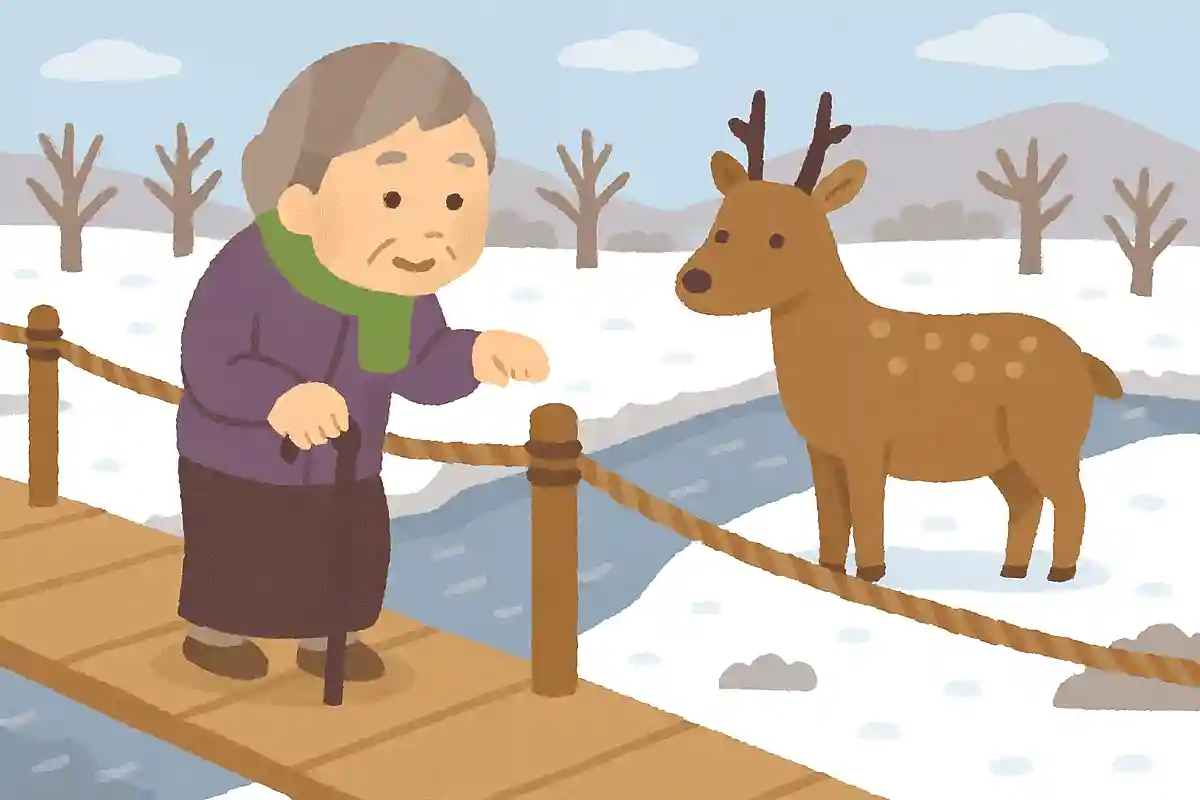
I’ve heard that deer usually give birth around summer.
By February or March, a mother deer’s belly is swollen enough that you can tell she’s carrying a fawn.
Even in the wild, February is a season when the cold is keenly felt.
Mother deer are surely braving the chill as if to protect the young in their wombs.
Although this sensitivity has been fading in modern Japan, people once sensed the changing seasons by observing plants and animals.
Through writing haiku, it might be interesting to join older adults in searching for traces of the four seasons in familiar, everyday places.

On thin ice, the grasses part — the water’s edge.Kyoshi Takahama
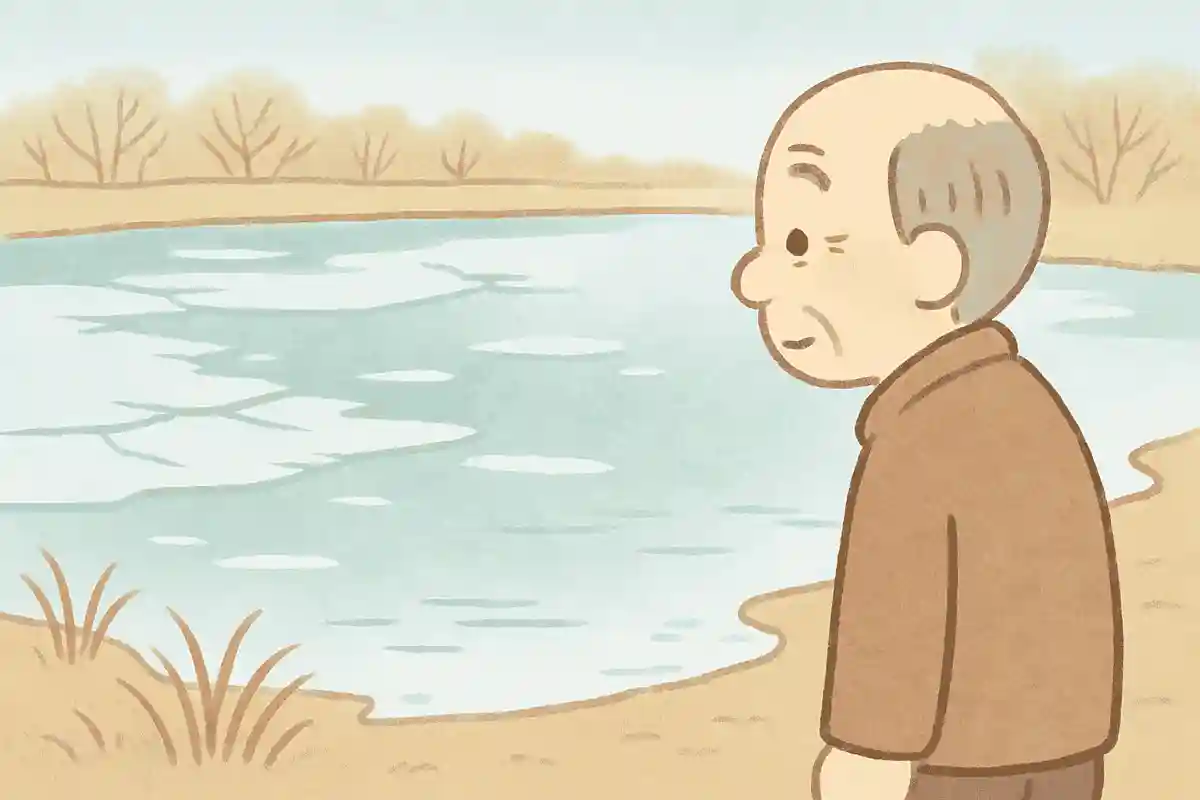
It’s a haiku that depicts the scene of thin ice melting to reveal the grasses growing by the water’s edge.
“Thin ice” here doesn’t mean the thick ice seen in winter, but the delicate sheet of ice that forms in early spring.
Perhaps you remember, as a child, breaking that flimsy ice that would melt quickly in the sunlight.
Thin ice used to be a winter seasonal word, but from the Meiji era onward it came to be used as a spring kigo.
The verse gives a fleeting, delicate impression while also conveying a sense of warmth and softness.

In conclusion
February haiku carry a delicate sensitivity that detects signs of spring even amid the harsh cold. Together with older adults, let’s look for familiar changes in nature—plum blossoms, thin ice, the song of the bush warbler. As you savor the shifting seasons through haiku, may you enjoy a gentle time filled with nostalgic stories.