

[For Seniors] Haiku for February: A Collection of Famous Verses Depicting the Transition from Winter to Spring

It’s still quite cold in February, but with plum blossoms beginning to open and birdsong in the air, you can start to sense the coming of spring bit by bit, can’t you? Let’s savor some verses that capture scenes of February.
For older adults, haiku can be a way to experience the changing seasons with all five senses and to retrace old memories.
The biting cold wind, the thawing snowy landscape, the flower buds just beginning to swell—using the famous verses introduced here as a guide, try composing a haiku that can only be written at this time of year.
We hope you’ll enjoy putting into words the small discoveries found in everyday life.
- [For Seniors] Winter Haiku: Introducing Beautiful Masterpieces by Famous Haiku Poets
- [For Seniors] Famous Haiku About January: Learn New Year Season Words and Tips for Composing
- [For Seniors] Haiku for March: Enjoying a Spring Moment with Famous Verses
- [For Seniors] Famous Haiku for December: Masterpieces Depicting Winter Scenes and Year-End Moments, Plus Tips on How to Compose Them
- [For Seniors] Interesting spring haiku: introducing verses with striking kigo and unique expressions
- [For seniors] Classic winter kigo. Compose a verse with your favorite seasonal word.
- [For Seniors] February Songs You’ll Want to Hum: Enjoy Winter with Nostalgic Classics
- [For Seniors] Spring Haiku. Spring Activity
- [For seniors] Classic spring kigo: beautiful words that evoke the season
- [For Seniors] A Collection of Famous Autumn Haiku: Introducing Beautiful Verses That Evoke Vivid Scenery
- [For Seniors] Evoking autumn scenes: Introducing beautiful haiku for October
- [For Seniors] Haiku Introductions for May: A Fun Recreation Activity
- [For Seniors] February Trivia: Useful Knowledge
For Seniors: Haiku for February — A Collection of Masterpieces Depicting Scenes from Winter to Spring (11–20)
The nightingale, shining in the sun, moves from branch to branch.Genseki Tei
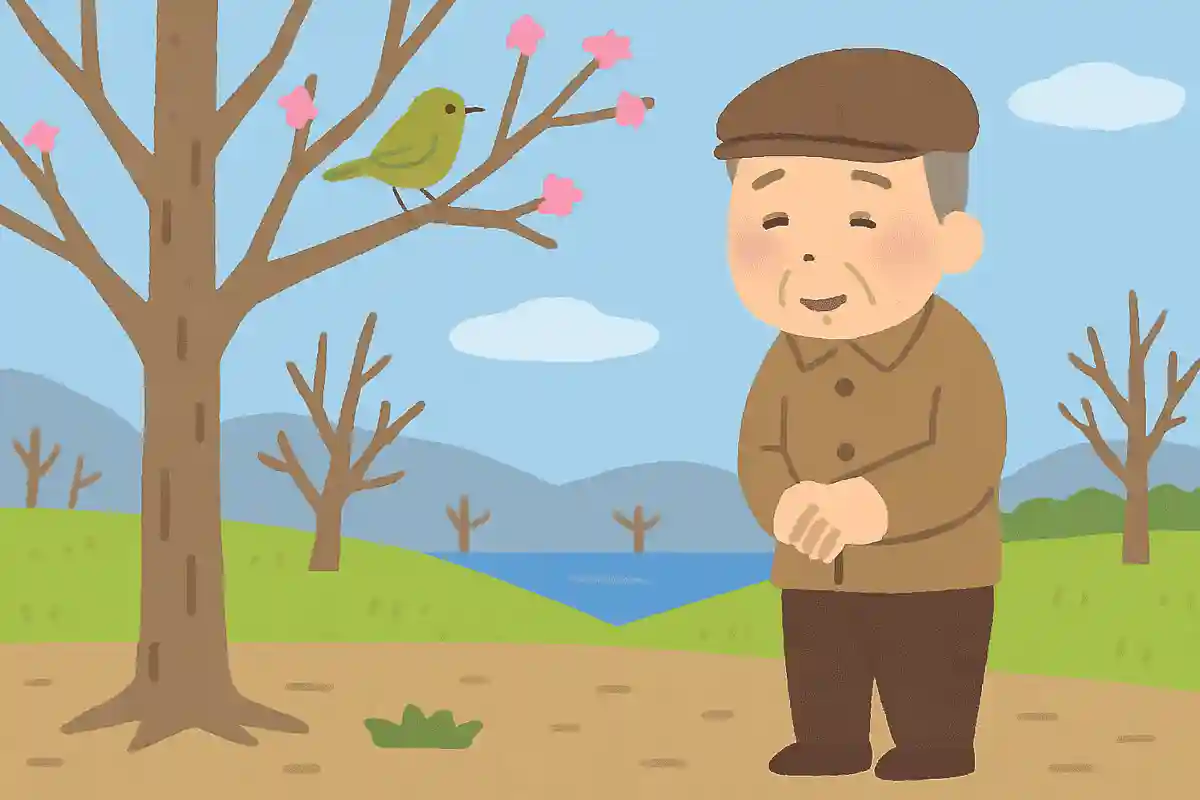
The bush warbler, known for its distinctive “hoo-hokekyo” call, is a bird that evokes the arrival of spring.
February is still a cold time of year, yet it’s also a season when you can feel warmth in the sunlight.
Seeing a bush warbler perched on a tree, basking in the sun, suggests that spring’s gentle warmth is drawing near through the chilly air.
Let’s try composing haiku that capture the atmosphere of February—the month between winter and spring—as experienced by older adults.
It can also be an opportunity to reflect on memories of February from years past.

Snow has melted— the whole village full of childrenKobayashi Issa
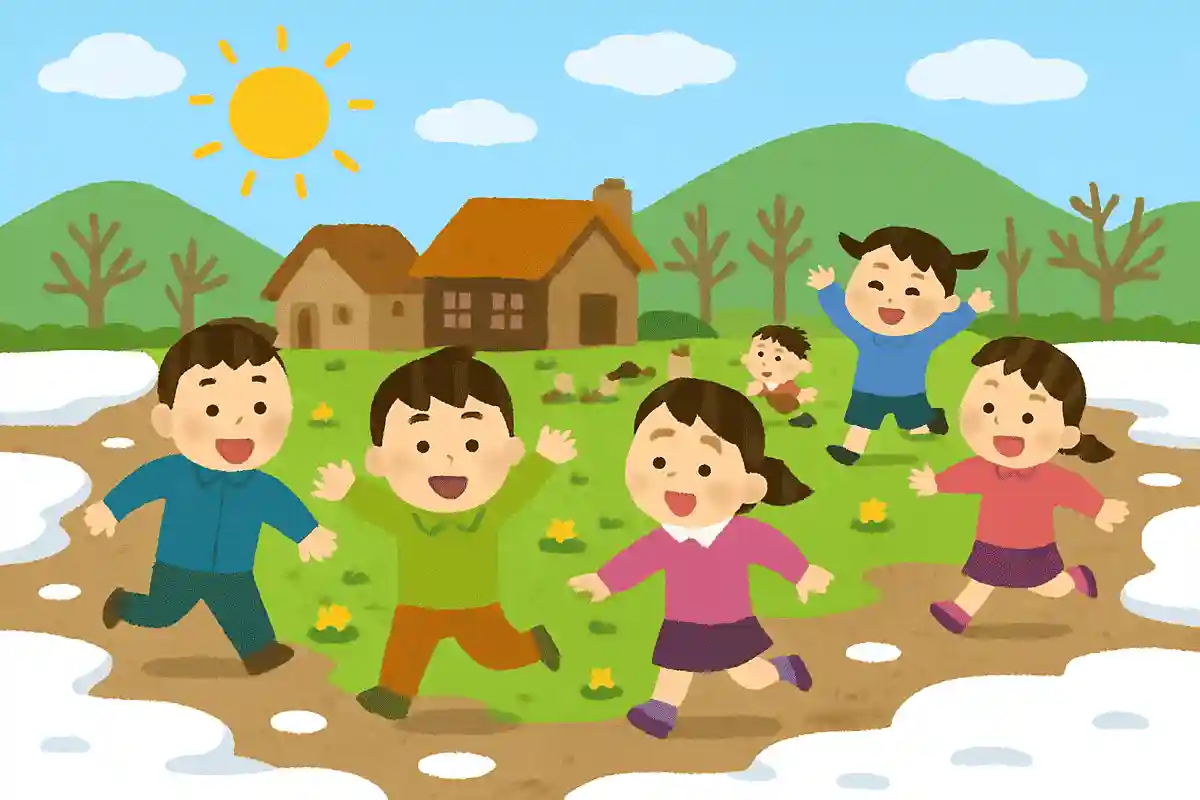
When we see children being lively, it can feel as if we ourselves are energized just by watching them.
Kobayashi Issa, who composed haiku, may have felt the same way.
In Japan, there used to be many more problems related to living conditions and food than there are today.
In regions with heavy snowfall, it is said that many people lost their lives to cold and hunger during the winter.
You can sense the joy of warmer days arriving and of being able to see healthy, spirited children again.
Some older people may have been born and raised in areas of heavy snow.
Let’s ask them about winter life unique to such snowy regions.
A single plum blossom—just enough warmth for one.Aran-seki Hattori
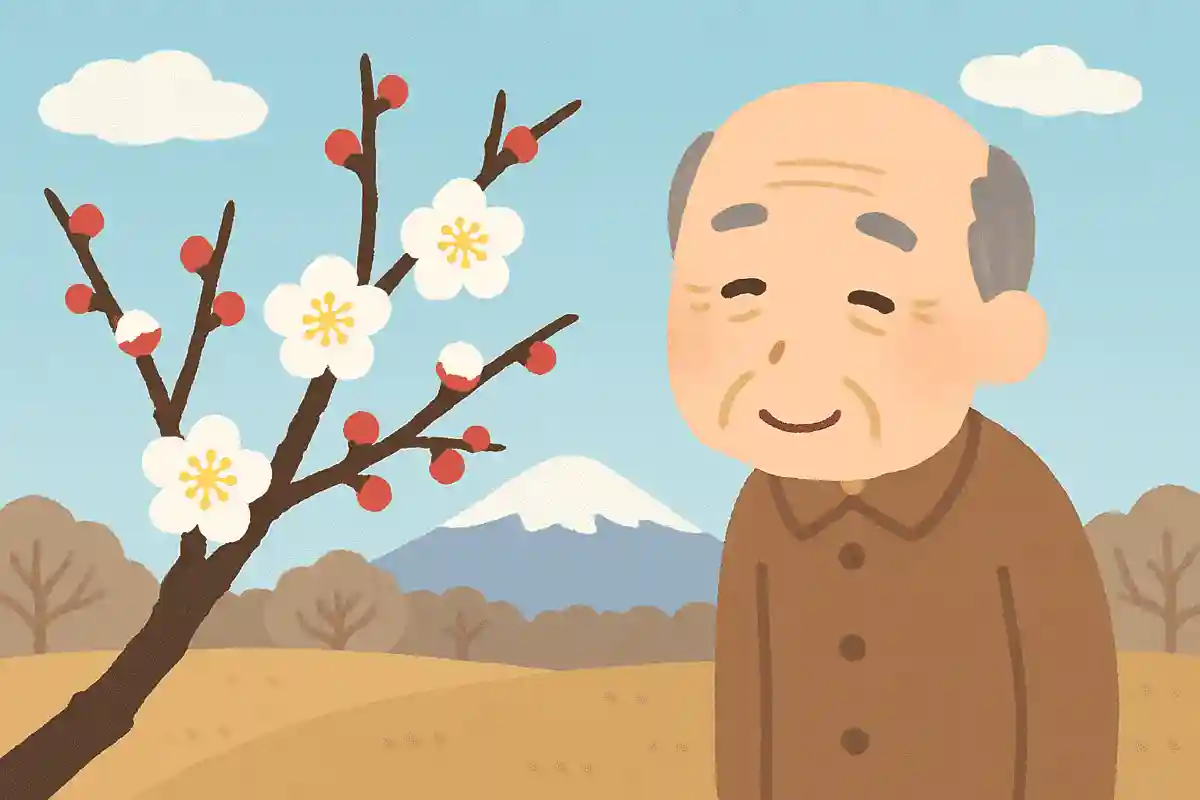
February often brings cold winds, yet even in such conditions, plum blossoms begin to bloom.
Even when we feel the chill, some people may sense a “gentle warmth,” and the sight of plum blossoms, as if announcing the arrival of spring, can make their hearts leap.
Besides plum blossoms, camellias and early-blooming cherry blossoms also flower in February.
If you’re with an older person who loves flowers, they might be able to tell you more in detail.
It could be nice to enjoy composing haiku together while having that kind of conversation.
A touch of snow moistens the crimson of the red plum blossoms.Takashi Matsumoto
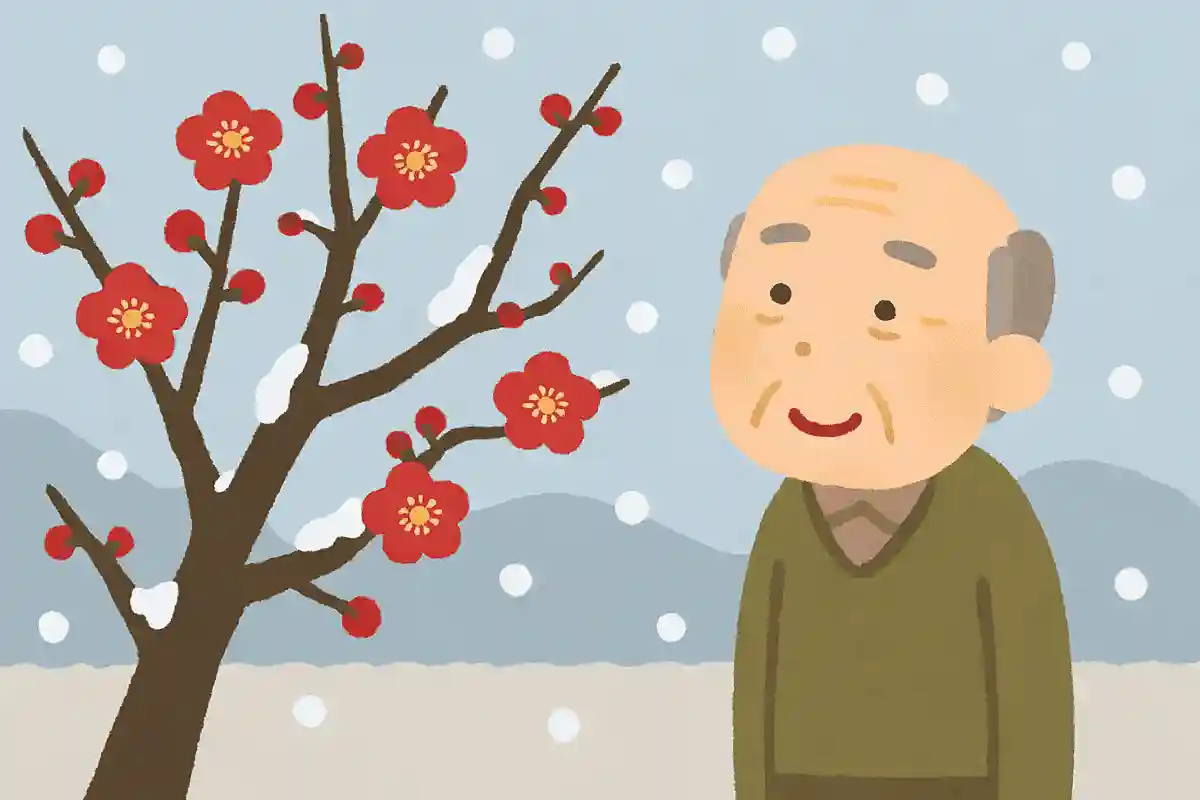
The blooming season for red plum blossoms is said to be around January to March, and in some regions it may still be snowing.
This verse suggests that one reason for the vividness of the red plum blossoms lies in the white snow.
When you imagine snow piling up on the bright red blossoms, the contrast certainly makes them stand out even more.
It’s a line that lets you picture a scene that’s almost dreamlike.
Although February is considered spring on the calendar and some may be eagerly awaiting its warmth, I hope this haiku will inspire you to savor the beautiful scenery that can only be seen now.

A lone, snow-capped peak marks the borderMasaoka Shiki
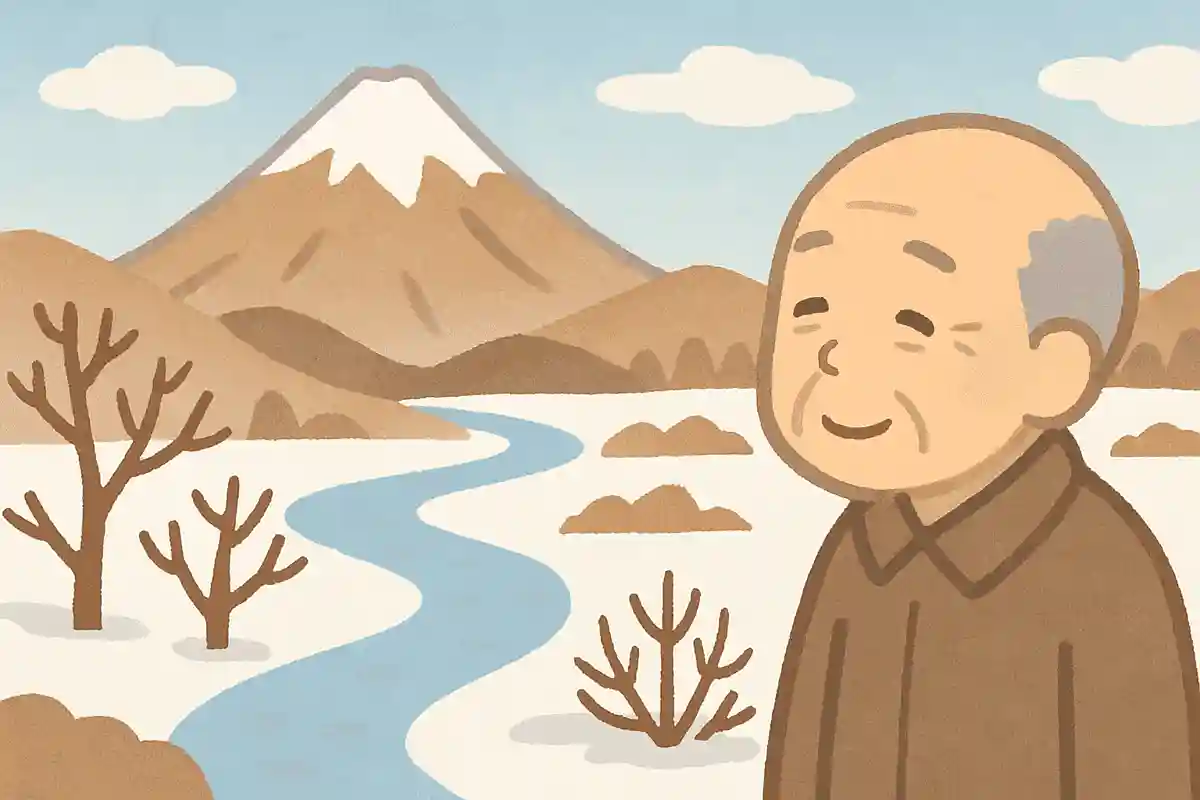
During the winter, snow accumulates on the mountains, and in some places they become snow-capped, don’t they? Lately, people say there’s a lack of snow, so some may find it hard to picture snowy mountains.
When the snow that piled up on the mountains melts and disappears, you can feel that spring has arrived.
In early spring, you can often see the snow melted around the mountain’s base while only the summit remains snow-covered.
Even when it still feels cold, the seasons steadily turn and change.
Noticing these small, everyday signs of the seasons could also be useful in conversations with older adults.
Riddle play of the coughing child—endless and unresolved.Teijo Nakamura
The haiku “Seki no ko no / nazo nazo asobi / kiri mo naya” (“A coughing child / playing riddles— / it never ends”) was written by Nakamura Teijo, a leading female haiku poet of the Showa era.
Teijo often wrote about everyday life, and you can feel her perspective as a woman in this haiku as well.
The seasonal word (kigo) is “cough,” and related kigo include chapped skin, colds, and frostbite.
The poem depicts a child with a cold, coughing under the covers, yet still playing riddles; even if the mother thinks of stopping, the child keeps asking and it feels endless.
You can sense a parent’s tender feelings from the haiku.
Older adults with children may have had similar experiences.
For Seniors: February Haiku — A Collection of Famous Verses Depicting the Transition from Winter to Spring (21–30)
The crescent moon bends; in the cold, even the tree frogs grow sharp.Kobayashi Issa
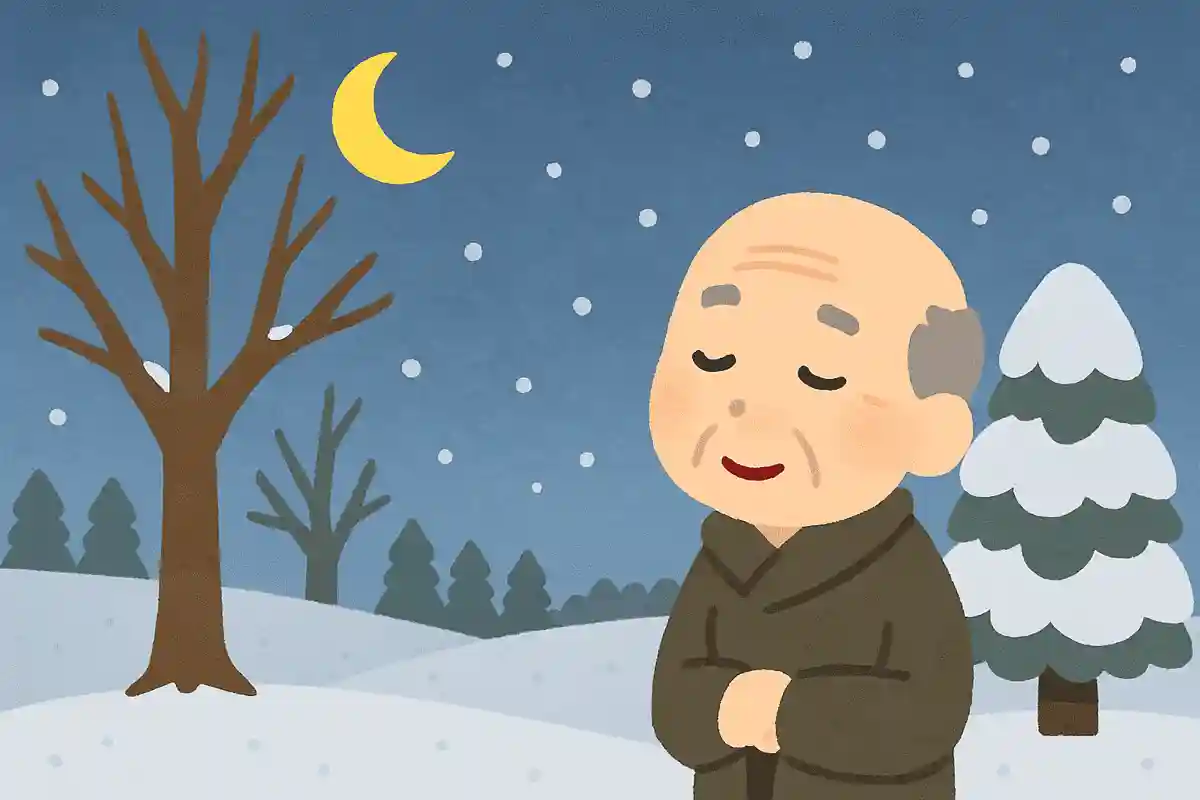
On the calendar, February is spring, but in reality the cold is still severe, and there are many regions where it even snows.
This haiku is said to be about such harsh cold.
The seasonal word is “saegae-ru,” which refers to the cold snapping back just when it seems to be warming up in early spring.
And when we think of a crescent moon, we picture a thin, sharp shape—likely evoked here to heighten the sense of cold.
It’s also known that in early spring, the crescent moon can appear sideways like a fishing boat, as the sun’s light strikes it from below.