

[For Seniors] Spring Haiku. Spring Activity

Spring is a season that makes us feel new beginnings.
Warm sunshine and colorful flowers come to mind, don’t they?
It’s also a time when we naturally feel like going outside.
Why not enjoy the arrival of spring through haiku?
Haiku is a uniquely Japanese art that expresses seasonal scenery and feelings in a 5-7-5 rhythm.
Especially for older adults, weaving words while reminiscing about the past can help stimulate the brain.
Why not challenge yourself to joyfully compose haiku while feeling the beauty of spring?
- [For Seniors] Haiku for March: Enjoying a Spring Moment with Famous Verses
- [For seniors] April haiku. Exciting
- [For Seniors] Winter Haiku: Introducing Beautiful Masterpieces by Famous Haiku Poets
- [For Seniors] Spring Songs You'll Want to Hum: Feel the Season with Nostalgic Classics
- [For Seniors] Introducing Whiteboard Activities That Liven Up Spring!
- Spring Event Quiz for Seniors to Enjoy in March
- [For Seniors] Making a March Calendar: Introducing Spring-Themed Motifs and Arrangements
- [For Seniors] Classic spring songs to sing in April: A heartwarming moment with nostalgic children’s songs and kayōkyoku (Japanese popular songs)
- [For Seniors] Interesting spring haiku: introducing verses with striking kigo and unique expressions
- [For seniors] Classic spring kigo: beautiful words that evoke the season
- [For Seniors] Haiku Introductions for May: A Fun Recreation Activity
- [For Seniors] Fun Spring Recreational Activities: A Collection of Games and Play Ideas
- [For Seniors] Haiku for February: A Collection of Famous Verses Depicting the Transition from Winter to Spring
[For Seniors] Spring Haiku. Spring Recreation (21–30)
In the spring breeze, embracing my fighting spirit, I stand upon the hill.Kyoshi Takahama
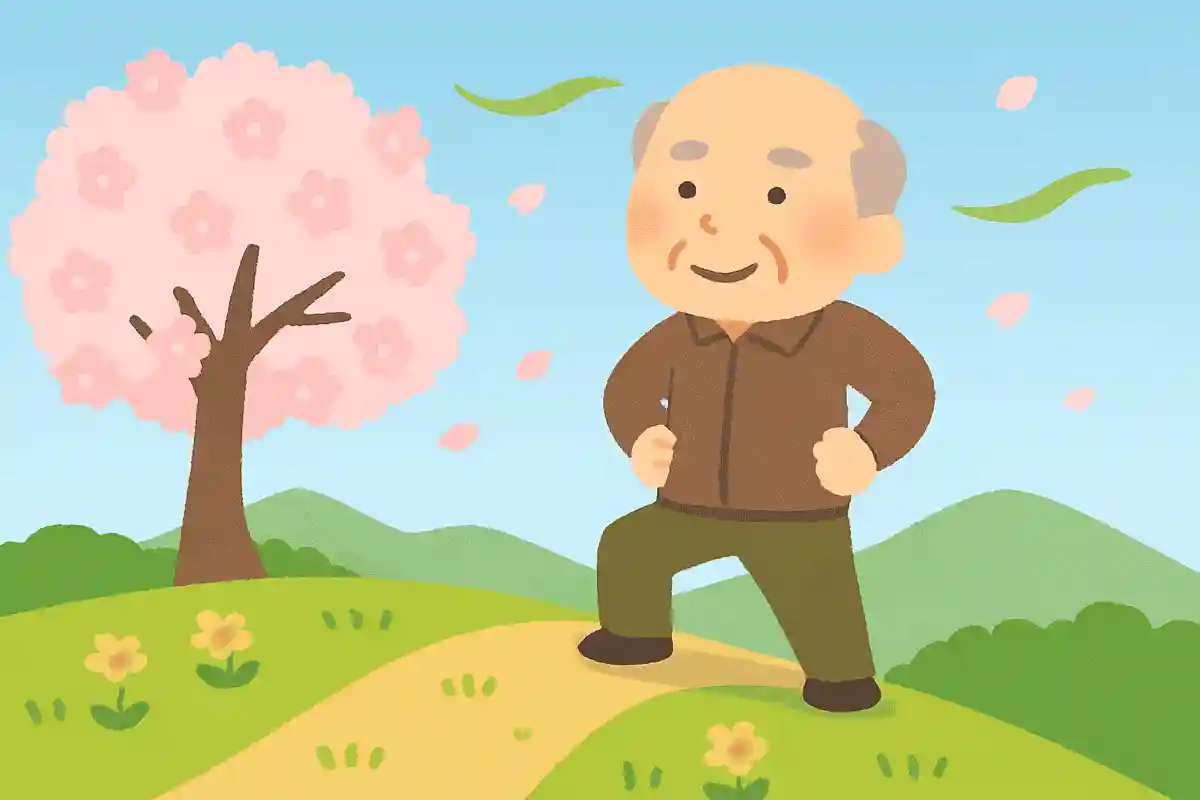
When we think of the spring breeze, it gives a warm and gentle impression, doesn’t it? It’s also the time of year when we graduate from familiar places and dive into new environments.
With that in mind, it starts to feel like a wind that carries many different emotions.
This haiku was written by Takahama Kyoshi.
It’s said that around the time he composed this haiku, he made a certain resolve and took on a new challenge as well.
March marks the period when the new fiscal and school year is about to begin.
Perhaps even older adults are setting goals and dreams.
It might be enjoyable to express those feelings in verse, weaving in seasonal words.

Lights are kindled on the islands—the spring sea
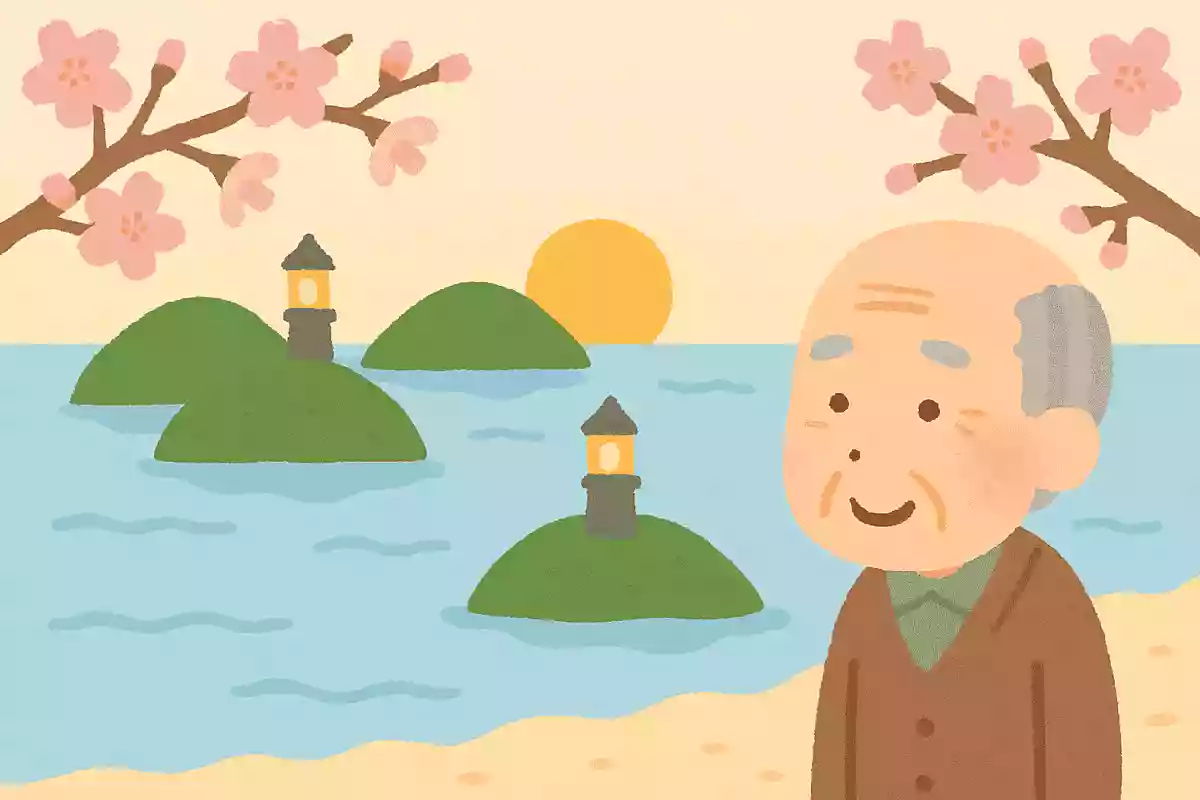
Here is a haiku by Masaoka Shiki that depicts the spring sea growing dim toward evening, while in contrast the lights in the houses on the islands floating in the sea begin to twinkle here and there.
It is said that at this time Shiki was bedridden every day and could scarcely sit up, so it’s unclear whether this scene was imagined, a landscape within his heart, or something he recalled from the past.
If it is a landscape of the heart, one could take it to mean that even as life draws toward dusk, the light within the heart continues to shine brightly.

[For Seniors] Spring Haiku. Spring Recreation (31–40)
A faint sunlight filters through the window—ah, May.
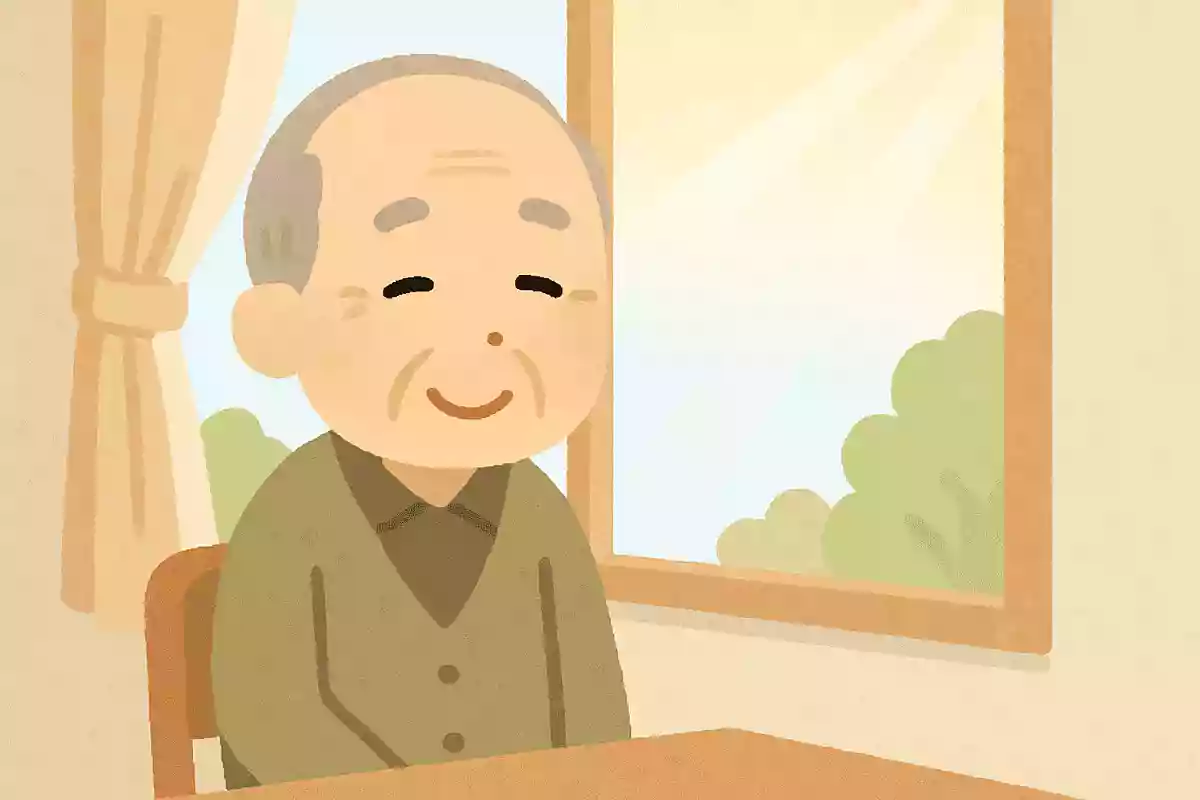
May is a refreshing, comfortable season, isn’t it? Fresh green leaves begin to sprout from the branches of the trees, and you can feel the strength of life.
Unlike winter or spring, the sunlight also grows stronger in this season.
“Thinly, sunlight falls on the window—May.” Masaoka Shiki, who composed this haiku, is said to have written it with May in mind.
You can almost see the glittering sunlight streaming in through the window.
At the same time, however, the poem also reflects Shiki’s condition as he suffered from illness, in contrast to the vigor one senses in May.
Though May is refreshing, it seems it was a difficult season for Shiki.
The playful swelling wind and the carp streamers.
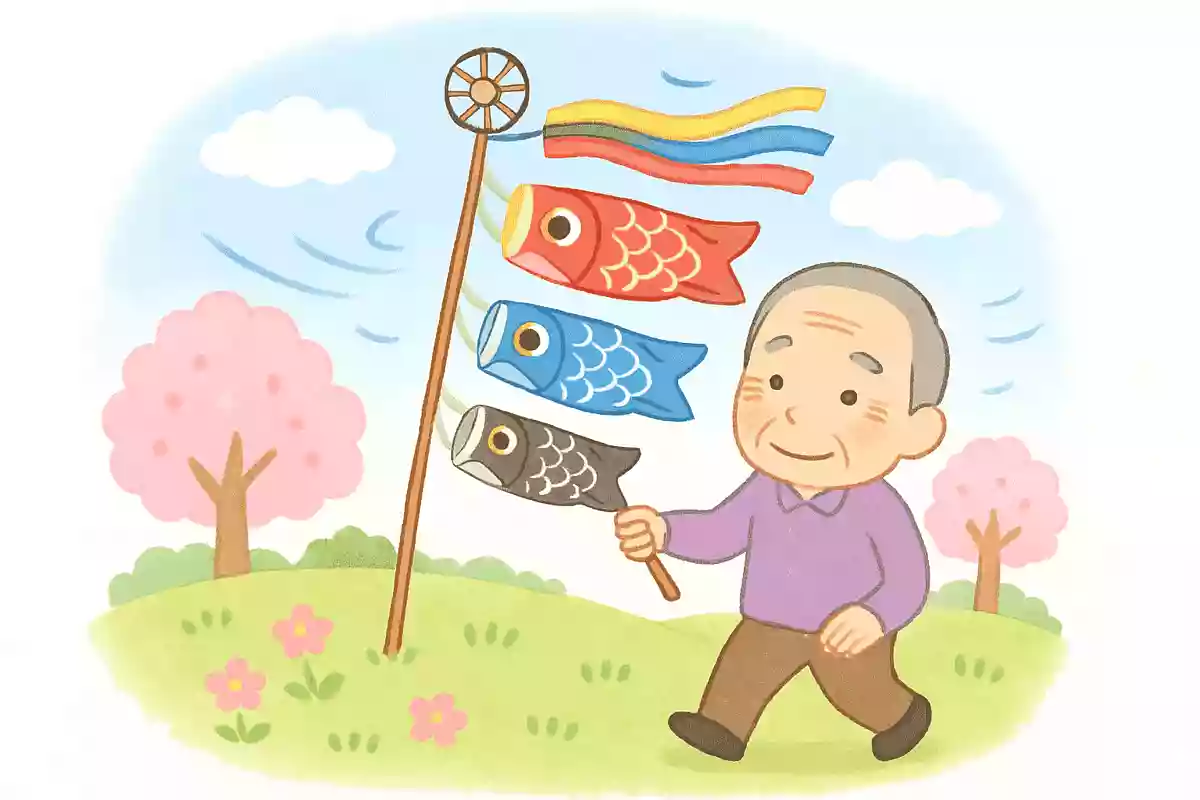
Masaoka Shiki was a haiku poet, tanka poet, and linguist from Ehime Prefecture, and one of the leading literary figures of the Meiji era.
In this verse, he depicts carp streamers that seem to be joyfully swimming as they catch the wind under a clear May sky.
One can almost see the breeze that blows there and the children who are likely delighting in the sight of the streamers.
In contemporary Japan, the custom of displaying carp streamers on Boys’ Day to wish for one’s child’s healthy growth has become less common.
In this modern context, the poem feels like a time slip to a bygone, cherished era, evoking memories of those days.

Mikan grove—looking down at the sea—the end of May

This haiku was composed by Ayako Hosomi, a female haiku poet active from the Taisho to the Showa era.
During the Taisho period, the number of women haiku poets increased, and many haiku closely tied to women’s daily lives were written.
Hosomi composed many haiku that emphasize seasonal sensibility.
“Mikan orchard, looking down on the sea — end of May” also seems to depict everyday life in May.
“Gogatsu-jin” means the last day of May.
The mandarin orange groves are lush with fresh greenery, but from tomorrow it will be June, and the damp season will arrive.
The refreshing days give way to the rainy monsoon and then midsummer.
From “end of May,” we can sense a way of living in step with such changes in nature.
When May arrives, sweet bean candies become a troublesome temptation.
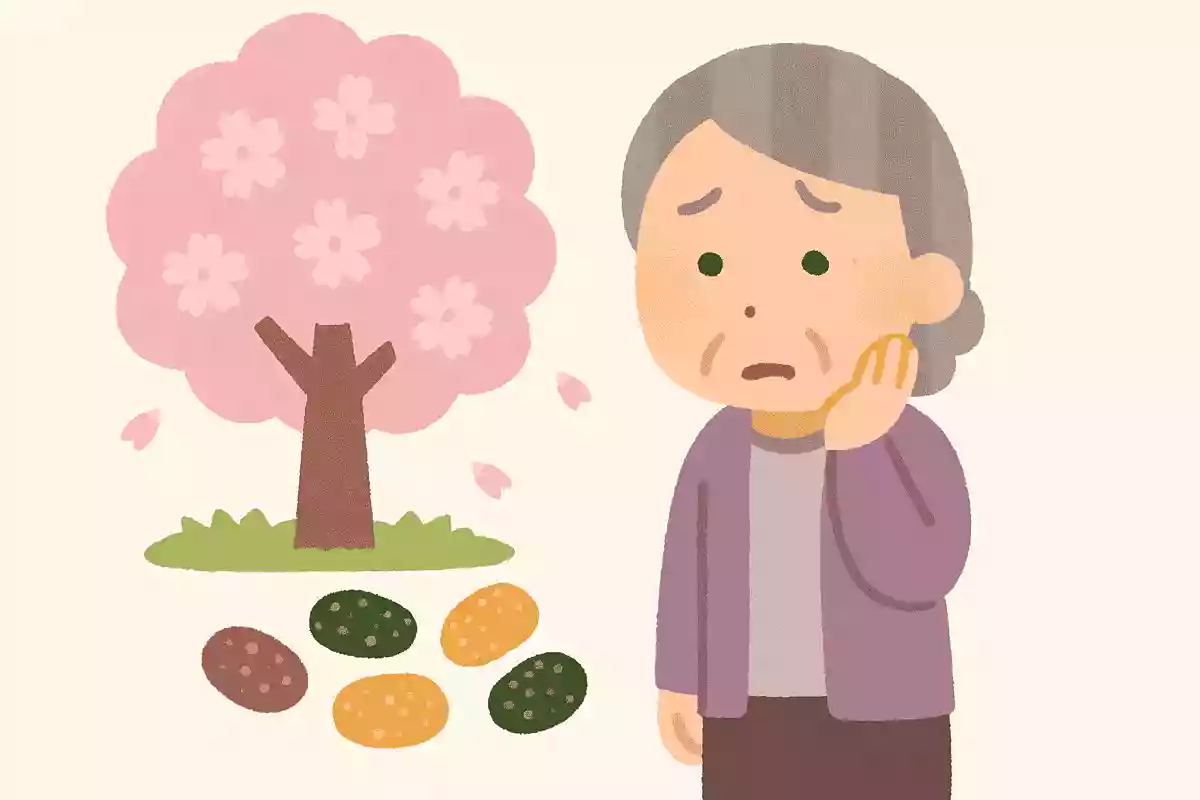
Toshinori Tsubouchi, who composed this haiku, expresses the seasons through amanattō (candied beans).
In addition to May, he wrote haiku featuring amanattō for each of the twelve months.
They’re even known as the “Twelve Amanattō Haiku.” Among them, the one for March—“In March, amanattō, ufufufufu”—is famous.
The March haiku appears in textbooks, but in class the meaning of the haiku is left to each student’s individual interpretation.
As for “May comes, and I’m at a loss—amanattō,” is it a world seen from the perspective of the sweet, soft amanattō, or is it about the people around the amanattō? It might be interesting to think together with older adults about what becomes troublesome in May.
May has come—my heart opens—May has come.
Tatsuko Hoshino was a haiku poet of the Showa era who founded and led Tamamo, the first women-led haiku magazine.
In this haiku, “May” is read as satsuki, a summer season word.
Shoman, one of the 24 solar terms beginning on May 20, marks the time when plants deepen their green and all kinds of life grow more active as full summer approaches.
Perhaps the poem expresses the anticipation of this most comfortable, uplifting time of year.
In modern terms, it might be like saying, “I can’t wait for my beloved May to come.” It seems that, then as now, people have always looked forward to the most pleasant seasons.