

[For Seniors] Spring Haiku. Spring Activity

Spring is a season that makes us feel new beginnings.
Warm sunshine and colorful flowers come to mind, don’t they?
It’s also a time when we naturally feel like going outside.
Why not enjoy the arrival of spring through haiku?
Haiku is a uniquely Japanese art that expresses seasonal scenery and feelings in a 5-7-5 rhythm.
Especially for older adults, weaving words while reminiscing about the past can help stimulate the brain.
Why not challenge yourself to joyfully compose haiku while feeling the beauty of spring?
- [For Seniors] Haiku for March: Enjoying a Spring Moment with Famous Verses
- [For seniors] April haiku. Exciting
- [For Seniors] Winter Haiku: Introducing Beautiful Masterpieces by Famous Haiku Poets
- [For Seniors] Spring Songs You'll Want to Hum: Feel the Season with Nostalgic Classics
- [For Seniors] Introducing Whiteboard Activities That Liven Up Spring!
- Spring Event Quiz for Seniors to Enjoy in March
- [For Seniors] Making a March Calendar: Introducing Spring-Themed Motifs and Arrangements
- [For Seniors] Classic spring songs to sing in April: A heartwarming moment with nostalgic children’s songs and kayōkyoku (Japanese popular songs)
- [For Seniors] Interesting spring haiku: introducing verses with striking kigo and unique expressions
- [For seniors] Classic spring kigo: beautiful words that evoke the season
- [For Seniors] Haiku Introductions for May: A Fun Recreation Activity
- [For Seniors] Fun Spring Recreational Activities: A Collection of Games and Play Ideas
- [For Seniors] Haiku for February: A Collection of Famous Verses Depicting the Transition from Winter to Spring
[For Seniors] Spring Haiku. Spring Recreation (21–30)
I wish to be born as small as a violet.Soseki Natsume
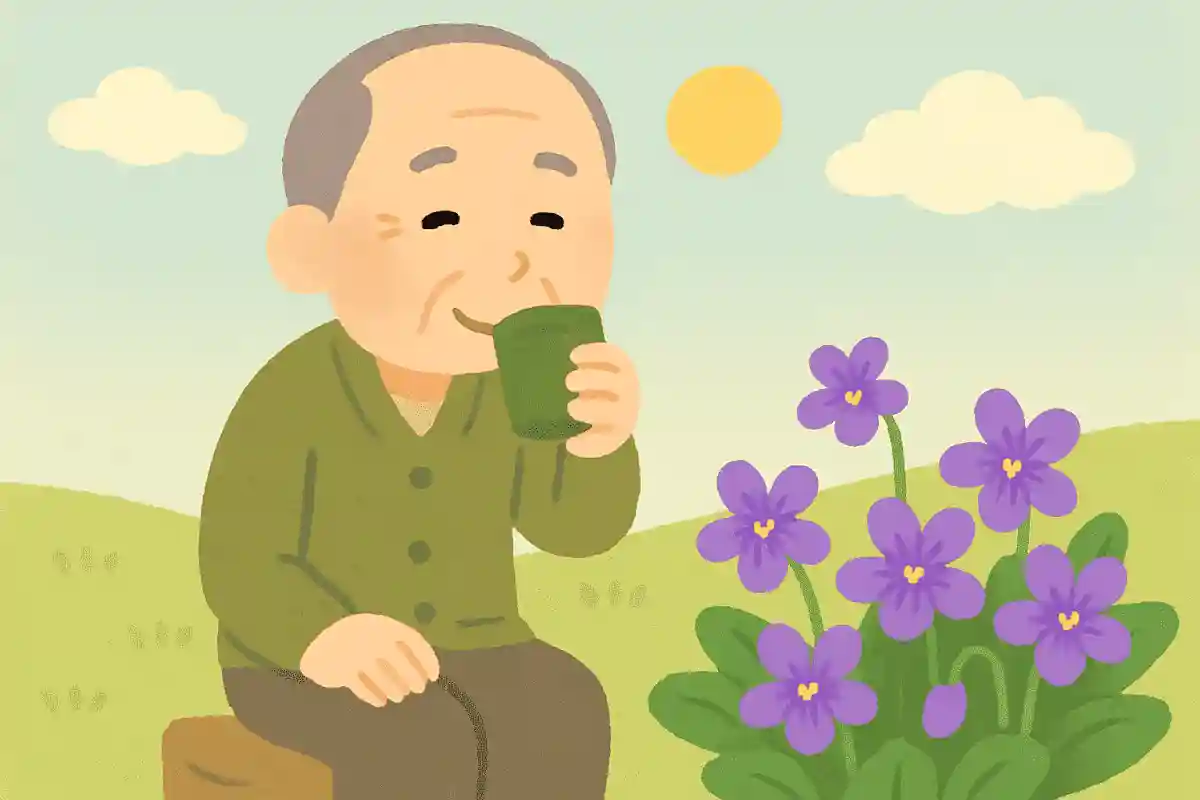
Violets, which are also a seasonal word for spring, may seem small and cute, yet they also convey a dignified strength.
Along roadsides or in flower beds, tiny violets may not stand out.
Even so, haiku often speak of wanting to live like the violets that bloom with quiet vigor.
Turning thoughts and feelings inspired by spring flowers into haiku might make it easier for older adults to compose.
With their years and rich life experience, older adults likely hold deep perspectives and sentiments.
Please try creating works that reflect each person’s own thoughts.

How delightful the sound of the spring rain.Seison Yamaguchi
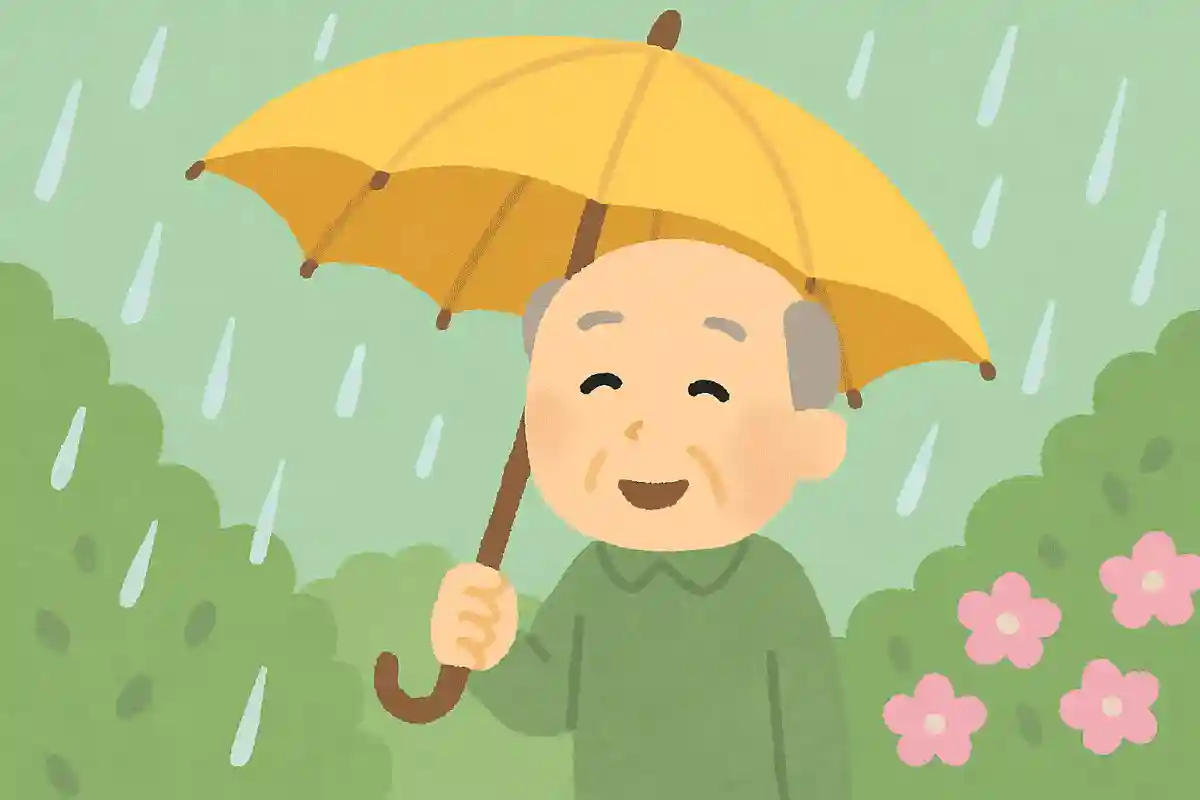
From around March comes the fine, mist-like spring rain that falls gently.
It’s a rain that nourishes the trees and flowers that will soon bud.
Unlike the cold rains of winter, it has long been cherished in Japan as a bright rain that heralds the arrival of spring.
How about looking for things like spring rain—everyday signs of spring’s arrival—together with older adults? There’s the song of the bush warbler, as well as plum and cherry blossom viewing.
Thinking about the seasons may also help older adults feel a sense of time passing.
Magnolia petals have been broken off by the wind.Takashi Matsumoto
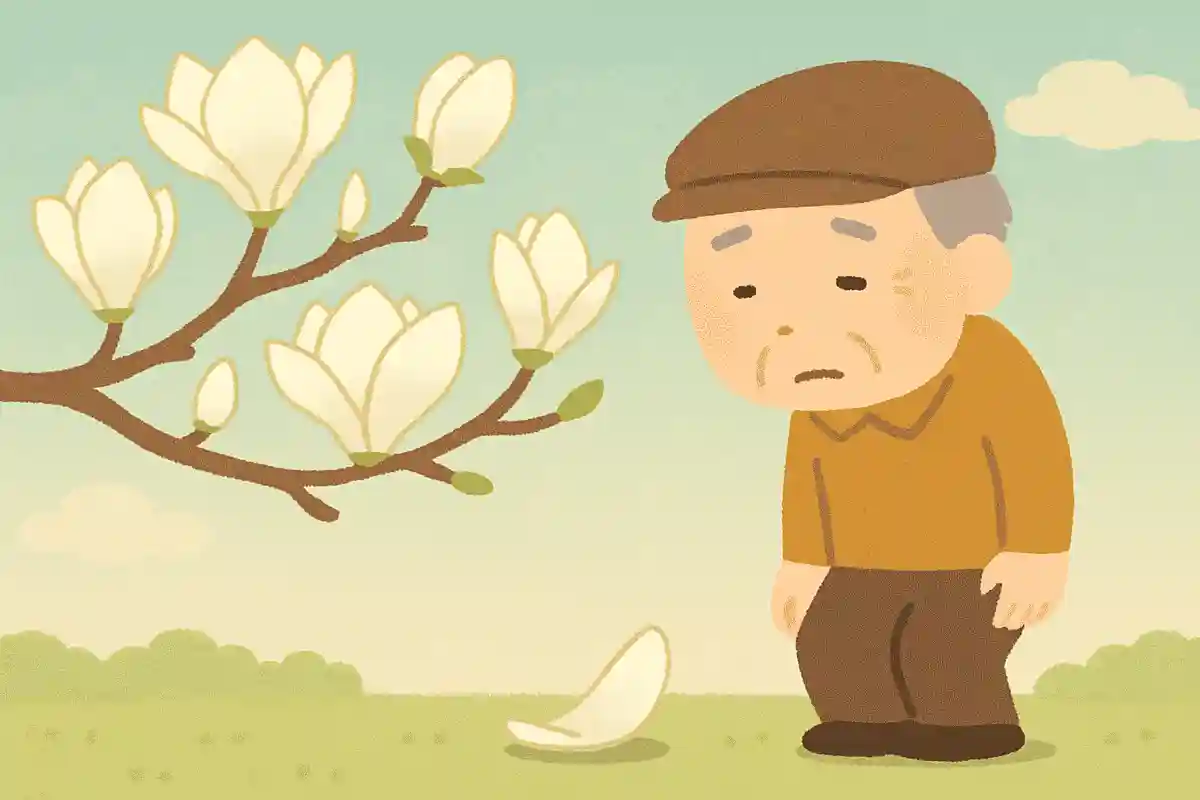
Magnolias are flowers that bloom from March to April, and they say they produce large blossoms before the leaves appear.
Perhaps the wind was strong enough to blow away such large petals.
It’s fun to imagine various things from a haiku, isn’t it? How about composing haiku about other flowers that come into their prime in spring or trees putting out new buds? I imagine some older adults also like plants and flowers.
It might be enjoyable to ask various questions and talk with them about flowers and trees.
Azure sky—snow plumes rise—March FujiAkiko Mizuhara
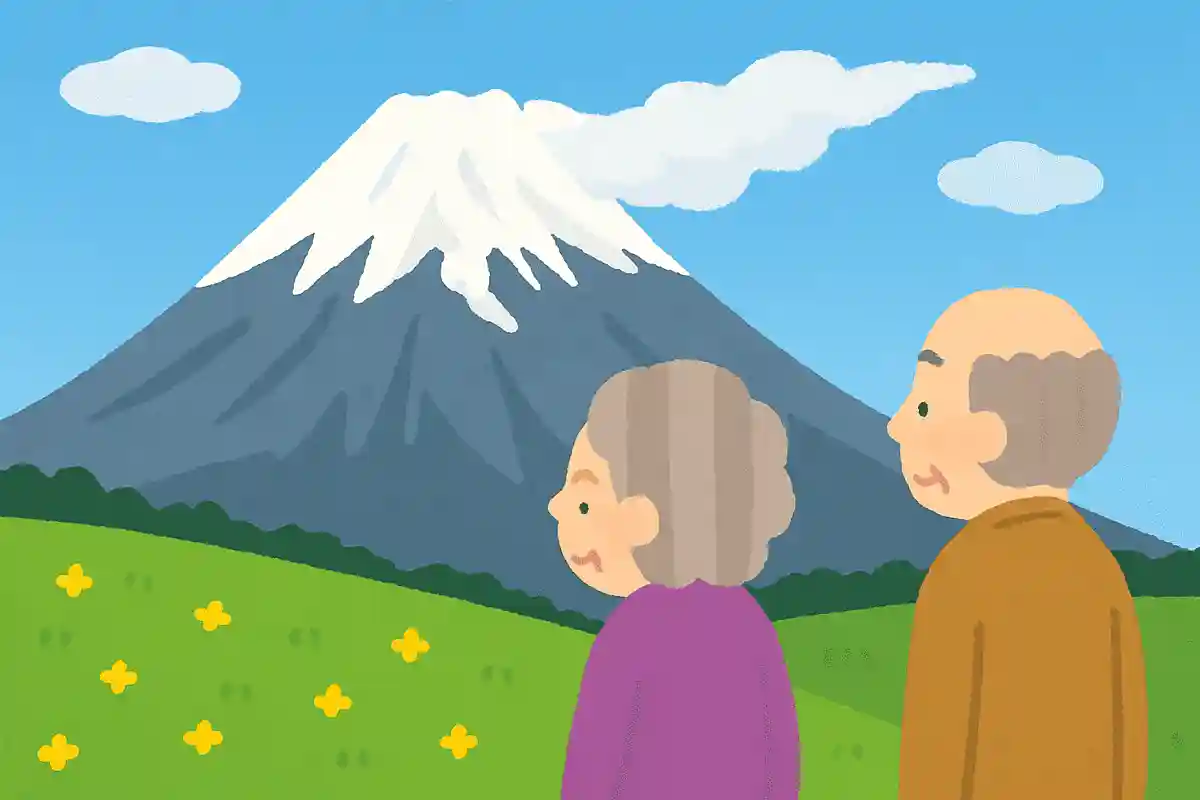
In March’s mild weather, unlike in winter, we often see cloudless blue skies.
In contrast, Mount Fuji still seems to be covered in pure white snow.
The haiku conjures a scene where the beauty of contrast stands out.
In March, which is both the end of winter and the beginning of spring, we can witness scenes of both seasons.
Haiku that let us feel the changing of the seasons can also help older adults sense the passage of seasons and time.
On a warm spring day, composing haiku that weave in past March episodes or having conversations about them may help broaden connections with those around us.
March—cobblestones selling the Mona LisaFujio Akimoto
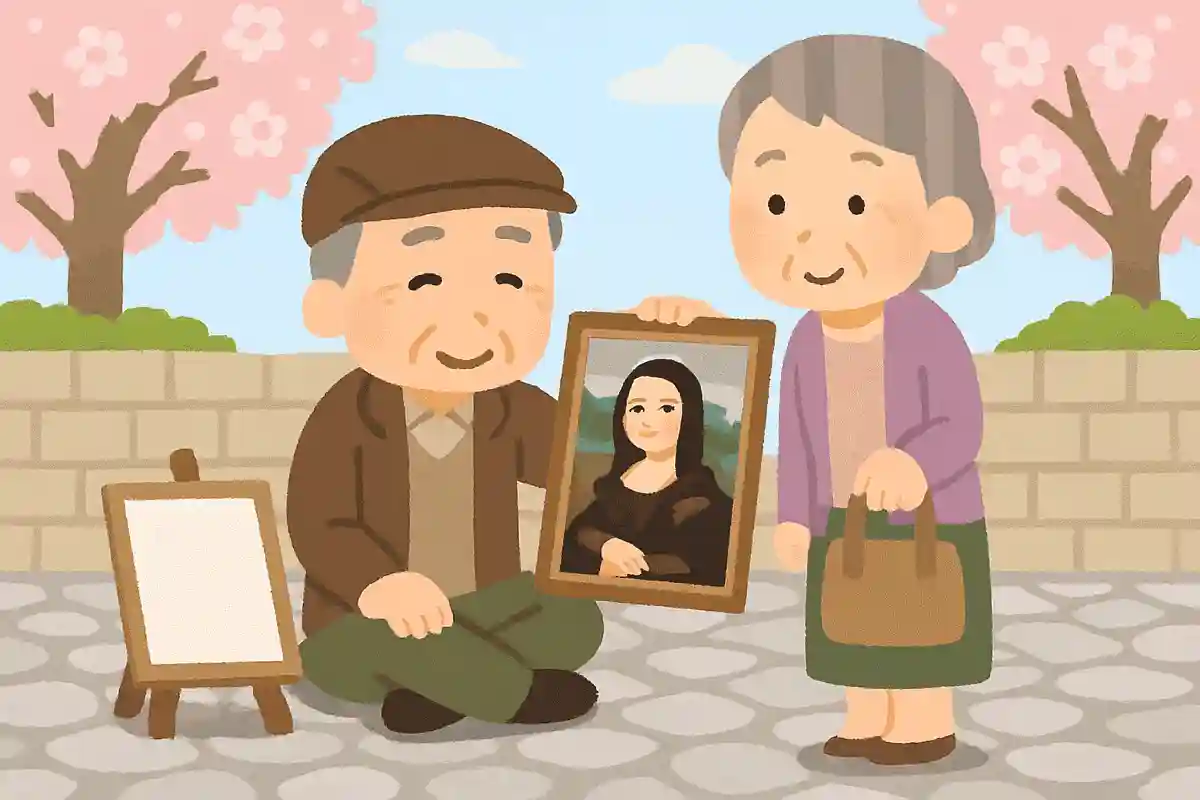
When it comes to famous portraits by Leonardo da Vinci, the Mona Lisa comes to mind.
The Mona Lisa is famous worldwide, but apparently there are many reproductions as well.
This is a haiku describing reproductions of the Mona Lisa placed and sold on cobblestones, and it also conveys a sense of the season.
If you sit on the cobblestones, you might find them cool to the touch.
In January or February, the cobblestones are cold, and the merchants selling the paintings would feel the chill continuously.
In April or May, flowers begin to bloom, and people’s gaze might naturally drift upward.
In March, then, it’s just the right time to lay paintings on the cobblestones and sell them.
It seems fun to infer various details and picture the scene from a haiku composed with an elderly person, doesn’t it?
Listening to the sound of snowmelt—dozing in the morningKitou Takai
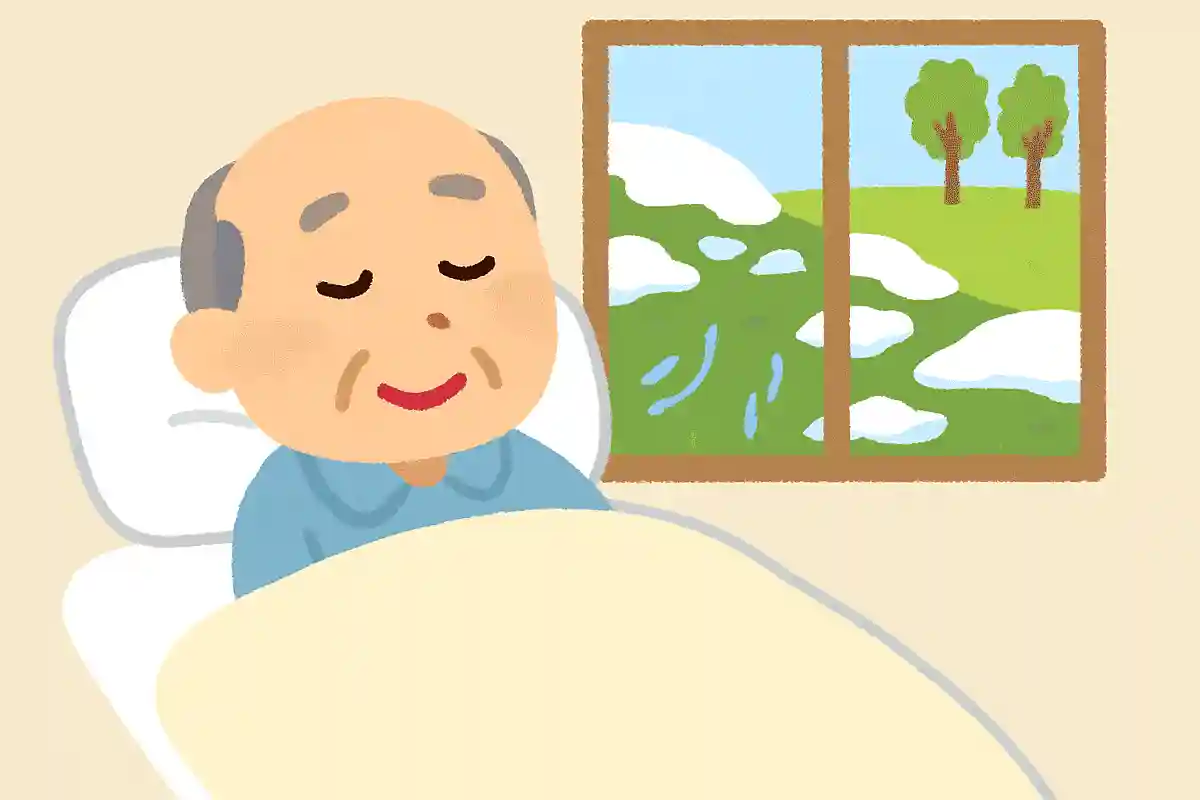
As we get into March, we have more and more days when we can feel the warmth, don’t we? In that warm, pleasant air, it also feels nice to spend time nestled under the covers.
Sometimes it’s hard to get up, and you end up sleeping in late.
It’s also charming to stay in bed and listen to the sound of the snow melting, isn’t it? What exactly does melting snow sound like? Is it the sound of it falling from the roof, or the sound of it melting into water and flowing along? It’s fun to imagine the possibilities.
It could be nice to think about it together with older folks, too.
A shadow of a person, having reflected, passes— the water grows warmKyoshi Takahama
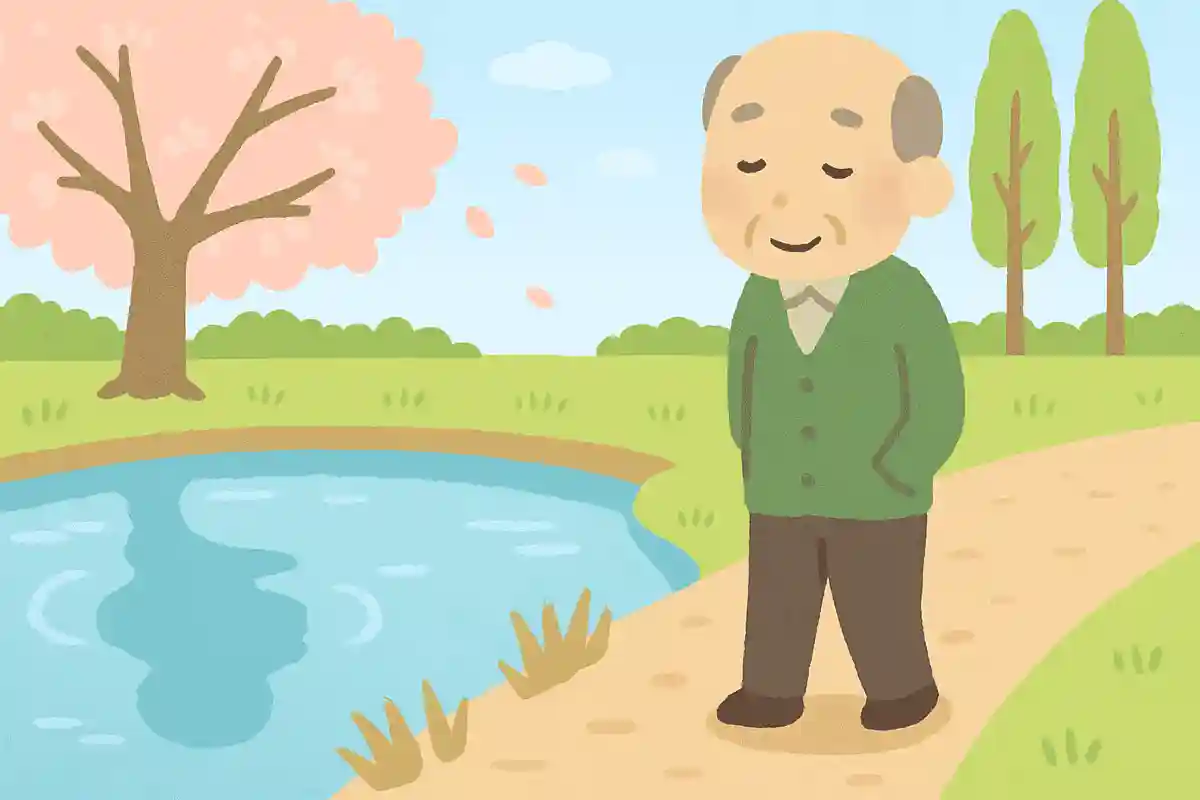
When spring comes, the cold eases, the ice on rivers and ponds melts, and it becomes a season when warmth can be felt even from the water.
Perhaps Takahama Kyoshi, who composed this haiku, also sensed the arrival of spring from small changes outdoors.
Nowadays, the year is sometimes described as having not four seasons but two, yet it’s still lovely to try composing verses about the changing seasons.
When you go for a walk with older adults, try looking for signs of spring—like new leaves budding on the trees or the song of the bush warbler.
Noticing these seasonal changes can help recall past memories and spark broader conversation.