

[For Seniors] Spring Haiku. Spring Activity

Spring is a season that makes us feel new beginnings.
Warm sunshine and colorful flowers come to mind, don’t they?
It’s also a time when we naturally feel like going outside.
Why not enjoy the arrival of spring through haiku?
Haiku is a uniquely Japanese art that expresses seasonal scenery and feelings in a 5-7-5 rhythm.
Especially for older adults, weaving words while reminiscing about the past can help stimulate the brain.
Why not challenge yourself to joyfully compose haiku while feeling the beauty of spring?
- [For Seniors] Haiku for March: Enjoying a Spring Moment with Famous Verses
- [For seniors] April haiku. Exciting
- [For Seniors] Winter Haiku: Introducing Beautiful Masterpieces by Famous Haiku Poets
- [For Seniors] Spring Songs You'll Want to Hum: Feel the Season with Nostalgic Classics
- [For Seniors] Introducing Whiteboard Activities That Liven Up Spring!
- Spring Event Quiz for Seniors to Enjoy in March
- [For Seniors] Making a March Calendar: Introducing Spring-Themed Motifs and Arrangements
- [For Seniors] Classic spring songs to sing in April: A heartwarming moment with nostalgic children’s songs and kayōkyoku (Japanese popular songs)
- [For Seniors] Interesting spring haiku: introducing verses with striking kigo and unique expressions
- [For seniors] Classic spring kigo: beautiful words that evoke the season
- [For Seniors] Haiku Introductions for May: A Fun Recreation Activity
- [For Seniors] Fun Spring Recreational Activities: A Collection of Games and Play Ideas
- [For Seniors] Haiku for February: A Collection of Famous Verses Depicting the Transition from Winter to Spring
[For Seniors] Spring Haiku. Spring Recreation (41–50)
Spring sea— all day long, gently swaying, softly swaying.

This haiku is a famous one by Yosa Buson, who was active in the Edo period.
It is said to sing of the sea in Yosano, Tango in Kyoto, Buson’s birthplace.
Perhaps from childhood he sensed the coming of spring when the harsh winter Sea of Japan softened its expression and became gentle waves.
In the faint scent of spring, the calm waves glittering under the spring sun are the kind of sight you could watch forever.
It can also be seen as a landscape he painted within his haiku, befitting someone who was active as a painter as well.

[For Seniors] Spring Haiku. Spring Activities (51–60)
Spring waters flow beneath the bridges of Shijō and Gojō
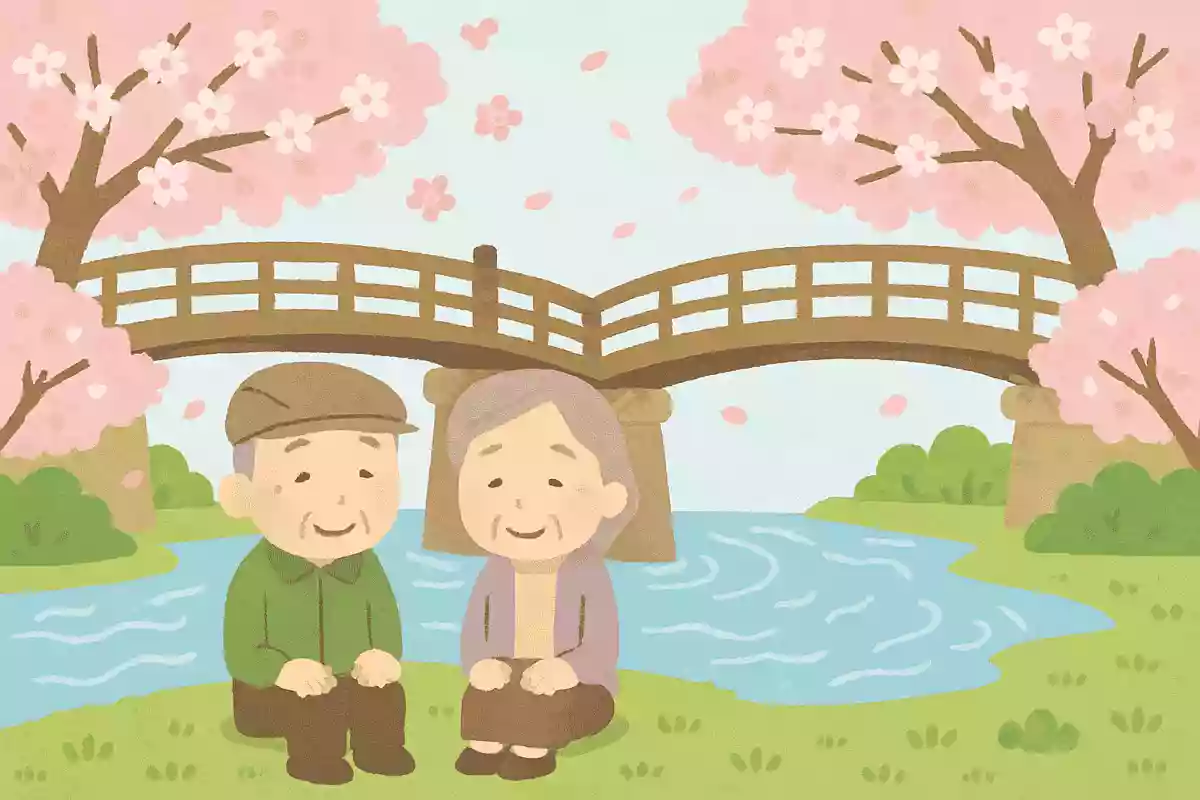
This verse is by Yosa Buson, who was active in the Edo period, and it depicts the scene of Kyoto’s river waters swelling in spring.
In those days, Kyoto’s water levels likely rose in spring due to snowmelt from the Kitayama mountains.
The verse also draws inspiration from a famous Chinese line by the Tang poet Liu Xiyi and from the Noh play Kumano; knowing that background makes you think, “I see,” and may pique your interest even more.
That’s the fascinating part of both music and haiku, isn’t it?
The path I have come—sunlight over a field where pieris (andromeda) blooms.
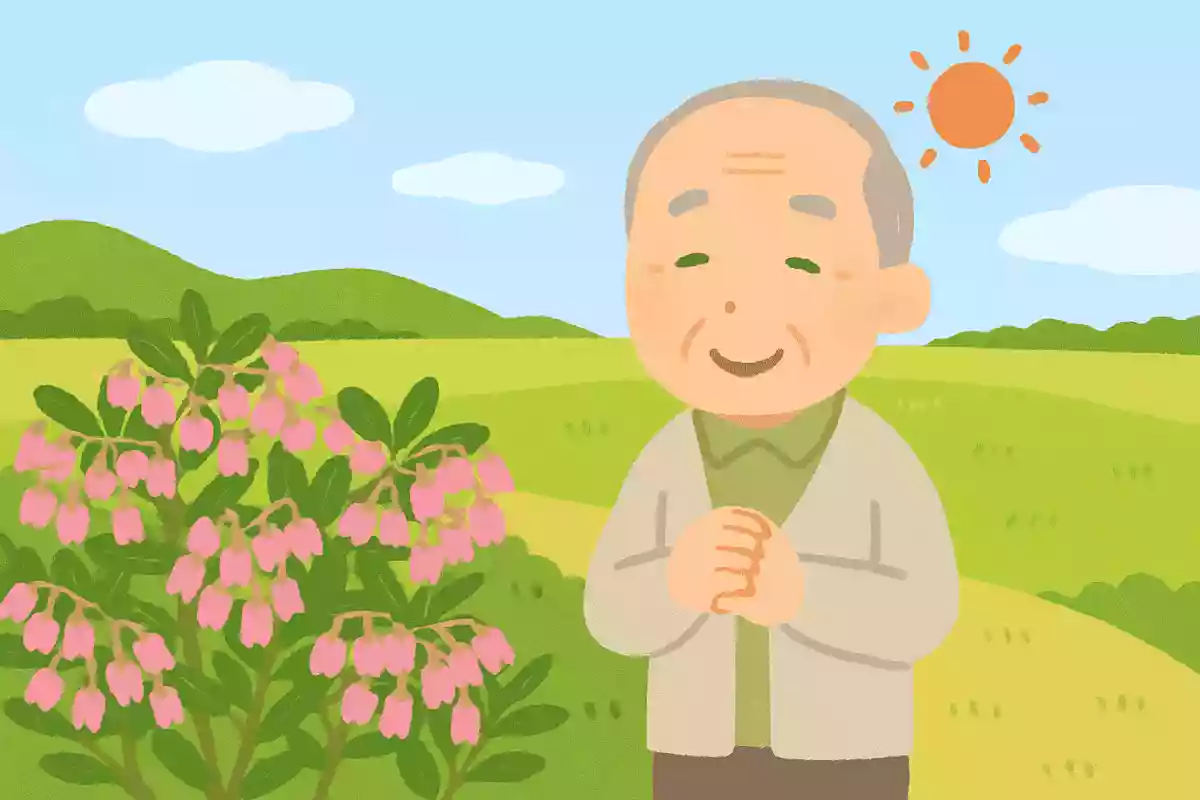
This is a spring haiku by the poet Mizuhara Shuoshi, who was active from the Taisho to the Showa era, included in his 1930 collection Katsushika.
It describes looking back along the path one has walked to find andromeda (asebi) flowers in bloom, with sunlight pouring down.
Judging by the haiku alone, it gives the impression of a common spring scene; however, because andromeda is a typical seasonal feature of Nara’s Yamato Road, it is said to depict the view from Mikazukidō at Tōdaiji in Nara.
Since the model location is clearly identified, it could be interesting to check how closely the imagined scene matches the actual place.

By my pillow, this year’s spring has already come and passed.
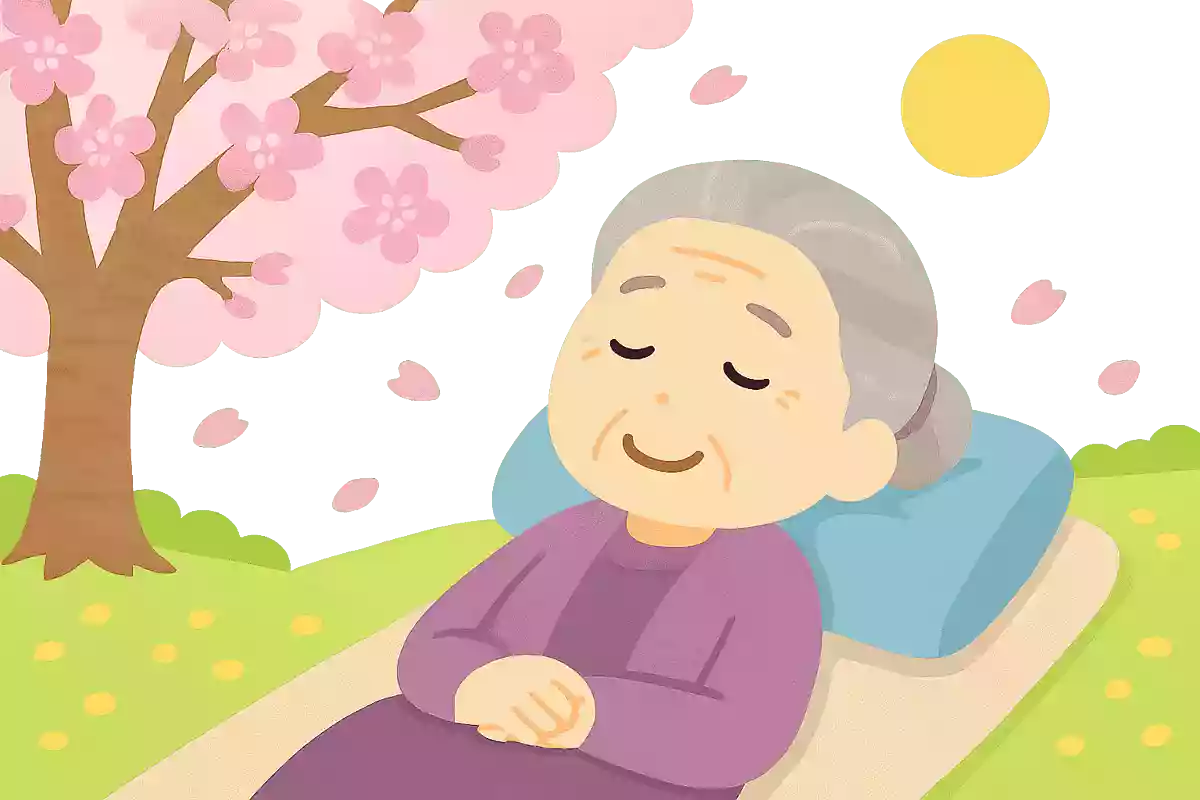
Hino Sōjō, a haiku poet born in the Meiji era, studied haiku in the magazine Hototogisu and apprenticed under Takahama Kyoshi.
His life was intense, but after contracting tuberculosis following World War II, his once vigorous style gradually shifted to a quieter one, perhaps reflecting his inner state.
This haiku means that spring has come to his bedside, and it makes one wonder what Hino Sōjō felt when he sensed that the season of spring—almost synonymous with hope—had arrived at his pillow.
And indeed, we often feel that spring comes to us in an unguarded moment, don’t we?
With plum blossoms’ scent, the sun leaps forth—ah, a mountain path.
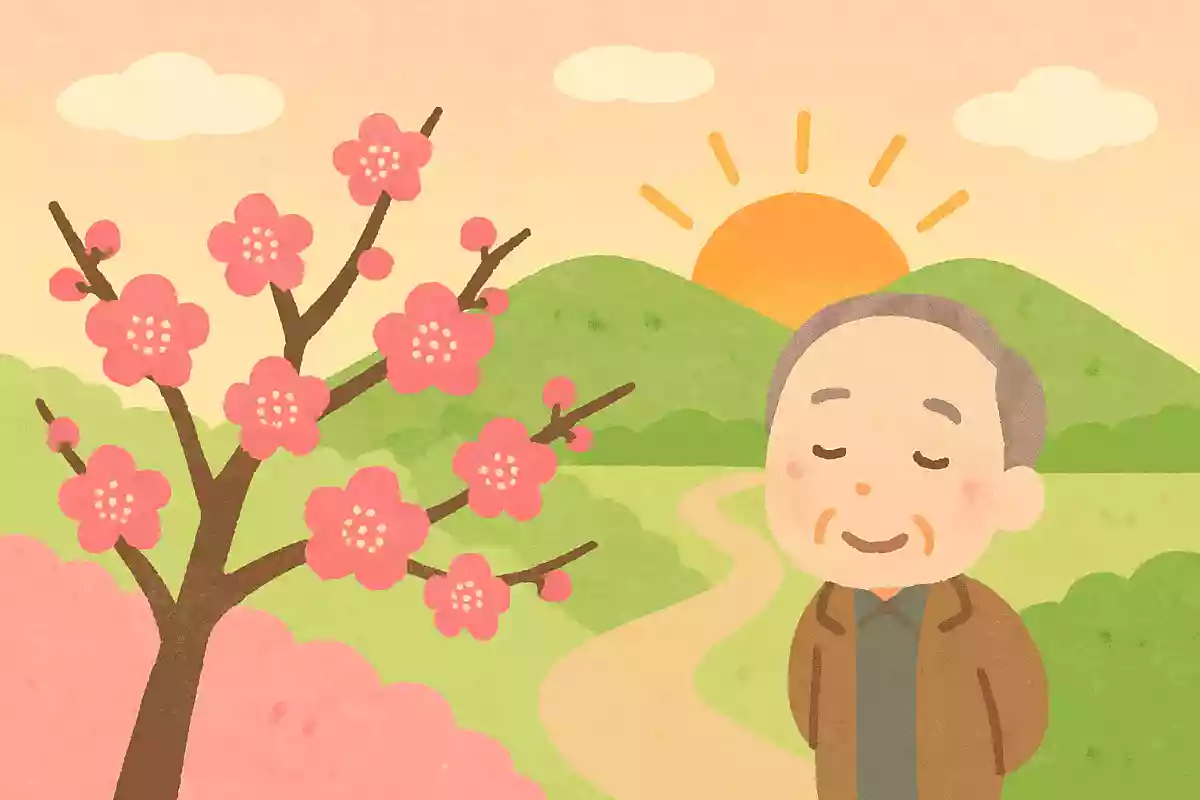
This is a haiku by the famous Matsuo Bashō, a haiku poet who was active in the Edo period.
It is said that he wrote this poem in the year he passed away.
The morning sun seems to peek out, lured by the scent of plum blossoms, and the onomatopoeic word ‘notto’ gives it a unique feel that really shows Bashō’s sensibility.
The contrast in texture with the plum fragrance is very intriguing—an unexpectedly fitting combination.
It’s also interesting how this short poem stimulates both the senses of smell and sight.
Bamboo shoots—where on earth did they come from, tossed by fickle fate?
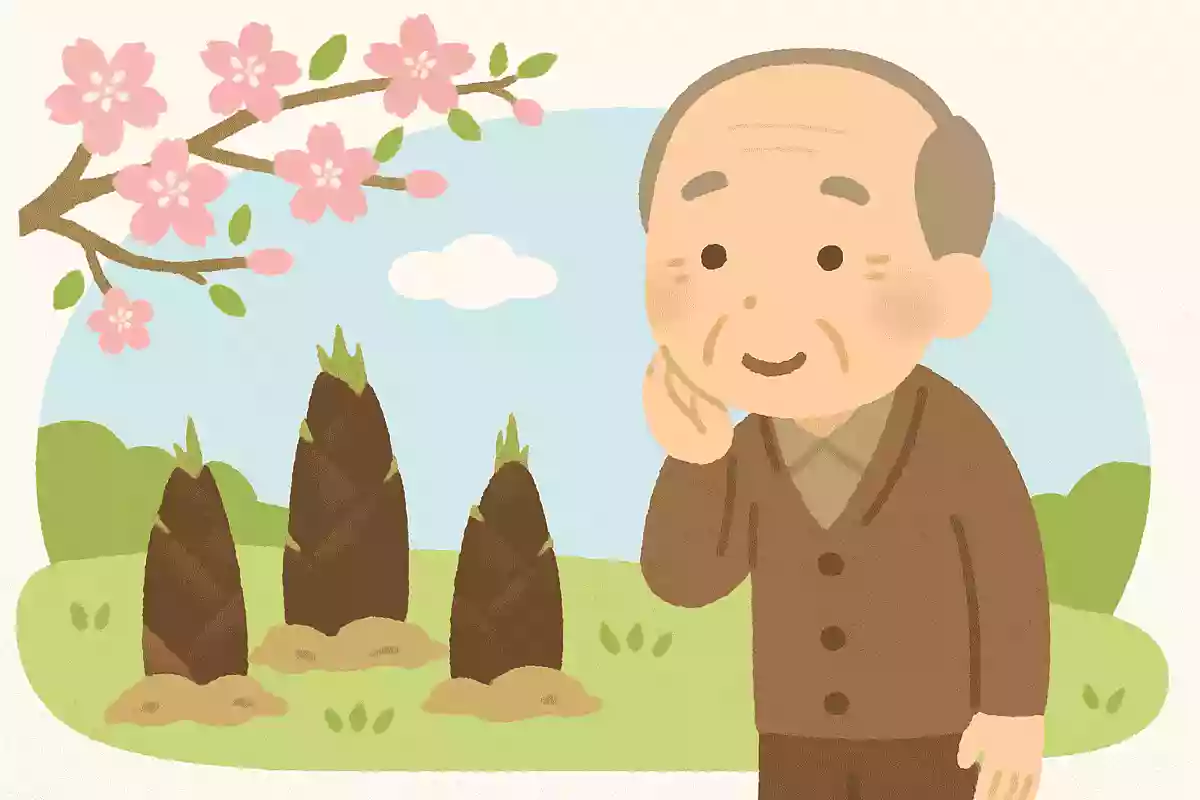
This haiku was composed by Kobayashi Issa, and it overflows with the kind of humorous warmth that is so characteristic of Issa.
He personifies bamboo shoots, and the idea that their luck depends on where they emerge is delightful, isn’t it? With the arrival of spring, you can almost see—and even hear—them sprouting up from the ground one after another.
As a spring delicacy, bamboo shoots have long been beloved by the Japanese, and because they’re so familiar, it’s easy for everyone to picture this scene.
Clouds of blossoms—does the bell toll from Ueno or from Asakusa?
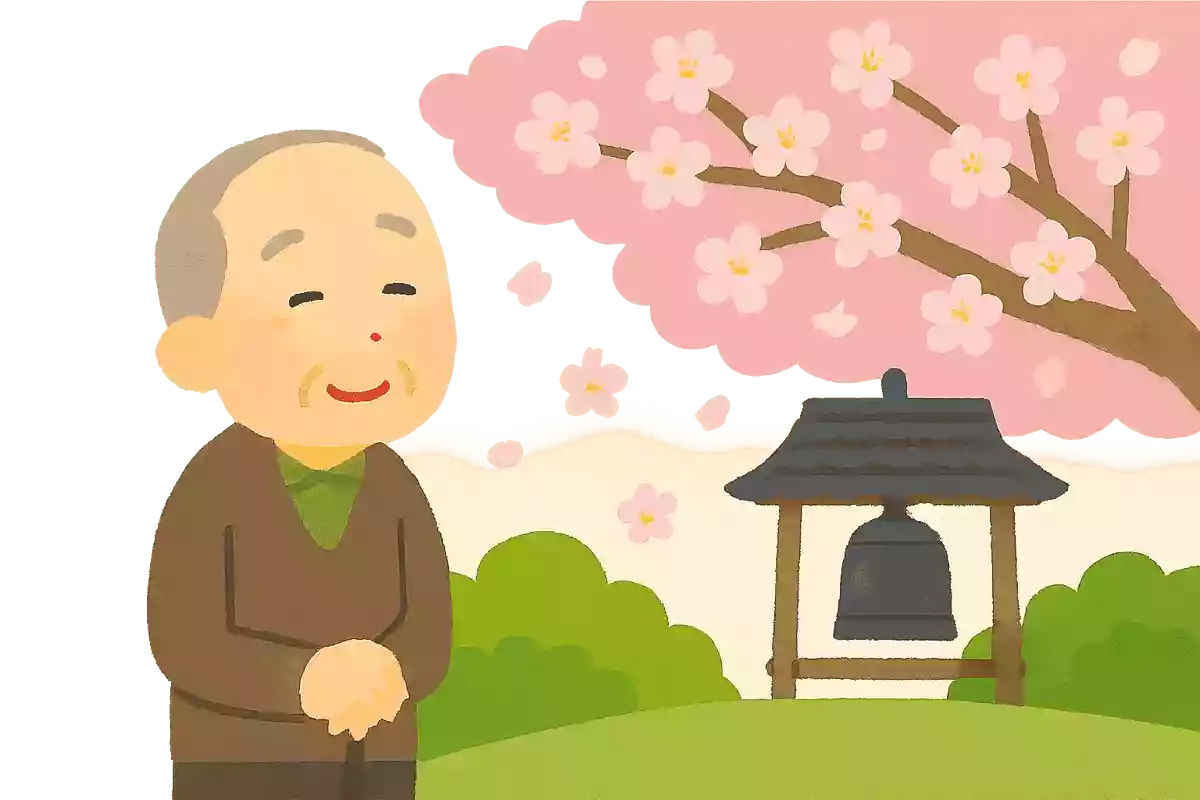
This is a haiku by the famous Edo-period poet Matsuo Bashō, inspired by the sound of the bell at either Tōeizan Kan’eiji in Ueno or Kinryūzan Sensō-ji in Asakusa.
It is said to have been composed at Bashō’s hut in Fukagawa, and it appeals to both sight and hearing—the beautiful cherry blossoms blooming like clouds and the faintly audible tolling of the bell.
Bashō was fond of this verse; he included it in multiple books and would write it on paper to give to others.
In other words, it was one of his personal favorites.