

[For Seniors] Winter Haiku: Introducing Beautiful Masterpieces by Famous Haiku Poets


Haiku have a unique depth of flavor that belongs to the winter season.
From the cold moon and the first winter showers to the soft fall of snow, there are countless famous verses that richly capture these scenes.
For older readers in particular, encountering haiku filled with nostalgic landscapes and memories can warm and soothe the heart.
This time, we will introduce winter haiku composed by Japan’s leading poets, such as Matsuo Bashō and Yosa Buson.
We have carefully selected beautiful verses that conjure vivid scenes the moment you close your eyes.
Why not relax and immerse yourself in the world of haiku, while also noting the playful expressions and turns of phrase?
- [For Seniors] Winter songs you'll want to hum along to. A collection of classic tunes recommended for BGM and recreational activities
- [For Seniors] Fun Winter Activities: Recreation and Games
- Hand games that liven things up for seniors—also great brain training
- [For Seniors] Introducing Whiteboard Activities to Enjoy in Winter!
- [For Seniors] Haiku for March: Enjoying a Spring Moment with Famous Verses
- [For Seniors] Enjoy the Cold Winter! Simple, Recommended Crafts
- [For Seniors] Get Through the Chilly February! Recommended Health-Themed Recreations
- [For Seniors] Enjoy the Cold Winter! Seated Activities You Can Do
- [For Seniors] Spring Haiku. Spring Activity
- [For Seniors] Extremely Effective Brain Training! A Fun Collection of Hand Games
- [For Seniors] Brain-training with winter-themed quizzes. Great for activities, killing time, and dementia prevention.
- [For Seniors] Hand and finger play roundup: Finger exercises that lead to brain training
- [For Seniors] Fun Riddles That Stimulate the Brain
[For Seniors] Winter Haiku: Introducing Beautiful Masterpieces by Famous Haiku Poets (41–50)
A lone, snow-capped peak marks the borderMasaoka Shiki

During the winter, snow accumulates on the mountains, and in some places they become snow-capped, don’t they? Lately, people say there’s a lack of snow, so some may find it hard to picture snowy mountains.
When the snow that piled up on the mountains melts and disappears, you can feel that spring has arrived.
In early spring, you can often see the snow melted around the mountain’s base while only the summit remains snow-covered.
Even when it still feels cold, the seasons steadily turn and change.
Noticing these small, everyday signs of the seasons could also be useful in conversations with older adults.

Shallow spring— crossing the water goes a single nightingale.Kawahigashi Hekigoto
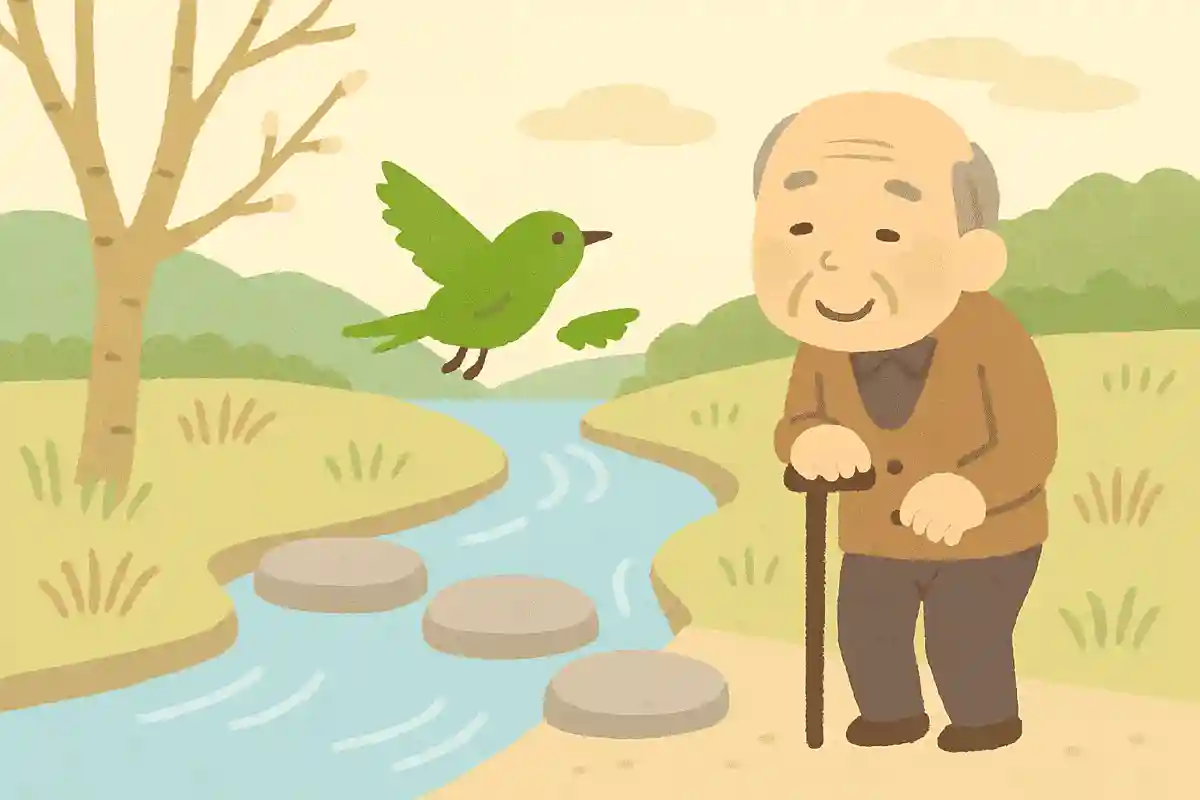
I imagine many older people have seen herons searching for and eating food in rice paddies and rivers.
Herons are distinctive birds, known for slowly taking one step at a time through the shallow parts of the Kyukawa River.
February’s river water is still cold.
Watching a heron with its characteristic gait there makes the water seem even colder.
For the heron, it’s just its usual behavior while feeding, but it’s interesting how the viewer’s perception can change the way the heron appears.
How about finding something in everyday life that evokes a sense of cold, and composing a haiku that matches your own feelings?
Kisaragi— let the body-cutting wind cut my bodyMasajo Suzuki
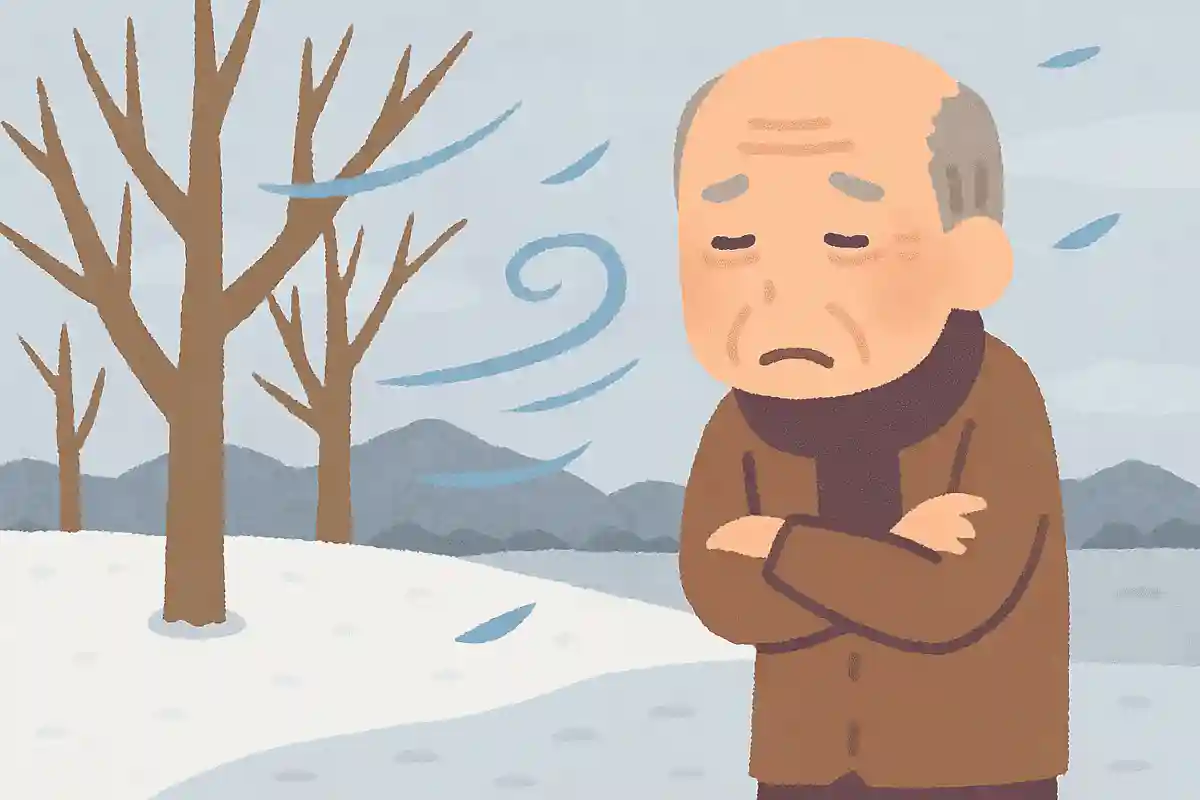
These days, we often get warm days even in winter.
But in the past, it seems that February in Japan more often felt bitterly cold.
The wind was icy, and the cold could cut to the bone even when bundled up.
Many older adults may have experienced winters like that.
Talking about winter or February could be a good conversation starter with seniors.
From there, some might look back on their childhood or memories of time spent with family.
You could have an enjoyable time chatting while composing haiku together.
There are branches halfway folded—the pussy willow.Hanamino Suzuki
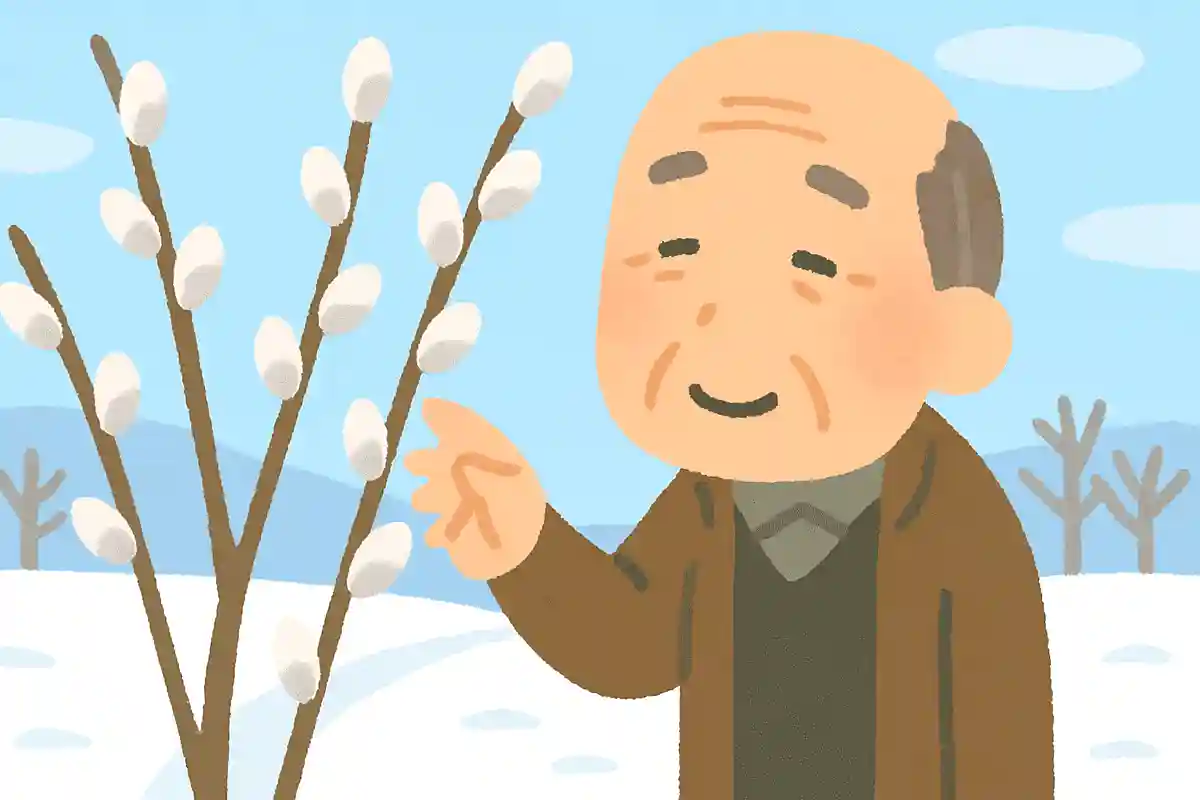
The seasonal word (kigo) in this verse is pussy willow—one of the kigo for early spring.
Pussy willow is a type of willow that often grows wild along the water.
Its flower buds are covered in distinctive white down, said to resemble a cat’s tail.
This verse describes the appearance of such pussy willows.
Their branches are slender and often snap when the wind is strong.
The poem conjures the willow’s unvarnished state, and for anyone familiar with pussy willows, it likely elicits a spontaneous “Exactly!”—a sense of empathy that also brings back fond memories of playing outdoors.

Fujibashi— a pregnant deer, heavy with life, crossing overTakai Igikasu

I’ve heard that deer usually give birth around summer.
By February or March, a mother deer’s belly is swollen enough that you can tell she’s carrying a fawn.
Even in the wild, February is a season when the cold is keenly felt.
Mother deer are surely braving the chill as if to protect the young in their wombs.
Although this sensitivity has been fading in modern Japan, people once sensed the changing seasons by observing plants and animals.
Through writing haiku, it might be interesting to join older adults in searching for traces of the four seasons in familiar, everyday places.
On thin ice, the grasses part — the water’s edge.Kyoshi Takahama
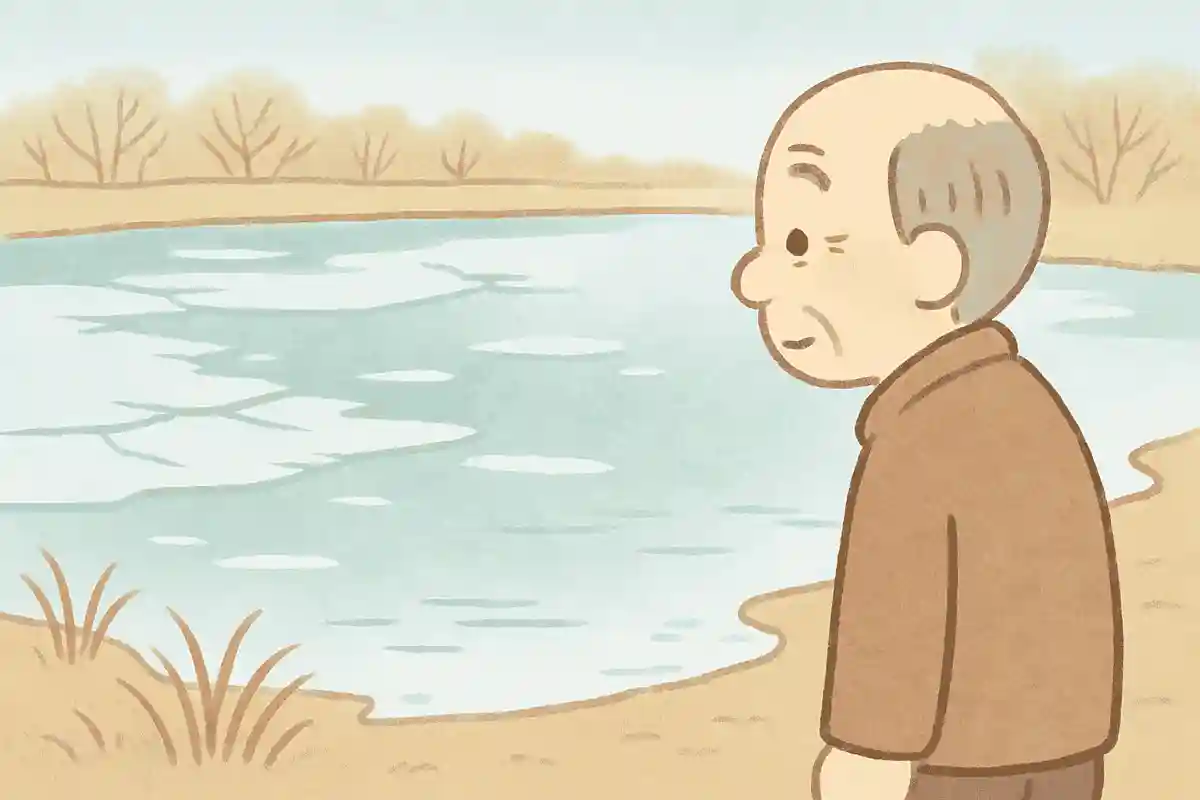
It’s a haiku that depicts the scene of thin ice melting to reveal the grasses growing by the water’s edge.
“Thin ice” here doesn’t mean the thick ice seen in winter, but the delicate sheet of ice that forms in early spring.
Perhaps you remember, as a child, breaking that flimsy ice that would melt quickly in the sunlight.
Thin ice used to be a winter seasonal word, but from the Meiji era onward it came to be used as a spring kigo.
The verse gives a fleeting, delicate impression while also conveying a sense of warmth and softness.
On Kōrin’s folding screen, blooming—adonis flowers of good fortuneSoseki Natsume
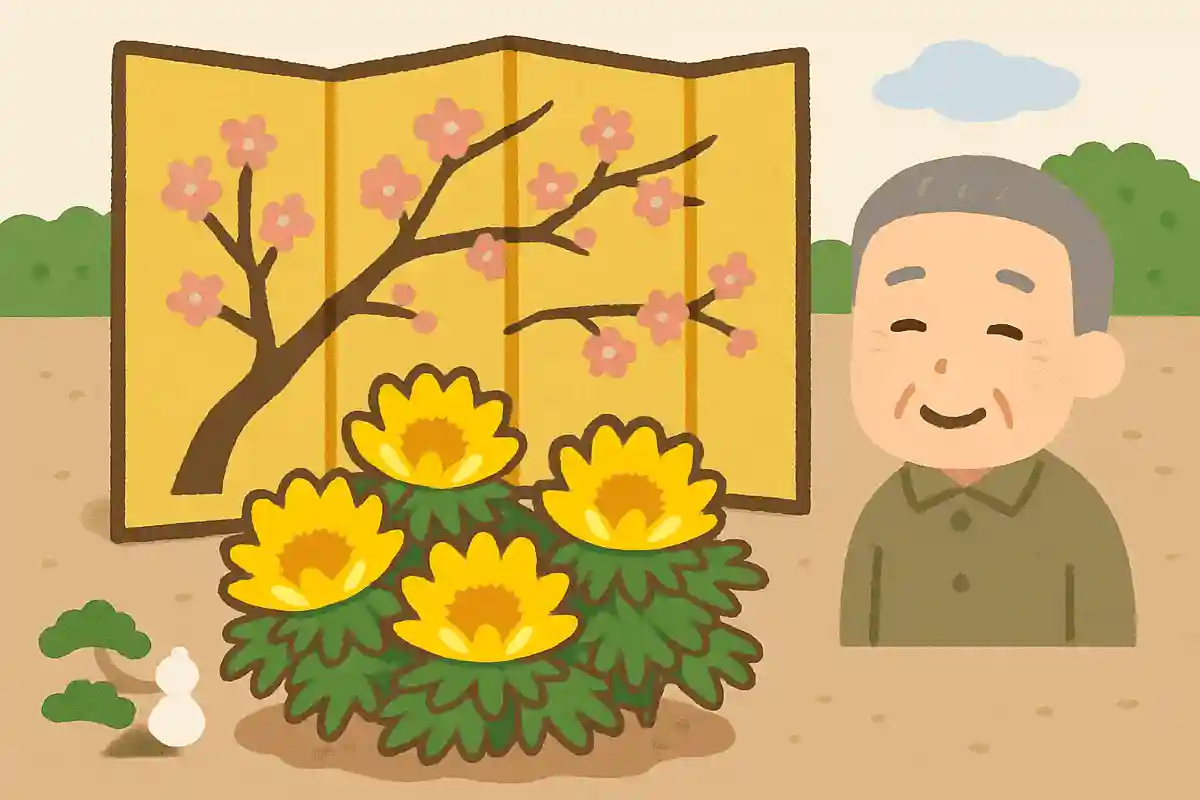
The seasonal word here is “fukujusō” (Adonis amurensis), which is a kigo for the New Year.
Because fukujusō is among the first flowers to bloom a golden yellow in early spring, it has long been cherished as a “harutsugebana,” a flower that announces the arrival of spring.
Ogata Kōrin was a painter of the Edo period, and there is a haiku by Natsume Sōseki about fukujusō blossoms painted on a folding screen by Kōrin: “Kōrin no / byōbu ni saku ya / fukujusō.” The flower’s meanings include “eternal happiness” and “bringing good fortune,” so perhaps, while gazing at a folding screen adorned with these New Year–appropriate blooms, people found their hopes swelling for the year ahead.
