

[For Seniors] Winter Haiku: Introducing Beautiful Masterpieces by Famous Haiku Poets


Haiku have a unique depth of flavor that belongs to the winter season.
From the cold moon and the first winter showers to the soft fall of snow, there are countless famous verses that richly capture these scenes.
For older readers in particular, encountering haiku filled with nostalgic landscapes and memories can warm and soothe the heart.
This time, we will introduce winter haiku composed by Japan’s leading poets, such as Matsuo Bashō and Yosa Buson.
We have carefully selected beautiful verses that conjure vivid scenes the moment you close your eyes.
Why not relax and immerse yourself in the world of haiku, while also noting the playful expressions and turns of phrase?
- [For Seniors] Winter songs you'll want to hum along to. A collection of classic tunes recommended for BGM and recreational activities
- [For Seniors] Fun Winter Activities: Recreation and Games
- Hand games that liven things up for seniors—also great brain training
- [For Seniors] Introducing Whiteboard Activities to Enjoy in Winter!
- [For Seniors] Haiku for March: Enjoying a Spring Moment with Famous Verses
- [For Seniors] Enjoy the Cold Winter! Simple, Recommended Crafts
- [For Seniors] Get Through the Chilly February! Recommended Health-Themed Recreations
- [For Seniors] Enjoy the Cold Winter! Seated Activities You Can Do
- [For Seniors] Spring Haiku. Spring Activity
- [For Seniors] Extremely Effective Brain Training! A Fun Collection of Hand Games
- [For Seniors] Brain-training with winter-themed quizzes. Great for activities, killing time, and dementia prevention.
- [For Seniors] Hand and finger play roundup: Finger exercises that lead to brain training
- [For Seniors] Fun Riddles That Stimulate the Brain
[For Seniors] Winter Haiku: Introducing Beautiful Masterpieces by Famous Haiku Poets (21–30)
Bush warbler—no one here to wake me from my morning slumber.Masaoka Shiki
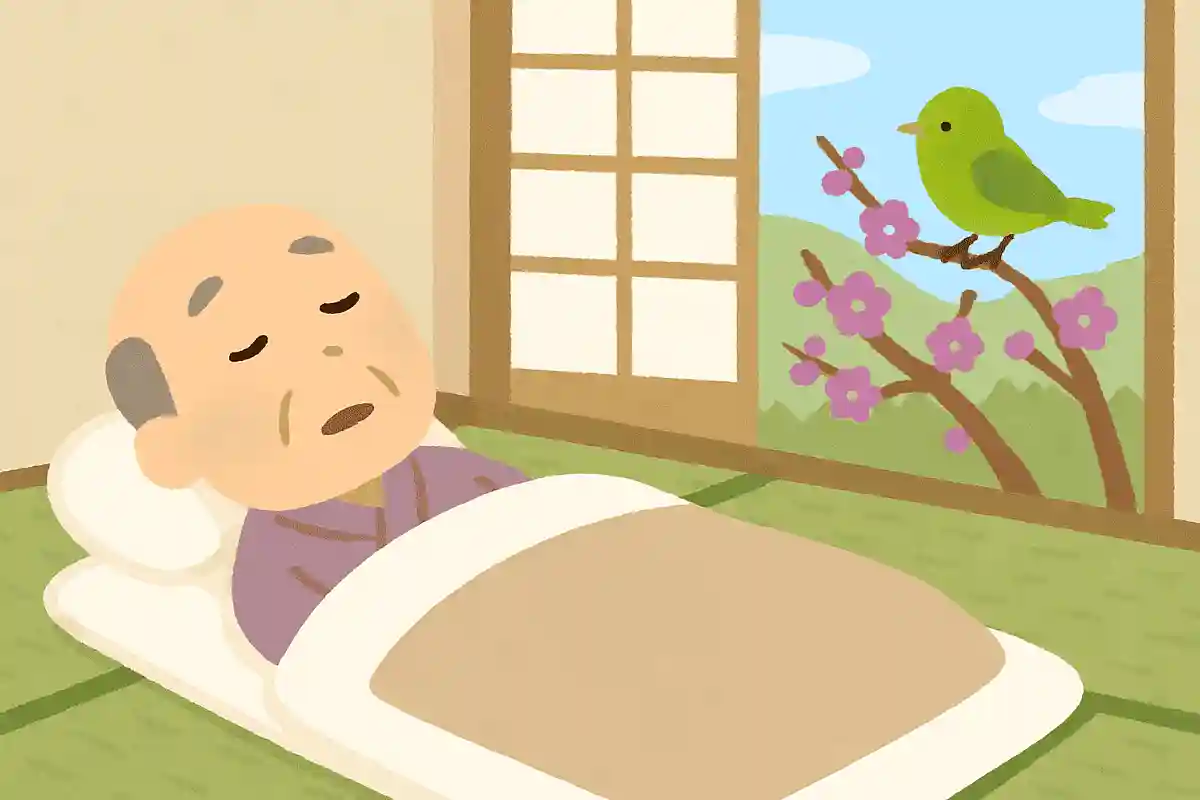
This is a work by Masaoka Shiki in which the bush warbler, a quintessential bird of spring, is used as a seasonal word.
It describes waking up to the song of a bush warbler because no one was there to rouse the speaker in the morning.
We often wake to an alarm clock or a mother’s “Time to get up!” don’t we? Waking to a bush warbler, a little removed from that everyday routine, feels like a luxurious morning touched by a gentle, unhurried atmosphere.
The bush warbler’s call is famously “Hō-hokekyō,” but in spring you can also hear it still practicing.
Listening as its song gradually improves is one of the pleasures of the season.

Bush warbler— the front hills, more and more, in the rainAkiyama Akiko Mizuhara
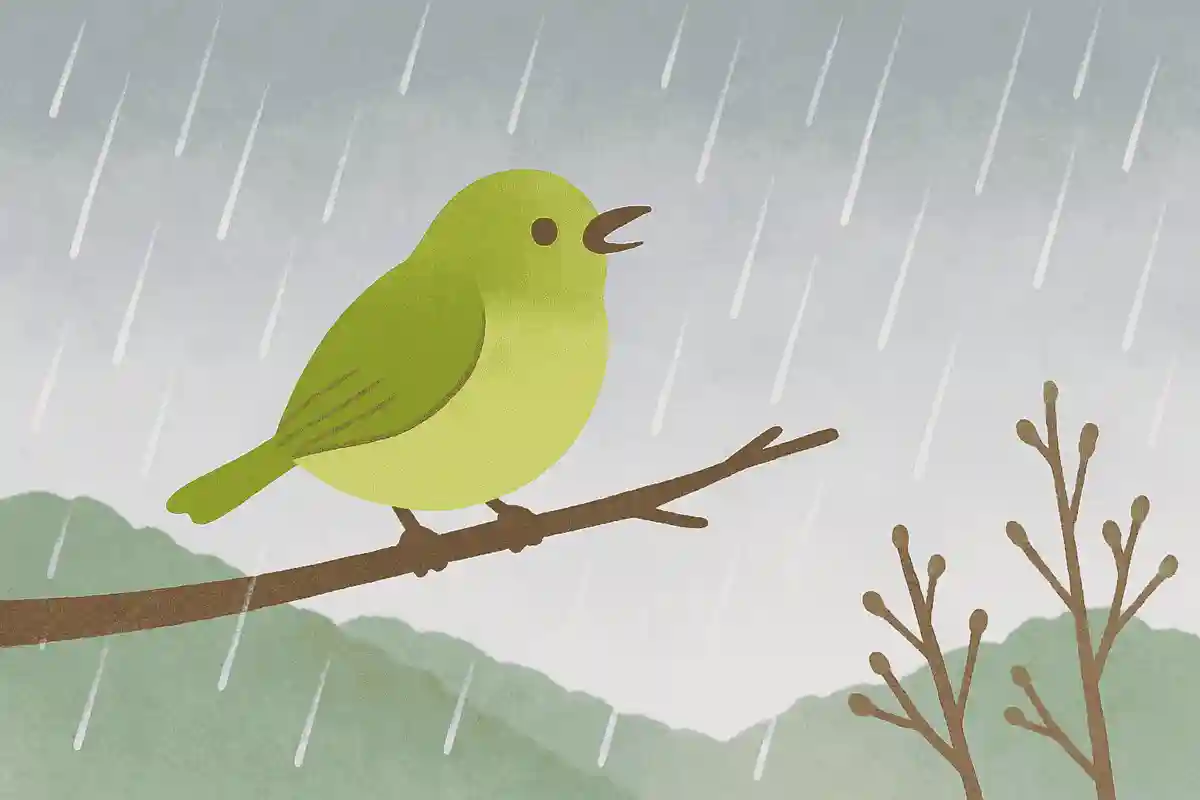
The bush warbler has long been cherished by people as a bird that heralds spring.
In the world of haiku as well, the bush warbler is a spring season word loved by many poets.
This verse was composed by Mizuhara Shūōshi while gazing at mountains that gradually faded from view in the spring rain.
The term “iyoyo” conveys that something has reached its final stage, akin to “at last” or “all the more.” Mountains stretching endlessly, the sky that brings rain, and from somewhere within this great nature comes the call of the bush warbler.
The arrival of spring is almost upon us.
In the warbler’s song, we can sense the hint of spring that the poet became aware of.

[For Seniors] Winter Haiku: Introducing Beautiful Masterpieces by Famous Haiku Poets (31–40)
Red camellia, white camellia—both have fallen.Kawahigashi Hekigoto
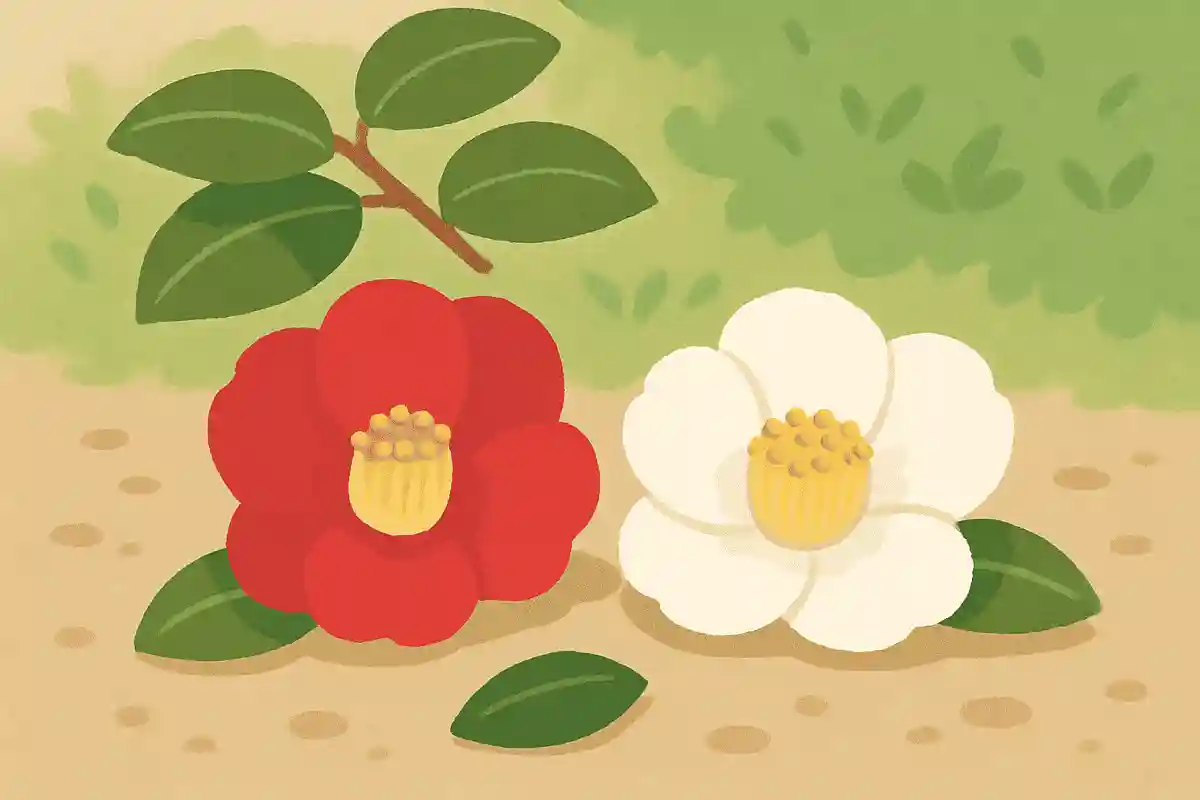
Because camellias bloom from winter to spring, they are known as “flowers that herald spring.” In the world of haiku as well, camellias have long been used as a seasonal word representing spring.
This verse depicts how the red and white camellia blossoms, once in full glory on their respective trees, have begun to fall one after another.
You can almost picture the contrast between the red and white petals and the yellow stamens at their centers.
February remains cold and windy, a time when few flowers are in bloom.
There is a touch of sadness in seeing the early-spring camellias drop, yet it also brings joy, knowing that spring is just around the corner.
A far-off, across the earth racing—the cat’s loveHakyo Ishida
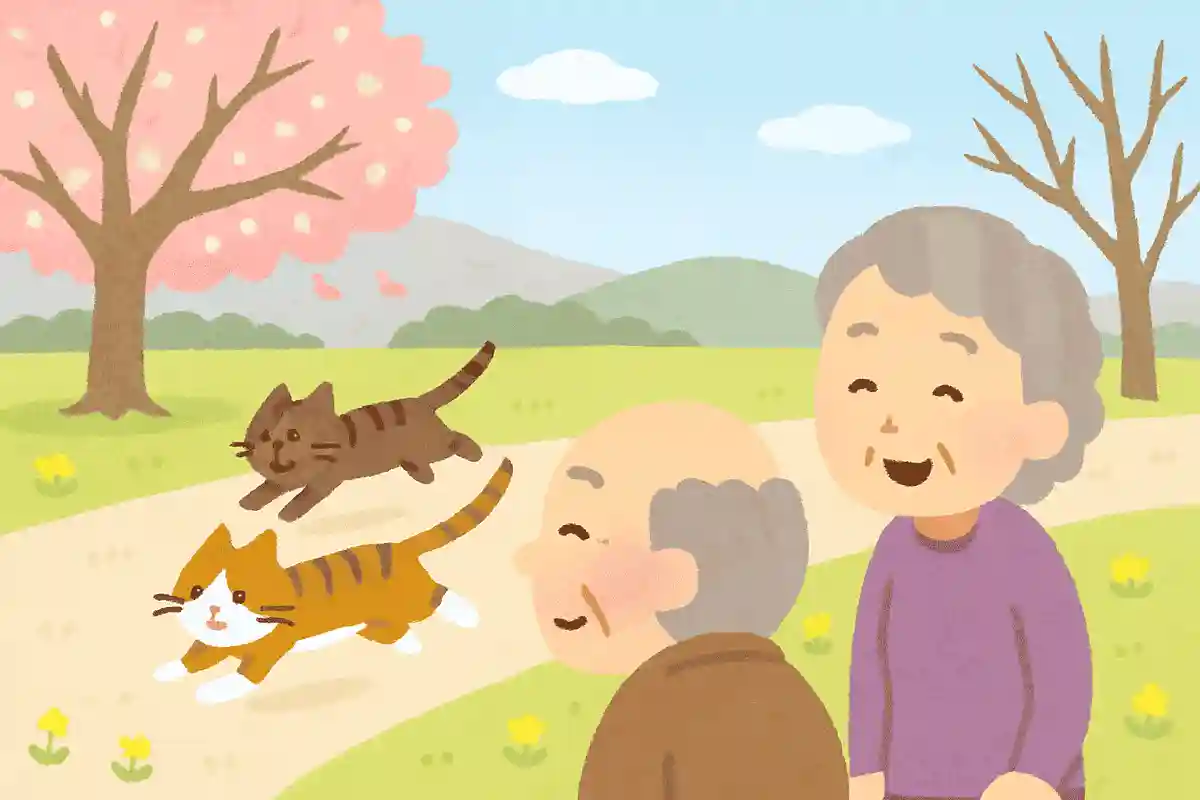
The seasonal word in this verse is “neko no koi” (cats in love), one of the kigo that signify spring.
Cats enter their mating season from winter into spring, and because they make plaintive, sometimes wailing calls during estrus, “neko no koi” came to be used as a spring kigo.
“Harukanaru” means that something is far away in distance or time, or conveys a sense of remoteness.
You can hear cats calling from somewhere far off—perhaps they’re in heat.
In the voices of the cats echoing as if racing across the ground, you can sense that the warm arrival of spring is close at hand.
My body needlessly grows old—Needle MemorialTakahashi Awajijo
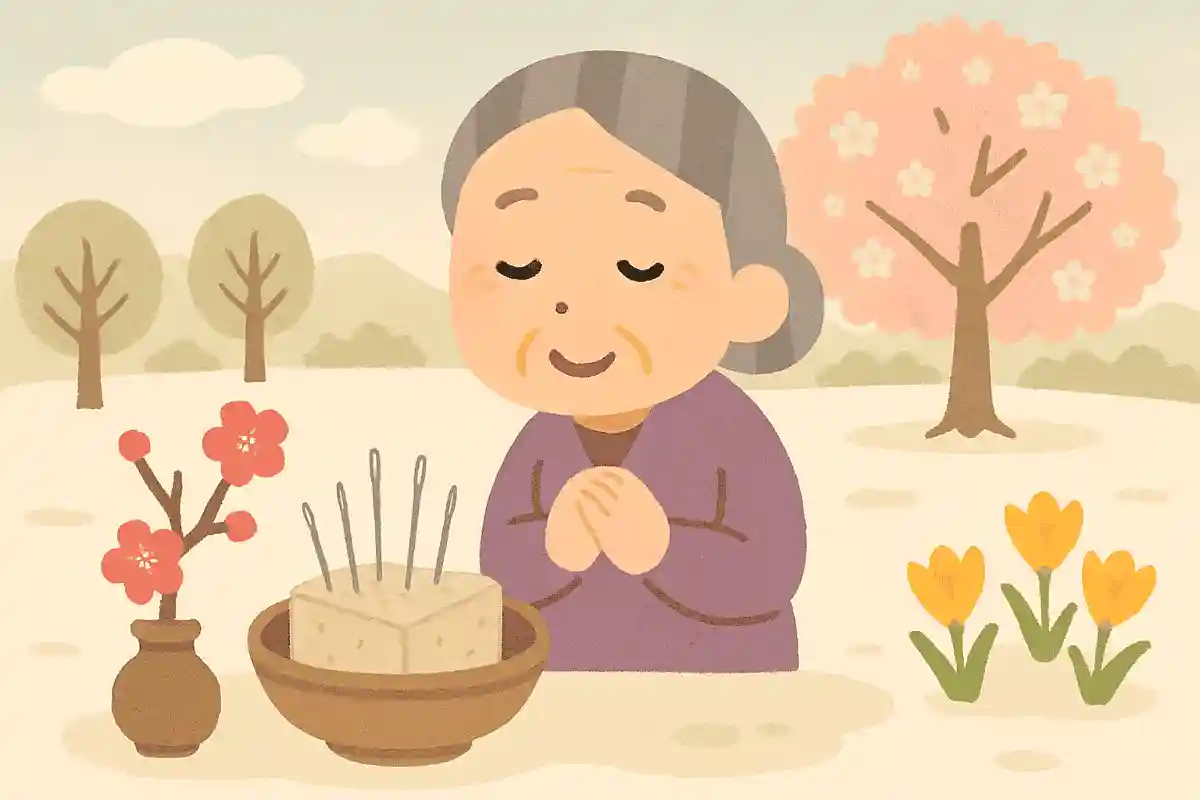
Harikuyo is a memorial service in which broken or worn-out needles are collected and honored.
It is carried out to express gratitude to the needles that have served us well.
People also pray for improvement in sewing skills and for safety in needlework.
Because Harikuyo is held every year on February 8, it is known in the world of haiku as a seasonal word for February.
“Itazura ni” means “in vain” or “to no purpose,” and “furiyuku” means “to grow old” or “to become worn with time.” In this haiku by Takahashi Awajijo, the poet depicts performing Harikuyo with gratitude for the needles that, through sewing, became uselessly old and eventually broke.
First Horse Day— / old banners / among the many thingsTakahashi Awajijo
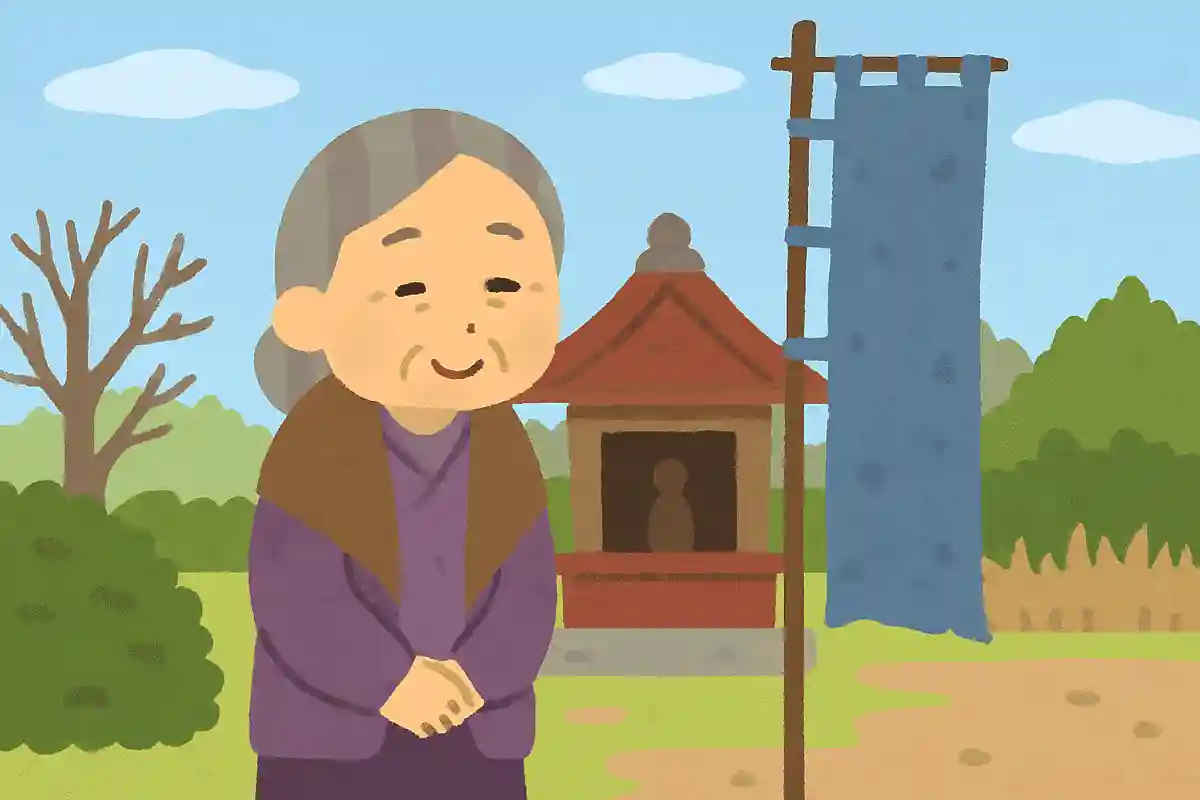
Hatsu-uma is a spring season word, referring to the festival held at Inari shrines on the first Day of the Horse in February.
Deriving from “ine-nari, inari,” meaning rice bearing grain, Hatsu-uma festivals have been held at Inari shrines across Japan to pray for abundant harvests and prosperous business.
Although it falls in February by the modern calendar, the Hatsu-uma counted by the old lunar calendar comes in a somewhat warmer, more springlike period than February, so perhaps this verse was composed during a visit in that mild spring weather.
“Nobori” is read nobori and means a vertical banner erected as a marker.
You can picture many old banners lined up at the shrine where Hatsu-uma is being held, announcing the event.
Snow and snow—could it be the full moon of the last month tonight?Matsuo Bashō
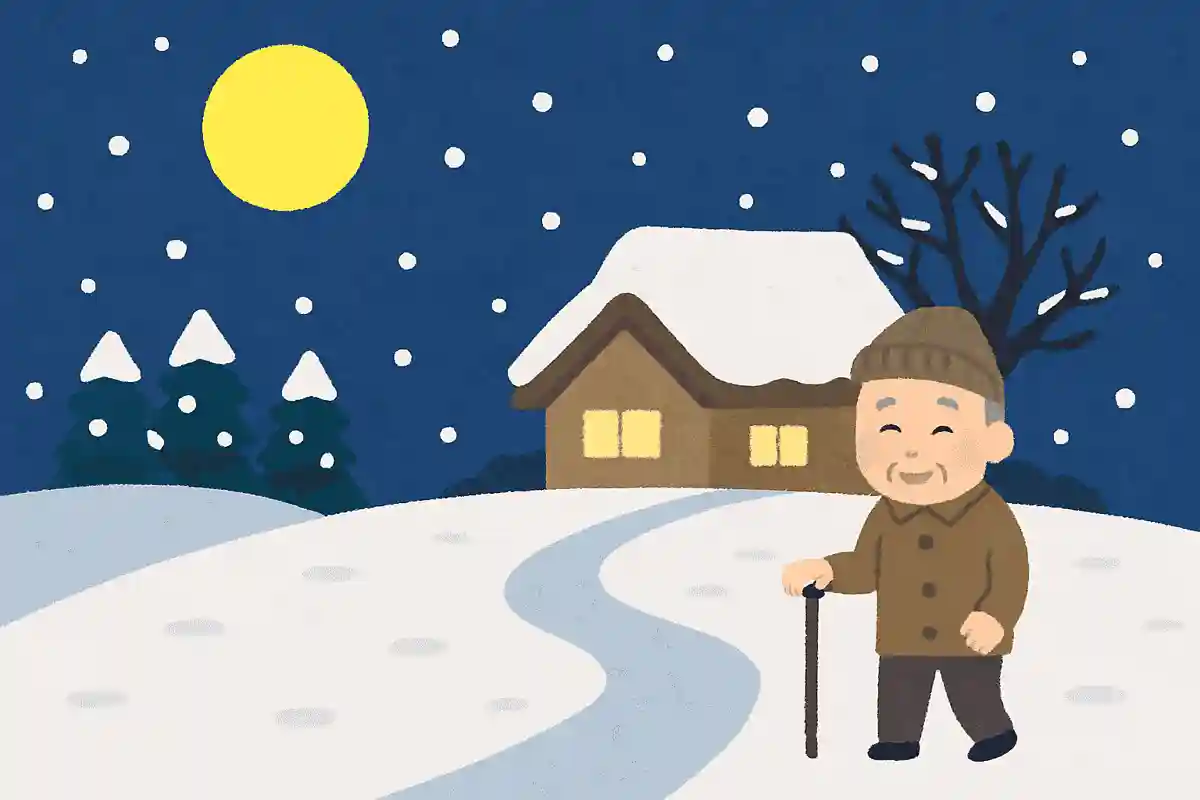
This is a haiku by Matsuo Basho, composed while gazing at the year-end (Shiwasu) night sky.
The phrase “yuki to yuki” (“snow and snow”) is thought to evoke both the falling, piling snow and the overlapping reflections of light and scenery upon the snow.
As the line “Is it the full moon of Shiwasu tonight?” suggests, even in the busy season of December, a serene and beautiful full moon shines in the night sky, creating a dreamlike scene together with the snowy landscape.
Through this verse, Basho conveys the sensibility of pausing to notice nature’s beauty and stillness amid the year-end bustle.
Reading it in early December lets you savor the arrival of winter and the quiet joy of a moonlit night.
