

[For Seniors] Winter Haiku: Introducing Beautiful Masterpieces by Famous Haiku Poets

Haiku have a unique depth of flavor that belongs to the winter season.
From the cold moon and the first winter showers to the soft fall of snow, there are countless famous verses that richly capture these scenes.
For older readers in particular, encountering haiku filled with nostalgic landscapes and memories can warm and soothe the heart.
This time, we will introduce winter haiku composed by Japan’s leading poets, such as Matsuo Bashō and Yosa Buson.
We have carefully selected beautiful verses that conjure vivid scenes the moment you close your eyes.
Why not relax and immerse yourself in the world of haiku, while also noting the playful expressions and turns of phrase?
- [For Seniors] Winter songs you'll want to hum along to. A collection of classic tunes recommended for BGM and recreational activities
- [For Seniors] Fun Winter Activities: Recreation and Games
- Hand games that liven things up for seniors—also great brain training
- [For Seniors] Introducing Whiteboard Activities to Enjoy in Winter!
- [For Seniors] Haiku for March: Enjoying a Spring Moment with Famous Verses
- [For Seniors] Enjoy the Cold Winter! Simple, Recommended Crafts
- [For Seniors] Get Through the Chilly February! Recommended Health-Themed Recreations
- [For Seniors] Enjoy the Cold Winter! Seated Activities You Can Do
- [For Seniors] Spring Haiku. Spring Activity
- [For Seniors] Extremely Effective Brain Training! A Fun Collection of Hand Games
- [For Seniors] Brain-training with winter-themed quizzes. Great for activities, killing time, and dementia prevention.
- [For Seniors] Hand and finger play roundup: Finger exercises that lead to brain training
- [For Seniors] Fun Riddles That Stimulate the Brain
[For Seniors] Winter Haiku: Introducing Beautiful Masterpieces by Famous Haiku Poets (11–20)
Winter chrysanthemums—what they wear is only their own light.Akiko Mizuhara
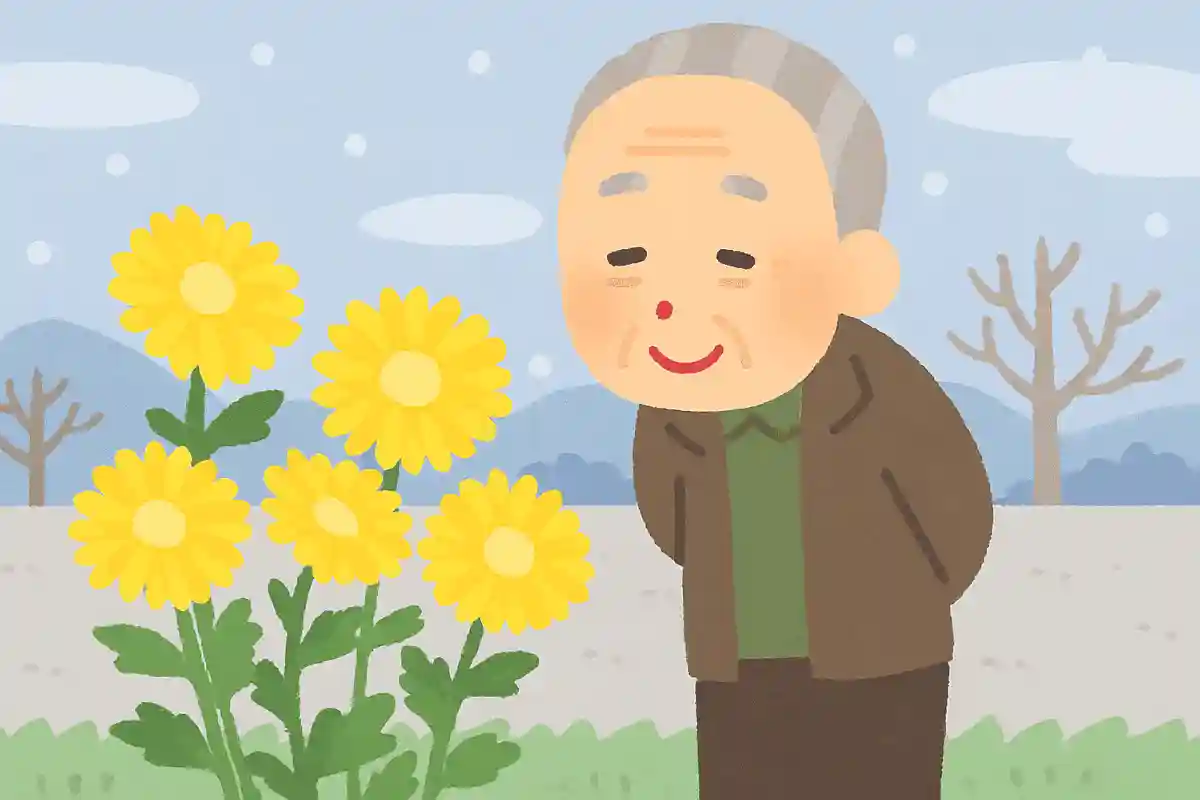
Here is a winter haiku composed by Akitoshi Mizuhara, who was also a medical doctor.
A disciple of Takahama Kyoshi, he is known as a representative haiku poet of the Hototogisu school.
This poem depicts a white chrysanthemum blooming in a winter garden where everything else has withered, clad only in its own radiant presence and standing there with a divine aura.
It beautifully conveys both the plant’s inherent beauty and its solitary dignity.
All of his seasonal poems are wonderful, so please take the time to appreciate them.

Anyway, leaving it all up to you, the year comes to an end.Kobayashi Issa
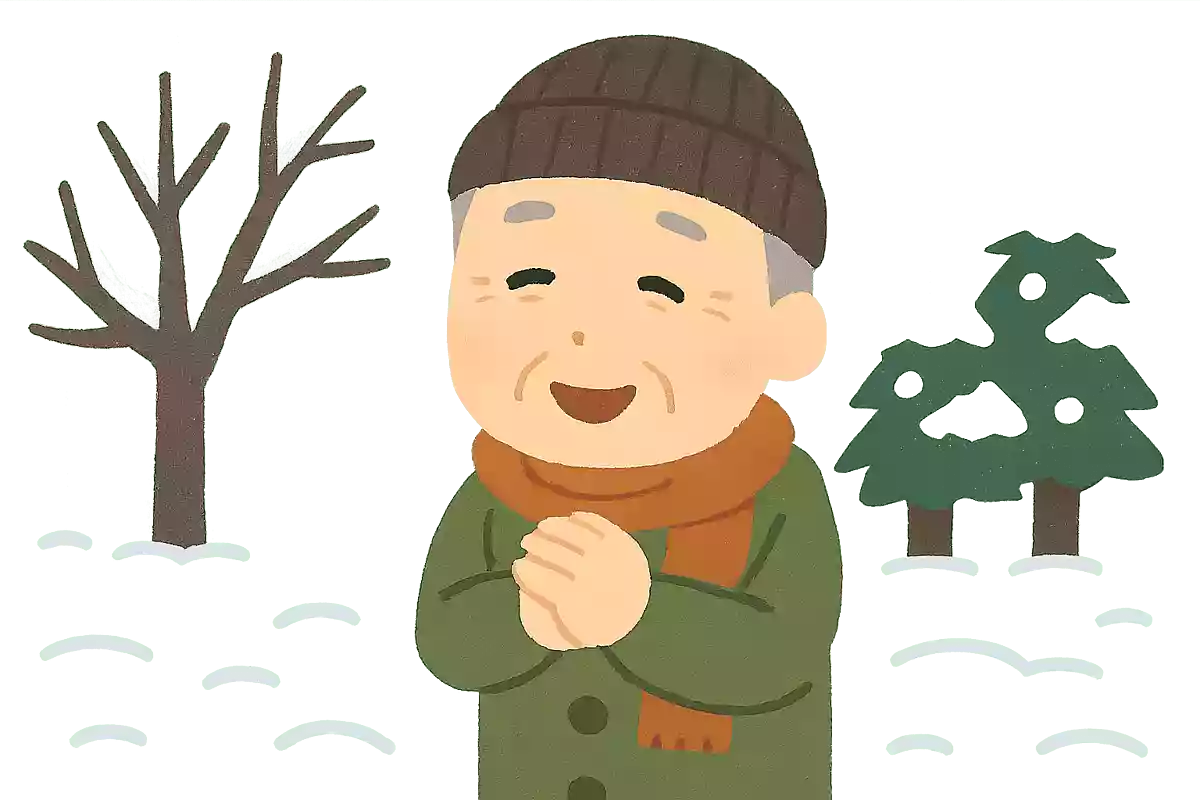
Kobayashi Issa, famous as one of the three great haiku poets of the Edo period, composed the haiku “Tomokaku mo anata makase no toshi no kure” at the end of a certain year.
Kobayashi Issa is also known as a devotee born into a Jōdo Shinshū household.
In this haiku, the “anata” (you) refers to Amida Buddha.
It conveys the sentiment: “This year had many hardships, but no matter what the year was like, Amida Buddha unfailingly extends a saving hand.
With peace of mind, let us move forward.”

Cold moon—at the gateless temple the sky soars high.Yosa Buson
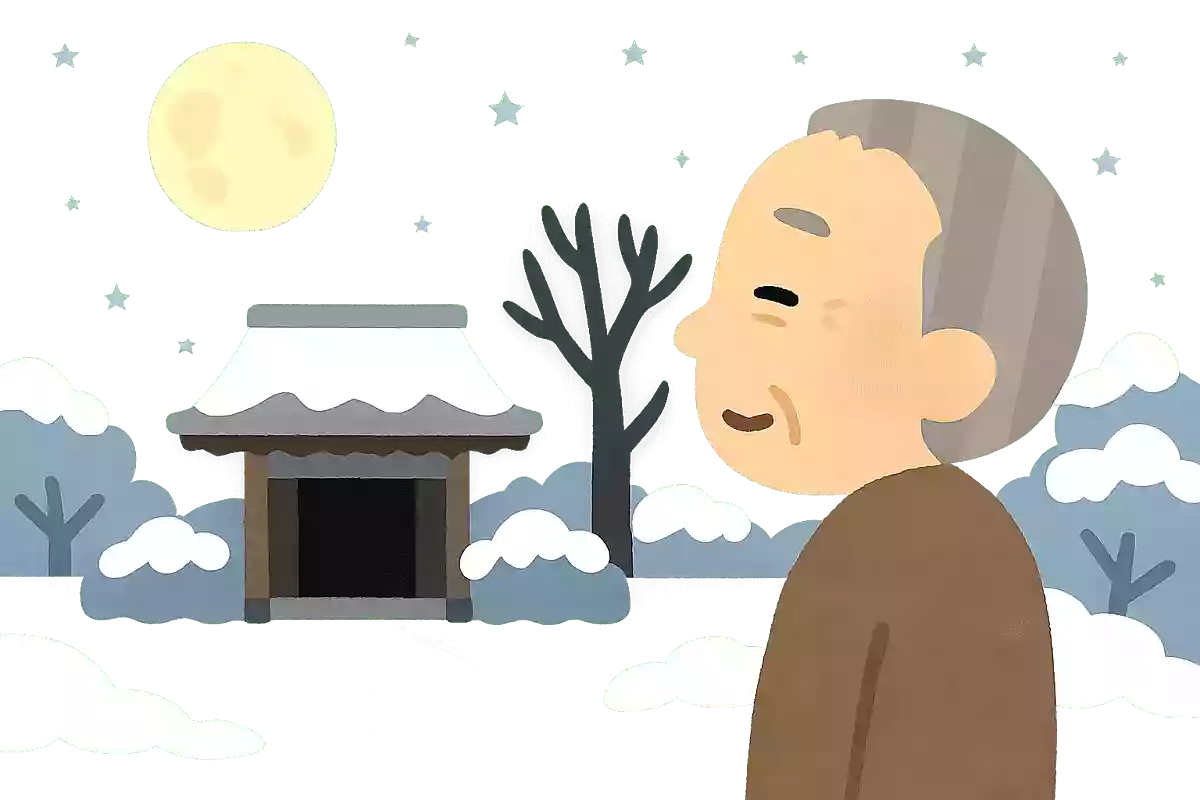
Yosa Buson was a haiku poet active in the Edo period.
Yosa Buson, Matsuo Bashō, and Kobayashi Issa are said to be the three most renowned haikai poets of the Edo era.
If you’re working with older adults who enjoy haiku, some may be familiar with Yosa Buson.
“Kangetsu ya / mon naki tera no / ten takashi” is a verse by Buson, who was also a painter; it feels like a painting or a sketch from life.
Its meaning is that on a cold night, high above the clear sky of a temple that has not even a small gate, the moon shines with piercing clarity.
When we simply say “moon,” it may evoke a gentle autumn atmosphere.
By saying “cold moon,” it conveys a moon that casts a keen light in the chilly night sky.
Try using seasonal words skillfully and let the sense of the seasons guide you as you compose haiku with older adults.

New Year’s Eve — such is the fate of a world without certainties.Ihara Saikaku
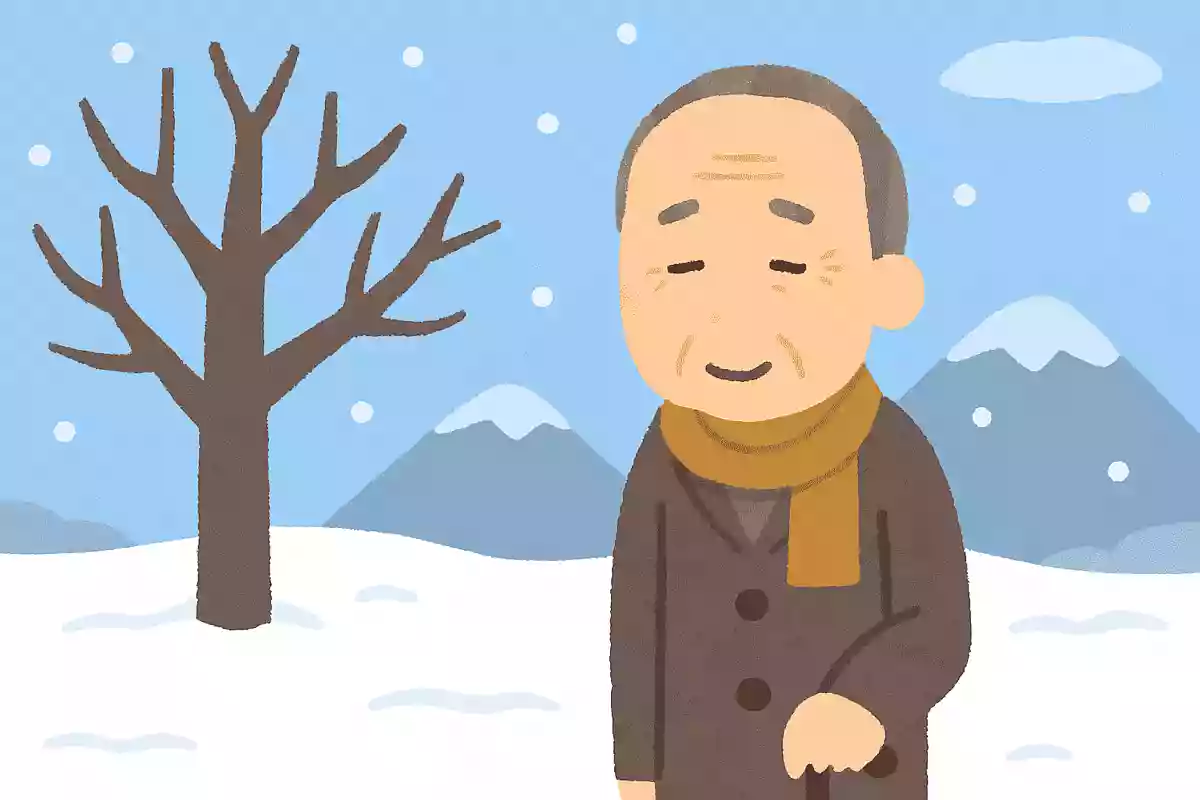
“New Year’s Eve—such is the fate of a world without set order.” In this haiku, Ihara Saikaku, a popular haikai poet of the Edo period, expressed the idea that even though the order we are supposed to uphold in this world has fallen away and each day is full of uncertainty, New Year’s Eve arrives right on time every year.
In our daily lives, there are many things that don’t go as we wish.
Even when the days keep going badly, for better or worse, New Year’s Eve will come.
Let’s face today with a positive spirit and get through it.
It looks delicious—snow drifting down, softly, softly.Kobayashi Issa
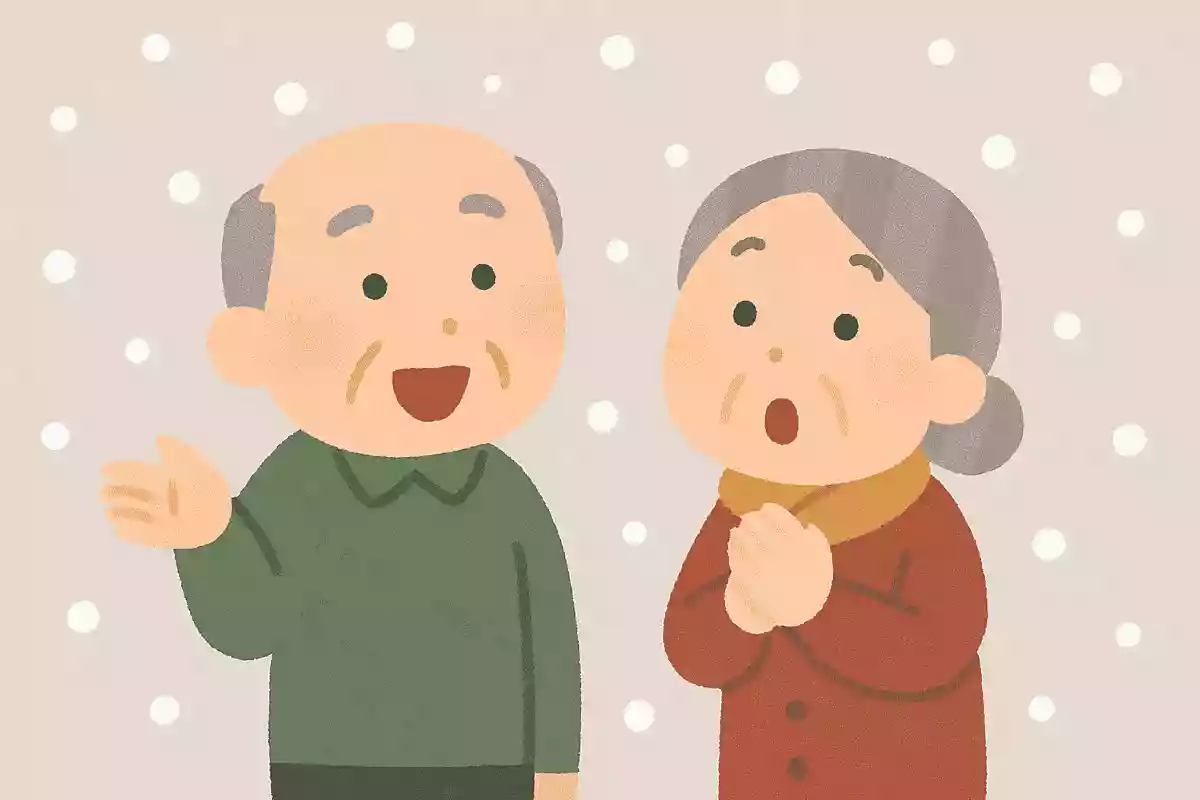
When you watch snow drifting down from the sky, it can spark all kinds of imaginings.
The fleeting, delicate nature of snow that soon melts away; or, if you’re a child, the hopeful wish for a big snowfall.
Kobayashi Issa’s haiku, “Umasaōna / yuki ga fūwari / fuwari kana,” also conjures up a vivid image of winter snow.
The haiku means that delicious-looking snow is floating down, softly and lightly.
By describing the snowfall as fūwari fūwari—softly, gently—it evokes an association with cotton candy.
Haiku allows older adults, too, to joyfully express what they feel, so I’d love for them to try composing some as well.
Off they go, the children dash—Gyokuro.Matsuo Bashō
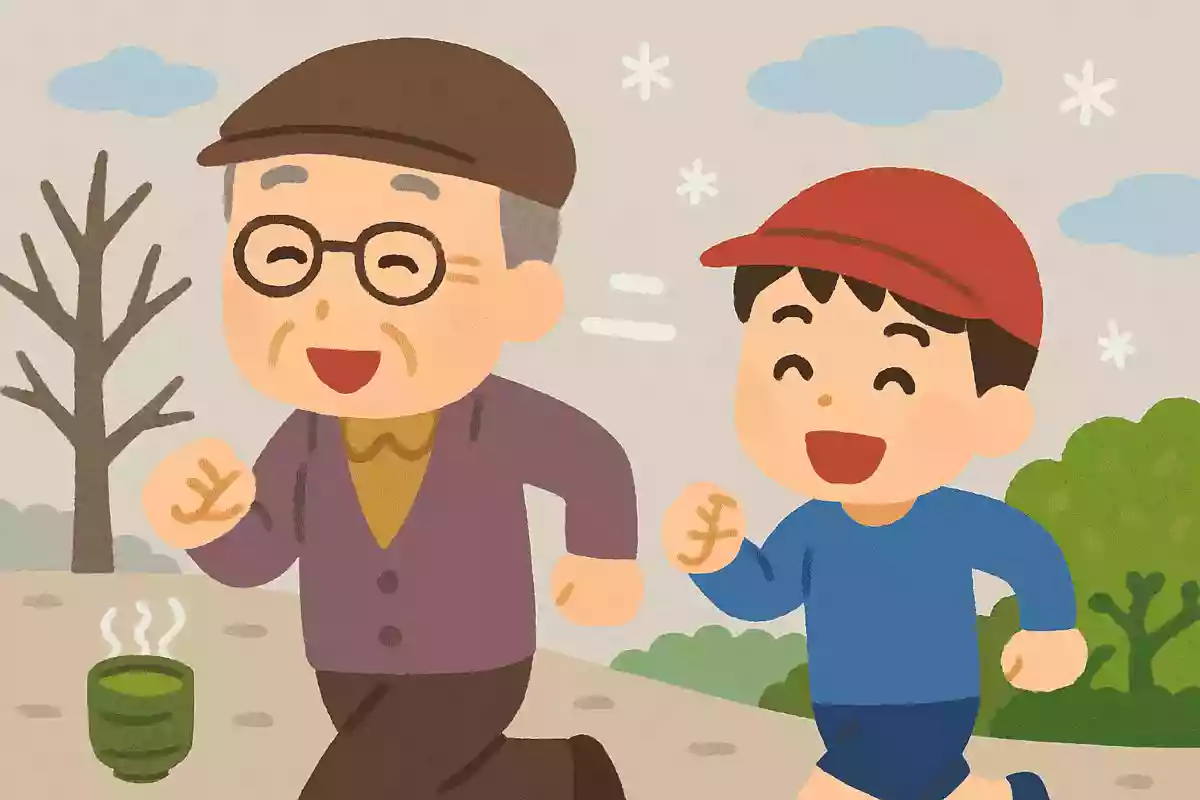
From Matsuo Basho’s haiku “Come on, children—let’s run about—tama-zarame,” we can glimpse the lively energy of children.
The haiku means: “Come, children, the hail is falling.
Let’s run around full of spirit—vigor is what matters most.” The word tama-zarame, which appears in the haiku, is a winter season word likening the beauty of hail to jewels.
In the past in Japan, even when hail or snow fell in winter, you could see children playing energetically outside.
It’s a sight that has become rarer these days.
This haiku is one that may also prompt older people to recall memories of forgetting the cold and playing when they were children.
[For Seniors] Winter Haiku: Introducing Beautiful Masterpieces by Famous Haiku Poets (21–30)
On the first Horse Day, sunlight falls on the seed sellersYosa Buson
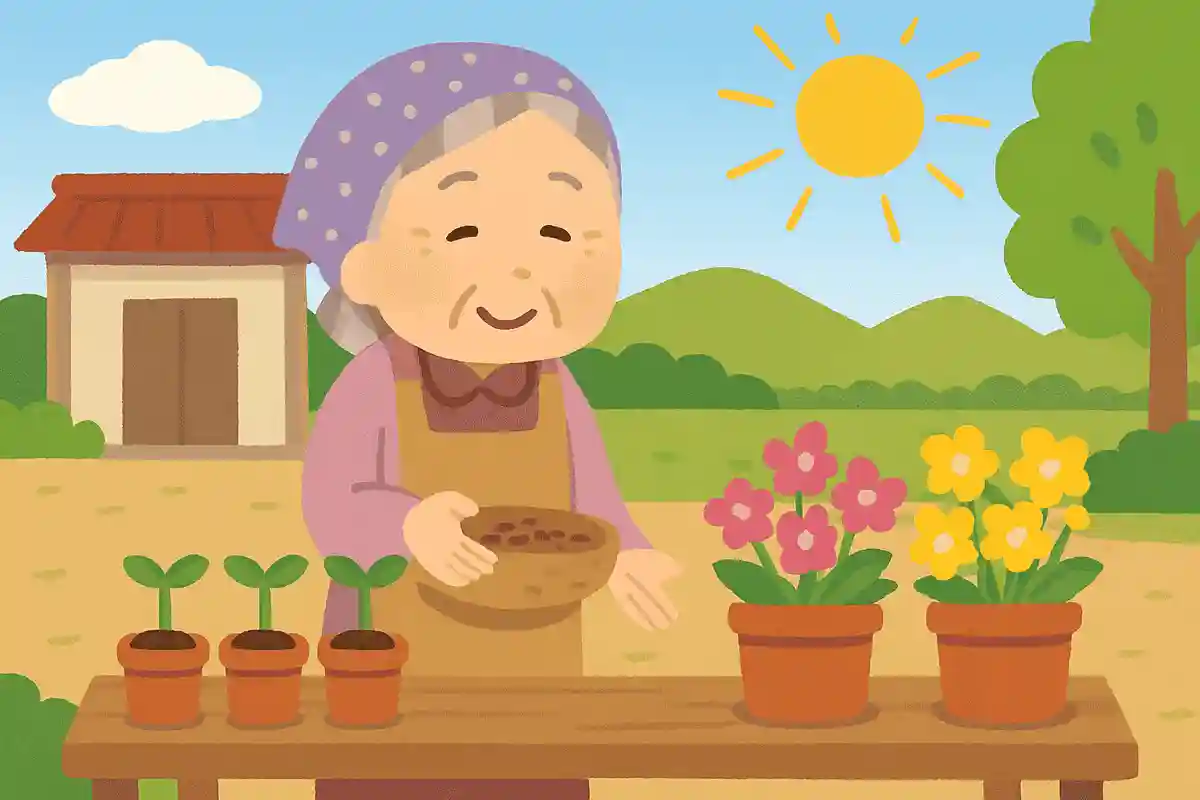
Hatsuuma refers to the Day of the Horse that falls at the beginning of February, and because it marks the enshrinement of the Inari deity, it is known as a day when festivals are held at Inari shrines nationwide.
These festivals are meant to pray for abundant harvests and thriving business.
That’s why the seed sellers on this day may seem to be basking in bright sunshine.
Hatsuuma is also a seasonal word for spring, so it may convey the warm, lively atmosphere that awaits beyond the cold winter.
This is a well-known haiku that uses Hatsuuma, so please feel free to remember it.
