

[For Seniors] Winter Haiku: Introducing Beautiful Masterpieces by Famous Haiku Poets


Haiku have a unique depth of flavor that belongs to the winter season.
From the cold moon and the first winter showers to the soft fall of snow, there are countless famous verses that richly capture these scenes.
For older readers in particular, encountering haiku filled with nostalgic landscapes and memories can warm and soothe the heart.
This time, we will introduce winter haiku composed by Japan’s leading poets, such as Matsuo Bashō and Yosa Buson.
We have carefully selected beautiful verses that conjure vivid scenes the moment you close your eyes.
Why not relax and immerse yourself in the world of haiku, while also noting the playful expressions and turns of phrase?
- [For Seniors] Winter songs you'll want to hum along to. A collection of classic tunes recommended for BGM and recreational activities
- [For Seniors] Fun Winter Activities: Recreation and Games
- Hand games that liven things up for seniors—also great brain training
- [For Seniors] Introducing Whiteboard Activities to Enjoy in Winter!
- [For Seniors] Haiku for March: Enjoying a Spring Moment with Famous Verses
- [For Seniors] Enjoy the Cold Winter! Simple, Recommended Crafts
- [For Seniors] Get Through the Chilly February! Recommended Health-Themed Recreations
- [For Seniors] Enjoy the Cold Winter! Seated Activities You Can Do
- [For Seniors] Spring Haiku. Spring Activity
- [For Seniors] Extremely Effective Brain Training! A Fun Collection of Hand Games
- [For Seniors] Brain-training with winter-themed quizzes. Great for activities, killing time, and dementia prevention.
- [For Seniors] Hand and finger play roundup: Finger exercises that lead to brain training
- [For Seniors] Fun Riddles That Stimulate the Brain
[For Seniors] Winter Haiku: Introducing Beautiful Masterpieces by Famous Haiku Poets (71–80)
Soaking my fivefold body in a yuzu bath—the hinges creak like a butterfly’sKawasaki Tenhiro
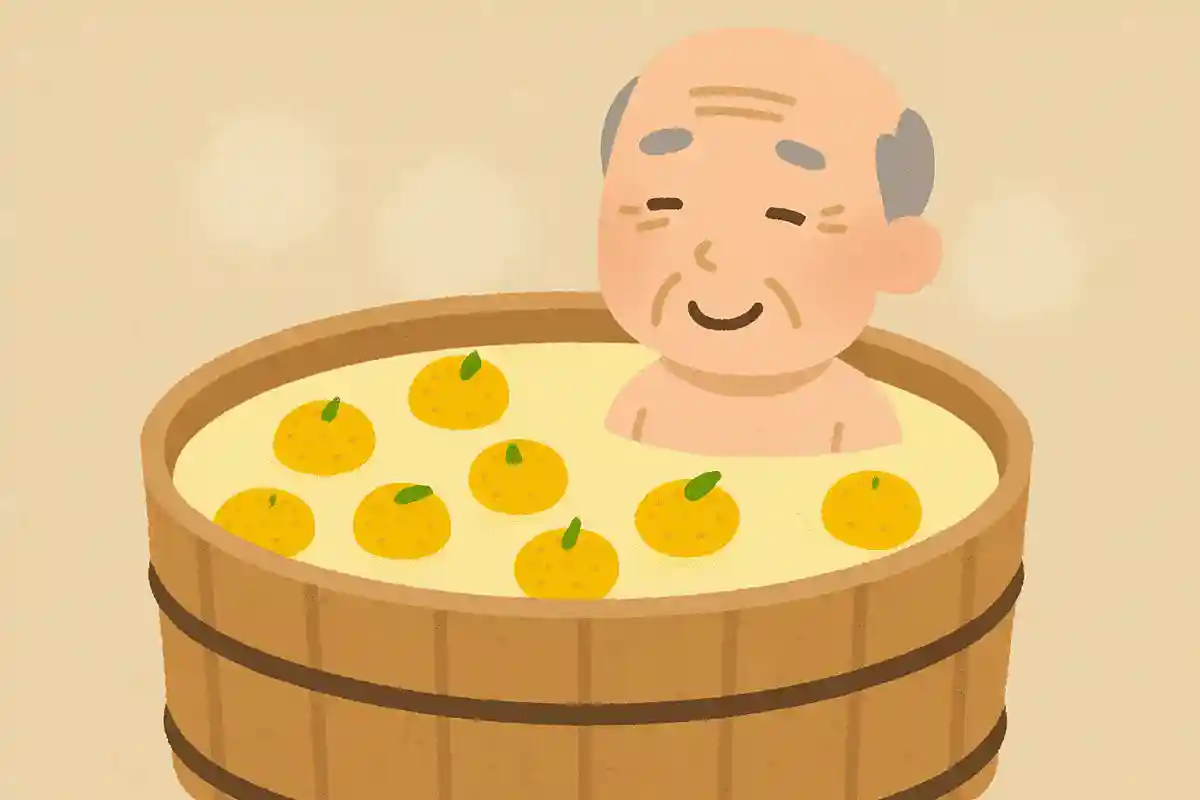
This is a haiku by Kawasaki Tenko that humorously depicts a warm family scene around the winter solstice in December.
“Yuzu bath” refers to the tradition of taking a bath with floating yuzu citrus on the solstice, warming the body and wishing for good health.
“The hinges of the five limbs” likens the body’s joints to door hinges, playfully expressing the act of carefully warming each part of oneself.
Even amid the cold of winter, Kawasaki seems to cherish the warmth of home and the small pleasures of everyday life.
On a chilly December day, the fragrance and warmth of yuzu bring comfort to body and heart—an affectionate, gently humorous verse.

The season’s first autumn shower—I find myself fondly longing for someone, waiting.Ritsuko Hoshino
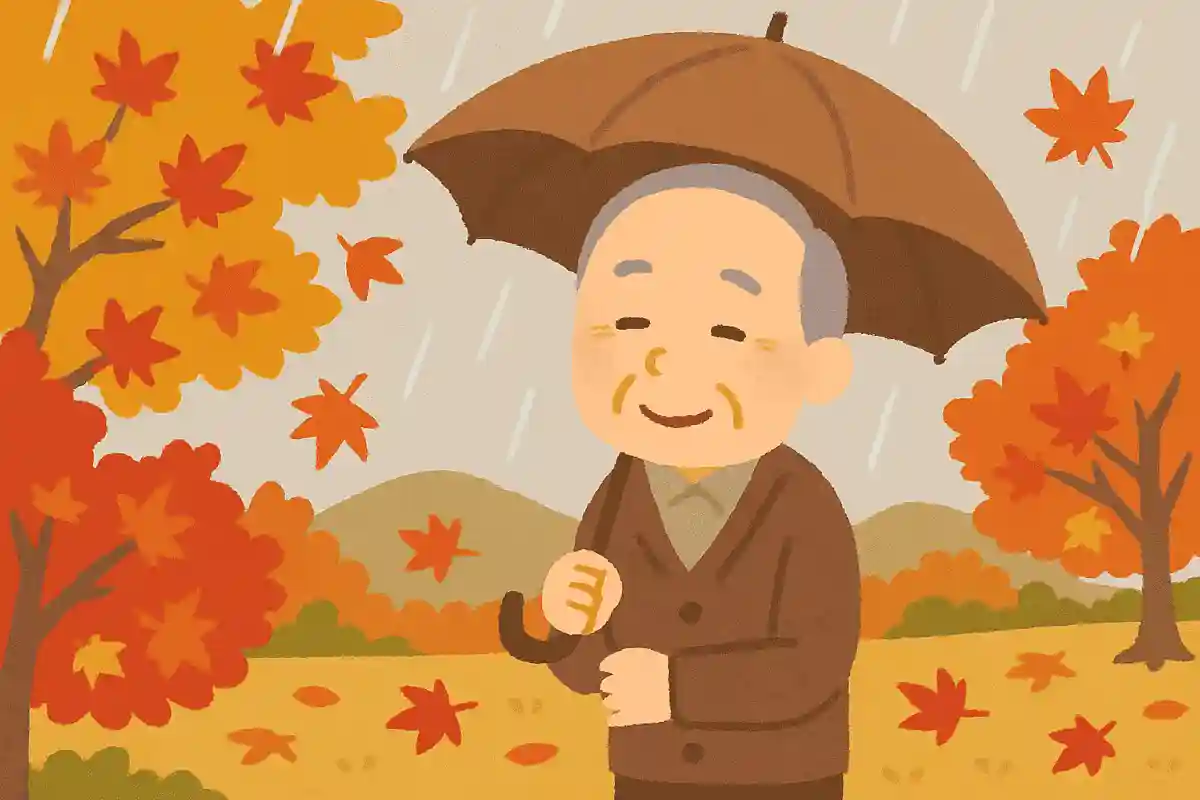
Tatsuko Hoshino was a haiku poet of the Meiji era and the second daughter of Takahama Kyoshi.
“First winter shower—how I long for people, and I keep on waiting.” The seasonal word here is “first winter shower” (hatsu-shigure), meaning a sudden rain that falls between autumn and winter.
The poem portrays someone waiting, feeling lonely and yearning, for a beloved person to arrive in the slightly chilly weather of such rain.
How long have they been waiting? In an era when communication wasn’t as easy as it is today, one simply waited for the beloved to come—conveying a poignant, fleeting atmosphere.

The north wind blows—there goes the figure, seen from behind.Aran-seki Hattori
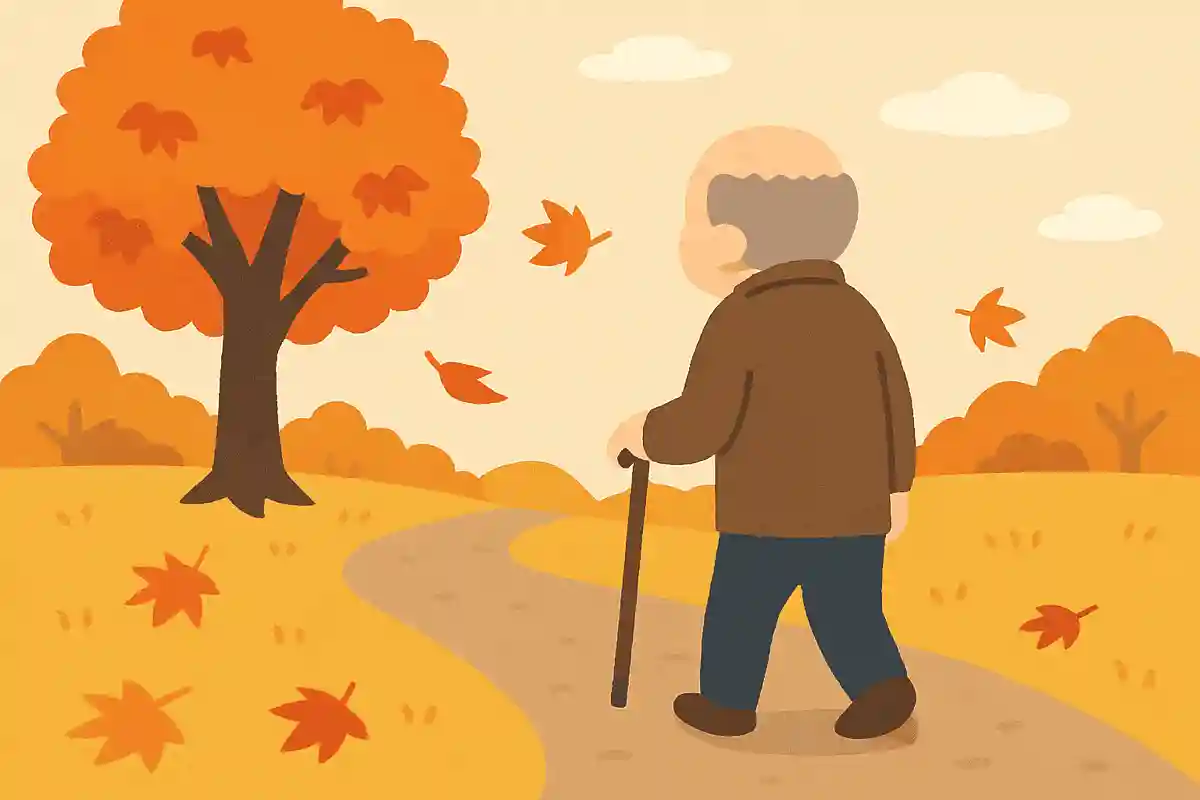
Hattori Ransetsu was a haiku poet of the Edo period and is regarded as a leading disciple of Matsuo Basho, from whom he learned haikai.
The verse “Kogarashi no / fukiyuku ushiro / sugata kana” was composed by Hattori Ransetsu when his master, Basho, set out on a journey.
It is not merely about being blown by a wintry wind; it was written to bless Basho’s prospects and to express a feeling of farewell.
“Kogarashi” refers to a cold wind strong enough to scatter the leaves from the trees.
From the phrase “fukiyuku” (blowing onward), one can sense a vigor in the figure of Basho’s departing back.
A balmy autumn day— / a red dragonfly sits / biting a stoneMurakami Kijo
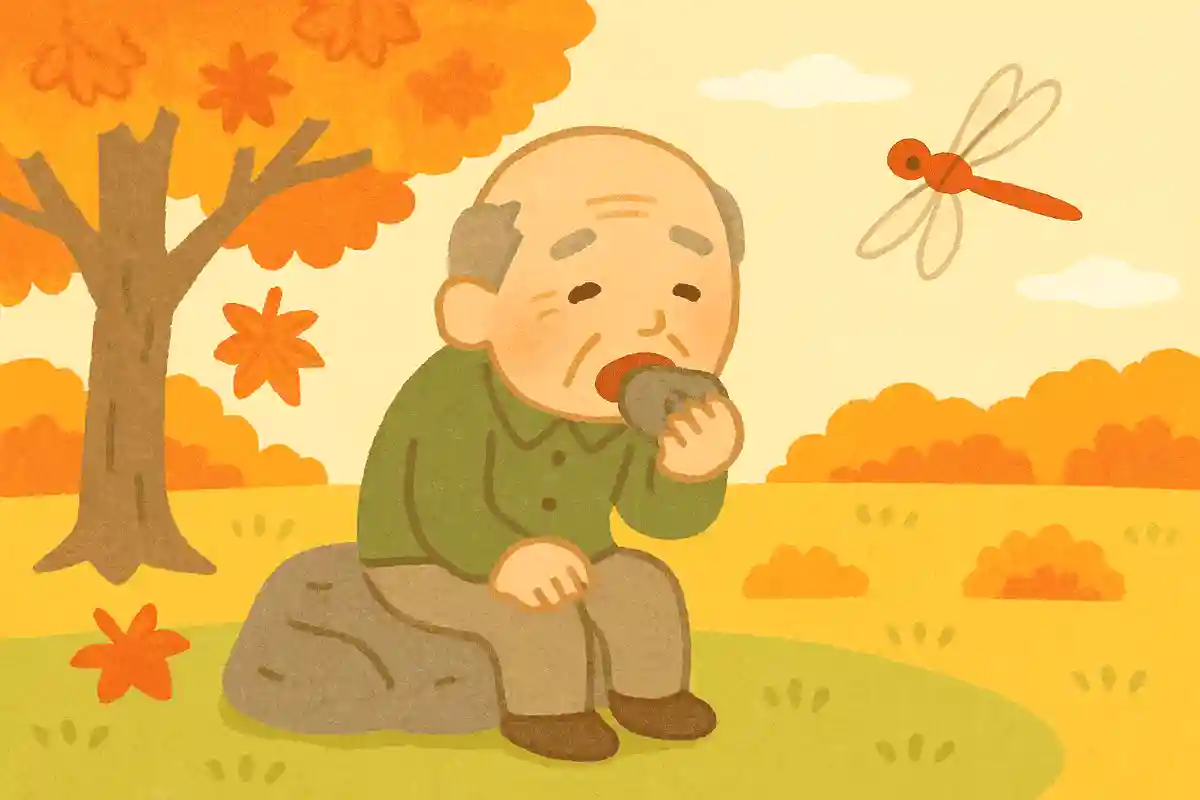
This is a verse about the gentle “koharu-biyori,” the mild spell before winter sets in.
“Koharu-bi” refers to warm, springlike sunshine that appears at the beginning of winter.
The phrase “a red dragonfly biting a stone” depicts a red dragonfly resting on a stone in a sunny spot, so still it looks as if it were holding the stone in its mouth.
Even in the cold, the dragonfly savoring a brief moment of warmth conveys both the quiet and the resilience of life in nature.
Bathed in the soft November light, it is a warm little poem that lets you feel the turn of the seasons and the tender warmth of a small life.
First snow— on the half-crossed bridgeMatsuo Bashō
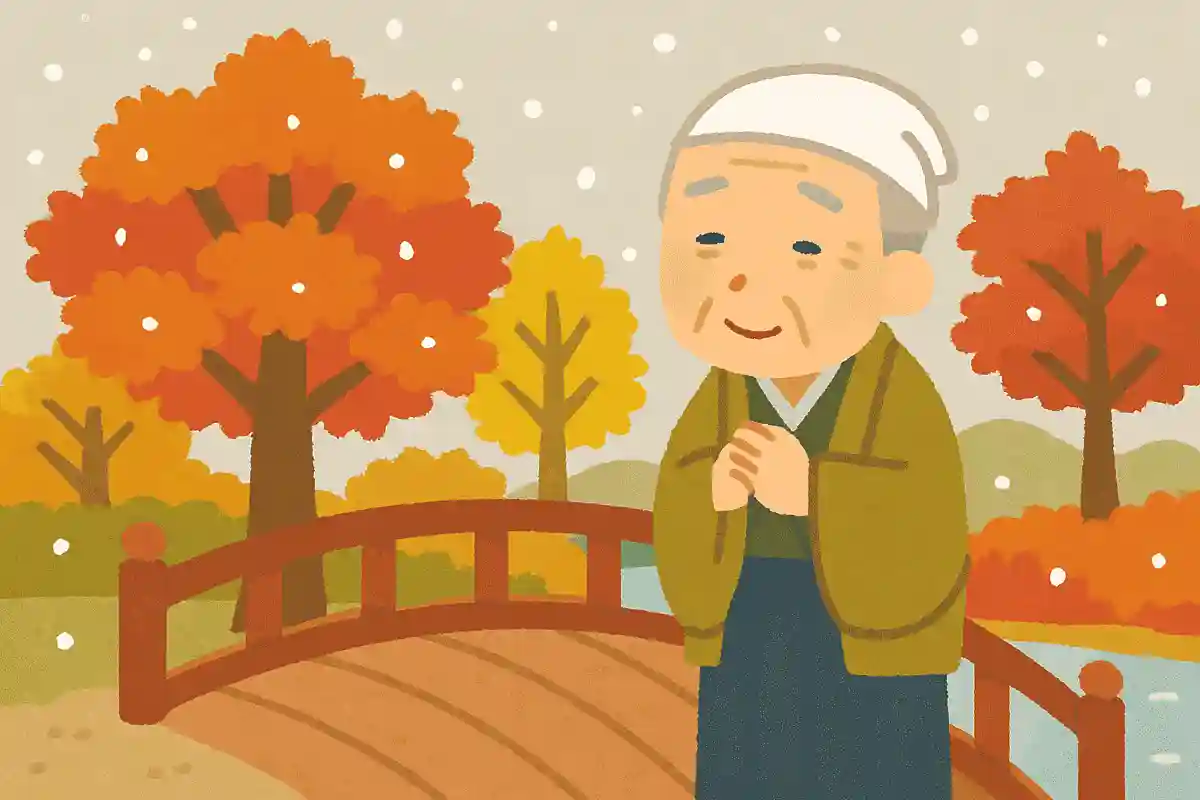
This is a haiku by Matsuo Bashō depicting a quiet scene at the beginning of winter.
“First snow” refers to the first snowfall of the year—not yet enough to blanket the ground, just flakes gently drifting down from the sky.
“On the bridge, just as one is starting to cross” means he was right at the point of stepping onto the bridge.
Encountering the first snow during his journey, Bashō likely paused on the bridge and deeply felt the arrival of winter.
One senses the stillness within the cold, and a calm acceptance of the changing seasons.
It is a verse well-suited to November’s first snow, where a traveler’s reflections gently overlap with the beauty of nature.
Clams—may there be reason to live—year’s end.Matsuo Bashō
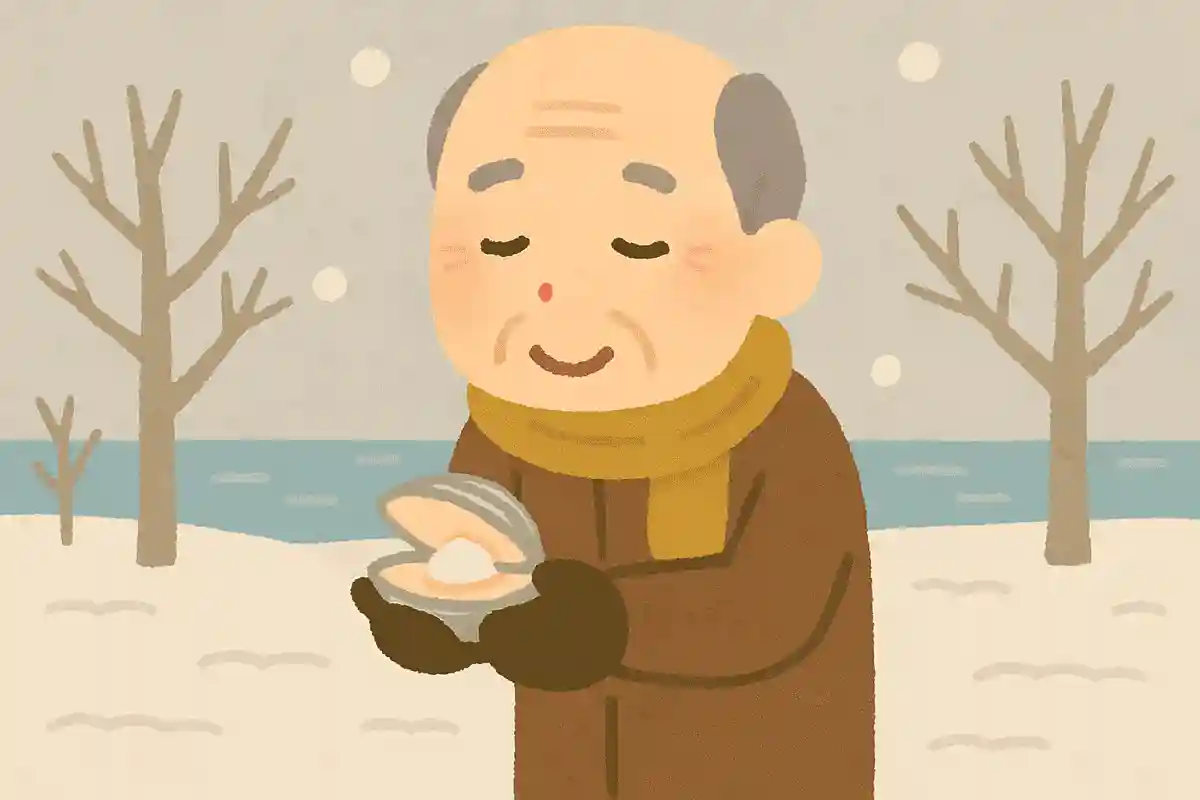
This is a haiku by Matsuo Bashō that quietly captures the scene from late autumn into early winter, at the year’s end.
The phrase “hamaguri no ikeru kai are” conveys the joy of fully appreciating the taste and value of clams—taking the time and care to savor them.
Adding clams to the table at year’s end is a small pleasure that lets one feel the turn of the seasons and enrich everyday life.
Through this verse, Bashō expresses the delight of partaking in nature’s bounty at the close of the year and the mindset of noticing the small happinesses of daily life.
You can feel the quiet approach of winter and the calm mood of seeing the year out.
At the end of the road— a lodging in the valley where crimson leaves fallMorikawa Kyoroku
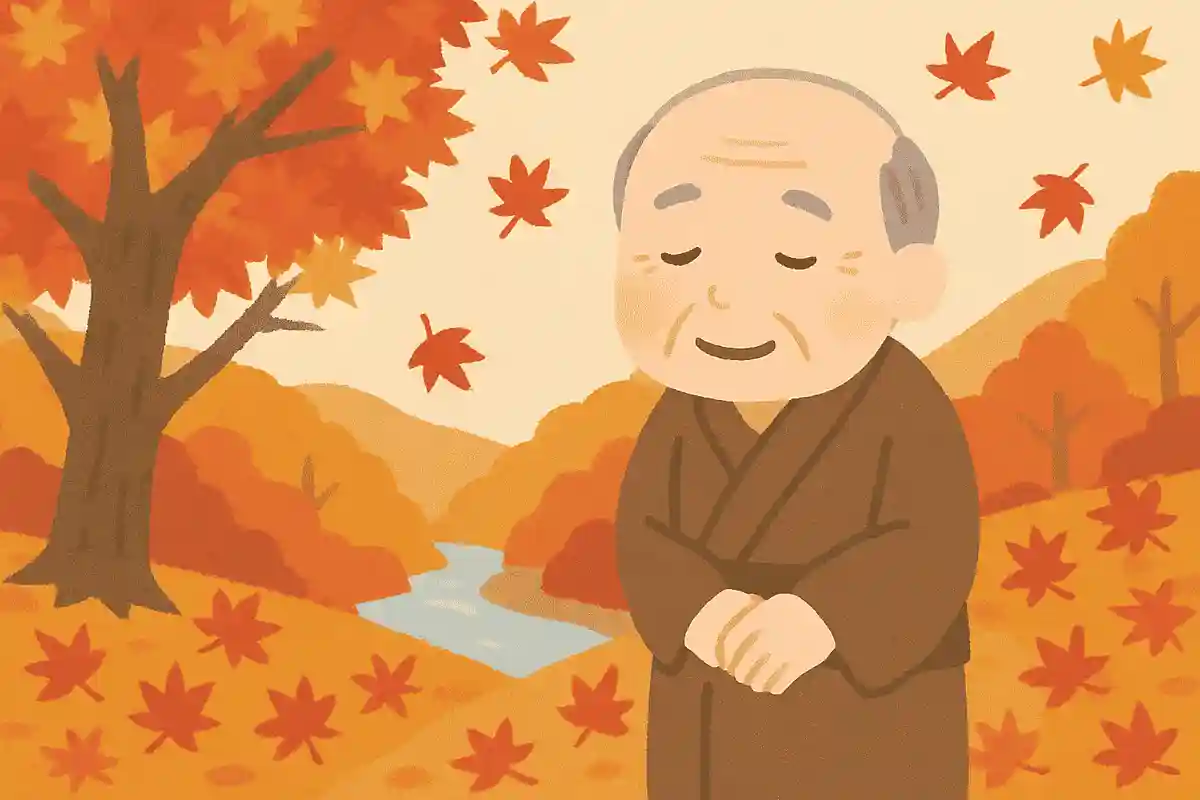
It describes a quiet mountain scene at the end of autumn.
“Iki-ataru” means that the path comes to an end where it runs into a ravine.
As you walk along the mountain trail, you eventually reach a deep valley where the path stops.
In that tranquil hollow, the phrase “the valley’s end where scarlet leaves fall” expresses the sight of autumn leaves fluttering down.
In the hush where you can almost hear the leaves as they drop, you sense autumn ending and winter drawing near.
It’s an evocative November verse that suggests the end of a journey or the close of the year.