

[For Seniors] Winter Haiku: Introducing Beautiful Masterpieces by Famous Haiku Poets


Haiku have a unique depth of flavor that belongs to the winter season.
From the cold moon and the first winter showers to the soft fall of snow, there are countless famous verses that richly capture these scenes.
For older readers in particular, encountering haiku filled with nostalgic landscapes and memories can warm and soothe the heart.
This time, we will introduce winter haiku composed by Japan’s leading poets, such as Matsuo Bashō and Yosa Buson.
We have carefully selected beautiful verses that conjure vivid scenes the moment you close your eyes.
Why not relax and immerse yourself in the world of haiku, while also noting the playful expressions and turns of phrase?
- [For Seniors] Winter songs you'll want to hum along to. A collection of classic tunes recommended for BGM and recreational activities
- [For Seniors] Fun Winter Activities: Recreation and Games
- Hand games that liven things up for seniors—also great brain training
- [For Seniors] Introducing Whiteboard Activities to Enjoy in Winter!
- [For Seniors] Haiku for March: Enjoying a Spring Moment with Famous Verses
- [For Seniors] Enjoy the Cold Winter! Simple, Recommended Crafts
- [For Seniors] Get Through the Chilly February! Recommended Health-Themed Recreations
- [For Seniors] Enjoy the Cold Winter! Seated Activities You Can Do
- [For Seniors] Spring Haiku. Spring Activity
- [For Seniors] Extremely Effective Brain Training! A Fun Collection of Hand Games
- [For Seniors] Brain-training with winter-themed quizzes. Great for activities, killing time, and dementia prevention.
- [For Seniors] Hand and finger play roundup: Finger exercises that lead to brain training
- [For Seniors] Fun Riddles That Stimulate the Brain
[For Seniors] Winter Haiku: Introducing Beautiful Masterpieces by Famous Haiku Poets (1–10)
How cold it is—when I touch a sunlit stone.Masaoka Shiki
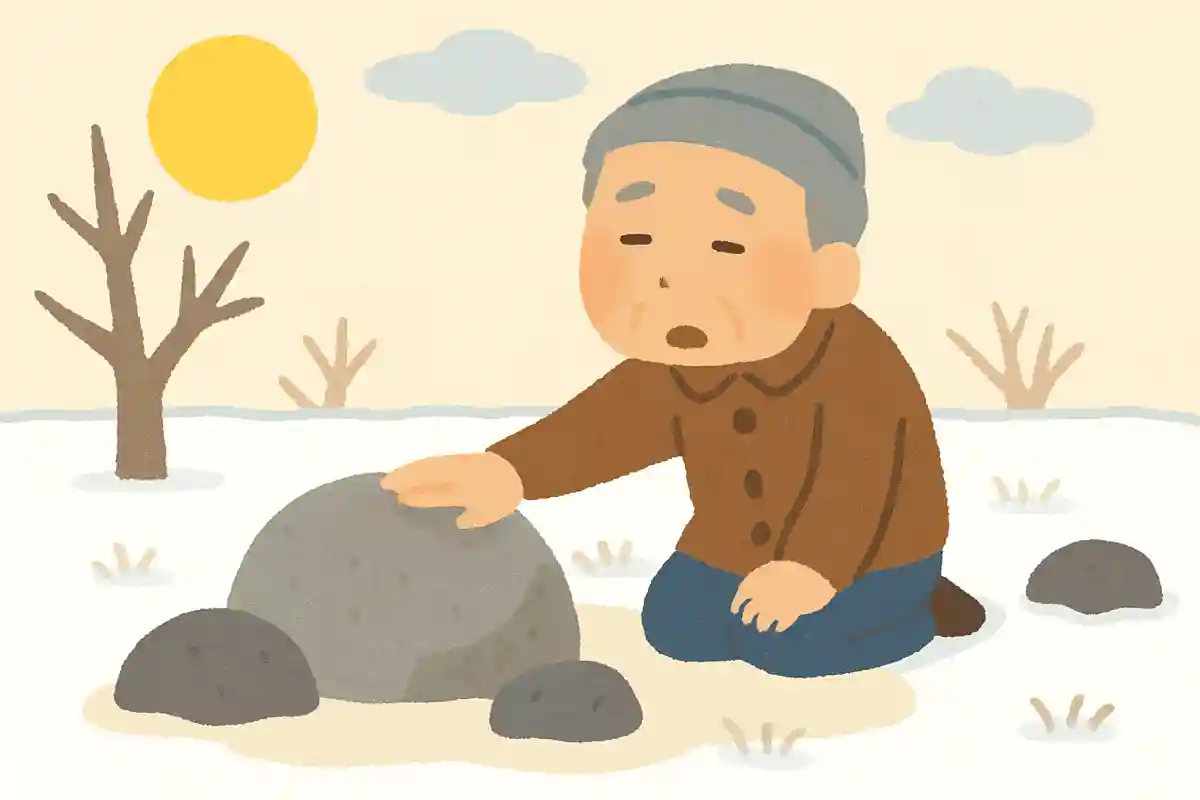
This haiku was written by Masaoka Shiki, born in 1867 in Matsuyama, Ehime.
It describes touching a sunlit stone on a winter’s day, expecting it to be warm, only to find it unexpectedly cold.
In that surprise chill, one can feel both the severity of winter and the shock of betrayed expectation, making it a deeply evocative poem.
Encountering haiku that depict the harshness of nature like this, we can’t help but associate them with the physical and emotional hardships Shiki endured, especially since he died young from tuberculosis.

Desolate, the sun sinks into stones— a withered field.Yosa Buson
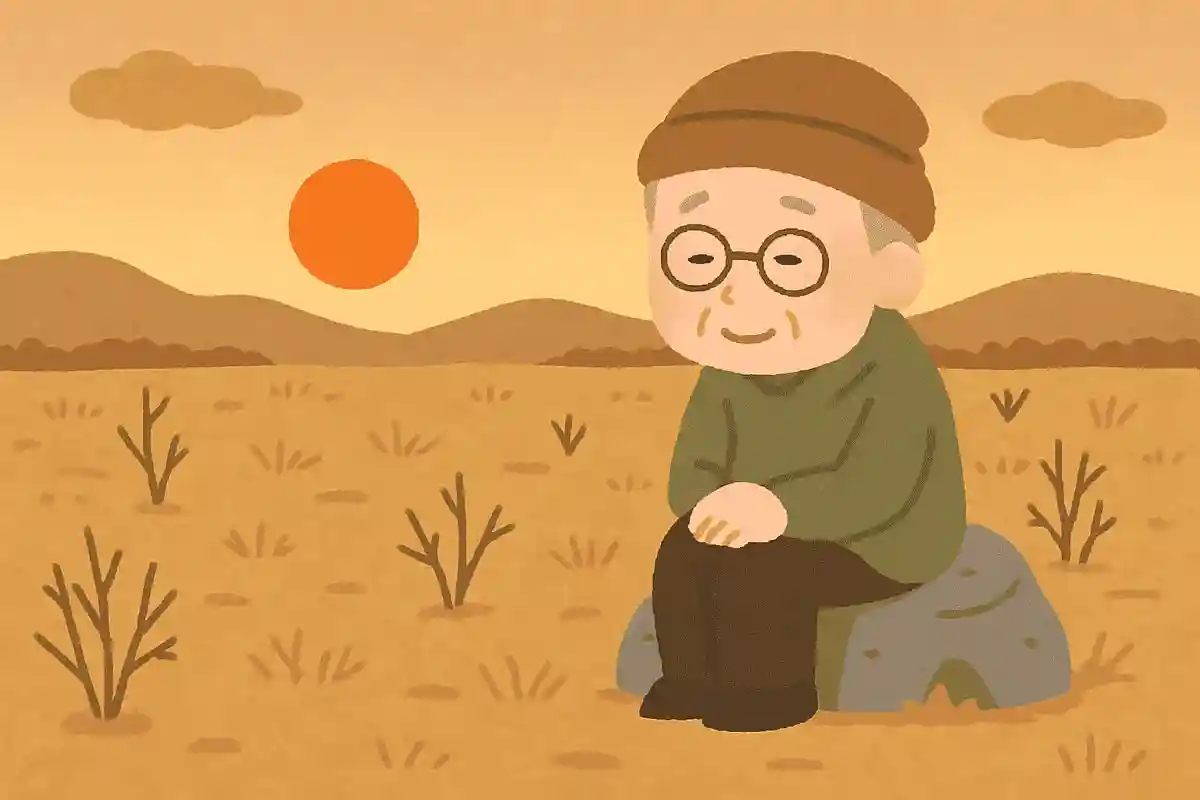
In a haiku by Yosa Buson, the desolate winter field, overgrown and withered, is portrayed as lonely and still.
It depicts a scene where the winter evening sun falls upon a stone in the withered field, and within that desolate mood one can read a sense of winter’s end and quietude.
The Sino-Japanese word shōjō (desolate) heightens and emphasizes the loneliness.
Many winter poems indeed carry a strong wabi-sabi feeling, and it seems very Japanese to find beauty within such loneliness.
New Year’s Day— under an auspicious, pale blue skyKobayashi Issa
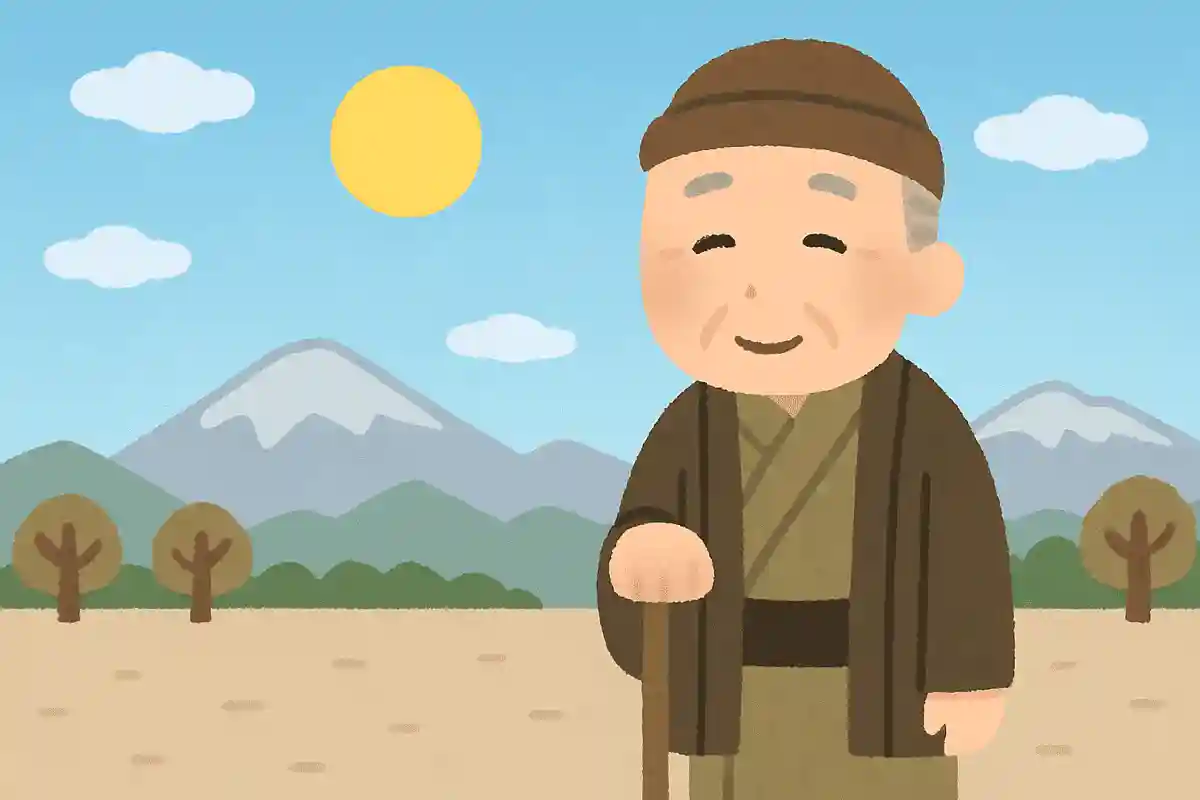
Kobayashi Issa, a haiku poet overflowing with humanism.
It is said that he composed about 22,000 haiku in his lifetime.
Remarkable, isn’t it? The sheer number makes you feel as if every image that came to him turned into a poem.
There is a New Year’s Day haiku—on the most auspicious of days—expressing that a pale, light-blue sky is spreading.
The term “asagi-iro” refers to a light indigo close to blue.
Although Issa wrote such a bright poem, his own life was far from a happy, smooth one; it seems to have been full of ups and downs.
That makes this haiku all the more revealing of the strength of his spirit.
[For Seniors] Winter Haiku: Introducing Beautiful Masterpieces by Famous Haiku Poets (11–20)
Out to the sea— the wintry tree-drying wind returns with nowhere to go.Seishi Yamaguchi
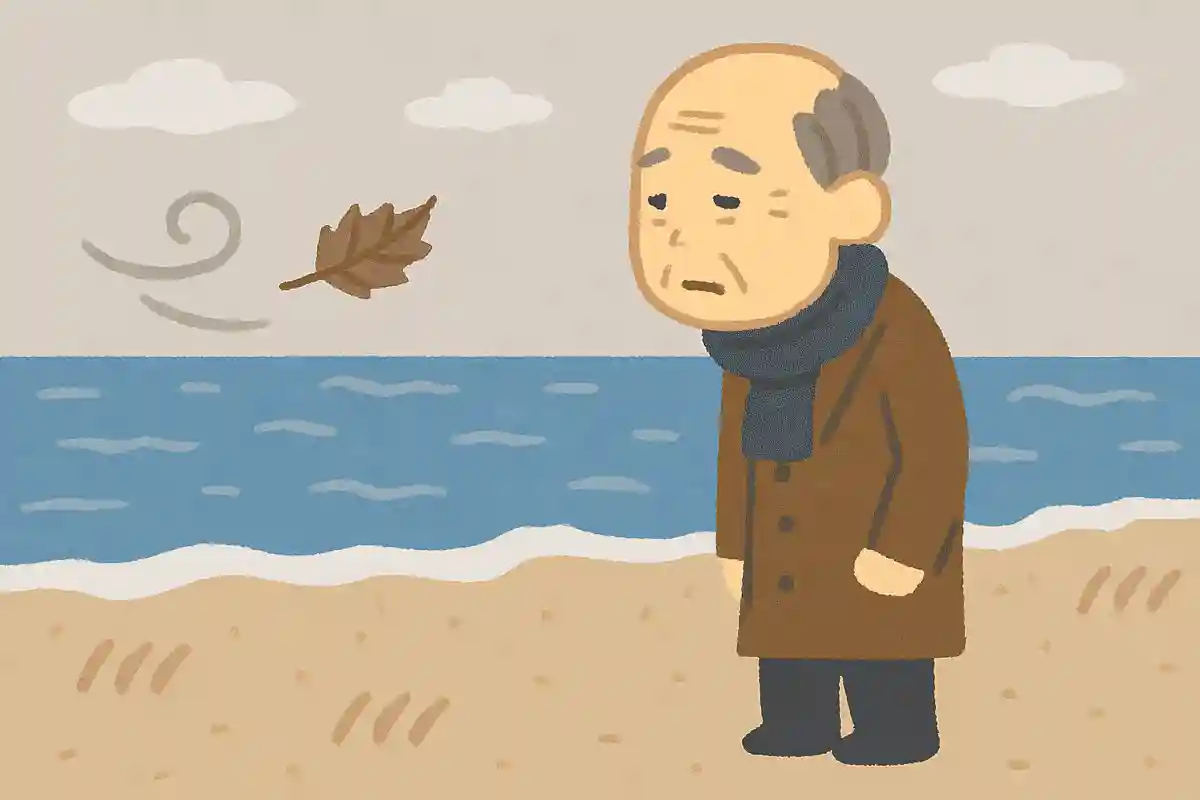
Here is a haiku that Seishi Yamaguchi composed in 1944, just before the end of the war.
It expresses the idea that the wintry wind, which rages over the land and brings cold, will vanish once it sweeps out over the sea, losing any place to return to.
It is also said to carry another meaning: the young kamikaze pilots are likened to that wintry wind plunging into the sea.
If we read it as quietly lamenting the sorrow of those pilots who could no longer return to Japan, it becomes a thought-provoking piece.
Even the sea bream’s gums feel cold at the fishmonger’s stall.Matsuo Bashō
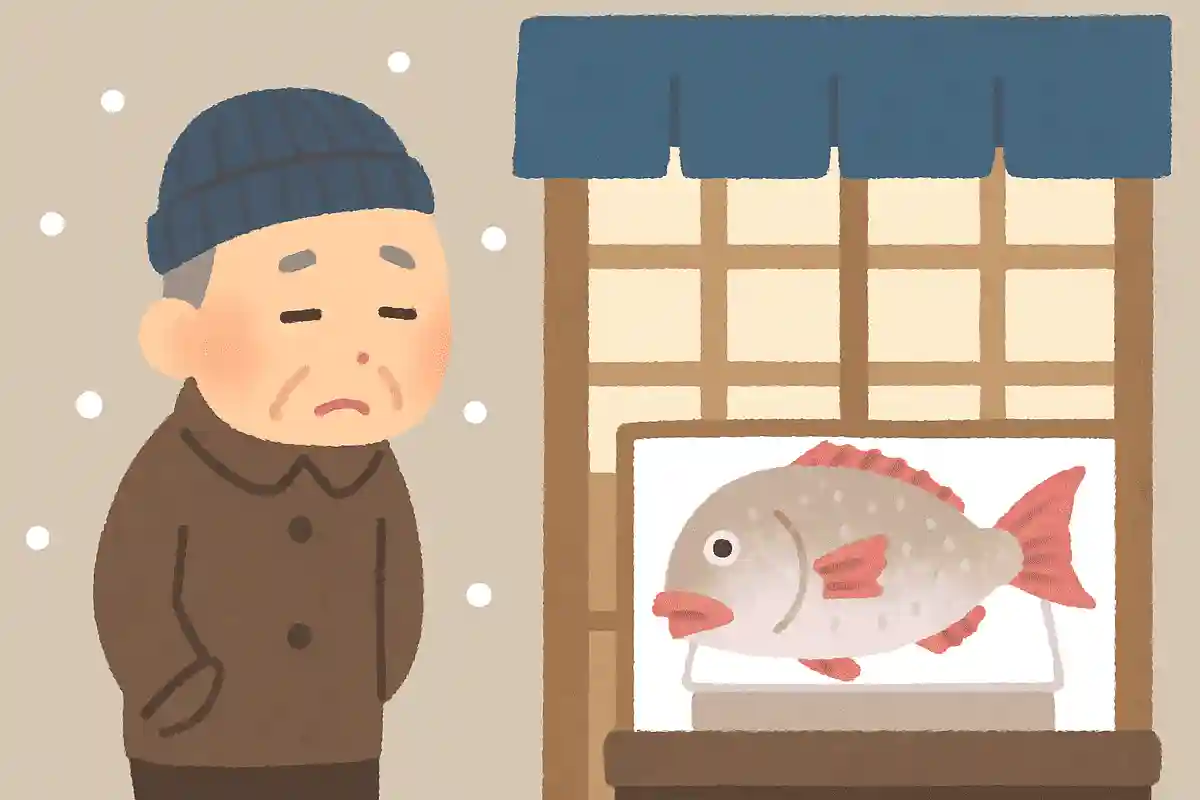
Here is a haiku by Matsuo Basho, also known for The Narrow Road to the Deep North.
It’s not freshly caught; the salted sea bream’s teeth look cold to the eye, and perhaps because the sea is rough, there aren’t many other fish lined up either.
A forlorn fishmonger’s stall—this entire scene portrays the chill of winter.
There are many ways to depict winter’s cold, but I’m moved by this scene, and I find Basho’s aesthetic sense and sensitivity—his decision to capture precisely this moment—truly beautiful and striking.
I’ve bought a house—this year, I’ll watch the snow in my garden.Masaoka Shiki
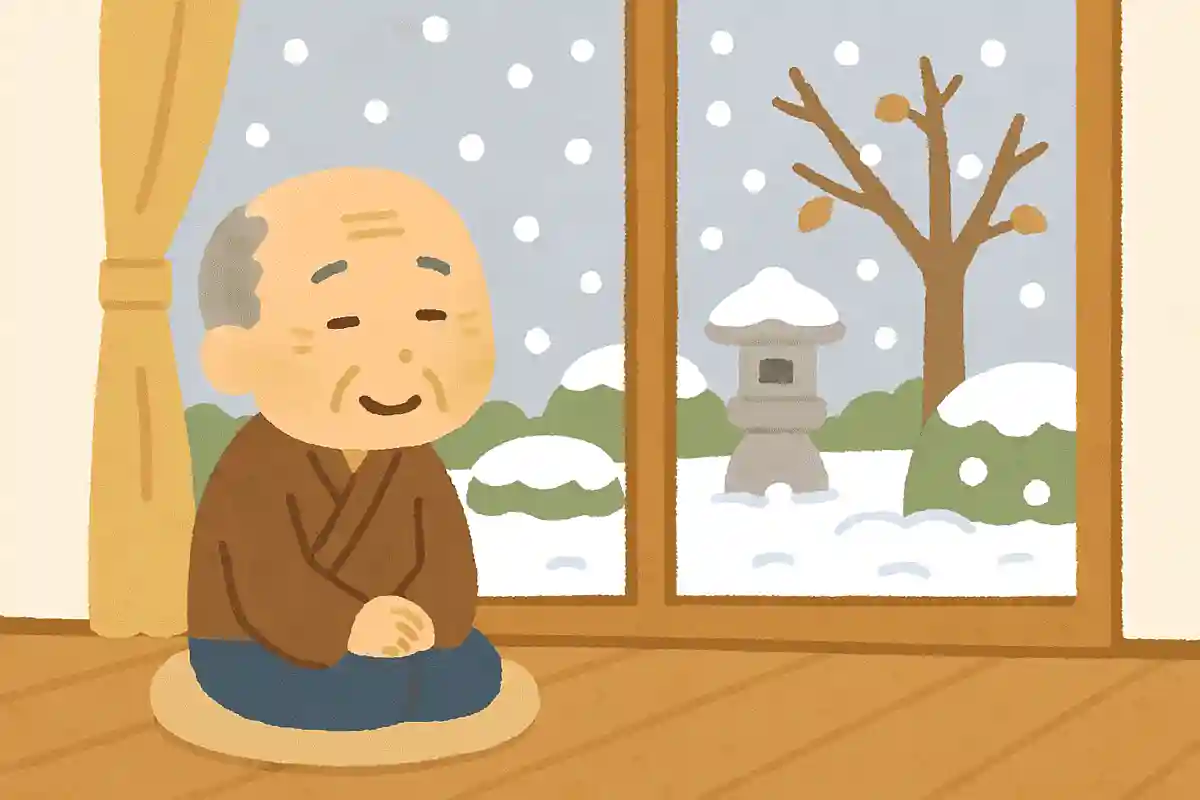
This haiku was written by Masaoka Shiki, who was frail and died young, in the same year he bought a house.
Even today, buying a home is something many people aspire to, and it must have been the same back then.
The snow scenery viewed from a house of one’s own must have been irresistible.
For him, in poor health, purchasing a new home may have been something that helped him stay positive.
And the fact that he wove the tidbit—“I’ve bought a house”—into a haiku suggests he might have had a playful side.
Chrysanthemum fragrance— though it is a moonlit night, winter beginsMasaoka Shiki
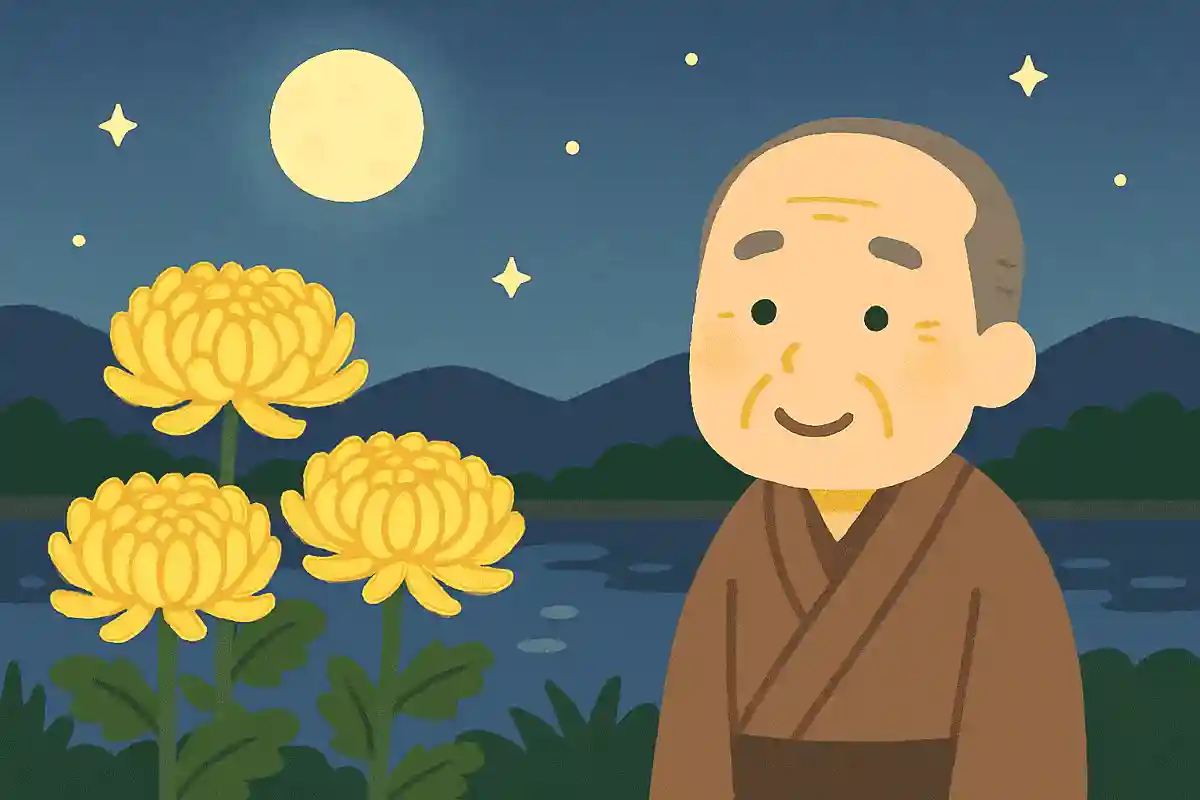
This haiku by Masaoka Shiki means: it’s a moonlit night scented with chrysanthemums, but on second thought, we’ve already entered winter.
It’s actually a rare poem that uses three seasonal words: “moon” and “chrysanthemums” are autumn kigo, so the content evokes autumn, yet in the end it speaks of winter.
This technique is called kikumori (season-stacking), and the way it avoids feeling unnatural is wonderful.
Since it is ultimately a winter poem, ‘entering winter’ can be considered the true subject.
It’s lovely to see technique used so deftly and without affectation.