

[For Seniors] Winter Haiku: Introducing Beautiful Masterpieces by Famous Haiku Poets


Haiku have a unique depth of flavor that belongs to the winter season.
From the cold moon and the first winter showers to the soft fall of snow, there are countless famous verses that richly capture these scenes.
For older readers in particular, encountering haiku filled with nostalgic landscapes and memories can warm and soothe the heart.
This time, we will introduce winter haiku composed by Japan’s leading poets, such as Matsuo Bashō and Yosa Buson.
We have carefully selected beautiful verses that conjure vivid scenes the moment you close your eyes.
Why not relax and immerse yourself in the world of haiku, while also noting the playful expressions and turns of phrase?
- [For Seniors] Winter songs you'll want to hum along to. A collection of classic tunes recommended for BGM and recreational activities
- [For Seniors] Fun Winter Activities: Recreation and Games
- Hand games that liven things up for seniors—also great brain training
- [For Seniors] Introducing Whiteboard Activities to Enjoy in Winter!
- [For Seniors] Haiku for March: Enjoying a Spring Moment with Famous Verses
- [For Seniors] Enjoy the Cold Winter! Simple, Recommended Crafts
- [For Seniors] Get Through the Chilly February! Recommended Health-Themed Recreations
- [For Seniors] Enjoy the Cold Winter! Seated Activities You Can Do
- [For Seniors] Spring Haiku. Spring Activity
- [For Seniors] Extremely Effective Brain Training! A Fun Collection of Hand Games
- [For Seniors] Brain-training with winter-themed quizzes. Great for activities, killing time, and dementia prevention.
- [For Seniors] Hand and finger play roundup: Finger exercises that lead to brain training
- [For Seniors] Fun Riddles That Stimulate the Brain
[For Seniors] Winter Haiku: Introducing Beautiful Masterpieces by Famous Haiku Poets (41–50)
I wish I could become a child at New Year and see it anew.Kobayashi Issa
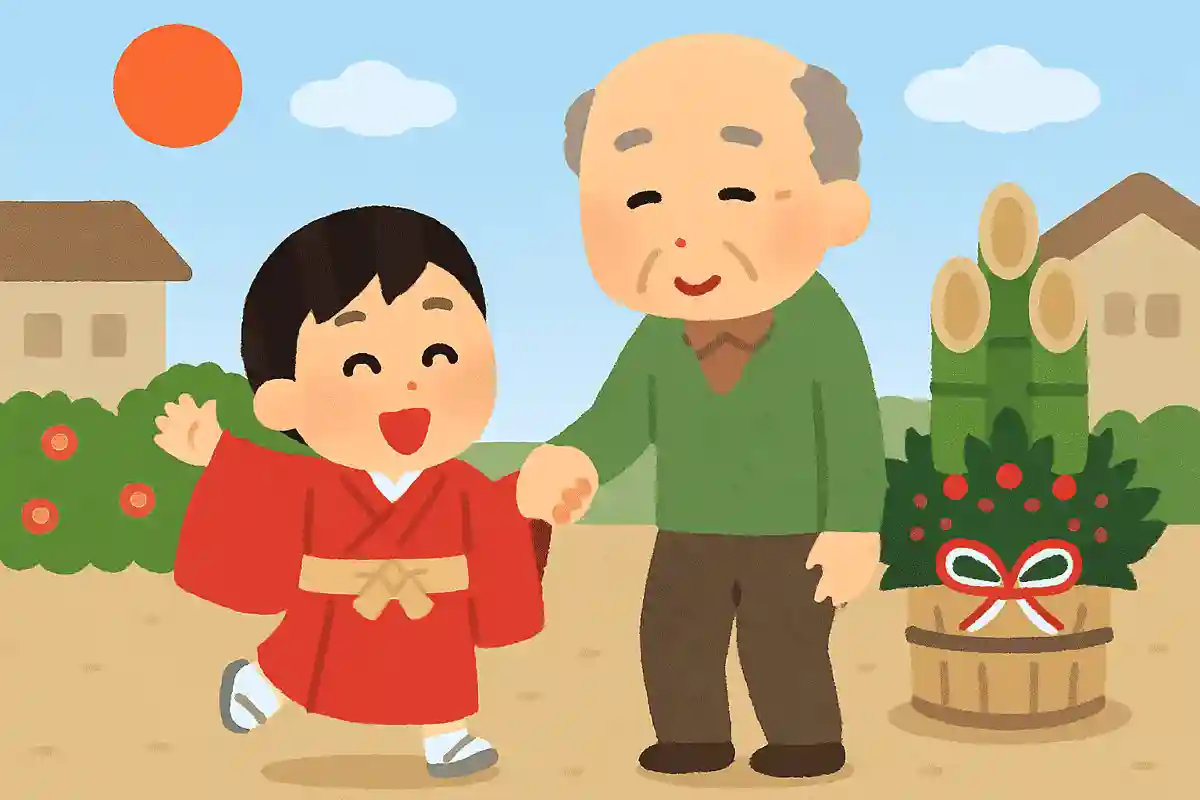
January is a delightful season for haiku enthusiasts, who can enjoy both New Year kigo and winter kigo.
Braving the cold to go on a haiku outing has its own charm, too.
This haiku by Issa expresses a touch of envy at children’s innocence; its lightness is quintessentially Issa.
With New Year’s osechi cuisine, otoshidama (New Year’s gift money), and New Year-only pastimes like kite flying and sugoroku, children could spend the whole day smiling.
It’s quite a contrast to the adults, who are busy clearing up after meals or shoveling snow.
[For Seniors] Winter Haiku: Introducing Beautiful Masterpieces by Famous Haiku Poets (51–60)
New Year’s first shrine visit where Japan gathers hereSeishi Yamaguchi
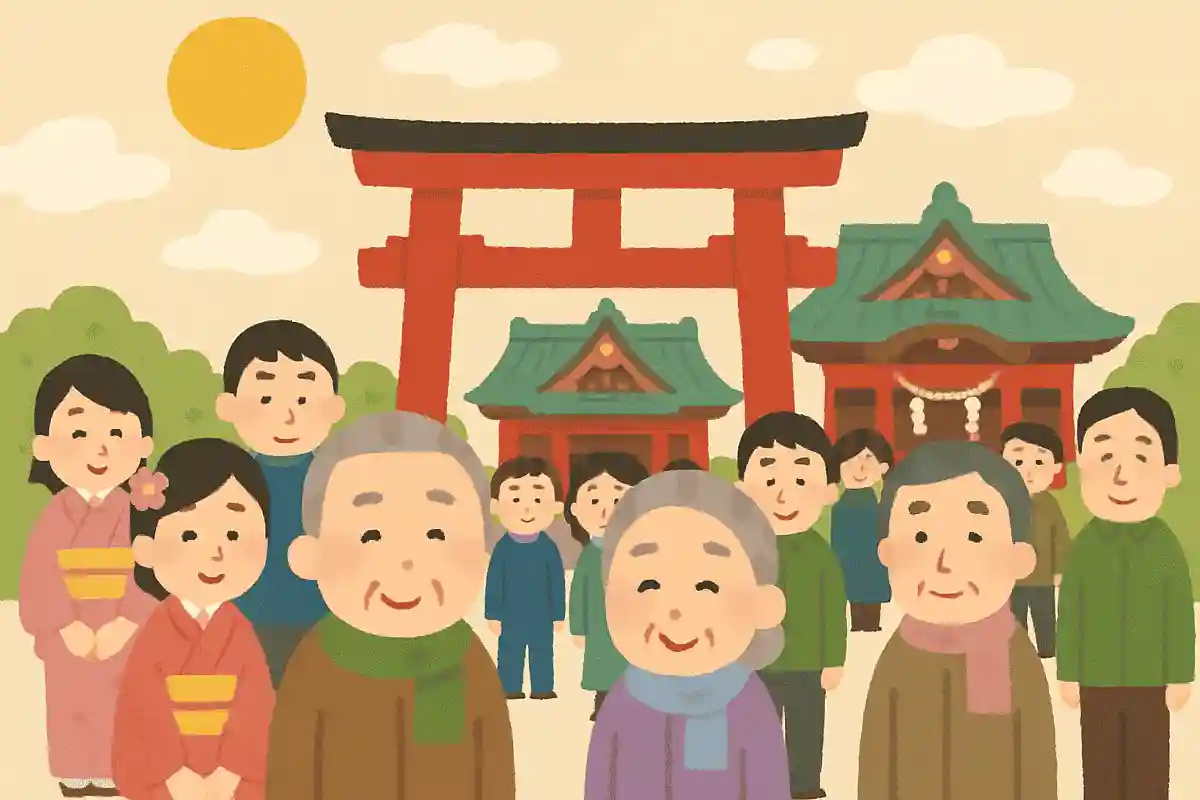
Japanese people are sometimes criticized for being inconsistent between their faith and their customs.
Making a big fuss over Christmas despite not being Christian is a classic example.
In that sense, even people with no connection to Shinto still go to shrines for their first visit of the year.
By the way, Meiji Shrine reportedly ranks first in New Year’s shrine visits, with about three million people.
Do people just love places where people gather? It feels like this haiku is written from a slightly detached vantage point, doesn’t it? The haiku poet Seishi Yamaguchi was one of the “Hototogisu Four S’s,” active in the early Showa period.
Besides this poem, his line “The pistol resounds on the hard surface of the pool” is also famous.
Sternly, the alarm clock—cold wave arrives.Hino Sōjō
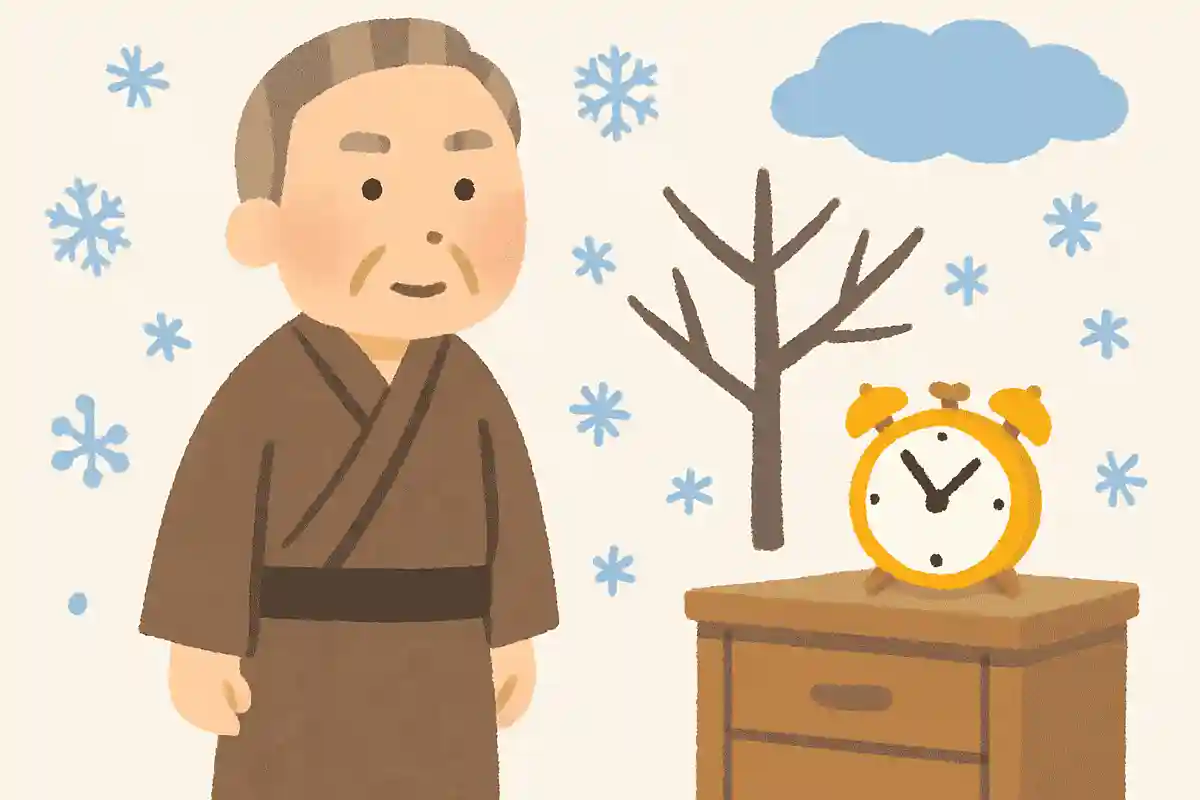
I’ve seen news reports saying that with the spread of smartphones, wristwatches and alarm clocks aren’t selling anymore.
Waking up gently to your favorite song is nice, but there’s also a certain charm in being roused by that shrill “jiririririiiin.” That “jiririririiiin” feels very Showa-era, doesn’t it? To take nothing more than ‘a cold wave makes it too chilly to get out of bed’ and craft it into such a refined haiku—what a feat.
Hino Sōjō is also known for composing haiku about feminine eros and for seasonless haiku.
He was a leading figure in the early Showa New Haiku movement.
New Year’s Day— in clear weather, the sparrows’ talesAran-seki Hattori
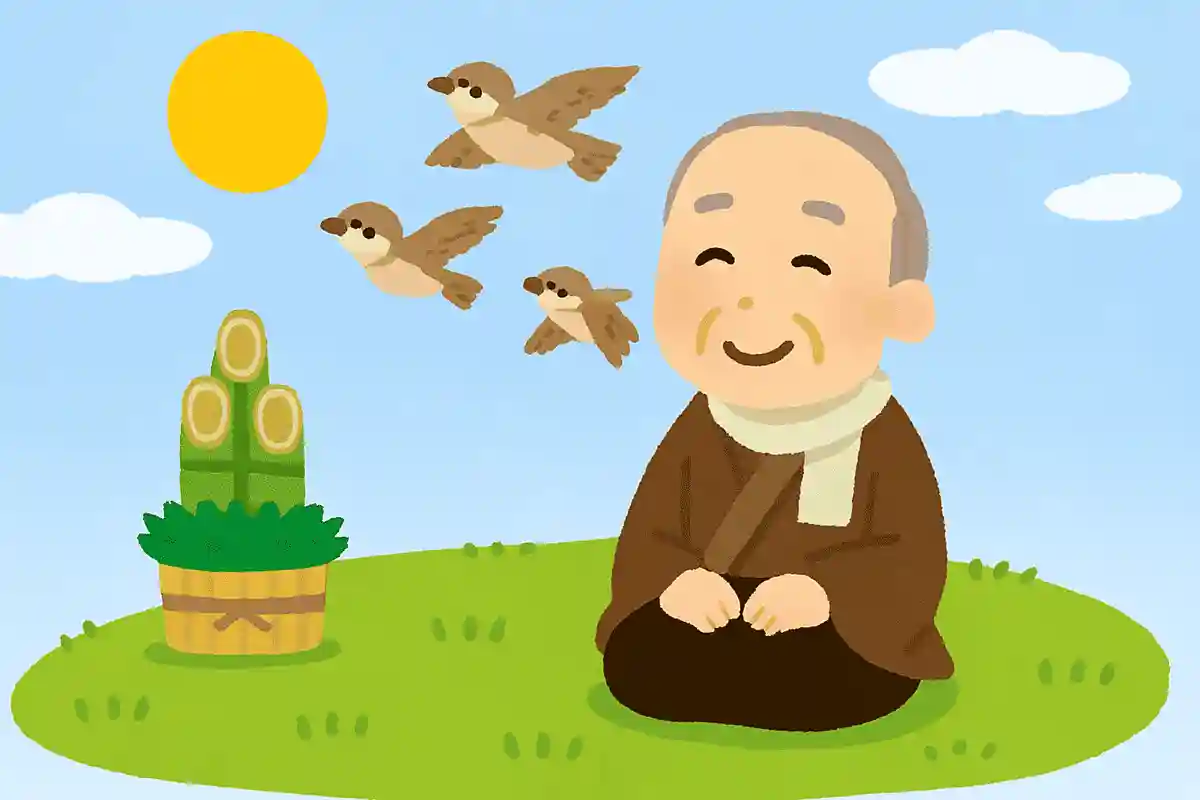
On the morning of New Year’s Day, the start of a new year, you can feel refreshed, can’t you? If you hear sparrows chirping outside on that first morning, it might make you feel even more invigorated.
It could be nice to try composing a haiku using words that evoke the new year, like “first sunrise” or “first shrine visit.” Wouldn’t seniors also be able to create haiku that suit the special atmosphere of New Year’s morning and the New Year holidays? By composing and reciting haiku, seniors too can feel the new year and the changing seasons.
From there, it seems likely the conversation about the New Year will naturally expand.

New Year’s Day— and yet, when I think of it, it feels as lonely as an autumn dusk.Matsuo Bashō
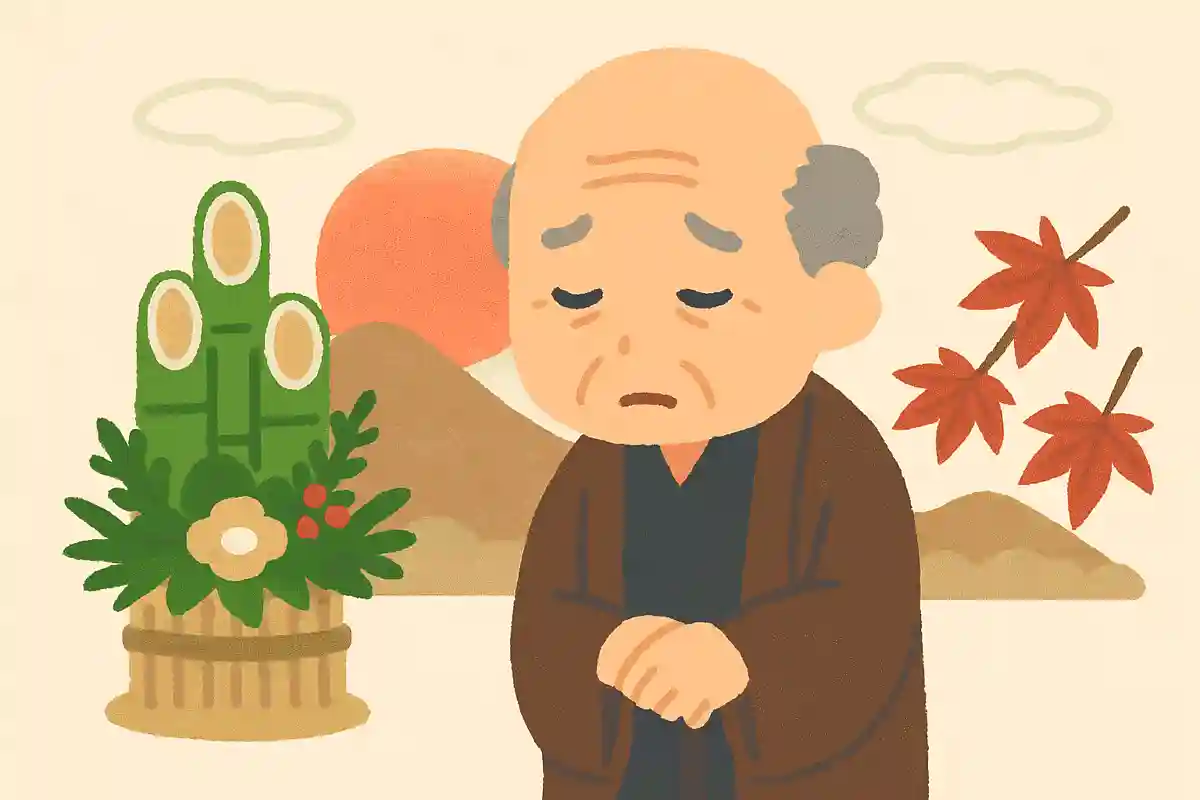
There’s probably no one who has grown up in Japan without hearing the name Matsuo Bashō.
From elementary school through high school, there isn’t a single textbook that doesn’t mention him.
This verse is said to have been written when Bashō was 40.
Up until New Year’s Eve, we’re all in a flurry, fussing over one thing or another to prepare for the new year, but once the year actually begins, everything suddenly becomes as silent as if water had been poured over it—a stillness that somehow resembles an autumn evening… That’s the feeling.
Lately in Japan, though, things seem lively even from New Year’s Day, so maybe we don’t get as quietly reflective as Bashō did.
New Year’s pine— to think, in a single night, thirty years.Matsuo Bashō

This is a haiku by Matsuo Bashō that deeply contemplates the passage of time.
“Kadomatsu ya” refers to the New Year’s pine decorations placed at the entrance of a home, signaling the arrival of a new year.
As the phrase “omoeba hitoyo sanjūnen” suggests, with each New Year’s night, he reflects that thirty years seem to have passed in the blink of an eye.
Through the seasonal symbol of the kadomatsu, Bashō may have quietly meditated on the swiftness of the years and the length of his own life.
Rereading it during the New Year gently reminds us of the preciousness of time and inspires thoughts for the year ahead.

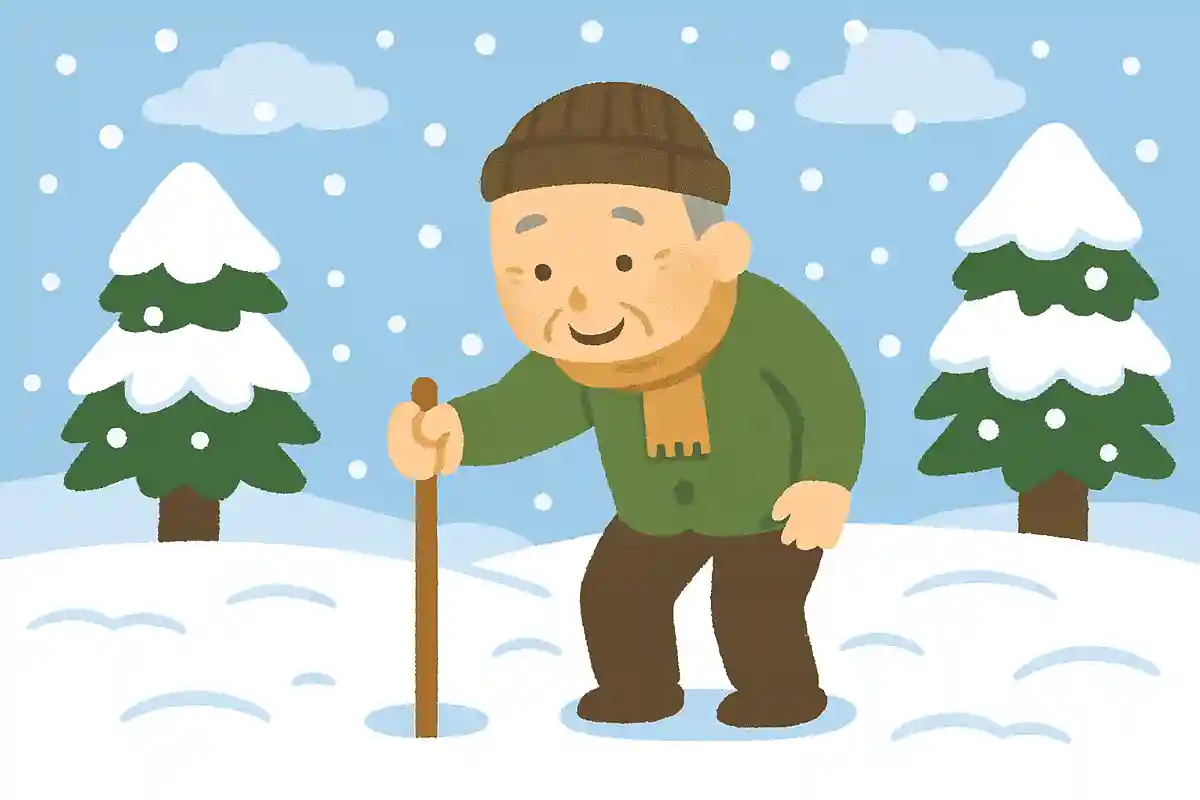
Time and again, I asked how deep the snow was.Masaoka Shiki
Do you know what a “preface” is? It’s something like a note placed before a haiku.
Phrases like “In Yamanashi” or “My mother passes” inform readers of the background in which the haiku was composed.
This haiku also has a preface: “While ill, snow.” The poem describes someone so weakened by illness that they can no longer sit up on their own, repeatedly asking the person at their side, “I wonder how the snow in the garden looks,” constantly thinking about the snow.
It’s a representative verse by Masaoka Shiki, who had a special attachment to snow.
He composed two other haiku at the same time, so if you have a moment, please look them up and enjoy them.
They’re truly excellent poems.