

![[For Seniors] Winter Haiku: Introducing Beautiful Masterpieces by Famous Haiku Poets](https://media.ragnet.co.jp/img/1200__png__https://www.studiorag.com/files/2025/10/b3c78f34aa66449805abf14bfd3582e0.webp)


Haiku have a unique depth of flavor that belongs to the winter season.
From the cold moon and the first winter showers to the soft fall of snow, there are countless famous verses that richly capture these scenes.
For older readers in particular, encountering haiku filled with nostalgic landscapes and memories can warm and soothe the heart.
This time, we will introduce winter haiku composed by Japan’s leading poets, such as Matsuo Bashō and Yosa Buson.
We have carefully selected beautiful verses that conjure vivid scenes the moment you close your eyes.
Why not relax and immerse yourself in the world of haiku, while also noting the playful expressions and turns of phrase?
- [For Seniors] Winter songs you'll want to hum along to. A collection of classic tunes recommended for BGM and recreational activities
- [For Seniors] Fun Winter Activities: Recreation and Games
- Hand games that liven things up for seniors—also great brain training
- [For Seniors] Introducing Whiteboard Activities to Enjoy in Winter!
- [For Seniors] Haiku for March: Enjoying a Spring Moment with Famous Verses
- [For Seniors] Enjoy the Cold Winter! Simple, Recommended Crafts
- [For Seniors] Get Through the Chilly February! Recommended Health-Themed Recreations
- [For Seniors] Enjoy the Cold Winter! Seated Activities You Can Do
- [For Seniors] Spring Haiku. Spring Activity
- [For Seniors] Extremely Effective Brain Training! A Fun Collection of Hand Games
- [For Seniors] Brain-training with winter-themed quizzes. Great for activities, killing time, and dementia prevention.
- [For Seniors] Hand and finger play roundup: Finger exercises that lead to brain training
- [For Seniors] Fun Riddles That Stimulate the Brain
[For Seniors] Winter Haiku: Introducing Beautiful Masterpieces by Famous Haiku Poets (1–10)
Even if the lodging is cold, let it be a shower of people.Matsuo Bashō
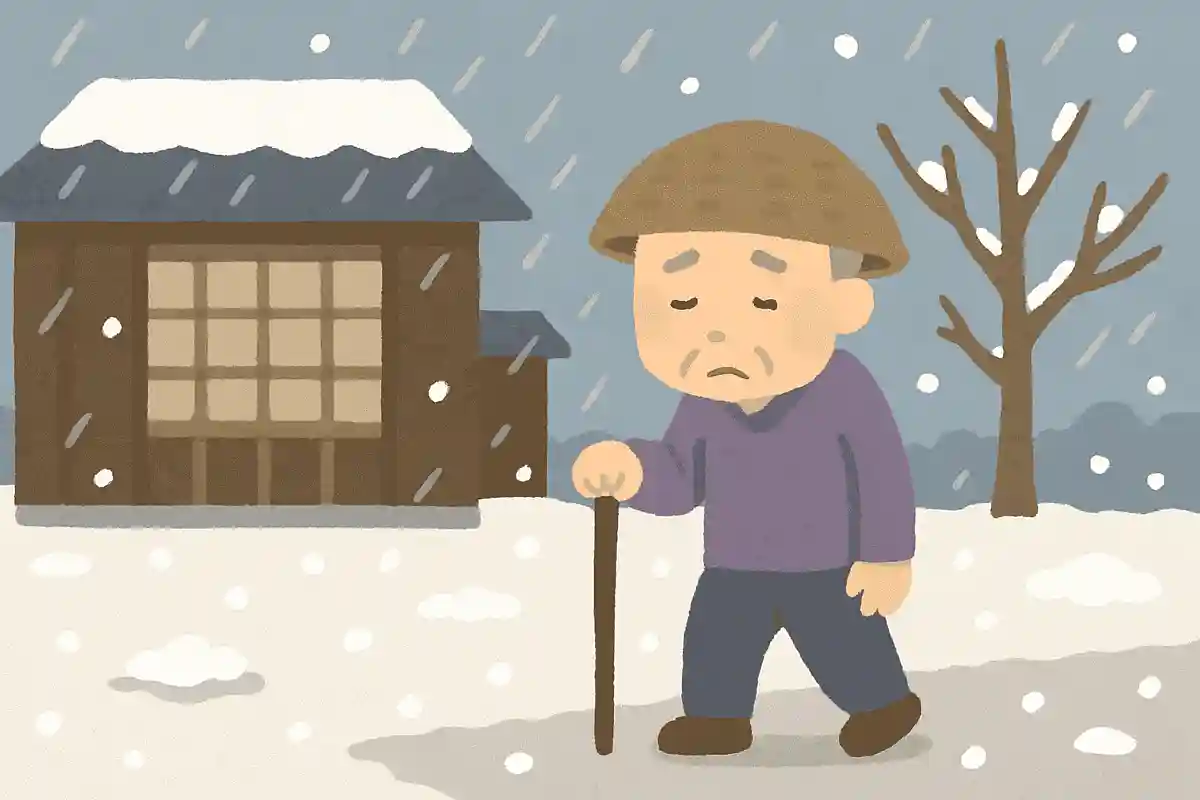
This is a haiku composed by Matsuo Bashō, who was born in Iga in the early Edo period.
It is said to have been written for a gathering of haiku poets at Hairikutei in Iga Ueno, expressing the thought that even if it turned cold, a shower of winter rain falling here would make the gathering all the more atmospheric.
You can sense Bashō’s chic sensibility and passion for haiku, his desire to enjoy elegance during an overnight retreat with fellow poets who could refine their craft together, and the very mood of the occasion.
It is a deeply evocative haiku, isn’t it? The gathering of like-minded companions must have been delightful.

Riddle game of the coughing child—endlessly unsettled.Teijo Nakamura
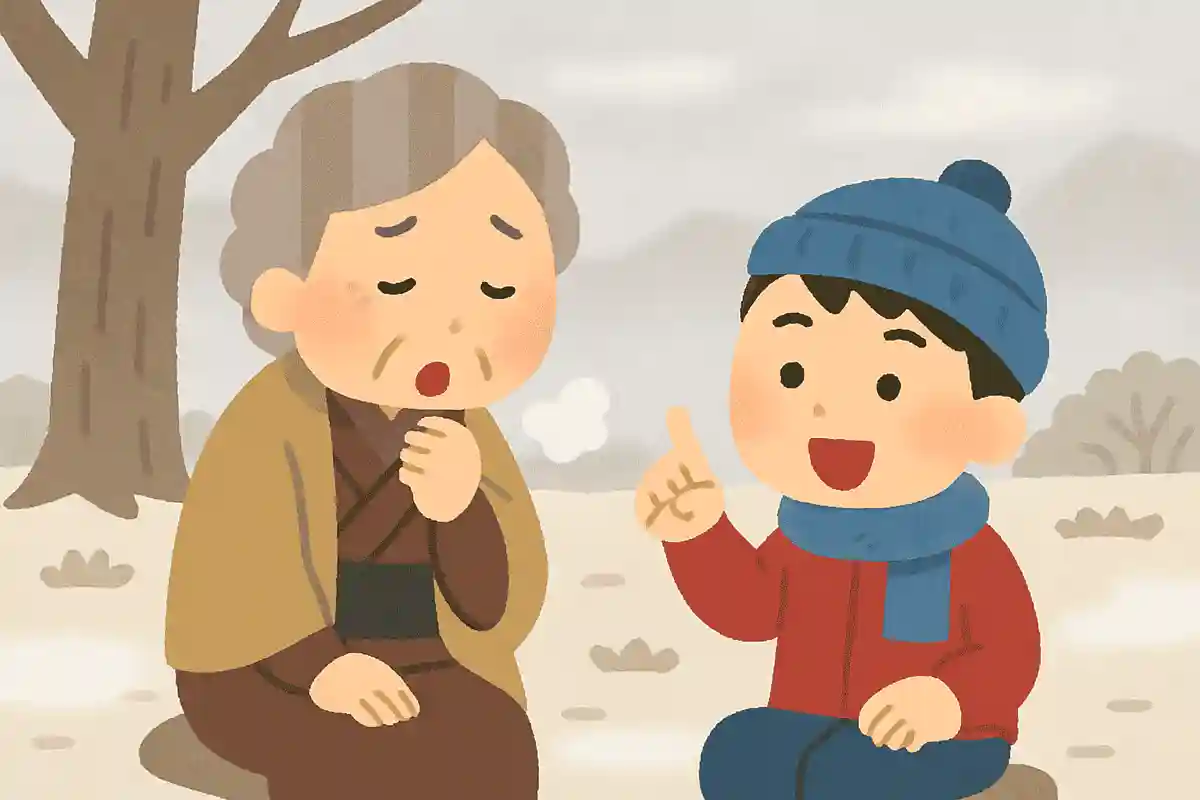
Here is a haiku by Teijo Nakamura, a female haiku poet born in 1900 and a disciple of Kyoshi Takahama.
It depicts a child, coughing and bedridden with a cold, bored and eager to keep playing endless riddles.
The everyday scenes of family life are portrayed so vividly that they come to life before our eyes.
It’s also interesting that coughing and sneezing are used as winter season words.
Although haiku that depicted everyday life were looked down upon in those days, Teijo held firmly to that stance.
Before dawn, stars still shining—withered field.Yosa Buson
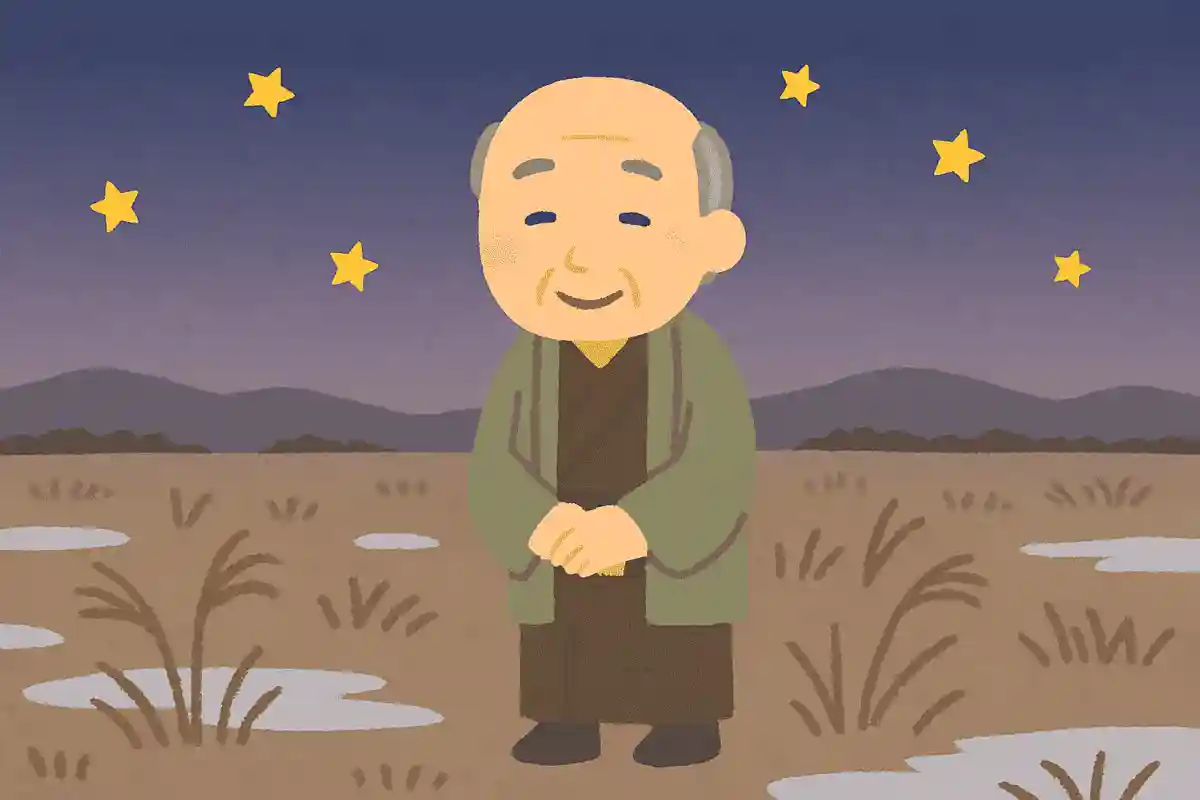
Yosa Buson, a haiku poet of the mid-Edo period, was born in Osaka, went to Edo, and eventually settled in Kyoto.
He was also known as a painter, and perhaps for that reason his haiku are painterly, with beautifully rendered landscapes.
Kuremadaki refers to the time when it is not yet fully dusk, with a little while left before nightfall.
The scene of stars beginning to appear one by one in the darkening sky, with withered fields spreading beneath them, is beautiful; the contrast between the barren fields and the stars, and even the atmosphere of that time, can be felt in the haiku.
On distant hills, sunlight falls—withered field.Kyoshi Takahama
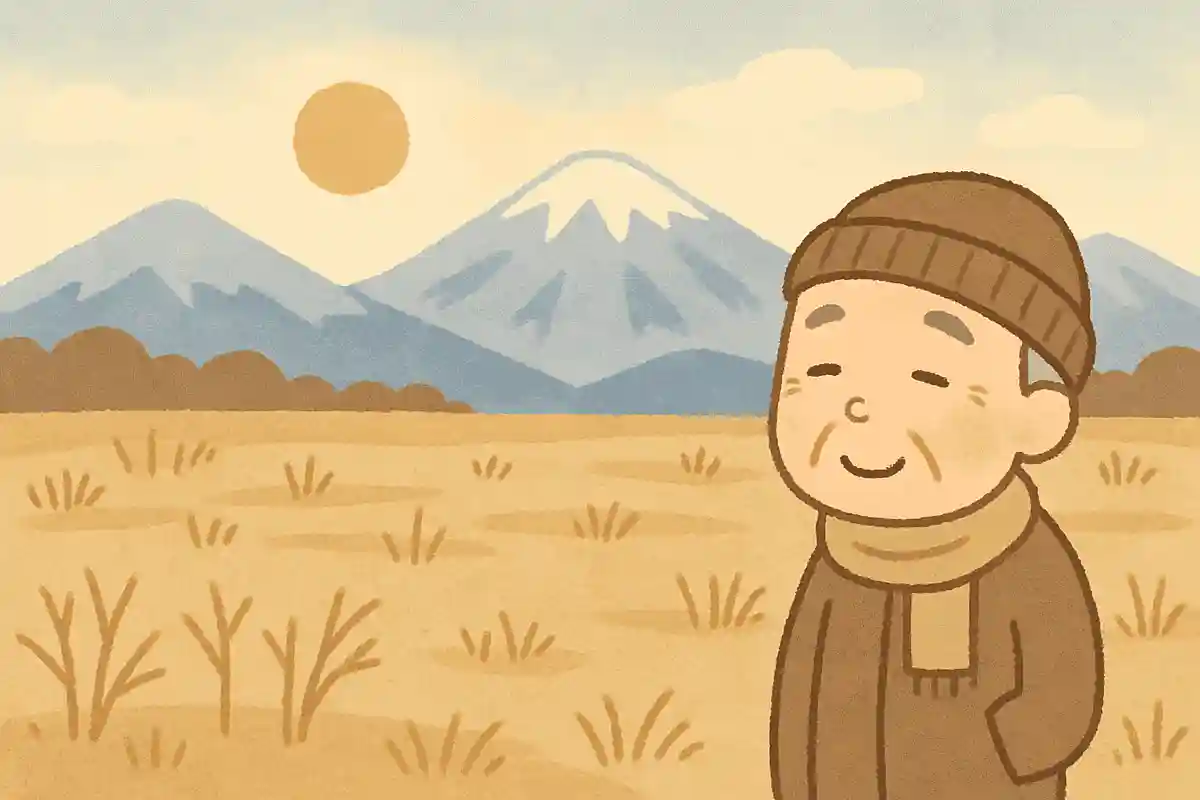
Here is a haiku written in 1900 by Kyoshi Takahama, who was born in 1874 and was also a student of Masaoka Shiki.
At first glance, it seems to simply describe the scene of sunlight falling on a distant mountain beyond a vast field of withered grass—already a beautiful landscape.
Yet the contrast between the sunlit mountain and the bleak field, or the idea that the distant mountain might stand for ideals, hopes, or goals, while we ourselves are walking across the withered field toward it, stirs many interpretations.
The poem also conveys a vivid sense of presence, as if you are standing there within the scene.
I swing the axe—startled by the scent—winter trees.Yosa Buson
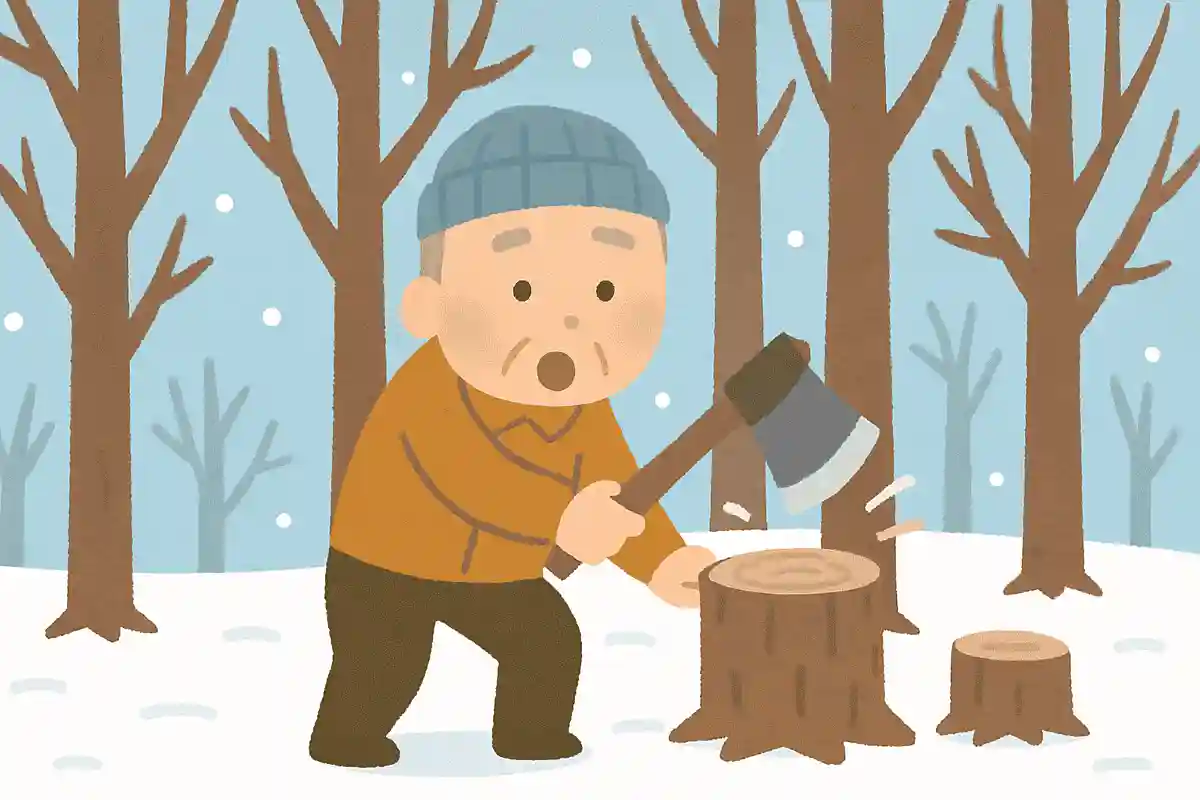
Here is a haiku by Yosa Buson, born in 1716.
Winter is often thought of as a season when everything is asleep, but when an axe is put to the wood, a wonderfully rich fragrance rises up, and we are struck by the power of life; we can also sense preparations for spring and the stirring of new breath.
The contrast is marvelous: in the monochrome of winter trees, the swing of an axe releases a vivid, colorful aroma that had been sealed within.
It’s striking how many different essences are contained in such a short poem.
Be sure to read his other verses as well.
Daffodils—here and there across the cold capitalYosa Buson
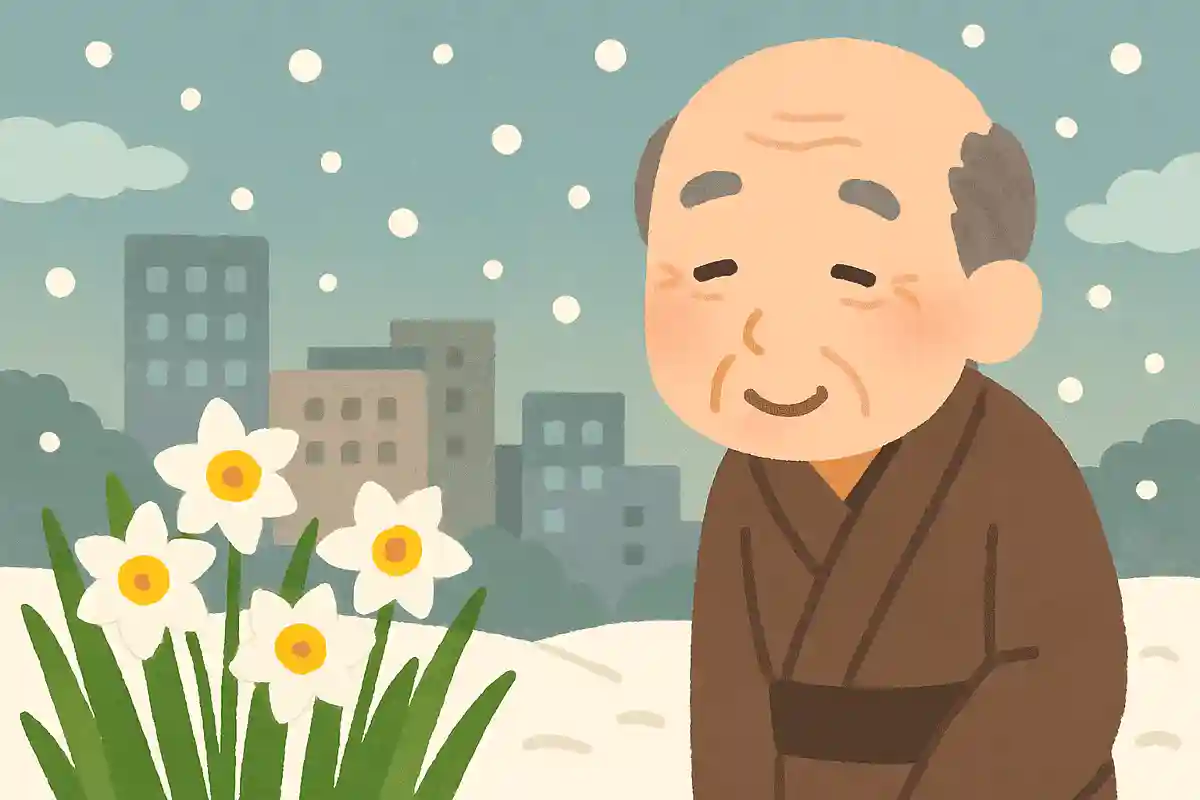
This is a haiku that unfolds a scene of narcissus flowers blooming in Kyoto’s chill, from winter into spring.
Some narcissus bloom as early as around November, but most blossom from January to February, making them emblematic winter flowers.
Yosa Buson, who composed this haiku, likely sensed the season through the narcissus blooming amid winter life in Kyoto.
When creating haiku with older adults, try using seasonal flowers or foods as themes.
With seasonal subjects, they can more easily feel the atmosphere of the season.

In a house with no hint of fire, standing silent—winter camellia.Kobayashi Issa
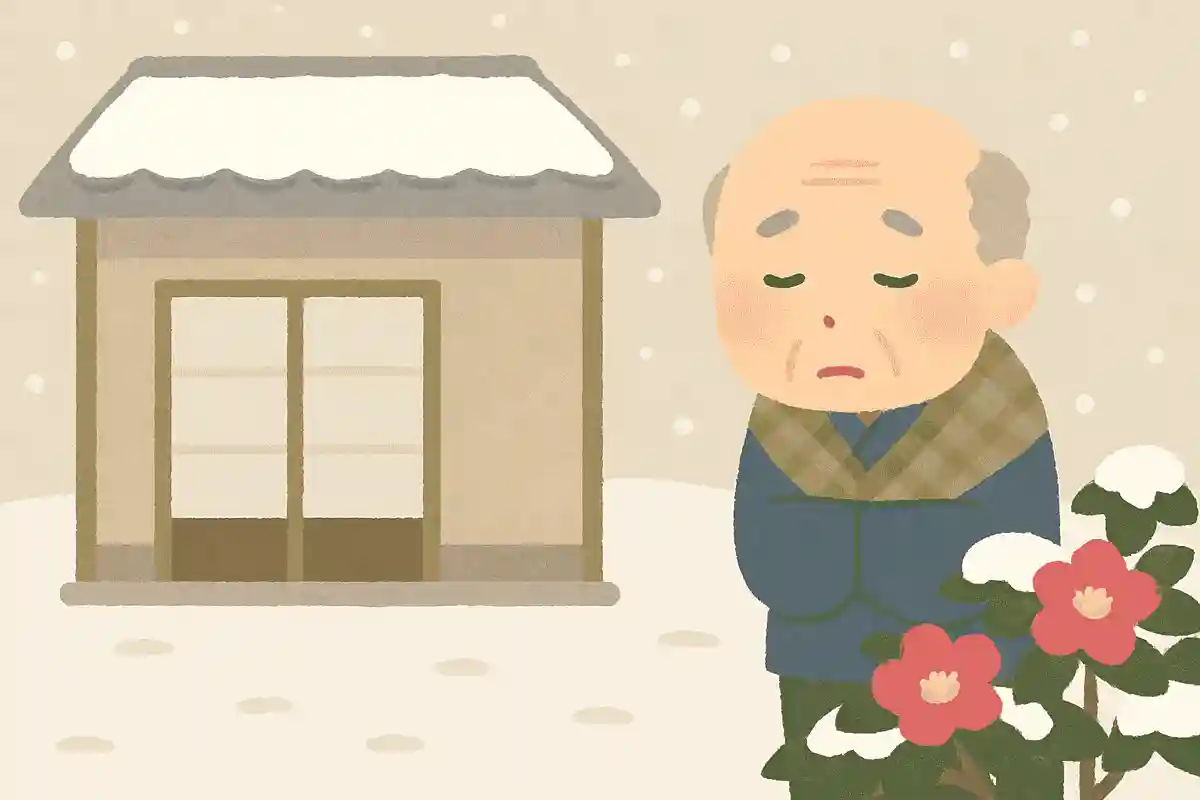
This verse was composed by Kobayashi Issa.
Many of his haiku are filled with human warmth, conveying his gentle character.
This particular poem depicts a house in the depths of winter, hushed and still, with no fire to provide warmth.
In that quiet home, as if standing in for the fire, a red winter camellia blooms.
The contrast between the house and the camellia is truly beautiful.
And the way the moment he captured rises to the surface—like a photograph, one might say in modern terms—is also lovely.