

[For Seniors] Ideal for Dementia Prevention: Easy-to-Practice Reminiscence Therapy Topics

In recent years, “reminiscence therapy” has been drawing attention as a way to help prevent dementia in older adults.
Reminiscence therapy is a type of treatment that activates the brain by recalling and talking about one’s past and earlier experiences.
It is believed to help prevent dementia and slow its progression, and is being adopted in elder care facilities such as day service centers.
There are many themes related to the past that can be used when conducting reminiscence therapy.
So this time, we’ll introduce themes that are useful for reminiscence therapy and can be frequently used in caregiving settings.
Please feel free to use them as a reference.
- [For Seniors] Brain Training! Recall Quiz Collection!
- [For Seniors] Conversation starters that help you chat: engaging questions and topics to spark lively talks
- [For Seniors] Fun and Engaging Brain-Training Recreation
- Recreation Activities Effective for Long-Term Care Prevention for Seniors
- [Brain Training for Seniors] Recommended Hand-Play Recreation for Dementia Prevention
- Fun, engaging topics for conversations with older adults!
- Conversations Made Easy! A Collection of Topics That Elderly People Enjoy
- [For Seniors] Great for Brain Training! Question Card Ideas
- [For Seniors] Recommended Even for People with Dementia! Simple Recreational Activities
- [For Seniors] January Trivia Quiz & Fun Facts. Brain training with quizzes about New Year and winter.
- Hand games that liven things up for seniors—also great brain training
- [For Seniors] Recommended Brain Training! Classic Riddles
- Fun Brain Training! Memory Games for Seniors
[For Seniors] Ideal for Dementia Prevention: Easy-to-Practice Reminiscence Therapy Topics (21–30)
First job
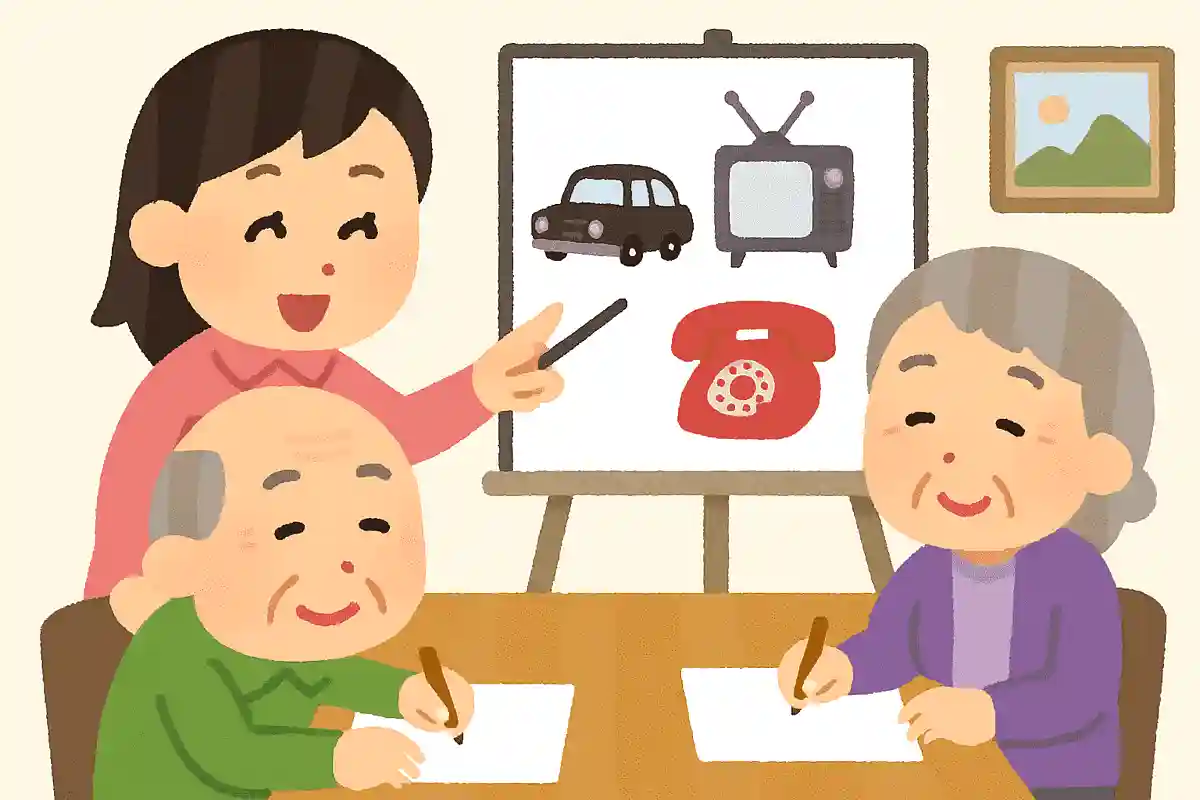
Among older adults, some may have worked during what is called the period of rapid economic growth.
This refers to the roughly 20-year span starting in 1955 when the economy was exceptionally strong.
Try asking older people about their first jobs and whether they ever changed careers.
Depending on the region, some may have taken a train to move to Tokyo and find employment after graduating from school.
They may also have lived through the booming Bubble Economy.
You might hear stories about being recognized for their first job and being promoted to a managerial position, as well as tales about their bosses and subordinates.

Extracurricular activities I did during my school days
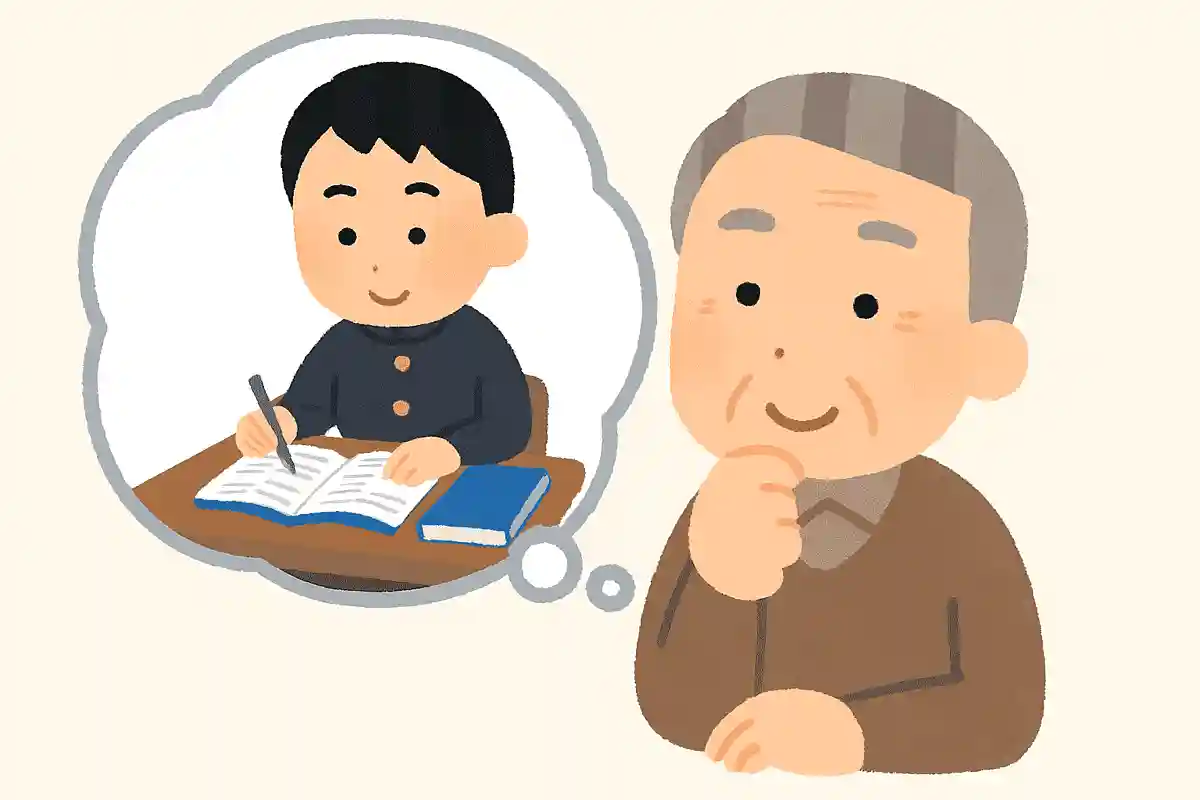
Some older adults may have taken lessons when they were students.
In Japan today, lessons have become quite diverse—cram schools, swimming, English conversation, and more.
It seems that when today’s seniors were students, there weren’t as many options as there are now.
Even so, some took music-related lessons like piano or koto.
Depending on the era, there were also lessons such as calligraphy and waka (classical Japanese poetry).
In some regions, there were customs like, “If you’re going to marry, you must be able to do X,” and some people underwent bridal training at home.
As you listen to their stories about those times, try asking older adults about the lessons they took and what they learned.
What was the first job you had?
Many older adults seem to remember experiences from their working years—such as stories about their first job—as fond memories.
Depending on the generation, men may often talk about work, while women may often talk about raising children.
So, depending on the situation, you might consider asking men about the nature of their work and women about their parenting experiences.
Older adults are seniors in life to the staff members.
It might be helpful to seek their advice about your own work or child-rearing.
From there, the conversation may develop and expand.
What song did you like when you were a child?
Let’s try listening to the songs older adults loved when they were children.
There may be songs they sang with family and friends, or ones they learned at school.
Along with the songs, some people may vividly recall the scenes and memories from when they sang them.
This seems connected to reminiscence therapy, a psychological approach that can help prevent dementia.
It’s said that recalling the past through music and songs can provide a change of mood and help with relaxation.
It would also be fun to sing the memorable songs of older adults together.
What was your childhood dream?
Some older adults may vividly remember their childhood.
Asking about the dreams they had when they were children might encourage them to share many nostalgic stories from the past.
Reflecting on past memories is also expected to be effective as brain training.
Moreover, listening attentively and with interest to older adults can help build deep trust.
In nursing homes and day service centers, taking the time to carefully listen to older adults strengthens trust and contributes to providing high-quality care.
Where is the place you remember from your childhood?
When talking with older adults, it’s important to create an environment where they feel comfortable speaking.
It also helps to choose topics that are easy for them to talk about.
Childhood dreams are something many older adults probably imagined when they were young.
Even if it’s hard for someone to recall recent events, they often remember the past clearly and find it easier to talk about.
Conversations about childhood dreams might bring up job titles unique to that era.
If a job mentioned isn’t familiar to you, look it up afterward.
Then, using their thoughts and impressions about that occupation as a starting point is also a great way to keep the conversation going.
What snacks did you often have as a child?
Let’s ask older adults about the snacks they enjoyed when they were young.
These days, some children eat snacks at daycare centers, certified childcare centers, or kindergartens.
Older adults may have had more chances to enjoy snacks at home or with friends.
Along with the tasty treats, many will likely recall the friends they shared them with and the times they gathered around snacks with family.
You can also have fun making the snacks they tell you about as part of a snack activity session.
Be sure to make use of these questions!