

[For Seniors] Nostalgic! Showa-Era Quizzes Recommended for Reminiscence Therapy


A Showa-era quiz that naturally sparks lively conversation as you share memories.
New discoveries emerge from the rich experiences of older adults, wrapping the room in warmth.
We present quizzes about popular culture of the time—nostalgic TV shows and everyday tools from the Showa period—perfect for reminiscence therapy.
You can already hear the excitement: “Oh yes, I remember that!” “Back then we all watched TV together, didn’t we?” Why not enjoy communicating with those around you and look back on the Showa era together?
- [For Seniors] Nostalgic quizzes that bring back memories! Showa-era entertainment and sports questions
- [For Seniors] Recommended for Brain Training! Nostalgic Showa-Era Quiz
- [For Seniors] Ideal for Dementia Prevention: Easy-to-Practice Reminiscence Therapy Topics
- [For Seniors] Who Am I? Quiz: A Fun Set of Questions with Exciting Hints
- [For Seniors] Laugh-Out-Loud, Crowd-Pleasing! Fun Quiz
- [For Seniors] Brain Training! Recall Quiz Collection!
- [Recreation for Seniors] Introducing Quizzes to Enjoy at Day Service Centers!
- [For Seniors] Trivia Multiple-Choice Quiz
- [For Seniors] Fun! Let’s Get Excited with Japan’s Number One Quiz
- [For Seniors] Today’s recommended quiz. Daily brain-training quiz!
- [For Seniors] Fun and Informative! Health Trivia Quiz
- [For Seniors] Fun and Lively! Recommended Quiz Questions
- [For Seniors] Lively two-choice trivia quiz. Handy to know and tidbits you'll want to share with others
Showa-Era Entertainment: Nostalgic Pop Culture Quiz (21–30)
The first Winter Olympics held in Asia took place in 1972. Which city in Hokkaido hosted it?
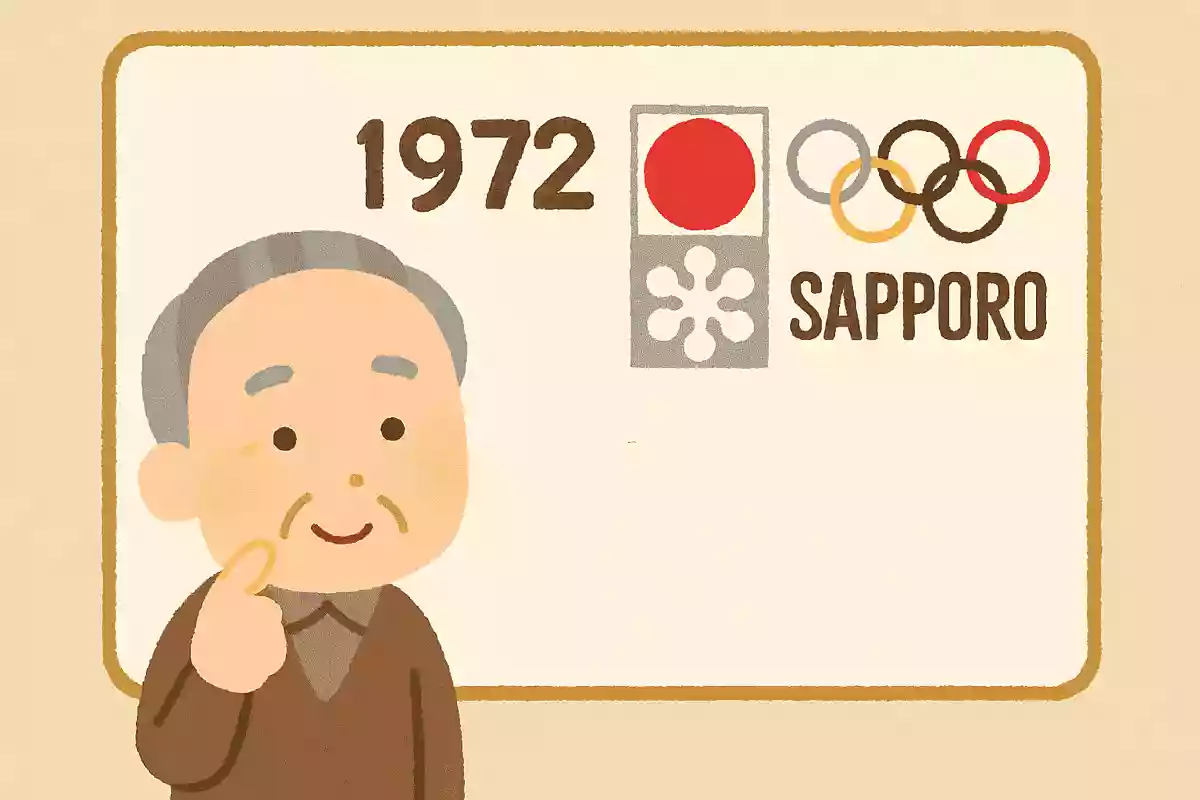
Speaking of Sapporo, there are many famous things like the Clock Tower, the Snow Festival, and ramen.
Among destinations in Hokkaido, it likely attracts a relatively large number of tourists.
Moreover, Sapporo hosted Asia’s first Winter Olympics in 1972.
It’s said that this was made possible because, from the Meiji through the Showa eras, skiing and skating had taken root among citizens as winter sports.
In fact, the Winter Olympics were supposed to be held even earlier than 1972.
Sapporo had been selected to host the 5th Winter Olympics in 1940, but the government returned the hosting rights due to the intensification of the Second Sino-Japanese War.

Sakurada Junko and Mori Masako were called part of the “Hana no Chūsan Trio.” Who was the third member?
Showa-era idols are sometimes given special nicknames depending on when and how they debuted.
One such nickname is the “Hana no Chūsan Trio” (the Blossoming Ninth-Graders Trio).
Alongside Junko Sakurada and Masako Mori, who is the third member people think of? Some may immediately recall her knowing that all three were of the same generation and debuted from the audition program Star Tanjō! The answer is Momoe Yamaguchi—a legendary idol who famously retired from show business upon getting married.

Who served as the host of the panel quiz show “Attack 25” for 36 years?
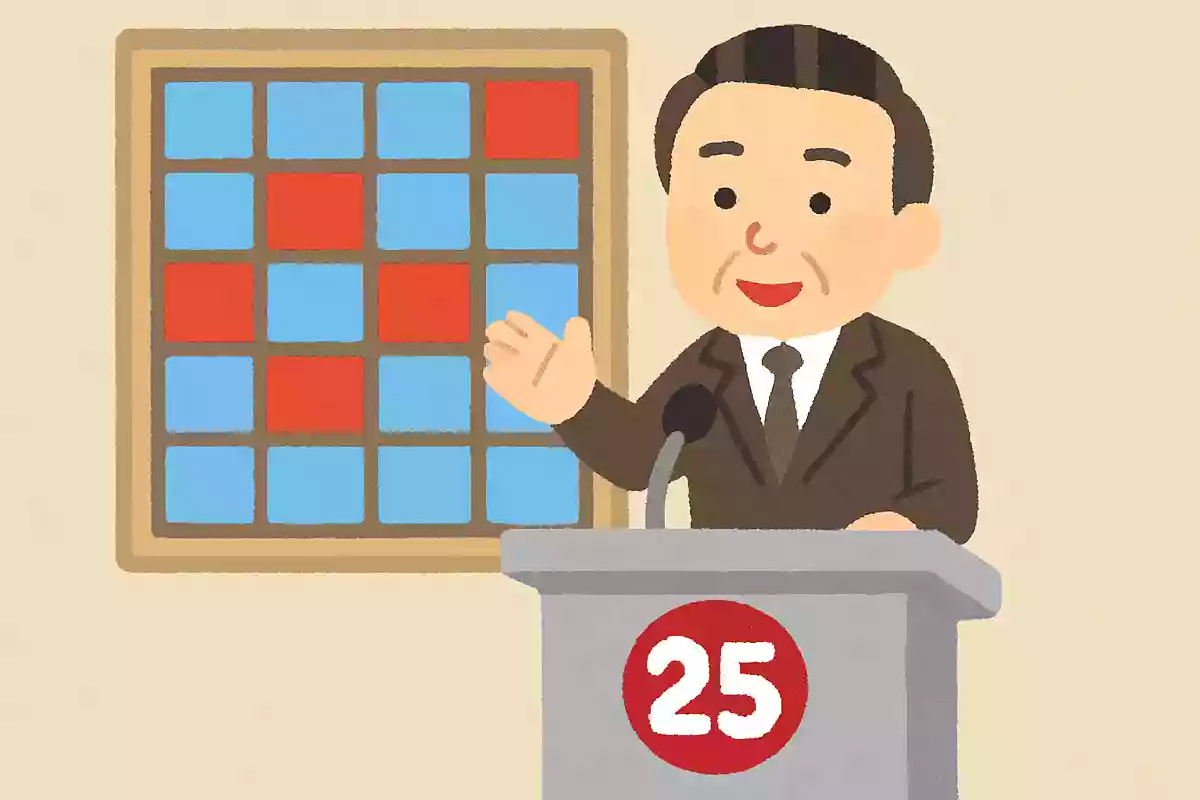
Panel Quiz “Attack 25” is a quiz show that began airing in 1975.
Its appeal lies not only in quiz knowledge, but also in the strategic element of competing for panels.
So, who is the person who hosted “Attack 25” for 36 years? As a figure who could be called the symbol of the program, some people might picture him along with the show’s set.
The answer is Kiyoshi Kodama.
His composed reactions to contestants’ answers and his smooth, articulate explanations were also part of his charm.
What is the name of the character, which appeared in the late Showa era (1985–1989) and became popular among children, that looks like a white ghost?

One major characteristic of the long Showa era was the development of culture, and from the advent of television and animation, a variety of characters were created.
Among the many characters born in Japan, which popular character from the 1960s, resembling a white ghost, comes to mind? It’s one of Fujiko Fujio’s representative works, and its popularity grew further thanks to its anime broadcast.
The answer is Obake no Q-Taro.
Beyond Q-Taro himself, the appearance of many other characters helped make the entire work beloved.
What sport was popular in the 1970s thanks to the success of players like Kayoko Suda and Ritsuko Nakayama?
Speaking of the sport that sparked a huge boom centered in Tokyo in the 1970s, it’s bowling! Ritsuko Nakayama, Kayoko Suda, and Rie Ishii, who were immensely popular as beautiful professional bowlers, were known as the “Flower Trio,” and, unusually for athletes, continued their careers while appearing on seven regular weekly TV programs.
With its simple rule—roll the ball and knock down the pins—bowling has long been loved by people of all ages.
Some of you might fondly recall how obsessed you were with it in your younger days.

[For Seniors] Nostalgic! Showa-Era Quizzes Recommended for Reminiscence Therapy (1–10)
In what year of the Showa era was the Tokyo Olympics, the first held in Asia, held?
The Tokyo Olympics, held in 1964 (Showa 39), saw Japanese athletes achieve great success.
It was also the first Olympics ever held in Asia.
Yoshinori Sakai, who was a track and field athlete at the time, served as the final torchbearer.
Although Sakai had been considered a candidate for Japan’s Olympic team, he was ultimately not selected.
He was chosen as the final torchbearer because he was born on August 6, 1945, the day the atomic bomb was dropped on Hiroshima.
His role embodied a tribute to the victims of the atomic bombing and a wish for world peace.
Showa-era Life: Nostalgic Living Quiz (1–10)
In what year of the Showa era did the 10,000-yen note first appear?
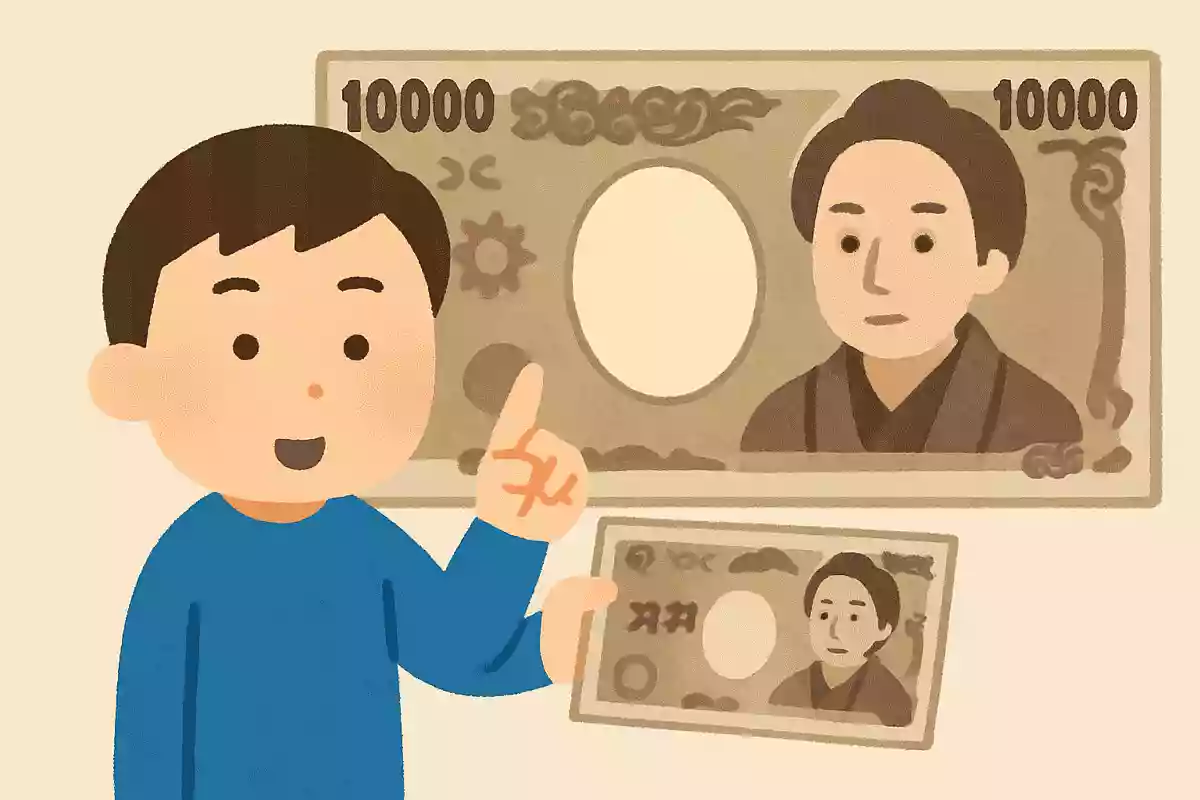
The first 10,000-yen note was issued in 1958 (Showa 33), featuring Prince Shotoku on the front and a phoenix on the back.
Many people—not just the elderly—may have a faint memory of it.
Subsequently, along with the period of rapid economic growth, the circulation of the 10,000-yen note increased significantly.