

[For Seniors] Nostalgic! Showa-Era Quizzes Recommended for Reminiscence Therapy


A Showa-era quiz that naturally sparks lively conversation as you share memories.
New discoveries emerge from the rich experiences of older adults, wrapping the room in warmth.
We present quizzes about popular culture of the time—nostalgic TV shows and everyday tools from the Showa period—perfect for reminiscence therapy.
You can already hear the excitement: “Oh yes, I remember that!” “Back then we all watched TV together, didn’t we?” Why not enjoy communicating with those around you and look back on the Showa era together?
- [For Seniors] Nostalgic quizzes that bring back memories! Showa-era entertainment and sports questions
- [For Seniors] Recommended for Brain Training! Nostalgic Showa-Era Quiz
- [For Seniors] Ideal for Dementia Prevention: Easy-to-Practice Reminiscence Therapy Topics
- [For Seniors] Who Am I? Quiz: A Fun Set of Questions with Exciting Hints
- [For Seniors] Laugh-Out-Loud, Crowd-Pleasing! Fun Quiz
- [For Seniors] Brain Training! Recall Quiz Collection!
- [Recreation for Seniors] Introducing Quizzes to Enjoy at Day Service Centers!
- [For Seniors] Trivia Multiple-Choice Quiz
- [For Seniors] Fun! Let’s Get Excited with Japan’s Number One Quiz
- [For Seniors] Today’s recommended quiz. Daily brain-training quiz!
- [For Seniors] Fun and Informative! Health Trivia Quiz
- [For Seniors] Fun and Lively! Recommended Quiz Questions
- [For Seniors] Lively two-choice trivia quiz. Handy to know and tidbits you'll want to share with others
Showa-era Life: Nostalgic Living Quiz (1–10)
What were the characteristics of school and company holidays in the Showa era that differed from those in the present day?
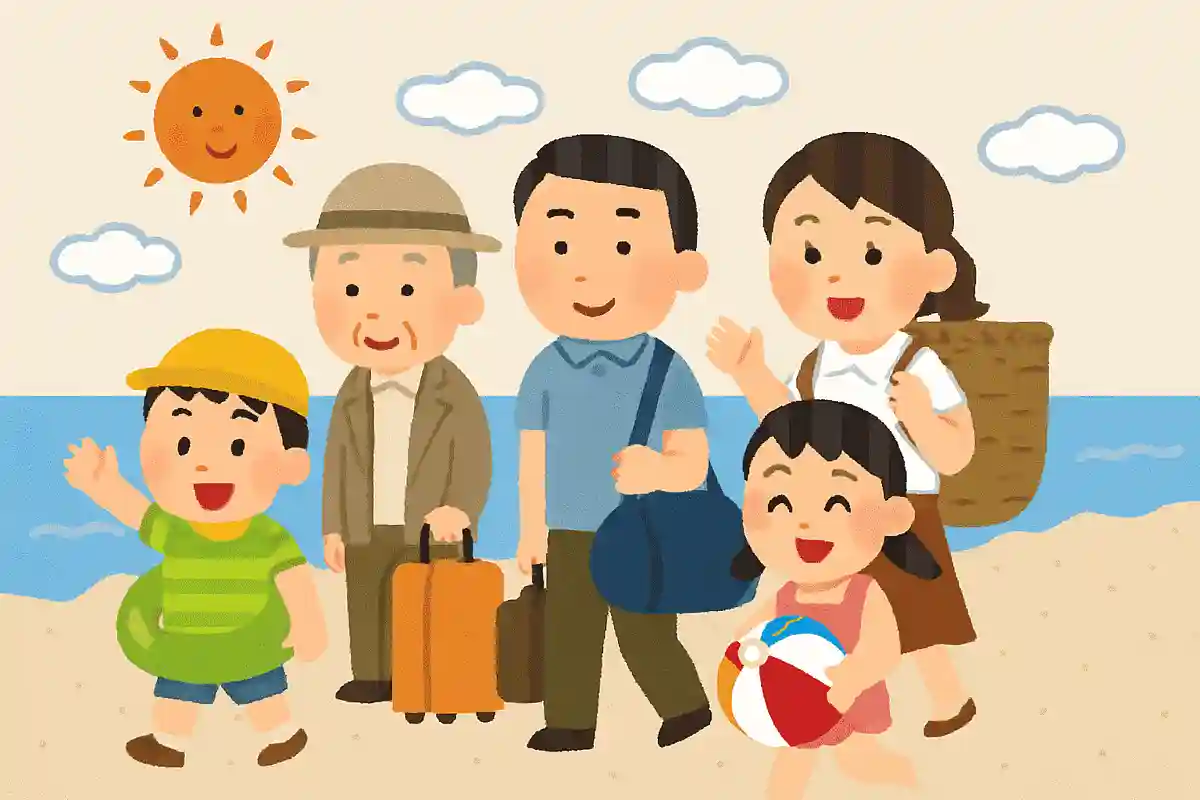
In the Showa era, there was only one day off in a week.
Mainly, only Sunday was a holiday.
Now that the five-day workweek is the norm, some people might find that a bit surprising.
Incidentally, the first company to adopt a two-day weekend in Japan was Matsushita Electric Industrial (now Panasonic).

In club activities and PE classes, there was something that was prohibited during the Showa era. What was it?
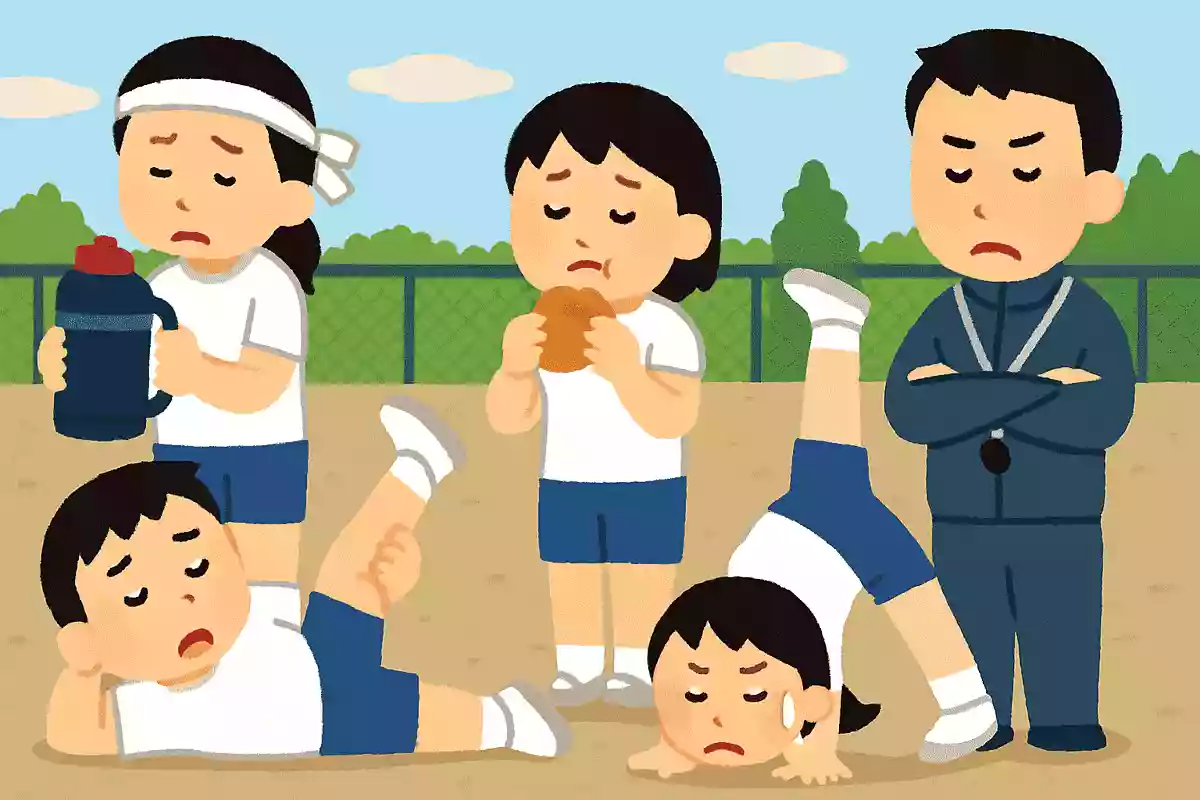
These days, staying hydrated is recommended as a measure against heatstroke, but what was it like back in the Showa era? During club activities and PE classes, drinking fluids was prohibited.
There may have been fewer extremely hot days than we have now, but you still need water when you’re physically active, right? Back then, people would say things like drinking water meant you were mentally weak, or that taking fluids would make you tire out.
Showa-Era Life: Nostalgic Living Quiz (11–20)
What is the animal that we often saw walking around city streets nationwide during the day?
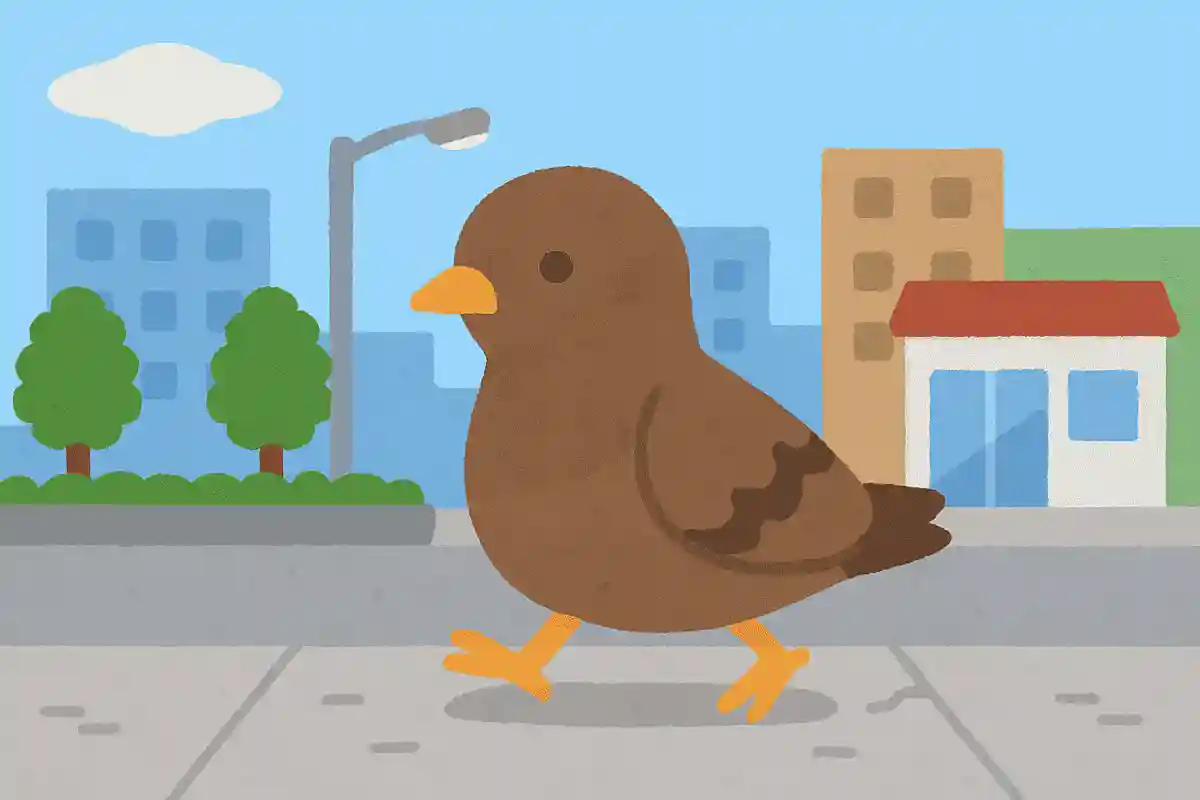
You don’t see them much anymore, but there used to be many feral and stray dogs all over Japan.
It wasn’t unusual to see them roaming around town.
One reason is that public health centers actively captured them and many strays were euthanized.
What was the staple food in school lunches during the Showa era?
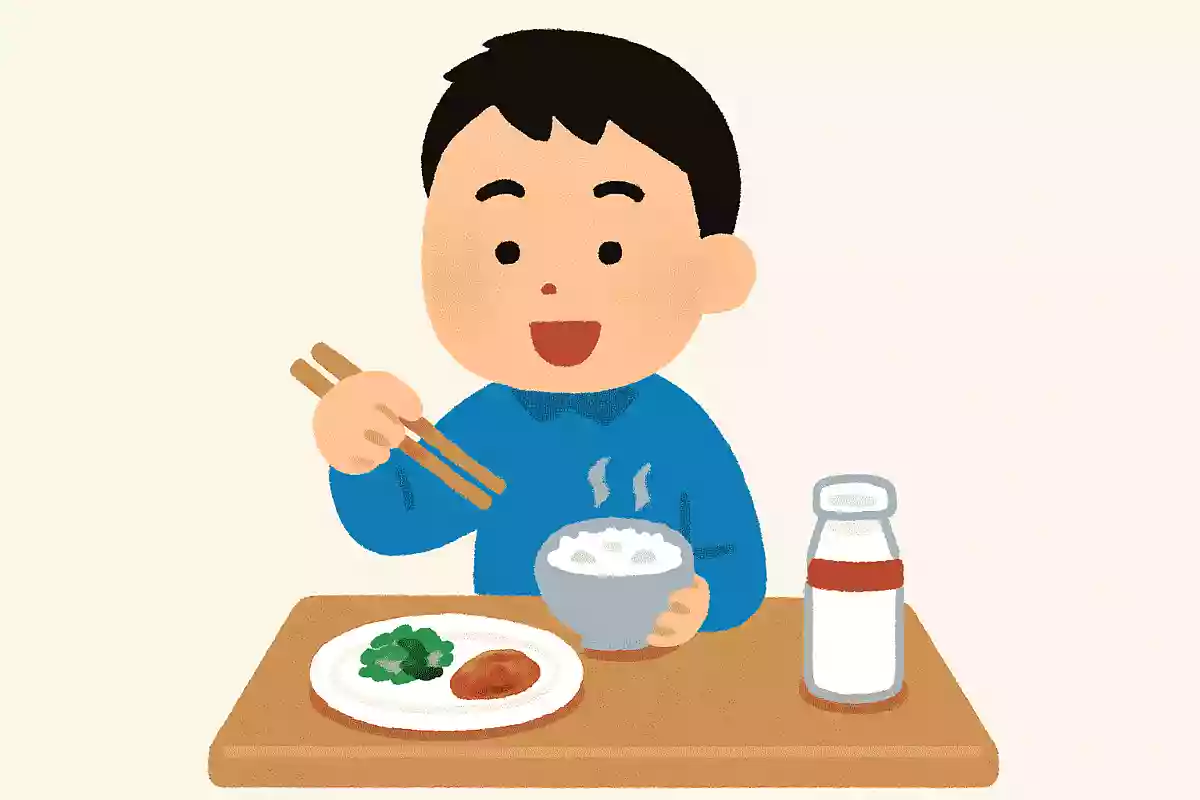
In the past, bread was often served as the staple food in school lunches.
Reasons included the large quantities of wheat provided among postwar relief supplies and the emphasis on training bakers.
Furthermore, for several years after the war, it was difficult to obtain rice for use in school lunches, so bread was frequently provided as the main staple.
In the 1940s–50s (Showa 20s), popular jobs for women included elevator girls and department store girls; what was the third type of “girl”?
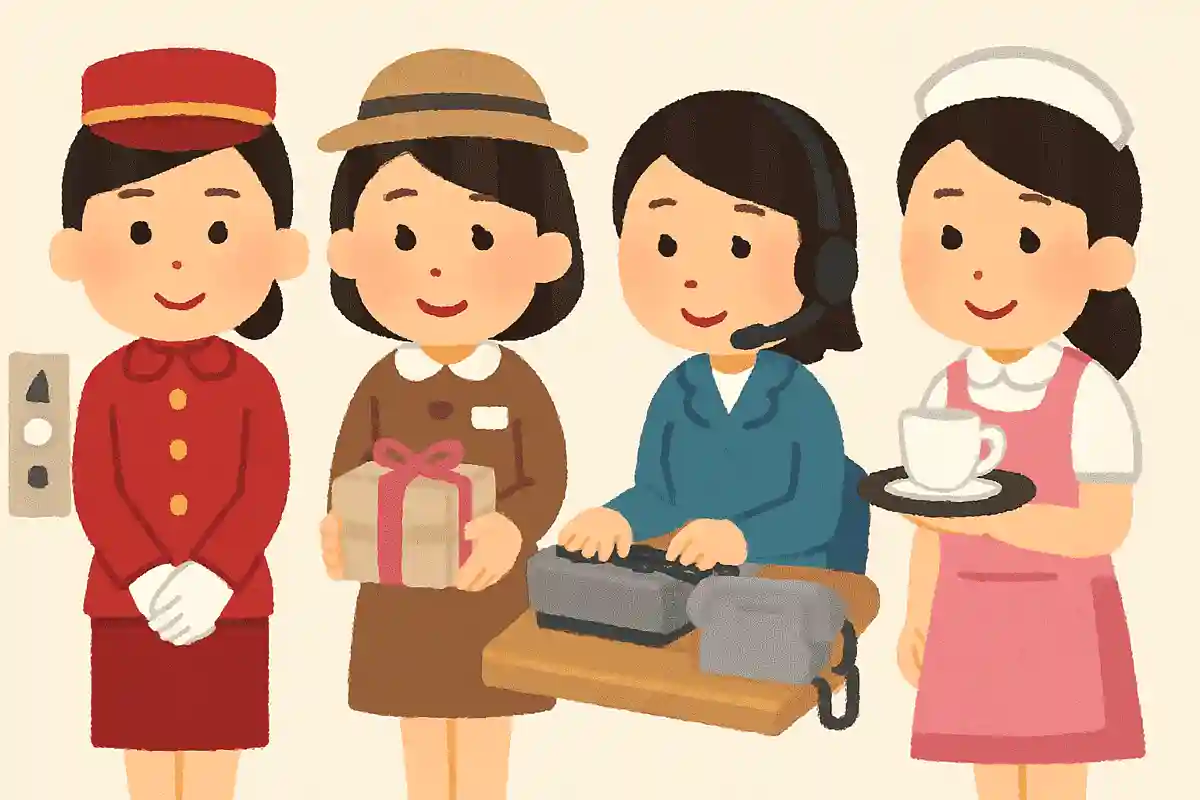
“Bus girl”—these days it sounds unfamiliar and you might think it means a bus tour guide, but it actually referred to a female conductor.
Back then it was a very popular job, and in 1957 the song “Tokyo no Bus Girl” became a hit.
It was said to be a popular career choice among women as well.
Where were the water tanks that stored water for flush toilets installed in the early Showa period?
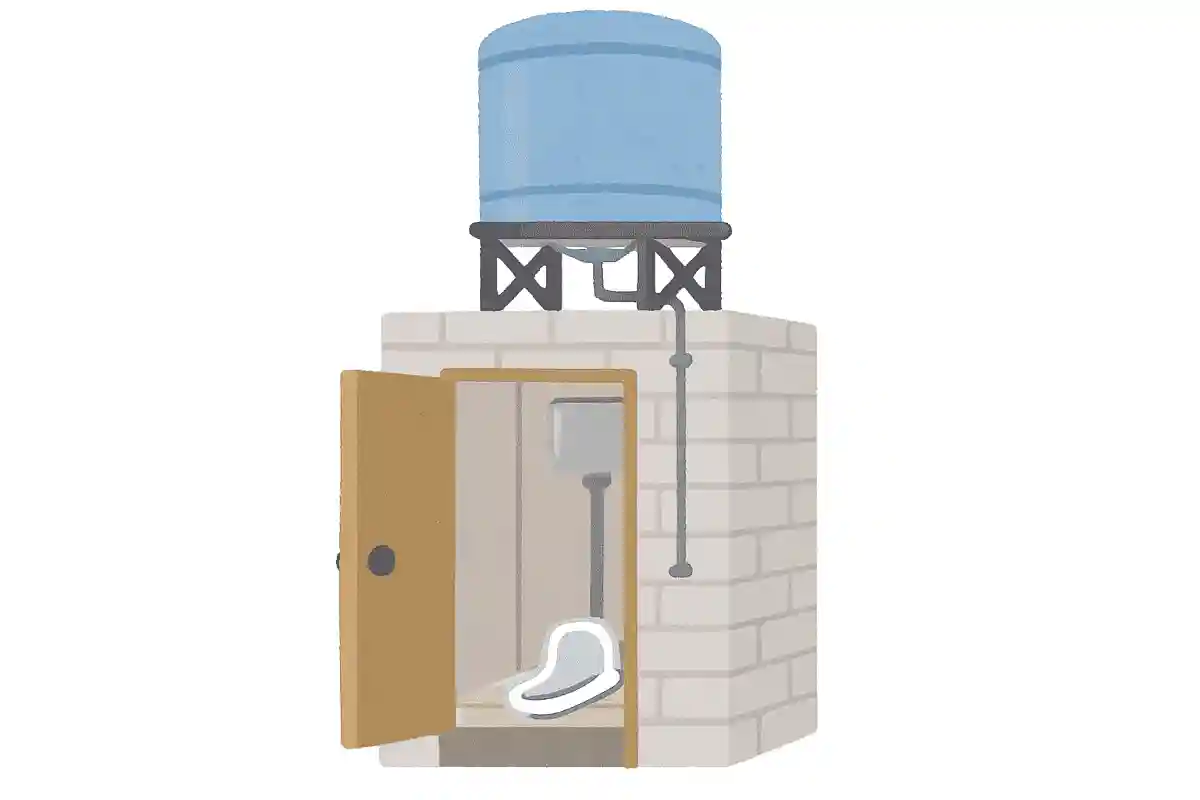
It seems that flush toilets became widespread around the mid-1950s (Showa 30s).
They had a tank mounted overhead, and pulling a chain would release the water stored in the tank.
You don’t see them much nowadays, but they’re common in buildings from the late 1960s (Showa 40s).
Because the water is released from a high position, it apparently flushes with strong force.
How many televisions did a household have in the Showa era?
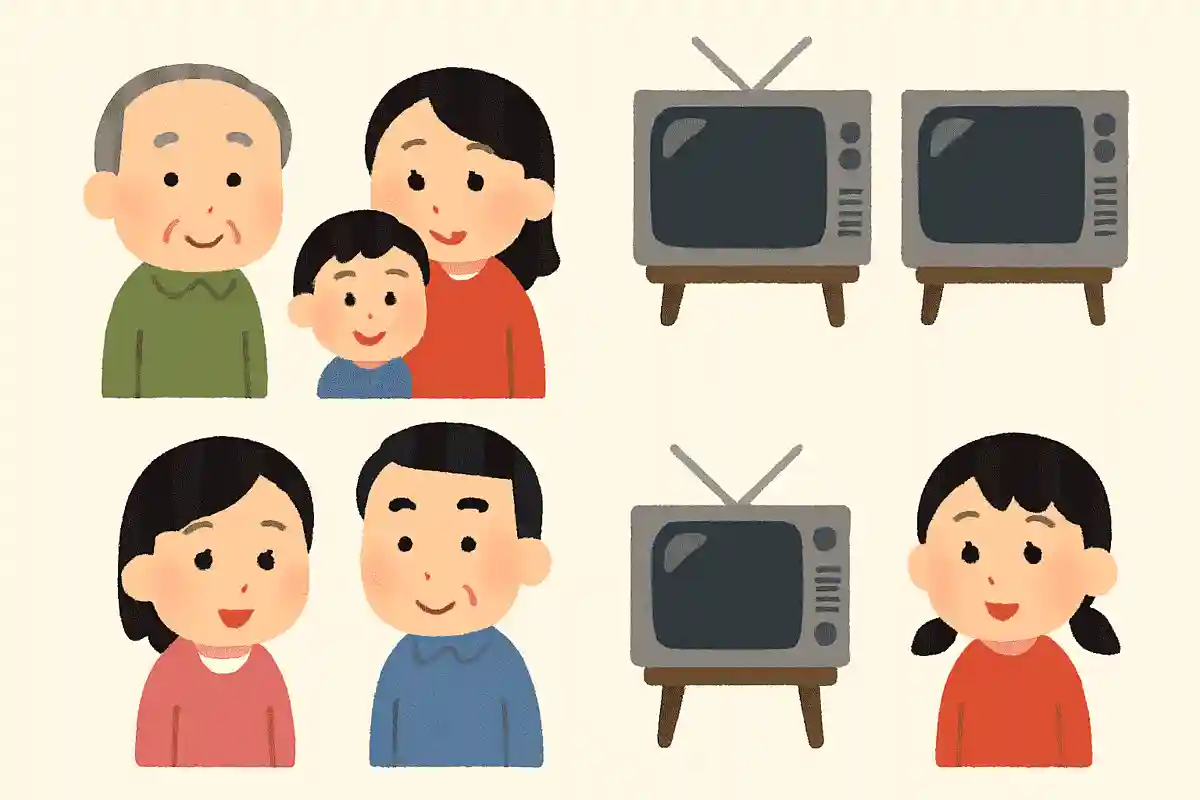
How many televisions do you have at home? These days, it’s no exaggeration to say that there’s about one per person.
In the Showa era, there was a time when televisions were very expensive and families usually had just one.
In households with many family members, there were even fights over the channel.
There are also stories from when TVs had just become widespread of everyone going to a neighbor’s house who had bought one to watch together.