

[For Seniors] Nostalgic! Showa-Era Quizzes Recommended for Reminiscence Therapy


A Showa-era quiz that naturally sparks lively conversation as you share memories.
New discoveries emerge from the rich experiences of older adults, wrapping the room in warmth.
We present quizzes about popular culture of the time—nostalgic TV shows and everyday tools from the Showa period—perfect for reminiscence therapy.
You can already hear the excitement: “Oh yes, I remember that!” “Back then we all watched TV together, didn’t we?” Why not enjoy communicating with those around you and look back on the Showa era together?
- [For Seniors] Nostalgic quizzes that bring back memories! Showa-era entertainment and sports questions
- [For Seniors] Recommended for Brain Training! Nostalgic Showa-Era Quiz
- [For Seniors] Ideal for Dementia Prevention: Easy-to-Practice Reminiscence Therapy Topics
- [For Seniors] Who Am I? Quiz: A Fun Set of Questions with Exciting Hints
- [For Seniors] Laugh-Out-Loud, Crowd-Pleasing! Fun Quiz
- [For Seniors] Brain Training! Recall Quiz Collection!
- [Recreation for Seniors] Introducing Quizzes to Enjoy at Day Service Centers!
- [For Seniors] Trivia Multiple-Choice Quiz
- [For Seniors] Fun! Let’s Get Excited with Japan’s Number One Quiz
- [For Seniors] Today’s recommended quiz. Daily brain-training quiz!
- [For Seniors] Fun and Informative! Health Trivia Quiz
- [For Seniors] Fun and Lively! Recommended Quiz Questions
- [For Seniors] Lively two-choice trivia quiz. Handy to know and tidbits you'll want to share with others
Showa-era Life: Nostalgic Living Quiz (1–10)
What are the things that absolutely existed in elementary schools back in the Showa era, but no longer exist today?
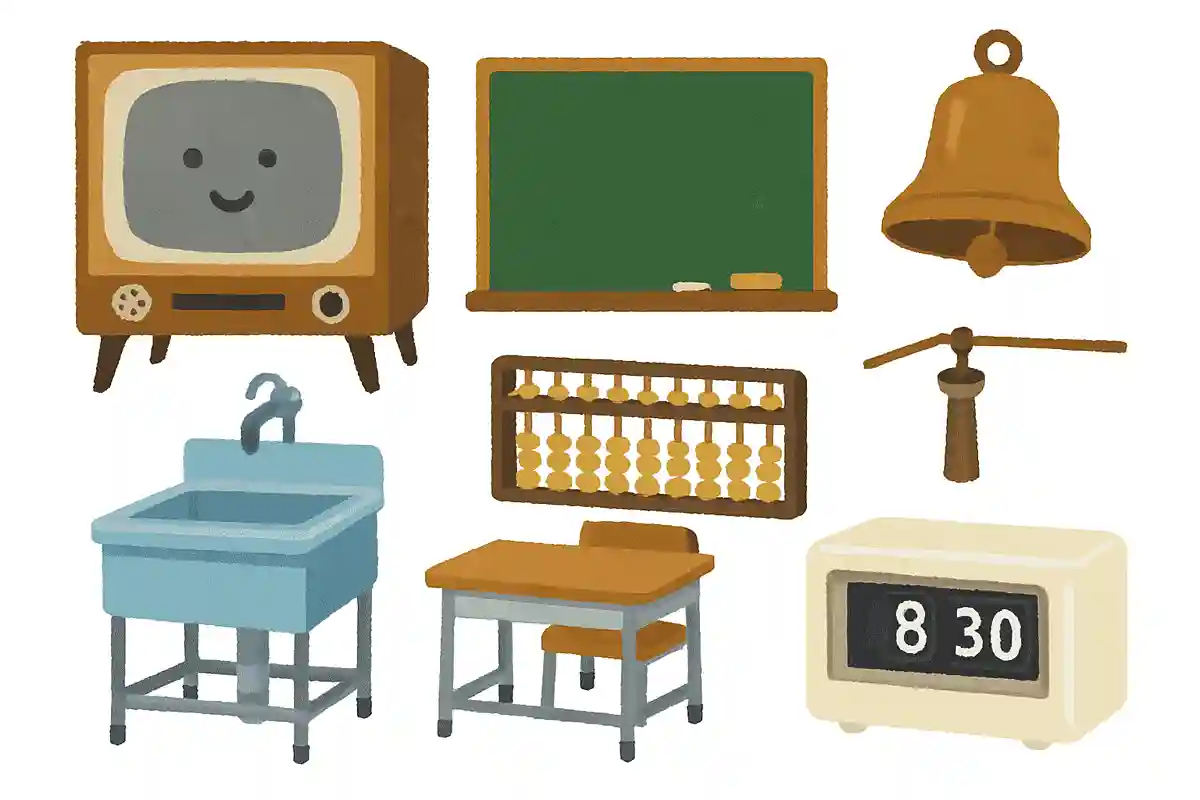
In Showa-era elementary schools, it was common practice to have an incinerator.
Trash from cleaning and unwanted documents were reportedly burned and disposed of in the incinerator.
However, the issue of generating harmful substances such as dioxins became a concern, and by 2000 (Heisei 12), their use was banned nationwide.
In the 1950s–60s (the Shōwa 30s), the home appliances known as the “three sacred treasures” were a black-and-white TV, a refrigerator, and what was the third one?
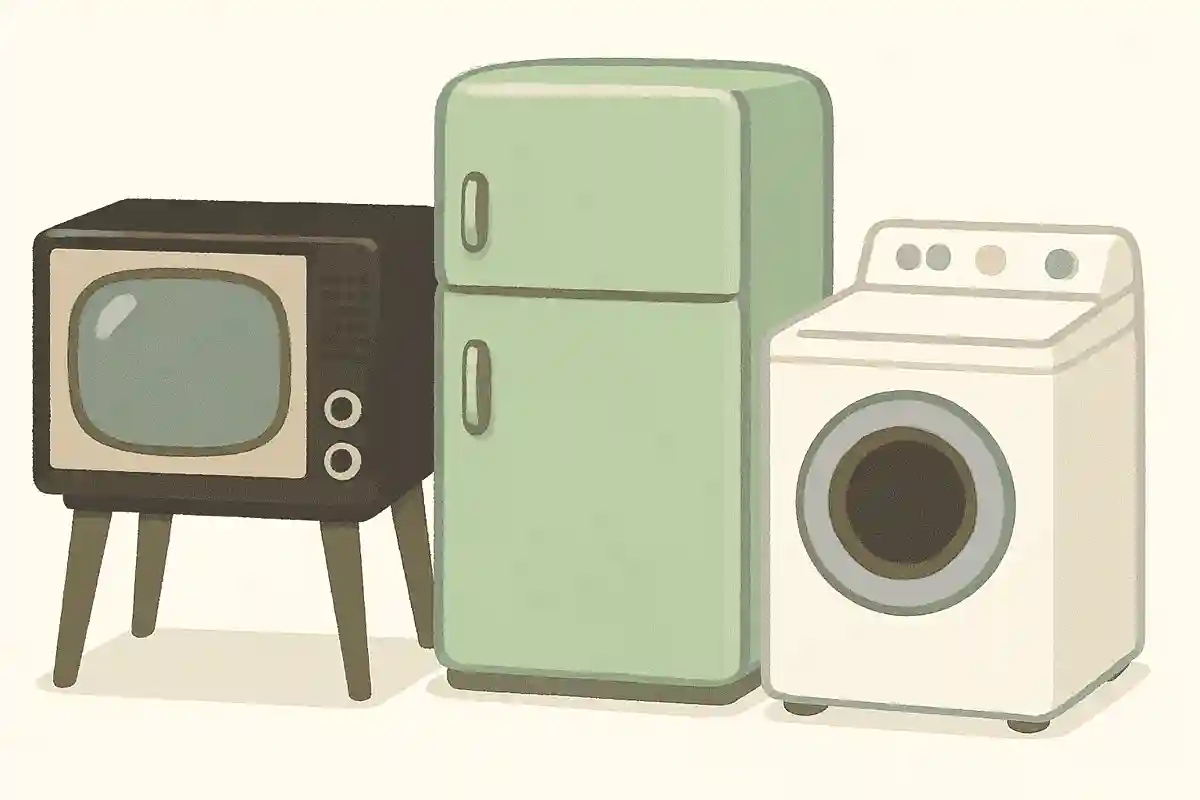
In the early years of the 1950s (Showa 30s), black-and-white televisions, refrigerators, and washing machines began to spread into ordinary households as the “three sacred treasures.” At the time, these appliances were very expensive, and people typically watched television on the street, but from around this period TVs started being installed in individual homes.
From the latter half of the 1950s, color televisions also began to become widespread.
In the 1960s (Showa 40s), the three new “Three Sacred Treasures” known as the 3Cs were a color TV, an air conditioner, and what was the third one?
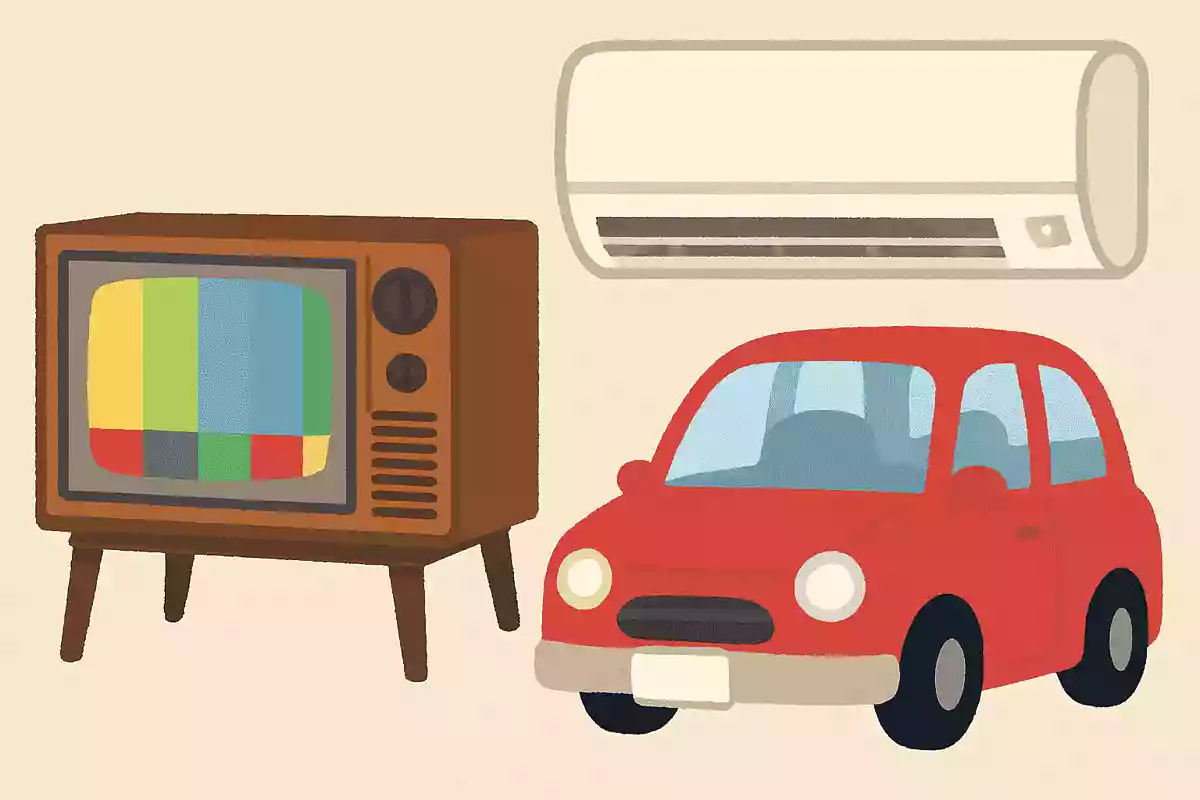
The answer was the automobile—the “C” in car.
Until then, black-and-white TVs were common, but with the 1964 Tokyo Olympics (Showa 39), color televisions rapidly spread, followed by private cars, and finally air conditioners in households.
Incidentally, around Showa 30 (mid-1950s), the so-called three sacred treasures were the electric washing machine, the electric refrigerator, and the black-and-white television.
Where in Japan was the first moving walkway installed in 1967 (Showa 42)?
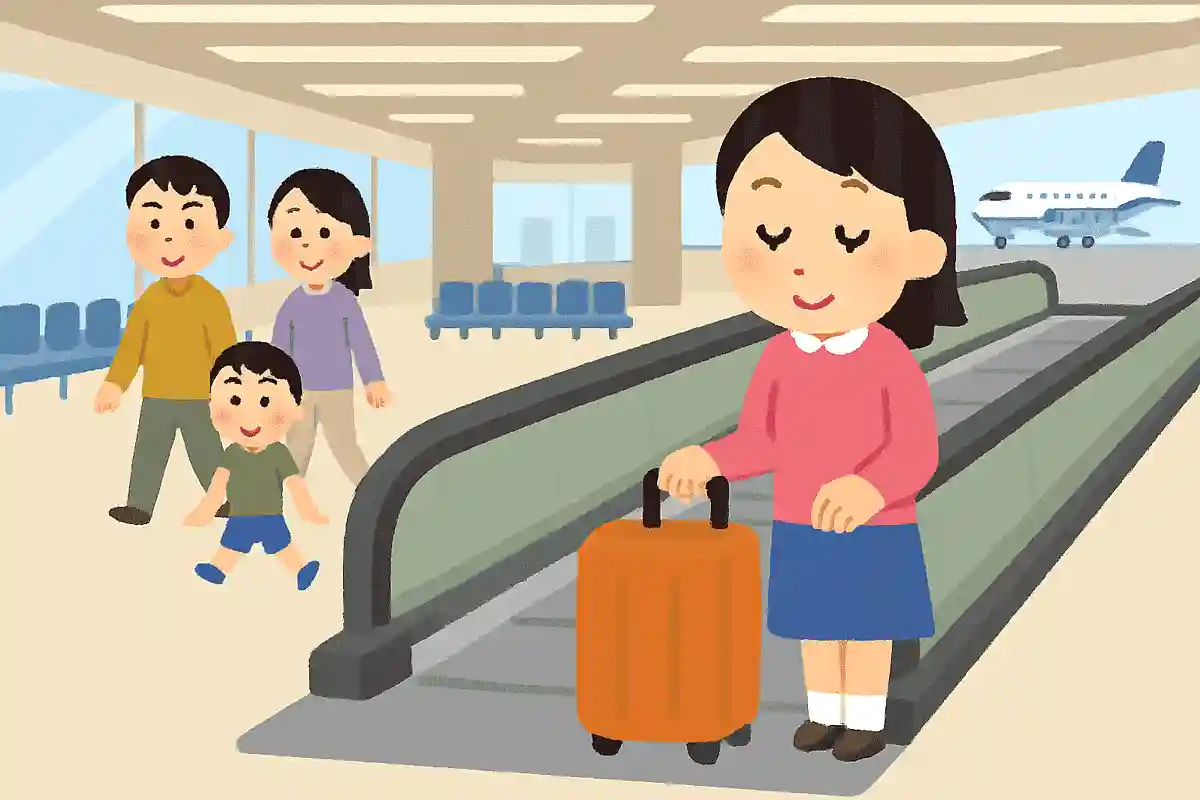
The moving walkway in Umeda, known as the “Moving Walk,” was installed in 1967 (Showa 42).
It was introduced to alleviate the inconvenience of transfers to other railways following station facility relocations.
Three years later, the Osaka Expo was held, which made it well known.
Even today, it is regarded as the largest moving walkway in Japan.
What is something that was a classic errand item for kids in the Showa era?

Nowadays, you can’t buy cigarettes without age verification, right? But back in the Showa era, even children could purchase cigarettes.
People say it wasn’t unusual to see kids clutching money from their parents and heading to the neighborhood tobacco shop.
Smoking regulations were also more lenient than they are today.
Apparently, teachers would sometimes talk with students while smoking in the staff room.

What meat was considered a staple in school lunches during the Showa era?
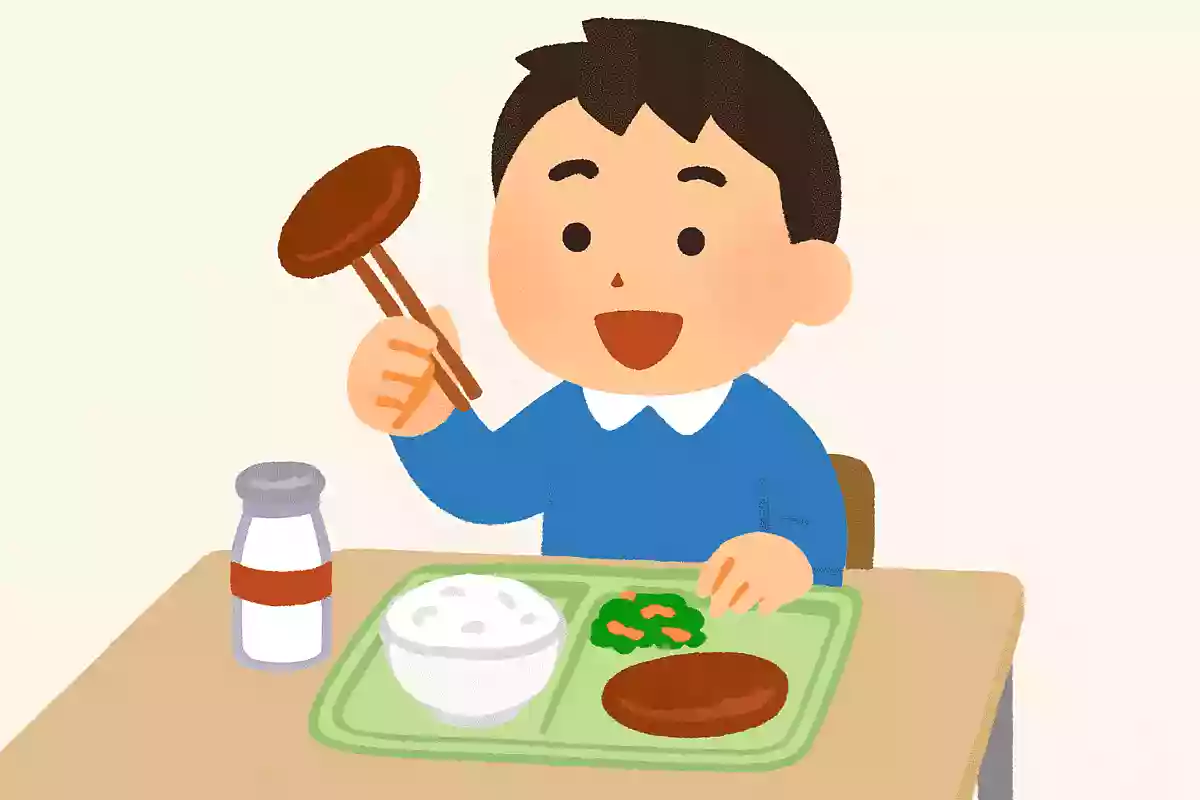
Whales used to be everyday food for ordinary people.
In Japan, a country surrounded by the sea, whales were utilized as a source of meat.
For that reason, from the late 1950s through the 1960s (the Showa 30s to 40s), school lunches also featured whale-based dishes.
In particular, many schools served tatsuta-age made from whale.
Whale meat, which is highly nutritious, was an important food that helped make up for nutritional deficiencies.
What is the thing that used to be commonplace at Showa-era train stations?
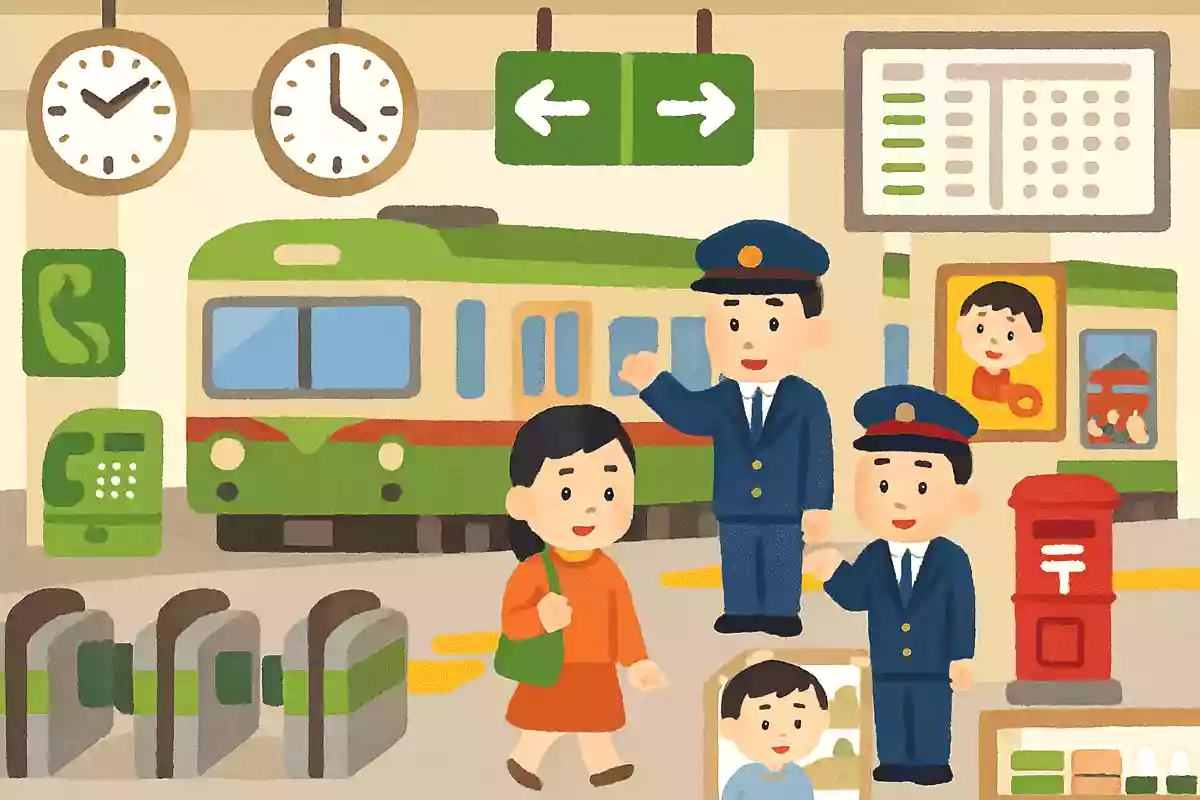
In the Showa era, when mobile phones were still rare like they are now, message boards at train stations played a big role as a means of communication.
People wrote notes on them to keep in touch with family, friends, and lovers.
You can even find scenes featuring station message boards in dramas and anime from that time.