

[For Seniors] Nostalgic quizzes that bring back memories! Showa-era entertainment and sports questions


It’s fun to look back on the past, isn’t it? Thinking about nostalgic topics—like entertainment, sports, and pop culture—can bring back memories and make our hearts skip with excitement.
How about we revisit those moments together through a quiz? Let’s enjoy a good time reminiscing about things that are commonplace now, or those that have changed with the times, and let the conversation blossom with memories.
I can almost hear everyone saying, “Oh yeah, I remember that!”
- [For Seniors] Laugh-Out-Loud, Crowd-Pleasing! Fun Quiz
- [For Seniors] Recommended for Brain Training! Nostalgic Showa-Era Quiz
- [For Seniors] Nostalgic! Showa-Era Quizzes Recommended for Reminiscence Therapy
- [For Seniors] Trivia Multiple-Choice Quiz
- [For Seniors] Fun and Informative! Health Trivia Quiz
- [Brain Training] Lively Word Quiz for Seniors
- [For Seniors] Who Am I? Quiz: A Fun Set of Questions with Exciting Hints
- [For Seniors] Brain Training! Recall Quiz Collection!
- [For Seniors] Have Fun with Wordplay Characters! A Collection of Funny Puzzles
- [For Seniors] Lively two-choice trivia quiz. Handy to know and tidbits you'll want to share with others
- [For Seniors] Fun! Let’s Get Excited with Japan’s Number One Quiz
- [For Seniors] Sports Trivia Quiz & Fun Facts. Easy and Entertaining
- [For Seniors] Liven Things Up! 3-Choice Ranking Quiz
History and Current Affairs (1–10)
How much was 1 US dollar in Japanese yen from 1949 (Showa 24) to 1971 (Showa 46)?
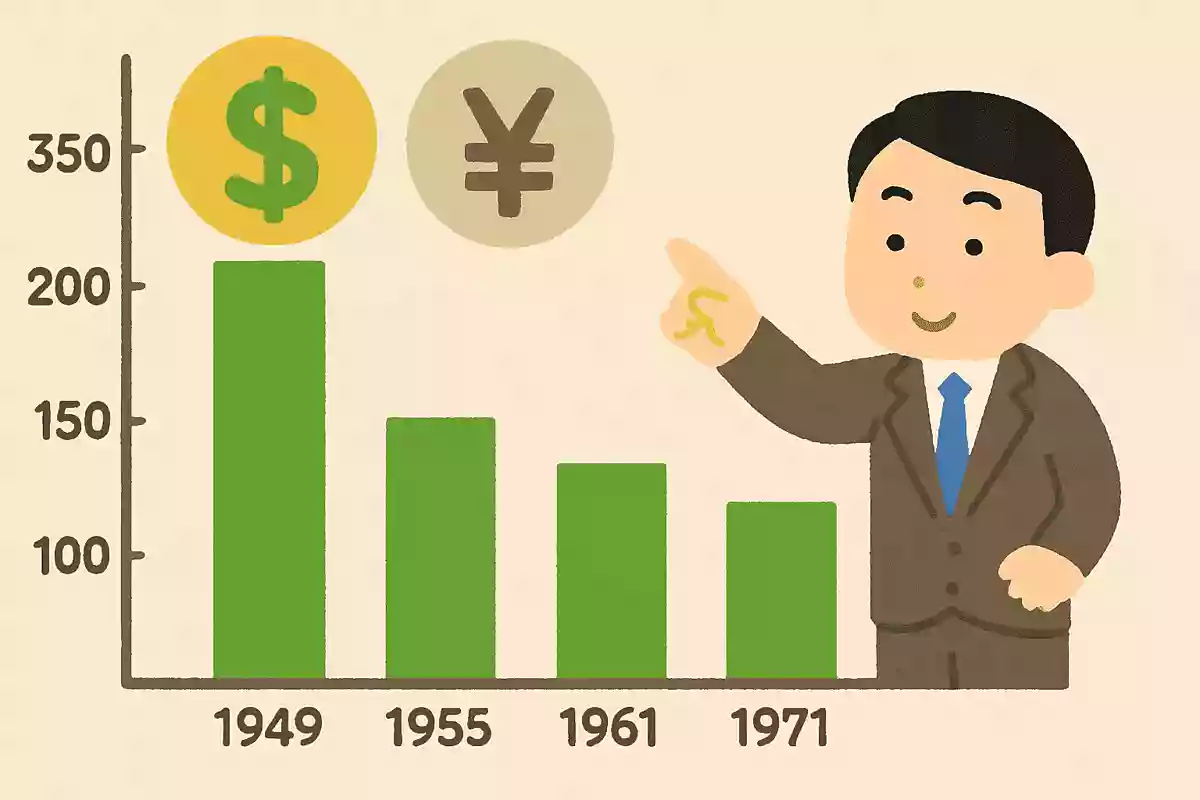
From 1949 (Showa 24) to 1971 (Showa 46), the value of one US dollar against the Japanese yen was fixed.
So what was that value? The hint lies in Japan’s postwar trajectory: considering that the country rebuilt itself through exports, you can probably estimate the rough figure.
The answer is 360 yen.
If you then look at how the exchange rate changed from there, you’ll get a sense of Japan’s growth—highly recommended.
It’s a complex topic, but it’s also worth learning what kinds of phenomena occur when the dollar’s value shifts.

The first Winter Olympics held in Asia took place in 1972. Which city in Hokkaido hosted it?
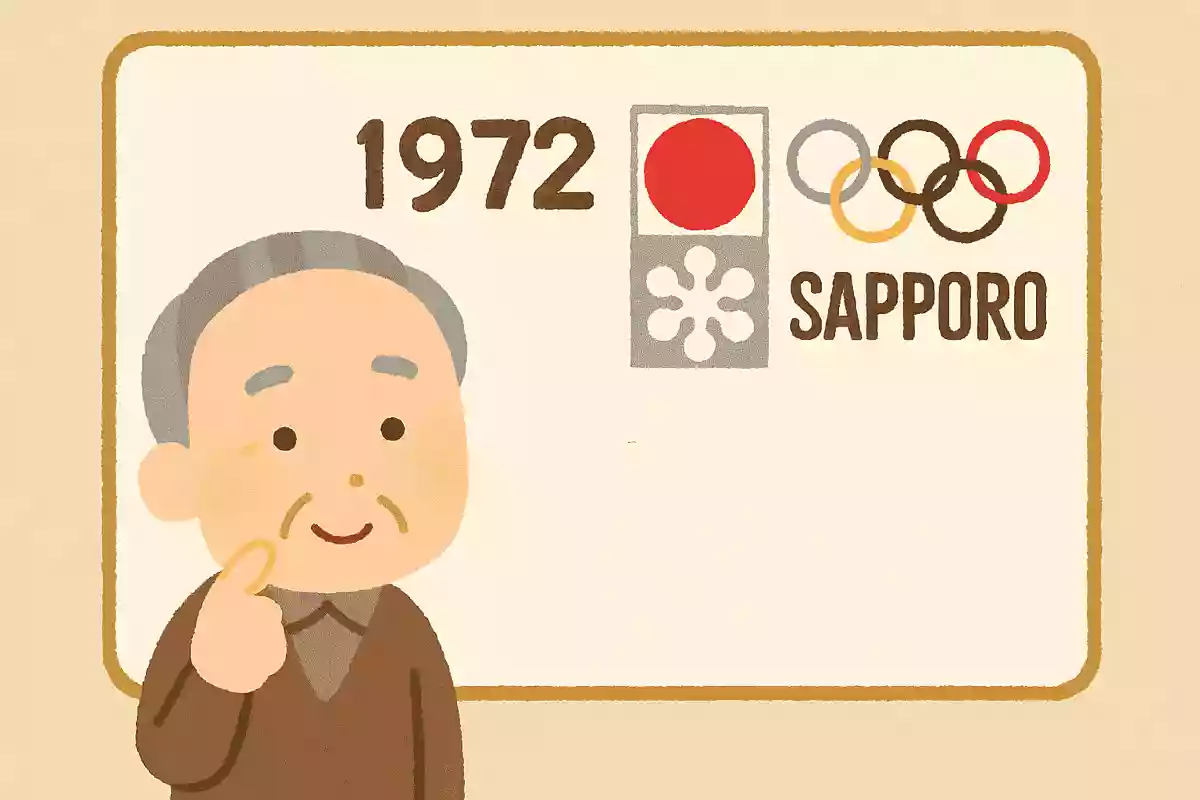
Speaking of Sapporo, there are many famous things like the Clock Tower, the Snow Festival, and ramen.
Among destinations in Hokkaido, it likely attracts a relatively large number of tourists.
Moreover, Sapporo hosted Asia’s first Winter Olympics in 1972.
It’s said that this was made possible because, from the Meiji through the Showa eras, skiing and skating had taken root among citizens as winter sports.
In fact, the Winter Olympics were supposed to be held even earlier than 1972.
Sapporo had been selected to host the 5th Winter Olympics in 1940, but the government returned the hosting rights due to the intensification of the Second Sino-Japanese War.

What percentage was the consumption tax during the Showa era?
It sounds like a trick question, but it’s about the consumption tax in the Showa era.
Although the consumption tax has been increasing year by year, in fact, there was no consumption tax during the Showa period.
So the answer to this quiz is that the consumption tax had not yet been introduced.
Japan first introduced the consumption tax on April 1, 1989, the first year of the Heisei era.
At the time of introduction it was 3 percent, and it was later raised to 5 percent, 8 percent, and then 10 percent.
Today, the consumption tax is taken for granted, but when it was introduced there was strong public backlash, and it is said that protest movements also occurred.
History and Current Affairs (11–20)
What was the incident that occurred in Karuizawa, Nagano Prefecture in 1972 involving the United Red Army?
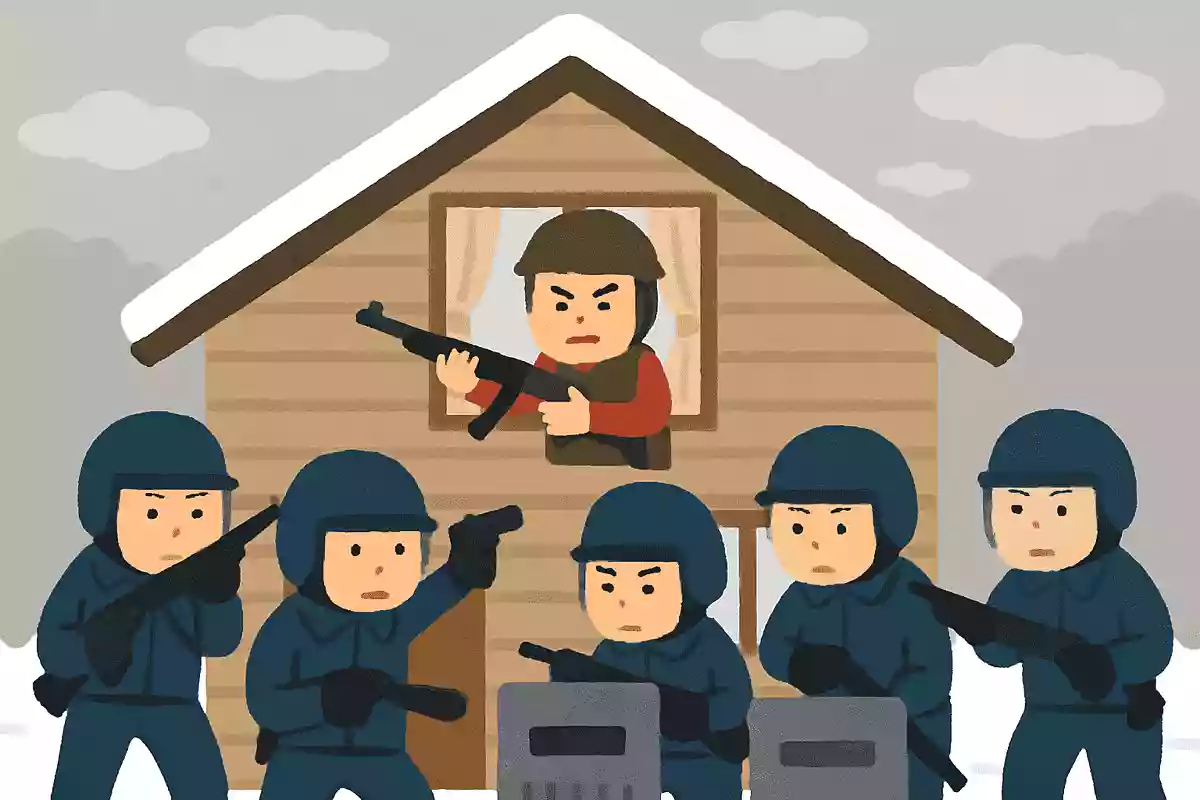
Major historical incidents are events we want to remember along with the lead-up and what actually happened.
Among such major incidents, what was the incident that occurred in Karuizawa, Nagano Prefecture, in 1972 involving the United Red Army? The United Red Army engaged in various activities, but only a few of them are known by specific incident names—this might be a hint.
The answer is the Asama-Sanso Incident.
More than the sequence and details of the case itself, it became notable for the “Cup Noodles” seen in the live broadcast and the “wrecking ball” used during the assault.
Lottery tickets were first sold in 1945 (Showa 20). At the time, four losing tickets could be exchanged for something. What was that something?
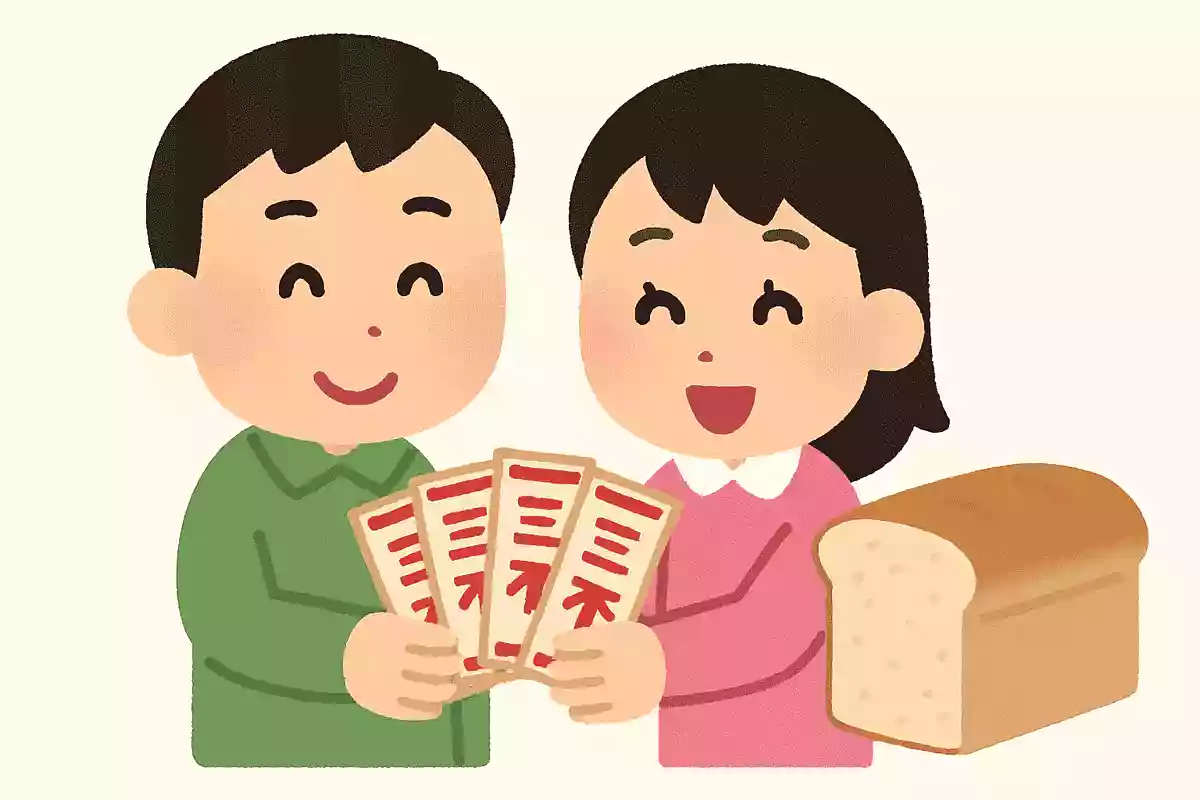
The first time lottery tickets were sold was in July 1945, just before the end of the war.
The price was 10 yen per ticket, and the top prize was 100,000 yen.
Back then, there was a system where four losing tickets could be exchanged for something—and that something was, incredibly, ten cigarettes, known at the time as “kinshi”! While alcohol as a prize might still make sense, a lottery that gives cigarettes as prizes is unimaginable today.
For those who remember it, this must be a nostalgic episode that reflects how times have changed.

Who was the last prime minister of the Showa era?
Speaking of the last Prime Minister of the Showa era, it was the 74th, Noboru Takeshita.
During the Takeshita Cabinet, which lasted from November 6, 1987 (Showa 62) to June 3, 1989 (Heisei 1), policies that would greatly influence Japan’s future were implemented, such as the introduction of the consumption tax and the liberalization of U.S.-Japan trade.
In recent years, his grandson, the singer DAIGO, has been very active on variety shows and elsewhere! Some older viewers may have seen him nostalgically share stories about Mr.
Takeshita, beginning with “My grandpa…” Since some people are sensitive about political topics, when presenting this as a quiz, keep it strictly as a name-guessing game and maintain a lighthearted tone.
In the Showa era, how many days off did schools and workplaces have per week?
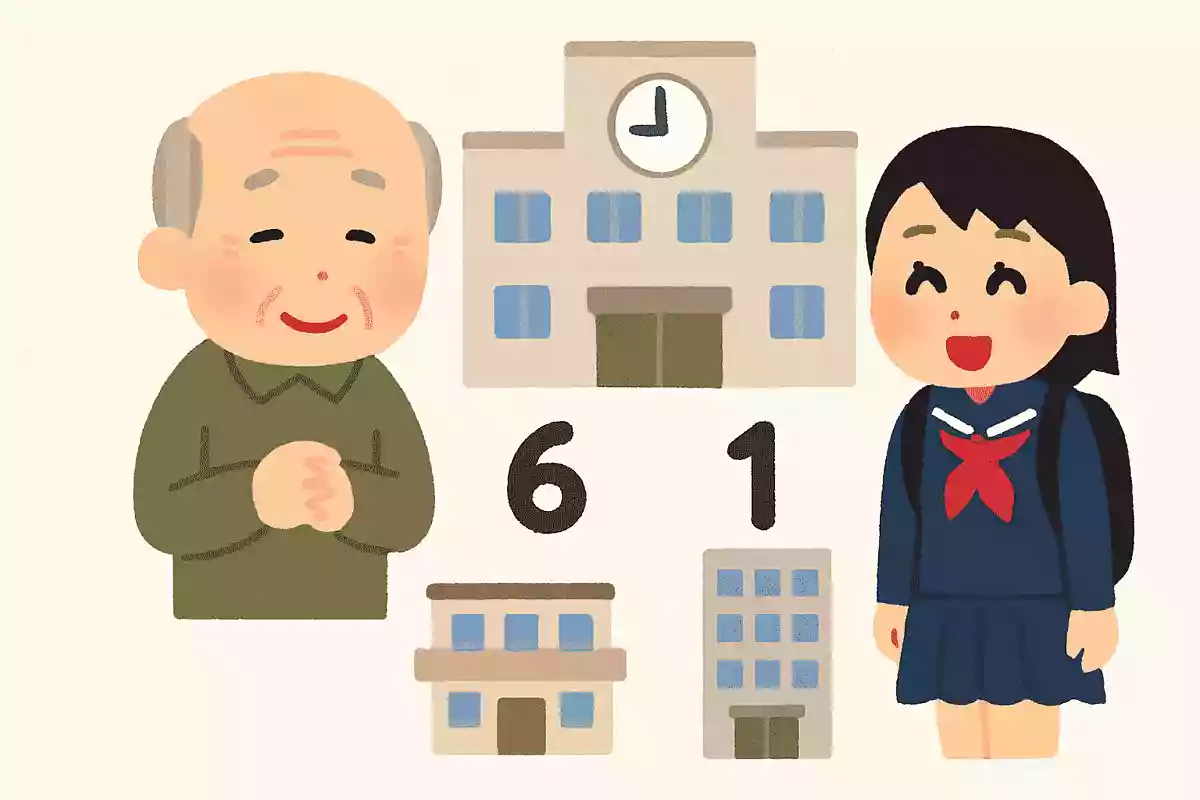
In an era when not only studying and working but also private time is considered important, the balance between them has clearly changed over time.
Before that balance began to shift, how many days off did schools and workplaces have in a week during the Showa era? The key hints are that it was different from today and that there were still days off, which narrows down the answer.
The correct answer is one day a week—Sunday was the basic day off—and there was even the term “han-don,” referring to going to school only on Saturday mornings.