

![[For Seniors] Surprising Facts! Multiple-Choice Trivia Quiz (4 Options)](https://media.ragnet.co.jp/img/1200__png__https://www.ragnet.co.jp/files/2025/04/97e1879134b2d7d437655c3f24e2e380.webp)
[For Seniors] Surprising Facts! Multiple-Choice Trivia Quiz (4 Options)

Even if you don’t know them, these trivia facts won’t cause any trouble in daily life, but knowing them can broaden your interests and give you knowledge you’ll want to share with others.
In this article, I’d like to introduce trivia quizzes geared toward older adults.
Quizzes are great for brain training and are also recommended for dementia prevention.
Please make good use of them for recreational activities at senior facilities as well!
All the questions introduced here are multiple-choice with four options, so even those who aren’t confident with quizzes can give them a try without pressure.
[For Seniors] Surprising Facts! 4-Option Trivia Quiz (1–10)
How many brains does an octopus have?
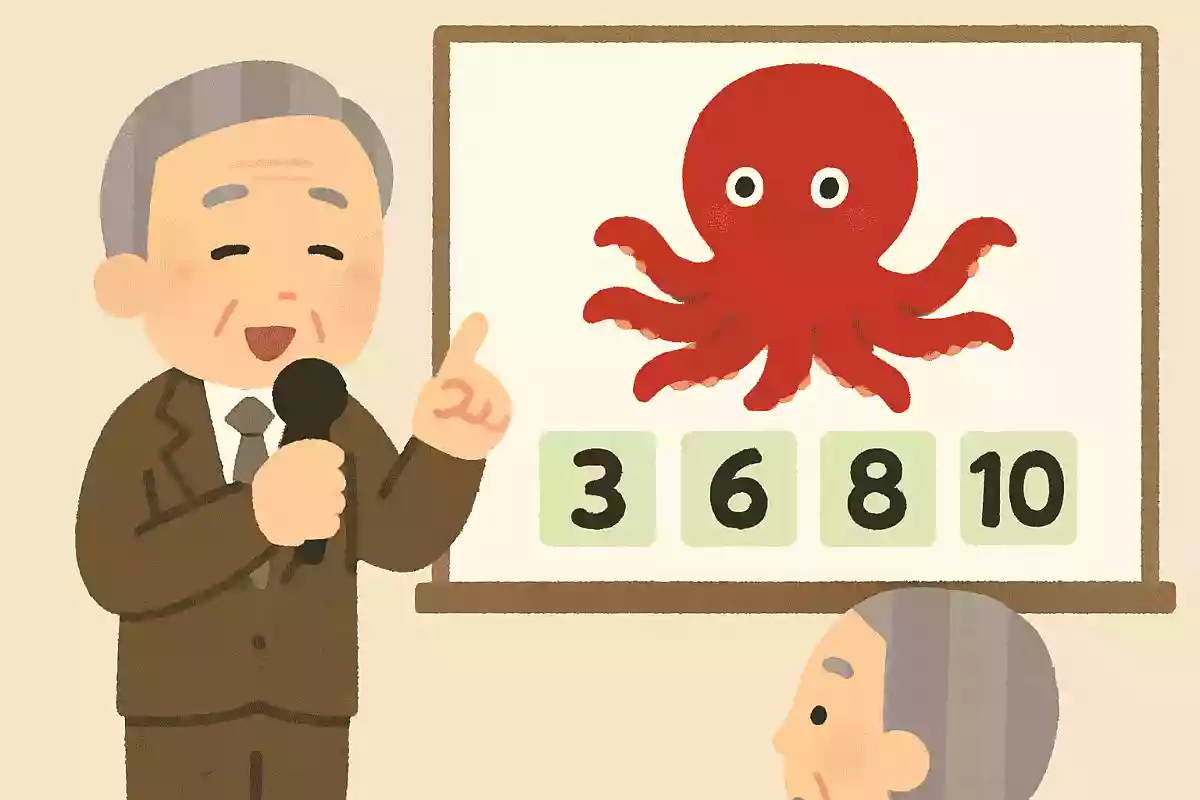
- 1 piece
- 3 pieces
- 9 pieces
- 12 pieces
See the answer
9 pieces
Octopuses are a familiar food to many Japanese people, enjoyed as sashimi or in takoyaki. Interestingly, octopuses actually have nine brains: one central brain in the head that controls the whole body, plus one independent brain in each of their eight arms, making a total of nine. Among invertebrates, octopuses are known for being highly intelligent.
Which is the correct way to count rabbits?
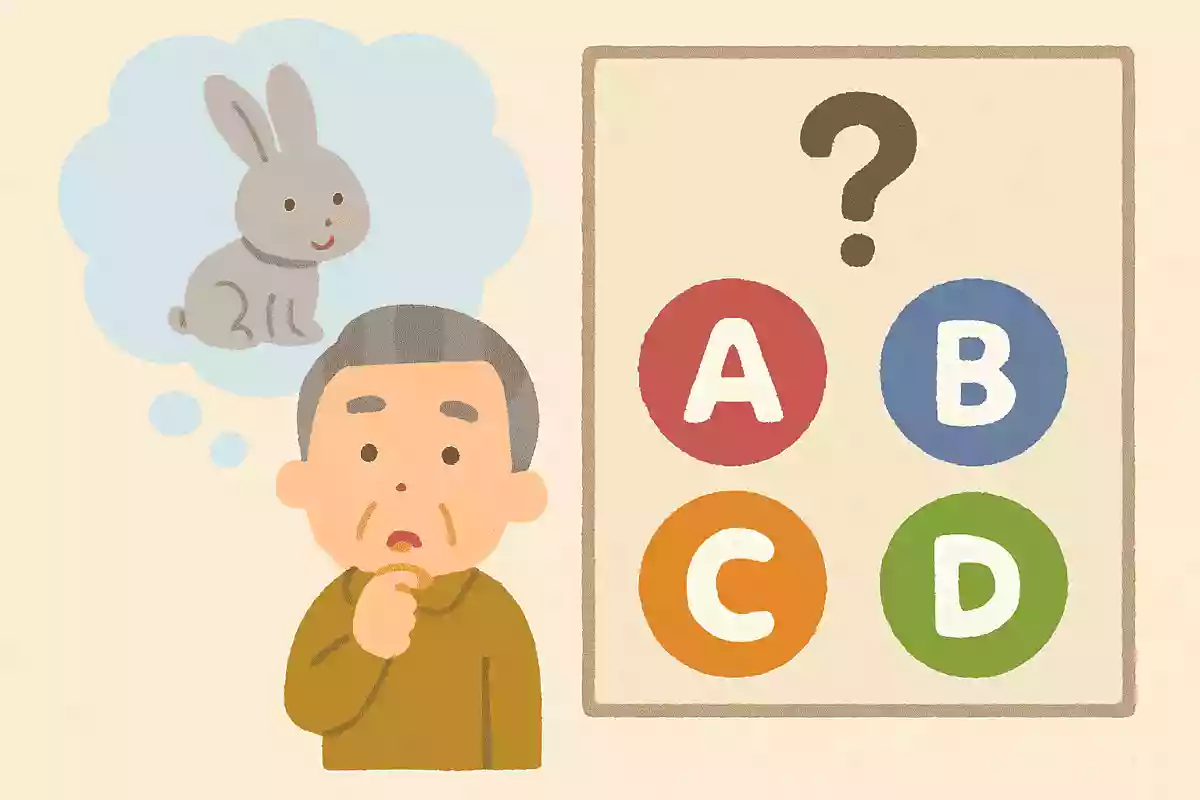
- one animal
- one (head of livestock)
- one bird
- one tail
See the answer
one bird
Rabbits are not counted as one “hiki” but as one “wa.” There are various theories about why, such as “because their skeleton resembles that of birds” or “to avoid violating Buddhist teachings that prohibit eating four-legged animals, people treated them as birds and ate them,” but the exact reason is unclear. Nowadays, more people might count them as ‘hiki.’
What is the origin of calling elderly people “silver”?
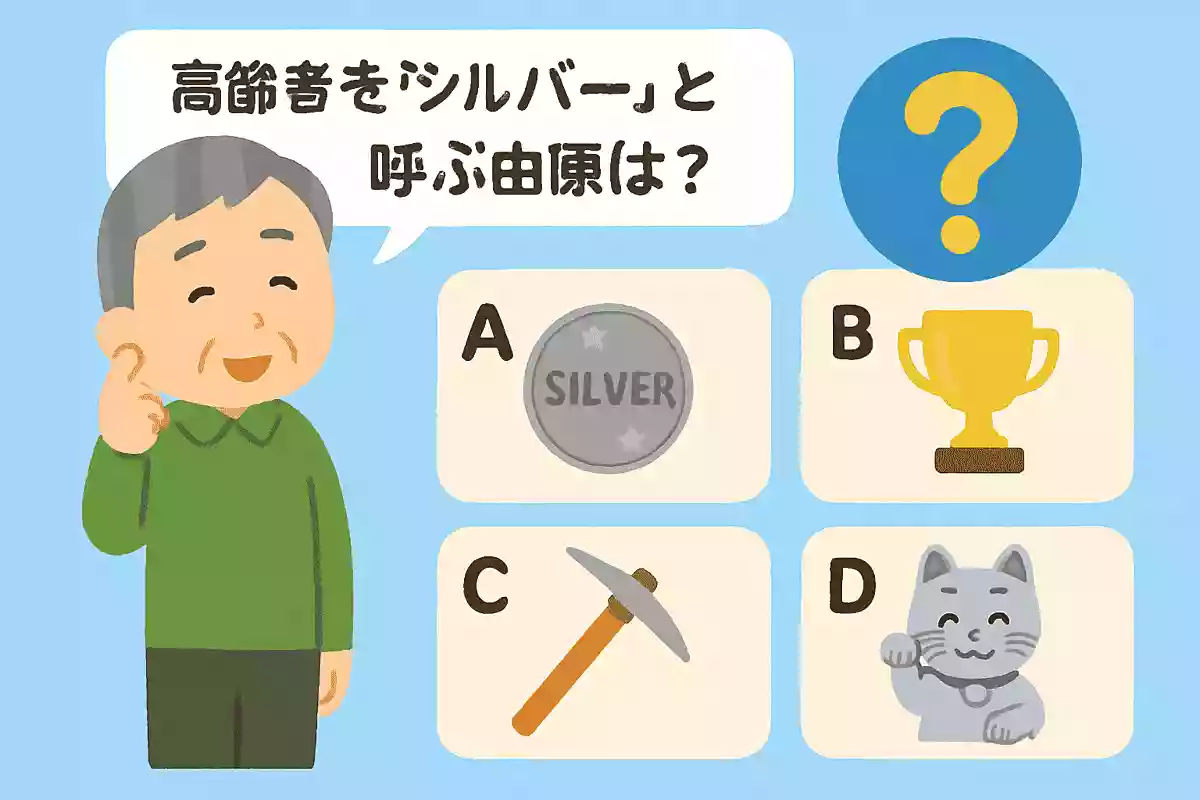
- gray hair
- silver tooth
- rollator
- Priority seat
See the answer
Priority seat
It’s said that the reason people began calling older adults “silver” comes from the fact that priority seats were silver-colored. As a service for seniors on Respect for the Aged Day in 1973, the then Japanese National Railways created priority seating. To distinguish them from other seats, they made them silver and named them “Silver Seats.” It seems that referring to elderly people as “silver” is unique to Japan.
How do you write ‘kakigōri’ in kanji?

- Shaved ice writing
- shaved ice
- shaved ice
- Monster Shaved Ice
See the answer
shaved ice
It’s generally written as “kakigōri” in kana, but kakigōri refers to ice that’s shaved or crushed finely and topped with syrup or sweet sauces. For that reason, when written in kanji it can be “欠氷” or “欠き氷.” These days, from the traditional style to versions as fluffy as cotton candy, kakigōri has become a very popular dessert.
What vegetable do you wrap around your neck when you have a cold?
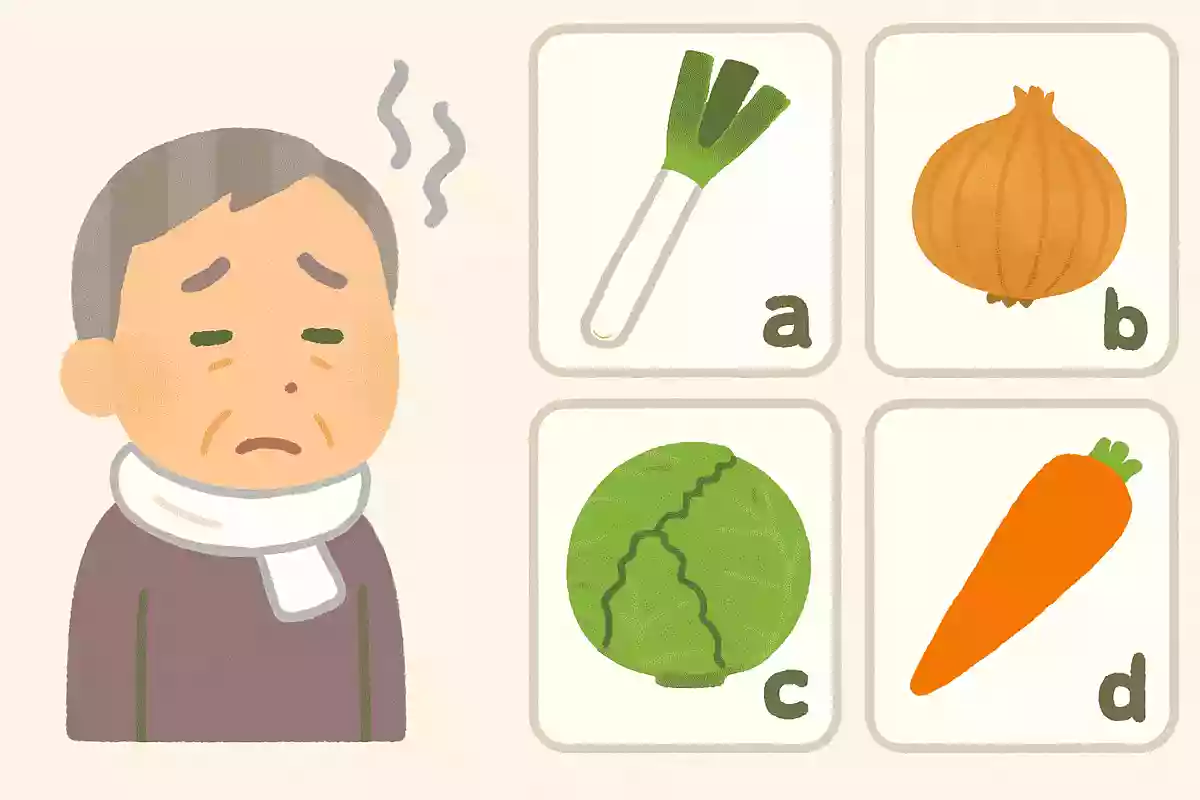
- mizuna (Japanese mustard greens)
- green onion
- spinach
- Chinese cabbage
See the answer
green onion
The answer is “green onion.” It’s said that a compound in green onions called allicin helps fight off cold viruses. It’s even more effective if you crush or slice the green onion and wrap it around your neck with gauze. It’s an easy method to try when you’re out of your usual medicine, though the downside is you’ll smell a bit like green onions…!
What is the most common surname in Japan?
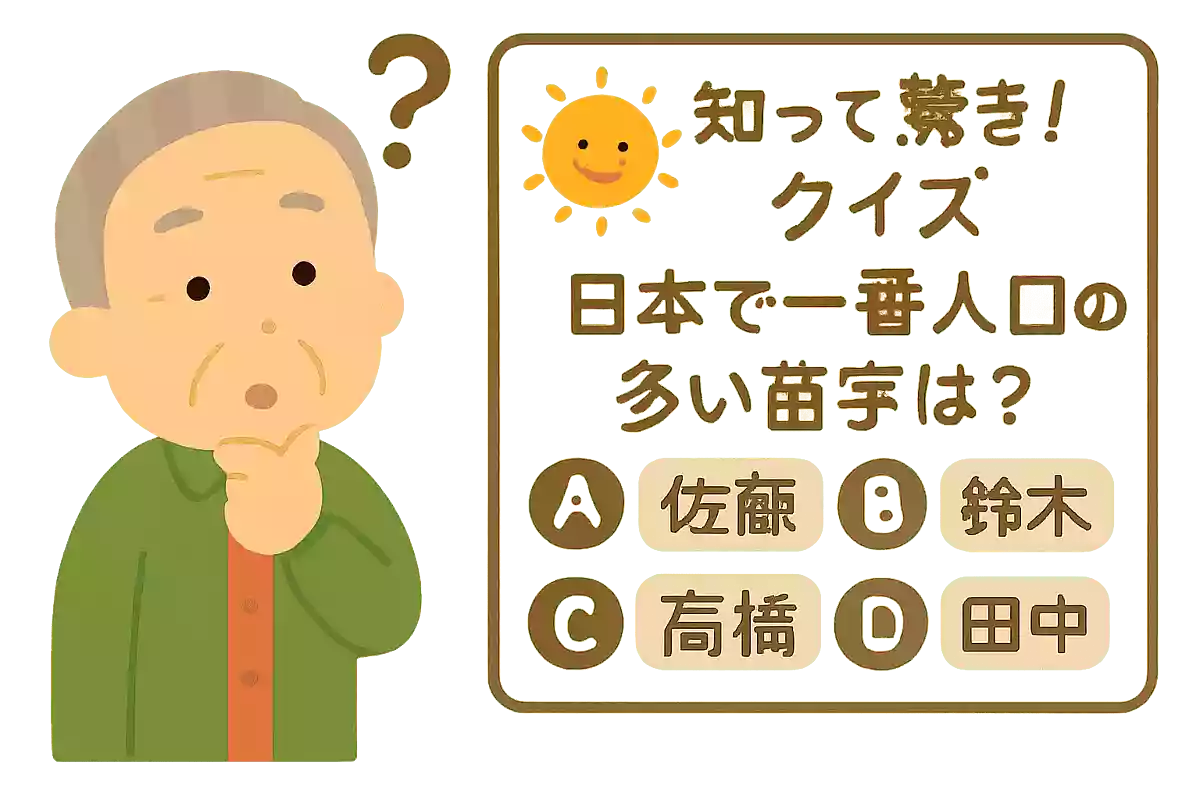
- Yamada
- Sato
- Suzuki
- Tanaka
See the answer
Sato
It’s said that about 2 million people have the surname Sato! Next come Suzuki, Takahashi, Tanaka, and Ito. Among those taking on this quiz, there might be someone with a top-five surname!
Who is the person featured in the portrait on the 1,000-yen bill?
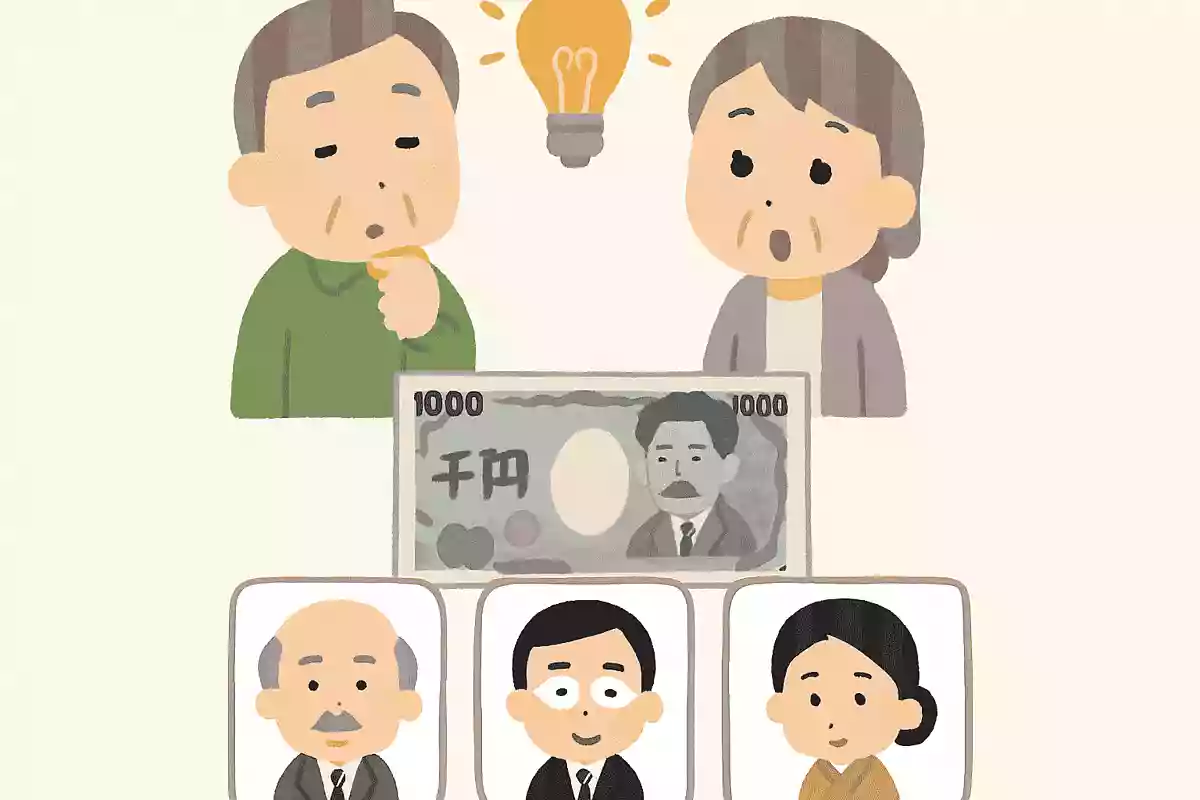
- Higuchi Ichiyō
- Yukichi Fukuzawa
- Eiichi Shibusawa
- Hideyo Noguchi
See the answer
Hideyo Noguchi
The 1,000-yen bill is the most familiar of all banknotes, isn’t it? Various figures have been portrayed on the 1,000-yen note. The answer to this question is Hideyo Noguchi. Others who have appeared include Prince Shōtoku, Hirobumi Itō, and Sōseki Natsume. In addition, the new 1,000-yen bill introduced in 2024 features Shibasaburō Kitasato.