

[For Seniors] Surprising Facts! Multiple-Choice Trivia Quiz (4 Options)

Even if you don’t know them, these trivia facts won’t cause any trouble in daily life, but knowing them can broaden your interests and give you knowledge you’ll want to share with others.
In this article, I’d like to introduce trivia quizzes geared toward older adults.
Quizzes are great for brain training and are also recommended for dementia prevention.
Please make good use of them for recreational activities at senior facilities as well!
All the questions introduced here are multiple-choice with four options, so even those who aren’t confident with quizzes can give them a try without pressure.
- [For Seniors] Trivia Multiple-Choice Quiz
- [For Seniors] Nostalgic quizzes that bring back memories! Showa-era entertainment and sports questions
- [For Seniors] Liven Things Up! 3-Choice Ranking Quiz
- [For Seniors] Great for killing time! A fun three-choice trivia quiz
- [For Seniors] Lively two-choice trivia quiz. Handy to know and tidbits you'll want to share with others
- [For Seniors] Surprisingly Unknown! General Knowledge Quiz
- [For Seniors] Introducing Trivia Quizzes and Fun Facts About December
- [For Seniors] Fun and Informative! Health Trivia Quiz
- [For Seniors] Fun and Informative! Trivia and Quizzes Introduced
- [For Seniors] Boost Your Knowledge! Fun Trivia Quiz
- [For Seniors] Laugh-Out-Loud, Crowd-Pleasing! Fun Quiz
- [For Seniors] Sports Trivia Quiz & Fun Facts. Easy and Entertaining
- [Brain Training] Lively Word Quiz for Seniors
[For Seniors] Surprising Facts! 4-Option Trivia Quiz (1–10)
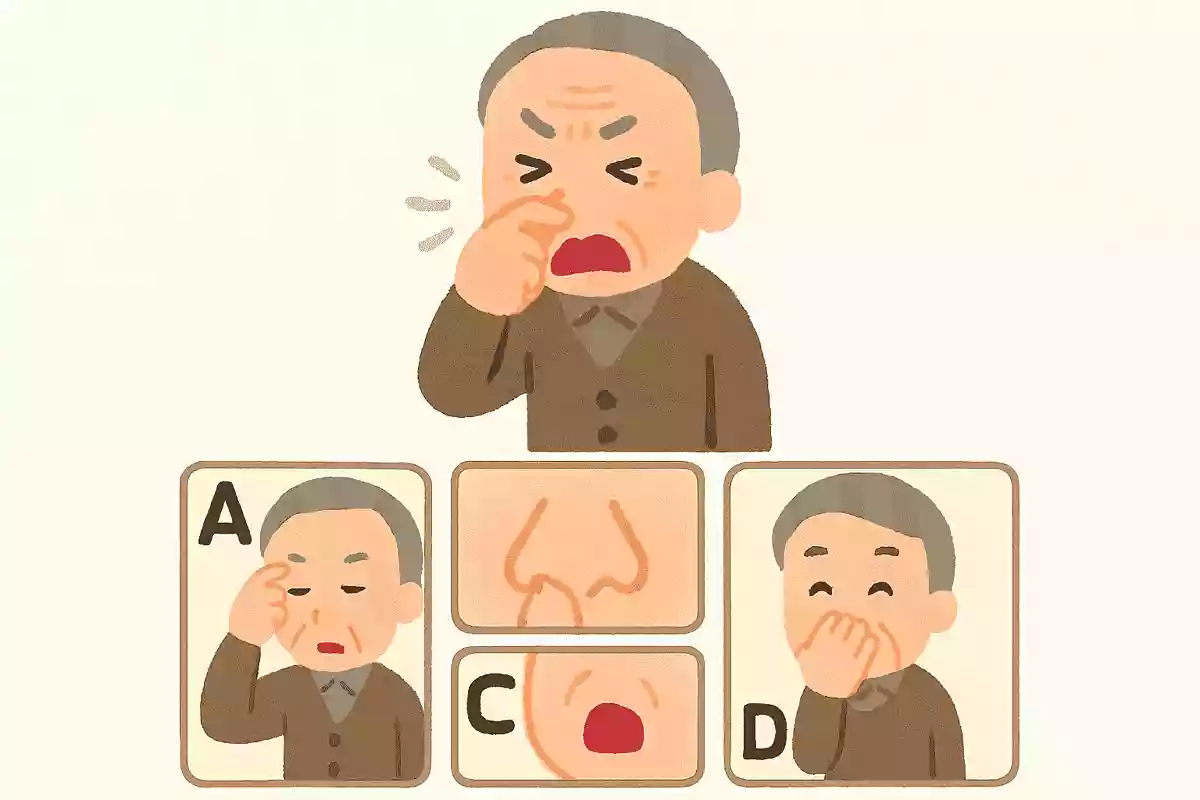
When you want to stop a sneeze, where should you press for it to be effective?
- mouth
- under the nose
- temple (of the head)
- inner corner of the eye
See the answer
under the nose
The command to expel a foreign object from the nose is sent from the brain and travels via the trigeminal nerve, resulting in a sneeze. But this trigeminal nerve is also located beneath the nose. By pressing that area, the command gets blocked and it seems you can stop a sneeze. If you’re curious, give it a try!
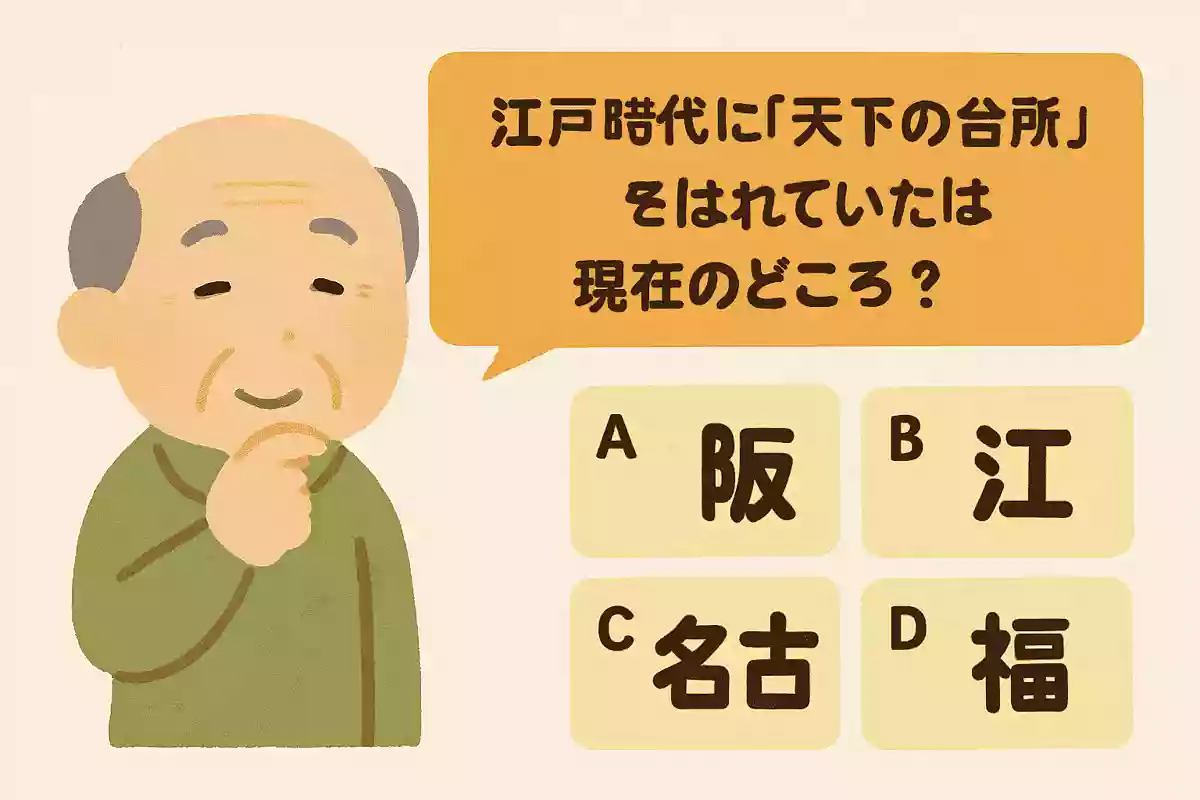
Which place in present-day Japan was called the “Kitchen of the Nation” during the Edo period?
- Tokyo
- Osaka
- Hiroshima
- Fukuoka
See the answer
Osaka
In the Edo period, the place called the “nation’s kitchen” was Ōsaka—present-day Osaka—which was then the hub of logistics and commerce. As a merchants’ city located at a key transportation crossroads, and because many daily necessities were gathered in Ōsaka and then shipped out again across the country, it came to be known as the “nation’s kitchen.”
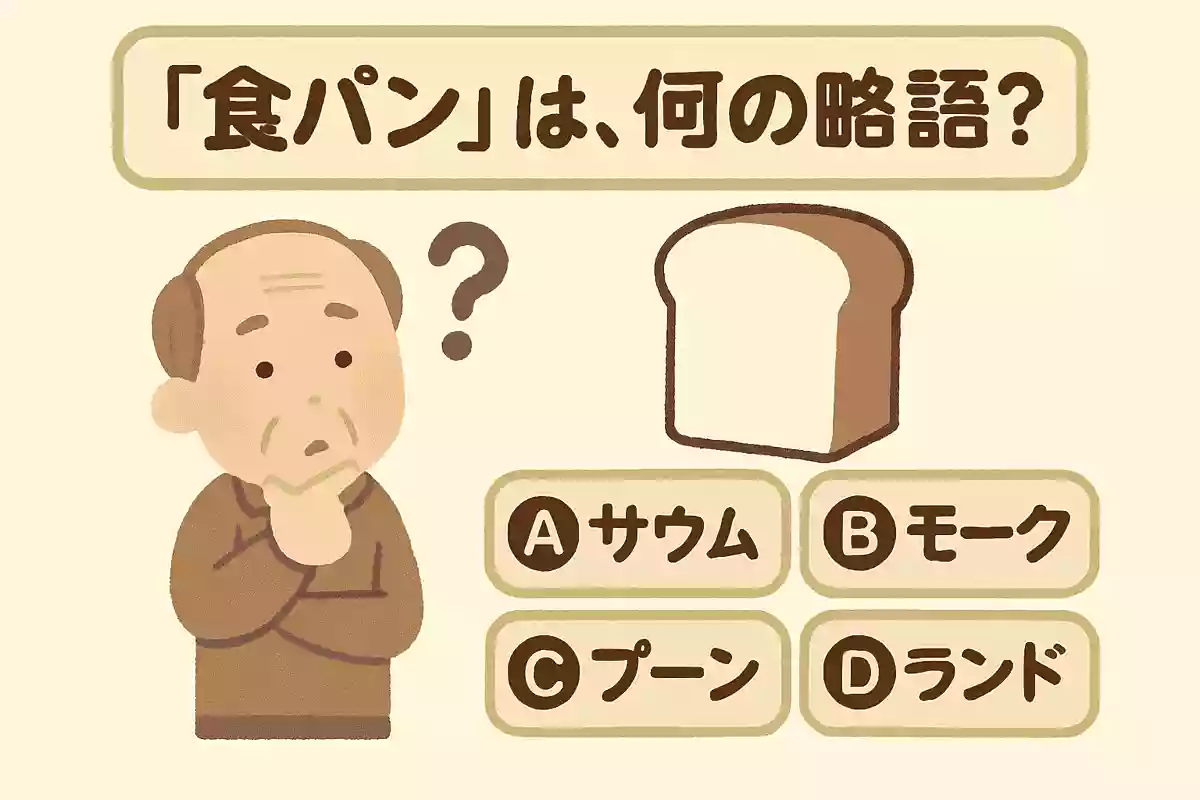
What is “shokupan” an abbreviation of?
- table bread
- table bread
- staple bread
- school lunch bread
See the answer
staple bread
It’s said that because bread was considered a staple food overseas, it was named “bread for staple use.” When bread was introduced to Japan, that term was shortened, and today it’s called “shokupan,” which has firmly taken root as a staple food in Japan as well.
[For Seniors] Surprising Facts! 4-Choice Trivia Quiz (11–20)
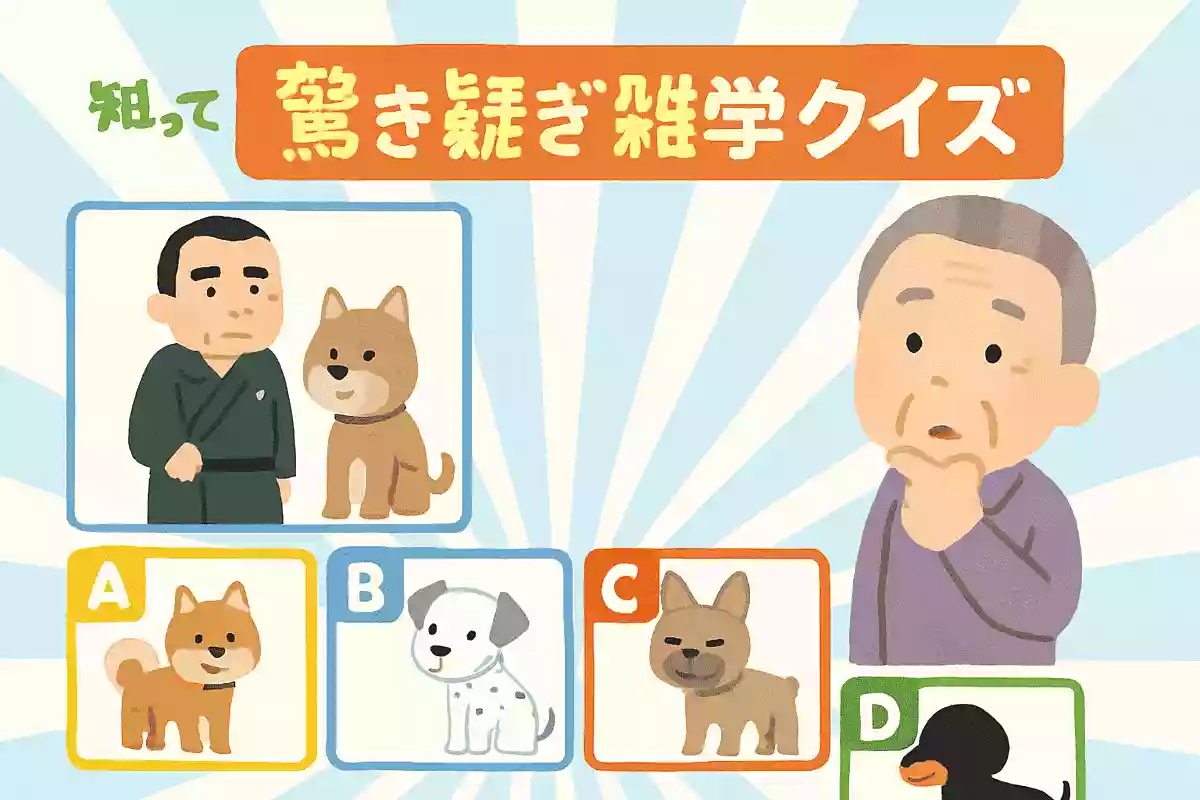
What is the name of Saigō Takamori’s beloved dog?
- Tsu-tsu
- crane
- luck
- tsun
See the answer
tsun
It’s well known that Takamori Saigo loved dogs. His beloved dog’s name was Tsun. There’s a statue of Saigo in Tokyo’s Ueno Park with a dog, but I’ve heard that the dog depicted in the statue isn’t Tsun—it was modeled after a different dog.
Until when does the New Year period last?
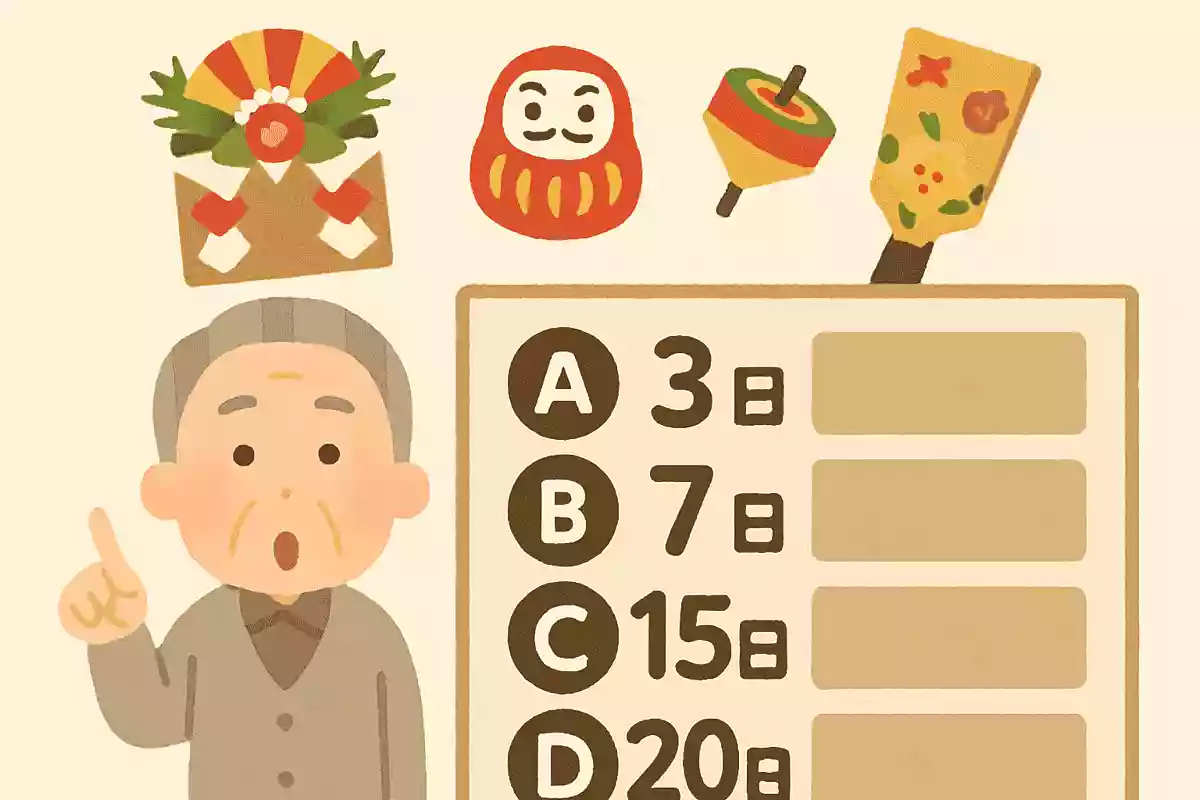
- January 3
- January 7
- January 20
- January 31
See the answer
January 31
The period from the 1st to the 3rd is called “Sanganichi,” and up to the 7th is called “Matsunouchi,” and nowadays this span is referred to as the New Year’s holidays. The definition also varies by region: in the Kanto area it often runs through January 7, while in the Kansai area it’s often through January 15. However, originally, “Oshogatsu” refers to the first month of the year—that is, the entire month of January.
Which bird is called the “harbinger of spring”?
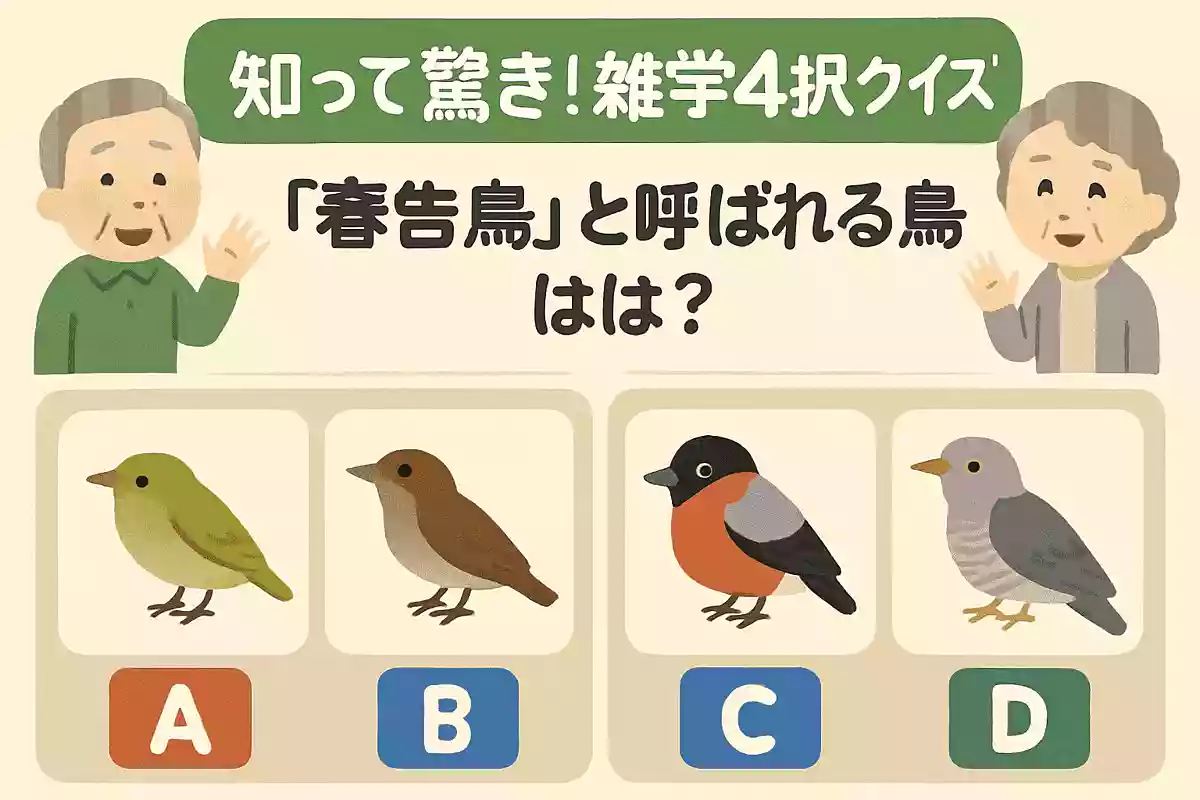
- Japanese bush warbler
- Cuckoo
- Japanese white-eye
- lesser cuckoo
See the answer
Japanese bush warbler
When it comes to the Japanese bush warbler’s call, “hoo-hokekyo” is famous, but in fact it sings differently in other seasons. As spring approaches and the weather warms, it begins calling “hoo-hokekyo.” Many people probably sense the arrival of spring in that sound.
Why is it called a blackboard even though it’s green?
- Because it costs too much to make
- Because the light is reflecting and it's hard to see.
- Because green is easy on the eyes.
- Because we can’t make a black blackboard.
See the answer
Because the light is reflecting and it's hard to see.
There is a theory that, in postwar schools, the surge in student numbers due to the baby boom led to overcrowded classrooms, and because the blackboard was hard to see from the front row where light from the windows caused glare, it was changed to green. Nowadays, more and more schools are using whiteboards and monitors for lessons, but many people still probably picture a blackboard when they think of a school classroom.
