

[For Seniors] Laugh-Out-Loud, Crowd-Pleasing! Fun Quiz


Quick wits matter! We bring you laugh-out-loud brain teasers and riddles that make you blurt out “Ahh!” or “I see!” the moment you get the answer or someone tells you the correct one.
There are plenty of riddles that are friendly and familiar for seniors, too.
If the answer doesn’t come easily, try thinking it through with the people around you, or offer small hints to guide everyone toward the solution.
Those “almost got it, but not quite” questions give your brain a great workout.
Enjoy a delightful time that brings a little chuckle and a smile the moment the answer clicks.
- [For Seniors] Fun and Lively! Recommended Quiz Questions
- [For Seniors] Guaranteed to Liven Things Up! A Collection of Brain Training Activities That Will Spark Laughter
- [For Seniors] Nostalgic quizzes that bring back memories! Showa-era entertainment and sports questions
- [For Seniors] Fun and Educational True-or-False Quiz
- [For Seniors] Have Fun with Wordplay Characters! A Collection of Funny Puzzles
- [Brain Training] Lively Word Quiz for Seniors
- [For Seniors] Lively two-choice trivia quiz. Handy to know and tidbits you'll want to share with others
- [For Seniors] Fun! Let’s Get Excited with Japan’s Number One Quiz
- [For Seniors] Trivia Multiple-Choice Quiz
- [For Seniors] Fun Riddles That Stimulate the Brain
- [For Seniors] Fun and Informative! Health Trivia Quiz
- [For Seniors] Sports Trivia Quiz & Fun Facts. Easy and Entertaining
- [For Seniors] Recommended for Brain Training! Nostalgic Showa-Era Quiz
Japanese Culture, Geography, and Health Knowledge (11–20)
Among Nagano Prefecture, Mie Prefecture, Oita Prefecture, Ibaraki Prefecture, and Yamaguchi Prefecture, which one is the odd one out?
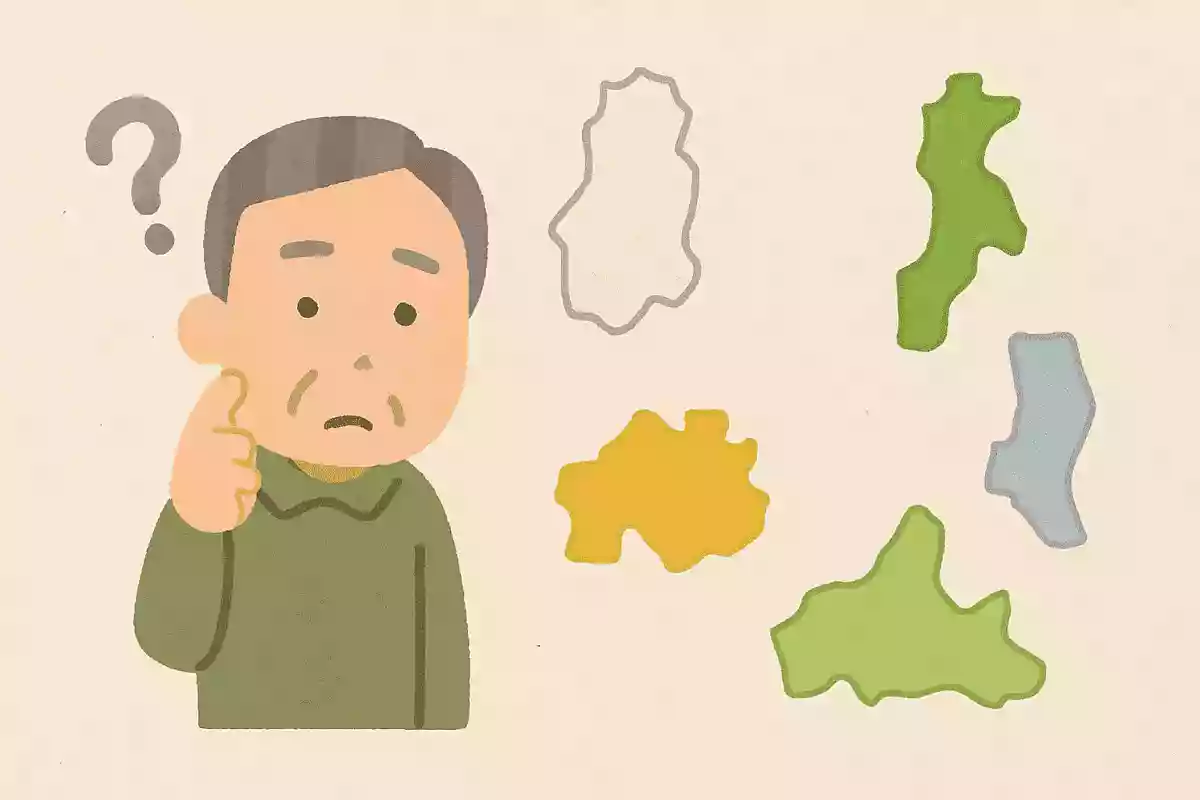
If you’re good at geography, this is a piece of cake! The answer to “Which one is the odd one out among Nagano, Mie, Oita, Ibaraki, and Yamaguchi Prefectures?” is Nagano! Even after hearing the answer, some people might not immediately get it, but Nagano is the only one among them that doesn’t face the sea—it’s landlocked.
People connected to Nagano or those who know geography well might get it without any hints.
However, for many, it’s a fairly tricky question.
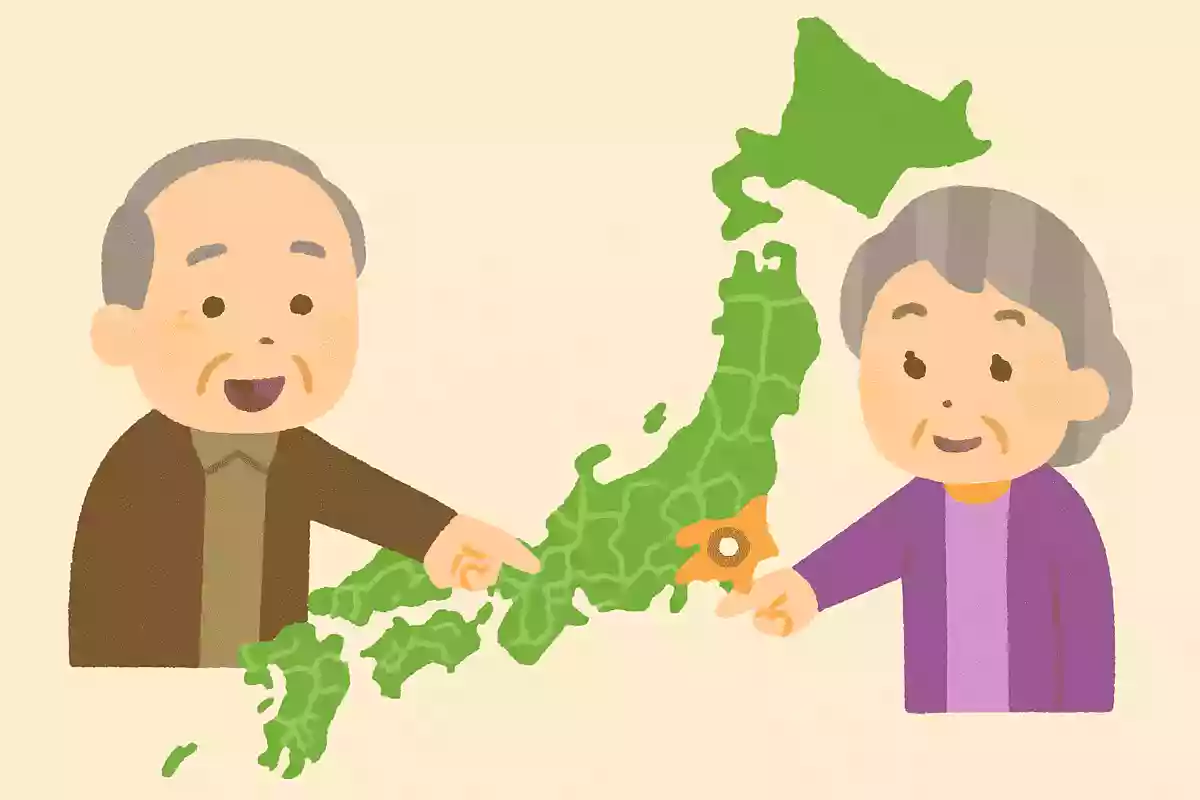
If you open a map of Japan and point to each prefecture, it may become easier to arrive at the answer by noticing, “Inland—no sea!”

Japanese Culture, Geography, and Health Knowledge (21–30)
In which prefecture is the festival famous for Namahage held?
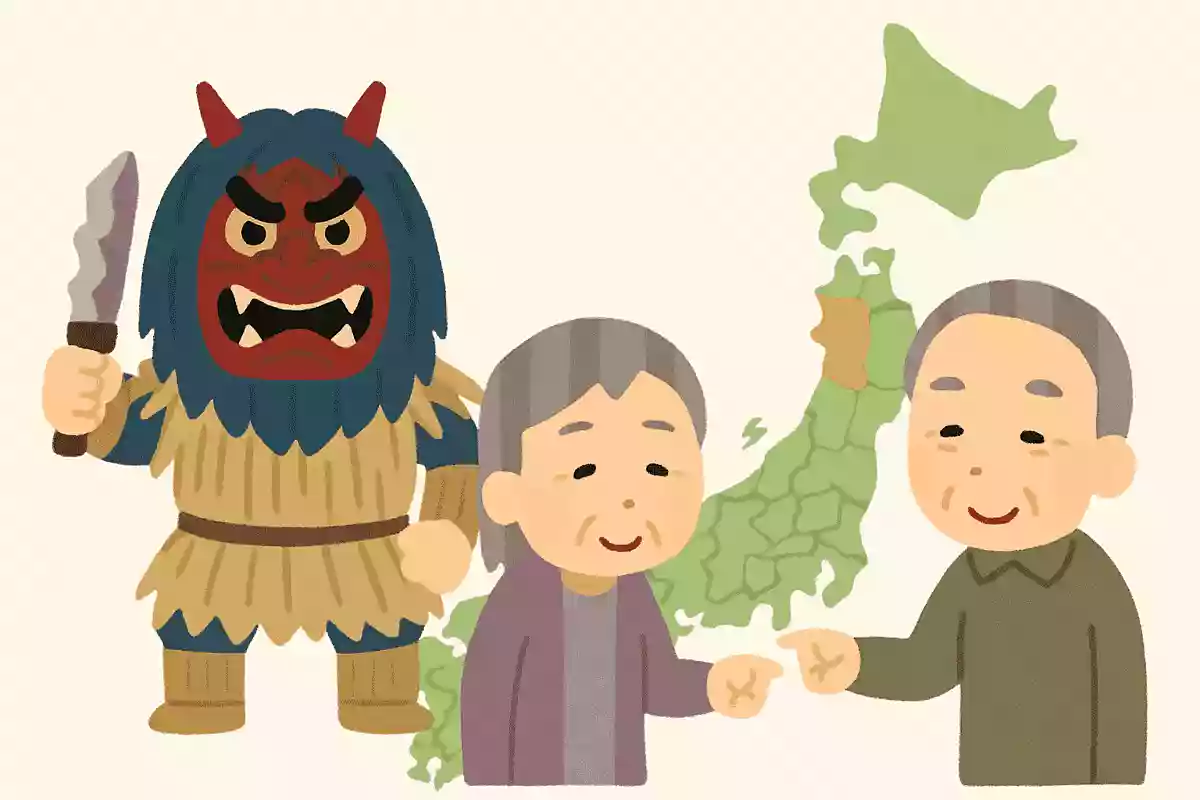
“Any crying children here?!” Have you heard this phrase somewhere? In winter, men wearing demon-like masks and straw costumes go from house to house scolding children.
This distinctive custom is known as Namahage.
It’s a traditional practice handed down through the generations, said to “warn the lazy and pray for family health and a bountiful harvest.” The festival featuring Namahage takes place in Akita Prefecture in the Tohoku region—an area known for heavy snowfall, hot springs, beautiful views of the Sea of Japan, and the local specialty, kiritanpo hot pot.

What is the second highest mountain in Japan after Mount Fuji?
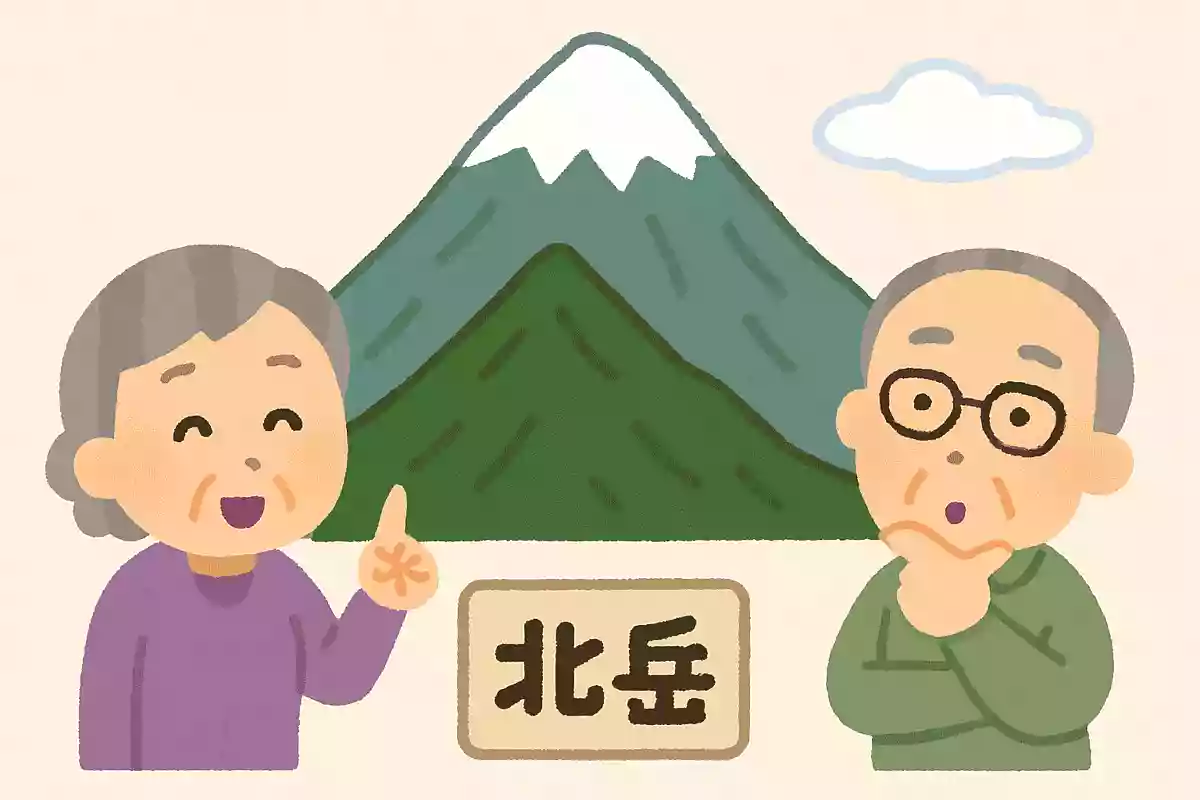
When it comes to the tallest mountain in Japan, of course it’s Mount Fuji.
So what’s the second tallest? As it turns out, it’s one of the peaks in the Japanese Alps, standing at an impressive 3,193 meters! It may not reach Fuji’s height, but it’s still formidable, and one of the mountains long admired by Japanese mountaineering enthusiasts.
Located on the border between Shizuoka and Nagano Prefectures, you can even see Mount Fuji from its summit on clear days.
Cool air even in summer, abundant nature, and a beautiful ridgeline—its grandeur truly befits the title “the Roof of Japan.” The second highest mountain in Japan, after Mount Fuji, is Mount Kita (Kita-dake).
In which prefecture is Nikkō Tōshō-gū, where Tokugawa Ieyasu is enshrined, located?
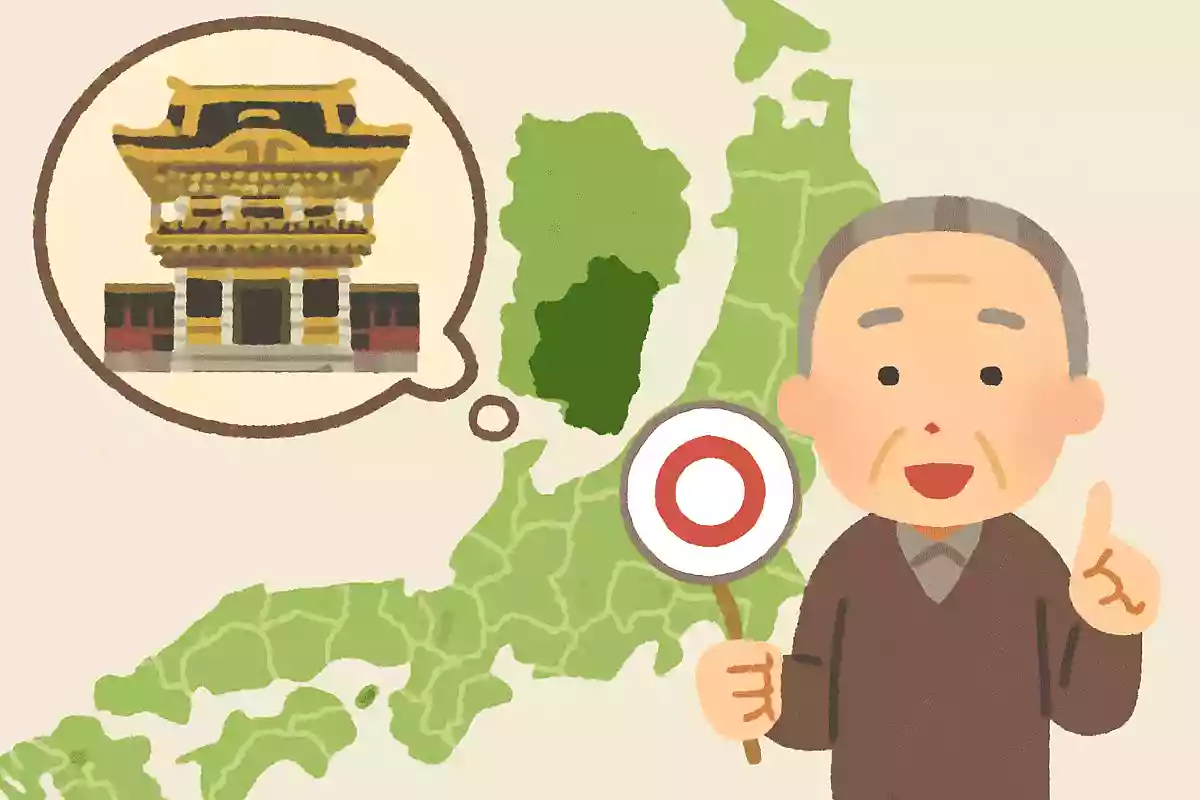
Nikkō Tōshō-gū, famous for its Three Wise Monkeys—“see no evil, speak no evil, hear no evil”—and its ornate carvings, is a very well-known shrine nationwide that enshrines Tokugawa Ieyasu, the founder of the Edo shogunate.
The grounds are lined with vividly colored, lavish buildings so impressive you’ll think, “Were these really built in the Edo period?” In particular, the Main Hall and the Yōmeimon Gate are designated National Treasures, drawing many visitors from Japan and abroad.
The shrine is located in Tochigi Prefecture in the northern Kanto region, surrounded by abundant nature, and the area is also a hugely popular tourist destination with spots like Kegon Falls and Lake Chūzenji.
It’s also famous for its autumn foliage.
Where is Choshi Port, which has the largest fish catch in Japan, located?
Choshi Port is one of Japan’s leading fishing ports, famous for landing several kinds of fish such as tuna, sardines, and mackerel.
At this market, where fresh fish gather, it’s a popular spot visited not only by locals but also by tourists from all over the country.
Now, which prefecture is Choshi Port located in? Here’s a hint… it’s at the eastern edge of the Kanto region, facing the Pacific Ocean, and it’s also famous for peanuts, Narita Airport, and the Inubosaki Lighthouse.
The answer is Chiba Prefecture.
Fish is a topic that really livens up the dinner table! As you think about the answer, why not share stories together about delicious fish you ate in the past or memories from your travels?
What is the name of the largest lake in Japan?

When you hear the word “lake,” what place comes to mind? The sound of the wind gently stroking the surface of the water, the sight of a pleasure boat gliding along.
Japan has many lakes, but do you know which one is the largest? This lake covers about 670 square kilometers and has long been affectionately known as the “Mother Lake.” It’s located in the Kinki region, right next to Kyoto, and has historically played a vital role in transportation and daily life.
It’s also rich in nature, offering beautiful scenery in every season.
In the lakeside towns, you can enjoy traditional streetscapes and festivals held on boats.
Japan’s largest lake is Lake Biwa, located in Shiga Prefecture.
Which prefecture is famous for Kinkaku-ji and Nijo Castle?
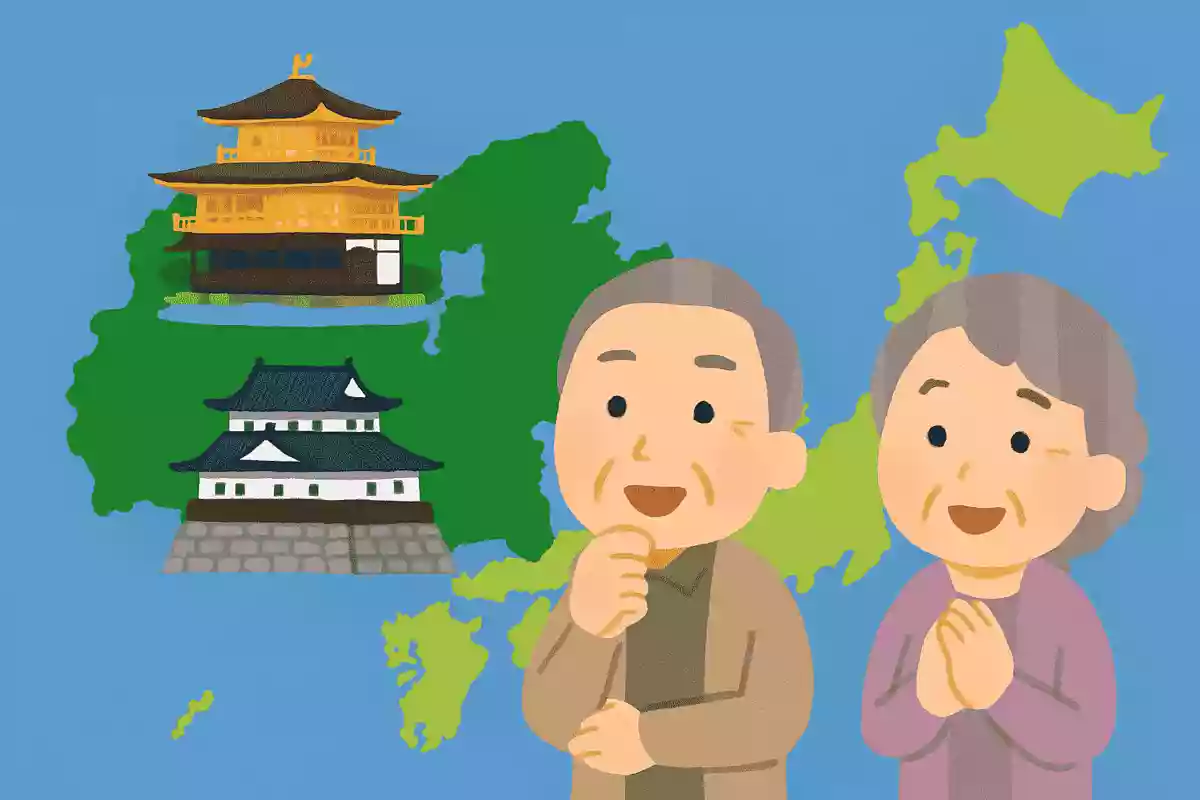
When you think of a golden temple, what place comes to mind? The ever-popular Kinkaku-ji (the Golden Pavilion), beloved by history buffs and tourists alike, and Nijo Castle, which is also a UNESCO World Heritage site.
Both are famous landmarks in a certain ancient capital.
This prefecture is packed with Japan’s history and culture.
It has the Imperial Palace where past emperors resided, and the town still retains people in kimono and traditional wooden townhouses.
Just walking around makes you feel as if you’ve slipped back in time.
The seasonal beauty is also a draw—cherry blossoms in spring, vibrant foliage in autumn, and the Gion Festival in summer.
There are plenty of local specialties too, like wagashi (Japanese sweets), matcha, and pickles, making it a place you can enjoy visiting again and again.
The answer is Kyoto Prefecture.