

[For Seniors] Let’s have fun with October trivia and fun facts quizzes!

With its mild climate, October is a comfortable time of year.
For some older adults, it’s also a season that makes it easier to get moving, which might inspire them to try something new.
What’s more, October brings events like autumn festivals and Halloween.
So here are some fun trivia and quizzes perfect for enjoying this pleasant month of October.
These quizzes focus on October—seasonal foods, commemorative days, and more—so you can feel the season as you solve the questions.
Have fun and liven things up with these entertaining October trivia and tidbits!
- [For Senior Facilities] Lively and Fun! November Quiz
- [For Seniors] Fun Brain Training! Quizzes Recommended for October
- [For Seniors] Recommended Trivia Quizzes & Fun Facts for November
- [For Seniors] Introducing Scary Trivia Quizzes & Fun Facts!
- [For Seniors] September Quiz: Brain Training Problems
- [For Seniors] Let's have fun with an autumn-themed quiz!
- [For Seniors] Fun and Informative! Health Trivia Quiz
- [For Seniors] Enjoy Brain Training with September Trivia Quizzes & Fun Facts
- [For Seniors] Fun Quiz Questions That Will Liven Up December
- [For Seniors] Trivia Quiz & Fun Facts for Everyday Life
- [For Seniors] Trivia Quiz & Fun Facts About the Weather
- [For Seniors] Recreation Games Related to October Events
- [For Senior Care Facilities] Fun! Recommended Events for October
[For Seniors] Let’s Get Excited with October Trivia and Fun Facts Quizzes! (1–10)
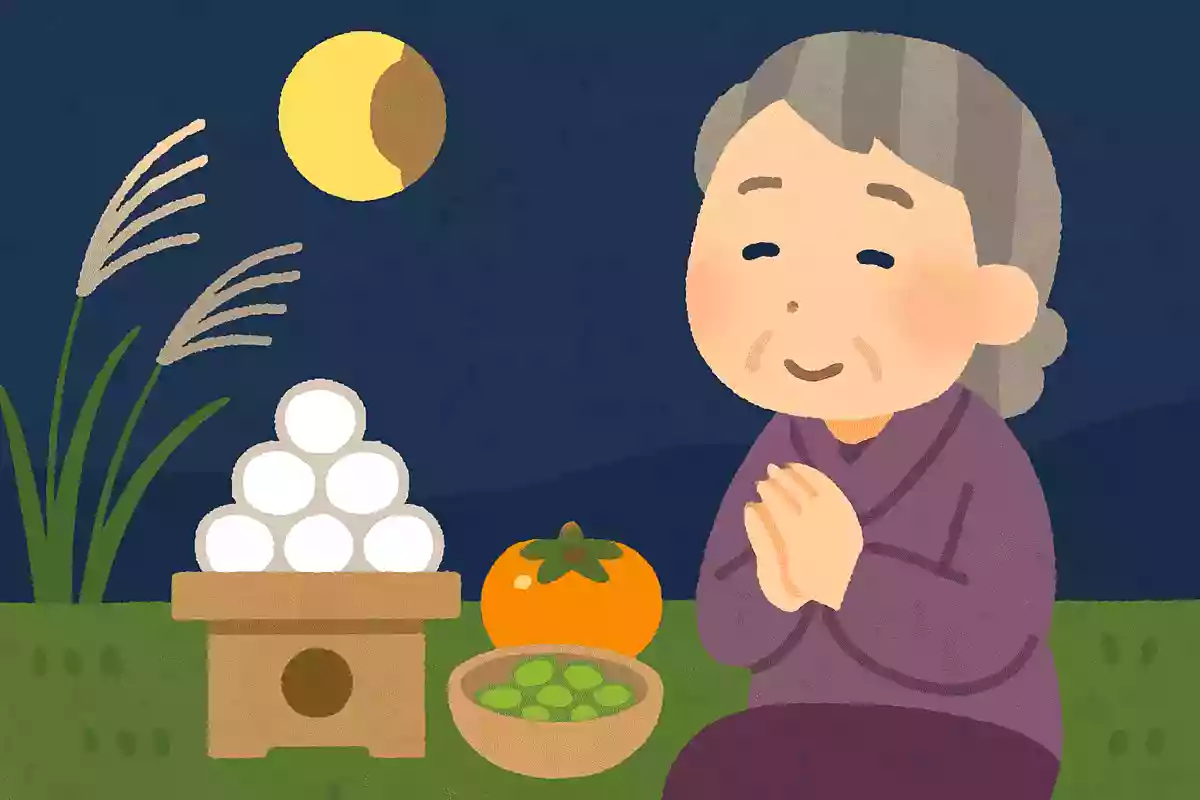
On the Thirteenth Night, when people enjoy the slightly waning moon, what else do they offer along with rice dumplings and beans?
- taro/potato (generic term for starchy tubers; context-dependent)
- chestnut
- pumpkin
See the answer
chestnut
When it comes to moon viewing, many people probably think of the night of the full moon, Jūgoya. While Jūgoya features a full moon, Jūsanya in October is an event for appreciating a slightly waning moon. Around Jūsanya, it’s the harvest season for beans and chestnuts, which are offered along with rice dumplings. Because of this, it’s also called Mame-meigetsu (Bean Moon) or Kuri-meigetsu (Chestnut Moon). By the way, the Jūgoya in September is also associated with celebrating the taro harvest, so it’s known as Imo-meigetsu (Taro Moon).

What is the name of the solar term that is one of the 24 sekki and refers to the period in early October when cold dew forms on plants?

- Frost Descent
- Cold Dew
- White Dew
See the answer
Cold Dew
The twenty-four solar terms divide the year into 24 parts, each named for the season. One of them, which falls in early October, is Kanro (Cold Dew). The term originally refers to the cold dew that forms from late autumn to early winter. Thus, the Kanro solar term marks the time when cold dew begins to appear. It is also the period when we sense the days growing shorter and the nights longer.
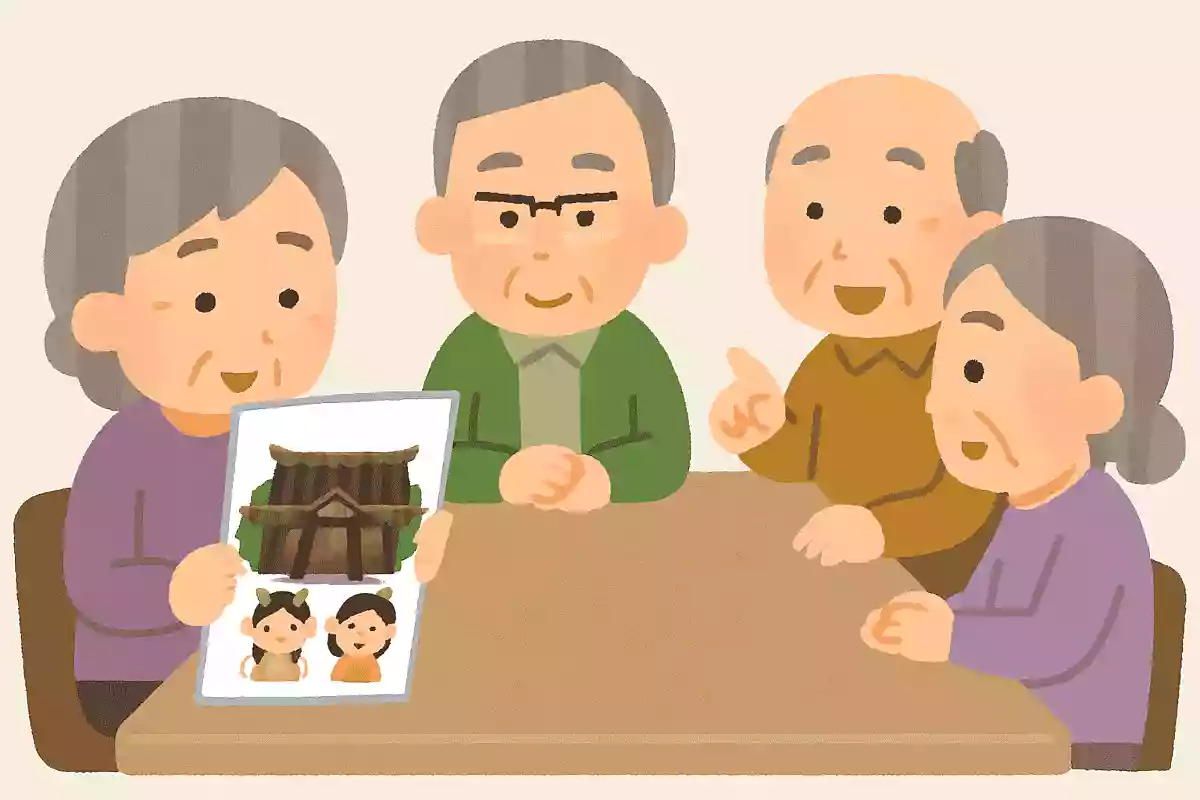
It’s said that in October the gods from all over Japan gather in one place, so it’s called “Kannazuki” (the month without gods). Where is that place?
- Ise Grand Shrine
- Isonokami Shrine
- Izumo Taisha (Izumo Grand Shrine)
See the answer
Izumo Taisha (Izumo Grand Shrine)
In October, it’s said that many of Japan’s deities gather at Izumo Taisha for a conference. These numerous deities are referred to as the eight million gods (yaoyorozu no kami), and the deities’ conference is sometimes called kamihakari. Because the gods are away visiting Izumo Taisha, October is said to be called Kannazuki, the “month without gods.” There are other theories about the origin of the term Kannazuki as well, so it might be interesting to look them up. Incidentally, in the Izumo region of Shimane Prefecture, where Izumo Taisha is located and the gods gather, October is called Kaminazuki, the “month with gods.”
[For Seniors] Let’s Have Fun with October Trivia and Fun Facts Quizzes! (11–20)
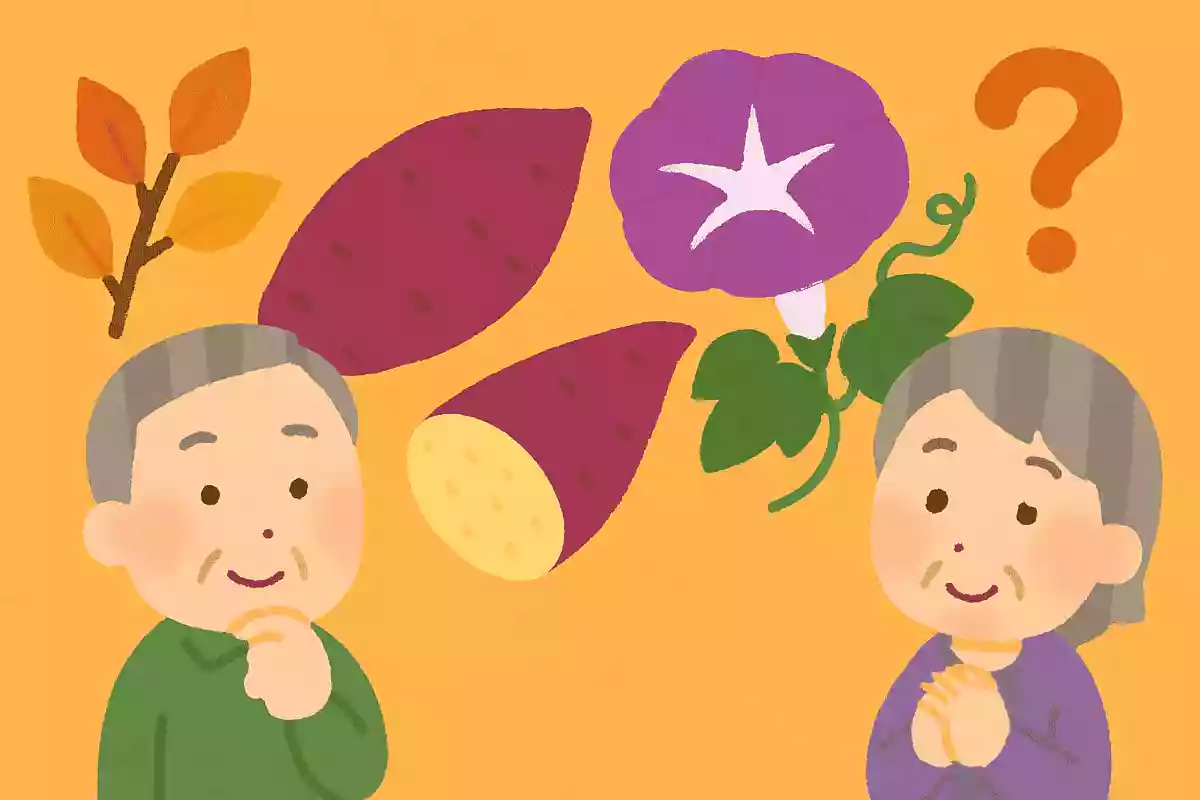
Sweet potatoes are in season in October, and they belong to the same family as a certain summer flower. What is that flower?
- Balloon flower
- morning glory
- hibiscus
See the answer
morning glory
Sweet potatoes belong to the same family as morning glories. Both sweet potatoes and morning glories are plants in the genus Ipomoea of the bindweed (Convolvulaceae) family, and they produce similar flowers. Because they are closely related, it’s said that grafting—the cultivation method of joining two different plants—is also possible. If you graft a morning glory bud onto a sweet potato and grow it, it can even produce flowers.
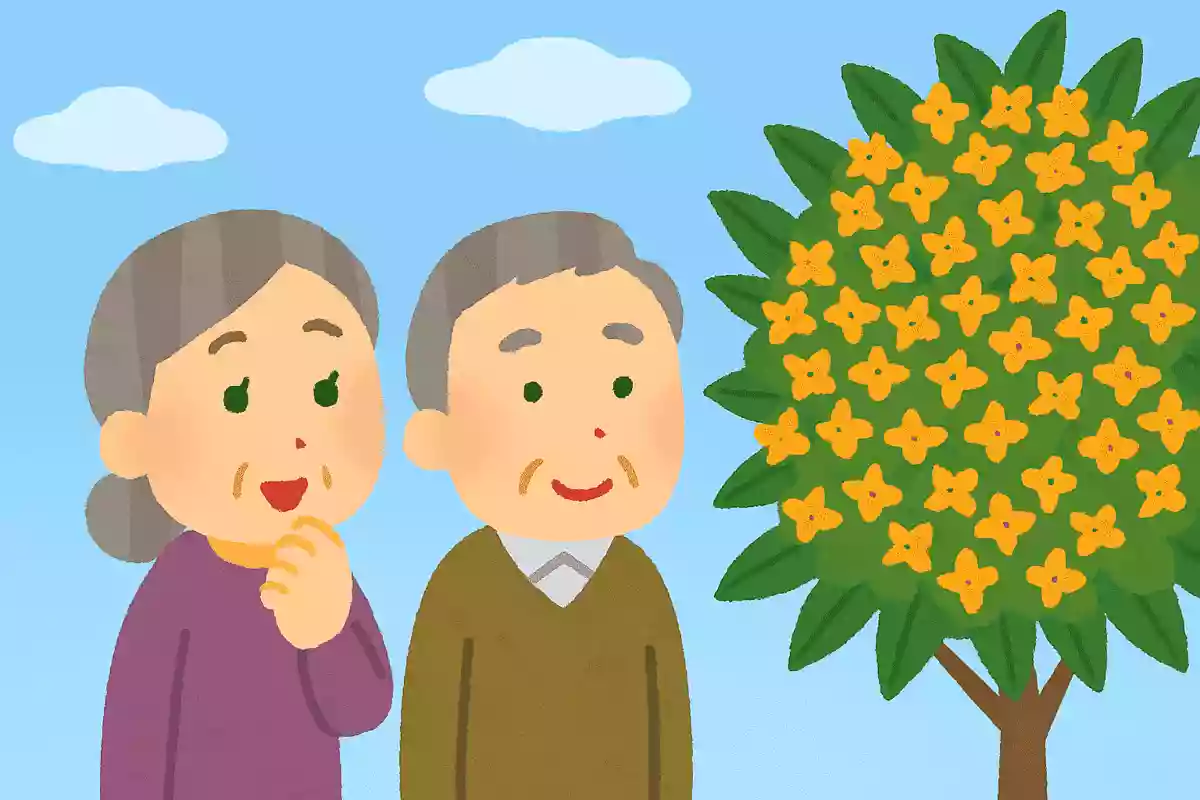
The fragrant osmanthus has a lovely sweet scent, and an animal is involved in the origin of its name. What animal is it?
- horse
- rhino
- hippopotamus
See the answer
rhino
When written in kanji, kinmokusei is 金木犀, right? The character 犀 is also used, and it comes from the animal rhinoceros (sai). It’s said to be because the bark of the kinmokusei resembles a rhinoceros’s skin. Also, the “gold” (金) in kinmokusei is said to be used because it bears orange flowers, in contrast to ginmokusei (銀木犀), which has white flowers.
October 1 can be written as 1001, which resembles the shape of eyeglasses, so it is known as Eyeglasses Day. In which prefecture is Japan’s mecca of eyeglasses located?

- Aichi Prefecture
- Fukui Prefecture
- Okayama Prefecture
See the answer
Fukui Prefecture
In Fukui Prefecture, more than 95 percent of Japan-made eyeglass frames are produced, with Sabae City serving as the main production center. Today, it is renowned worldwide as a “holy land of eyewear,” standing alongside China and Italy as a major production hub. It is said that eyeglass manufacturing in Sabae began around the Meiji era as a side job suitable for the agricultural off-season. At the time, Sabae had heavy snowfall, and relying solely on farming income was difficult. Craftsmen skilled in eyewear techniques were invited from Osaka to teach their craft, and production began on eyeglasses that could be made at home even during winters when people could not go out.
Autumn Doyo refers to the period from late October to early November. What are the things you should not do during this time?
- Move the soil
- Visiting a Shinto shrine
- Eat raw fish
See the answer
Move the soil
Doyo refers to the roughly 18 days just before the start of spring, summer, autumn, and winter, occurring four times a year. During this Doyo period, it’s said that you should avoid activities that dig up or disturb the earth. It is believed that during Doyo, the deity who governs the earth presides, and moving the soil—thus angering the deity within the ground—is taboo. However, on certain days within Doyo called “Man-nichi” (intercalary days), it’s considered acceptable to move the soil.