

[For Seniors] Short Messages to Add to New Year’s Cards for Relatives: A Collection of Heartfelt Examples

As December begins, many people start preparing their New Year’s cards.
Especially for cards sent to relatives, adding a brief personal note in addition to the standard greeting can convey a warmer feeling.
Still, it’s easy to wonder: What kind of words would make them happy? We’ve gathered expressions that gently resonate with the recipient—from words of care for their health and brief reflections on shared memories, to wishes for happiness and warm messages that include a short update.
May your New Year’s greetings become the start of a heartwarming connection.
- [For Seniors] Thoughtful one-liners to add to New Year's cards: A collection of sample phrases that convey your feelings
- [For Seniors] Short New Year’s greetings to add to a friend’s New Year’s card: a collection of heartfelt examples
- [For Seniors] Short New Year's card messages to include: ideas and examples that will bring a smile
- [For Seniors] Chic phrases you can use on New Year’s cards: sample messages that are sure to please
- [For Seniors] Uplifting Words That Comfort the Heart
- [For Seniors] Heartwarming Handmade New Year’s Cards: Fun Ideas Using Everyday Materials
- For seniors: Words of gratitude and uplifting magic phrases. Tips for saying things that resonate with the heart.
- Four-Character Idioms for Seniors as New Year’s Resolutions: A Collection of Uplifting, Heartfelt Words
- Introducing words that will delight elderly people
- [For Seniors] Tips for Birthday Messages They’ll Love
- Interesting Omikuji Message Ideas for Seniors
- [For Seniors] Four-character idioms that wish for happiness: auspicious, lovely words to gift to someone special
- Four-Character Idiom Slogans That Resonate with Seniors: A Collection of Beloved Quotes for Facilities and Communities
[For Seniors] Short Messages to Add to New Year’s Cards for Relatives: Examples That Convey Your Feelings (11–20)
Thank you very much for all your support last year.
Mutually supporting one another is essential for living healthily, and there are times when relatives, in particular, have been there to support us up close.
This is a straightforward message that expresses gratitude for that close support and the feeling that, thanks to it, you were able to spend a good year.
Although these are commonly used set phrases, if you have an actual episode of how you were helped, even within these few words the recipient can feel those memories.
It’s a message you can use for anyone, so it’s also recommended to add words around it that show your consideration for the other person.

Thank you very much for your warm guidance over the past year.
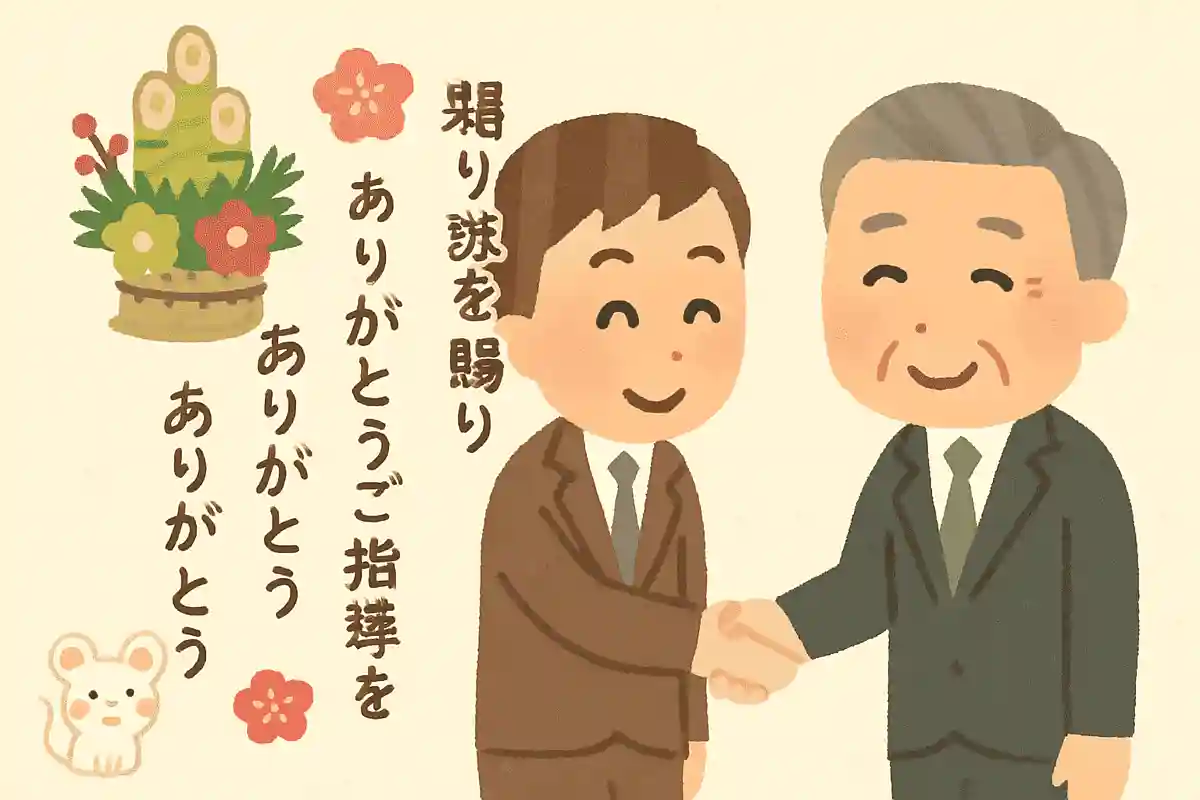
Including this greeting in your New Year’s card will likely prompt your supervisor to think, “A lot happened last year.” Starting with this greeting and writing while recalling small events will give your words warmth.
For example, it’s good to mention concrete instances that actually happened, such as when they checked in on you during a busy time or offered a small piece of advice that stayed with you.
Adding a light “I look forward to your continued support this year as well” will also significantly enhance the impression you make.
They will surely continue to support your growth in the new year, too.

I would like to extend my sincere congratulations on the New Year.
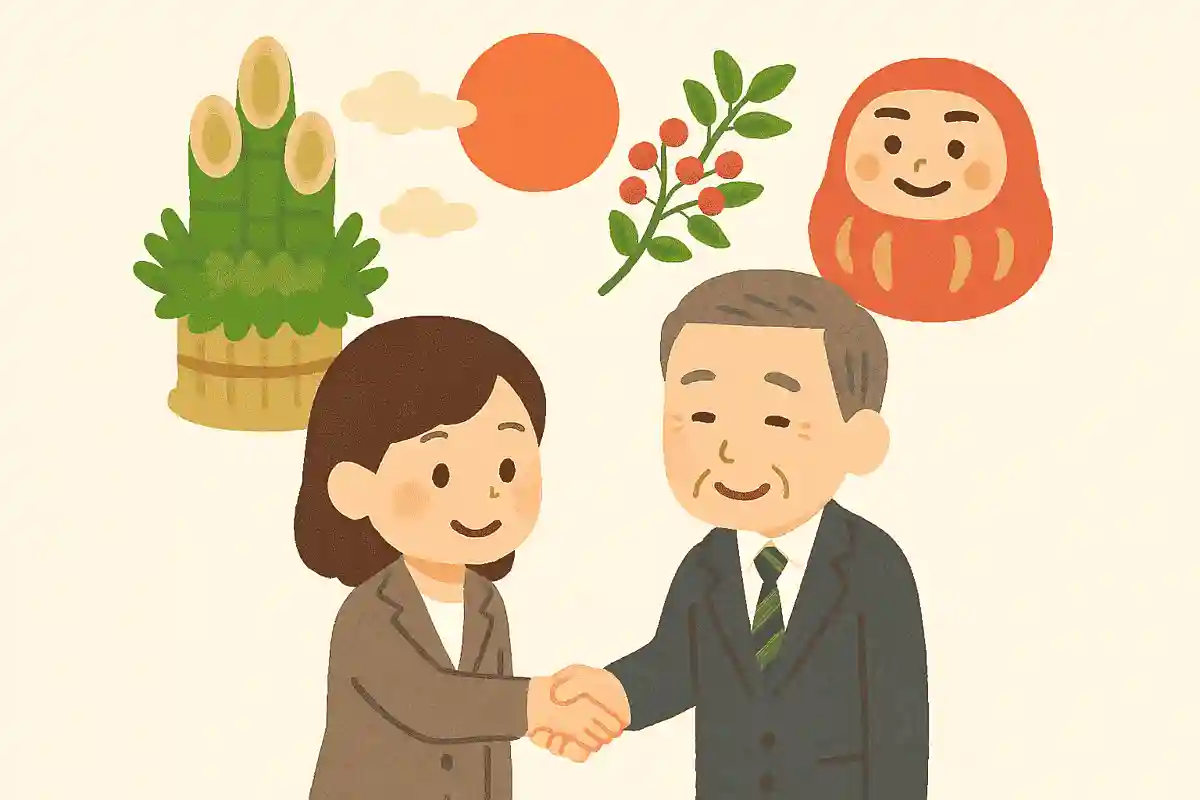
This is a very useful expression when you want to open a New Year’s card in a properly polished way.
“Tsutsushinde” conveys formality and politeness, and also implies a modest stance that honors the recipient, making it perfect for New Year’s greetings to a superior.
Writing “shunshun (new spring)” is not only a calendrical term; by adding the character for spring, a warm season, it also serves to convey a bright, cheerful feeling.
“Yorokobi (joy)” expresses the auspiciousness of safely welcoming a new year, among other uniquely Japanese nuances.
All of these layers are packed into a single sentence.
Using it in a New Year’s greeting will give your card a polite yet gentle impression.
How have you been?
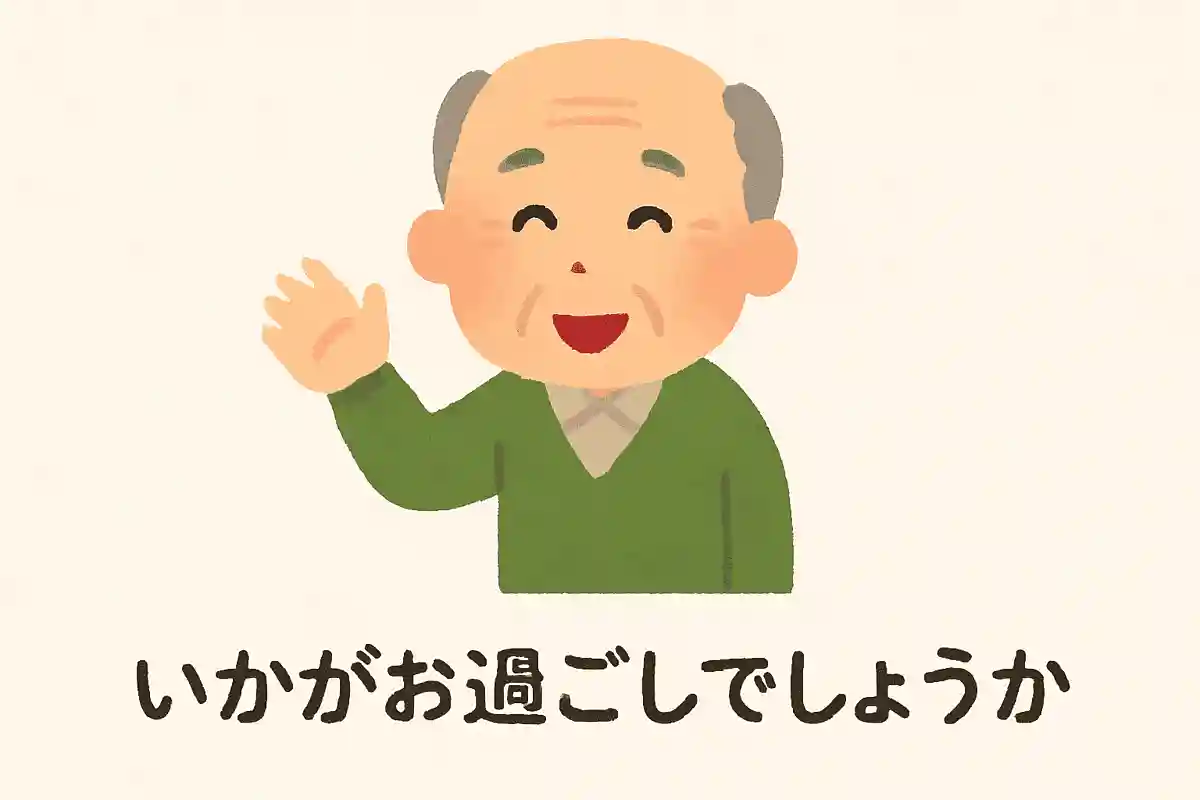
This phrase is used to ask about someone’s recent situation and health.
It’s an easy expression to use with people who live far away and you rarely see, or with those you only exchange New Year’s cards with.
Even if you don’t usually meet often, using this phrase can convey your concern and may prompt them to send you an update.
However, be careful: it’s not suitable if you know the person is unwell or is in a particularly busy situation.
Also, for people you’re close with, a more casual expression is usually better, so consider choosing a different phrase.

I’m filled with gratitude for your constant thoughtfulness.
For those you’re close with and keep in touch with regularly, try expressing your gratitude in your New Year’s card.
This phrasing conveys “thank you, as always” in a more polite way.
Simply changing “I’m grateful” to “My heart is full of gratitude” conveys a depth of thanks that words can hardly express.
When you convey this sentiment straightforwardly, the recipient will surely feel happy and smile.
If there’s someone you don’t often get to thank, take this opportunity to share your feelings with care.
I hope this finds you well and thriving.
For New Year’s cards sent to someone who lives far away and whom you rarely see, try adding: “I trust you are in good health and thriving.” This phrase conveys concern for the recipient’s well-being and circumstances, along with the hope that they are spending their days in good spirits and without troubles.
The verb zonjimasu is the humble form of “to think” or “to know,” so it creates a polite and formal tone.
If you include a brief update about yourself along with this phrase, the recipient may be encouraged to share their own recent news in return.
It’s a simple line that can spark warm exchanges.
[For Seniors] Short Messages to Add to New Year’s Cards for Relatives: Heartfelt Examples (21–30)
I hope this year will be a year of even greater progress.

For those who have goals or are absorbed in their hobbies day by day, try adding, “I hope this year will be a year of even greater leaps for you.” “Leap forward” means making significant progress or achieving results.
Even if you can’t meet often or spend time together, it conveys the feeling that you’re watching over them from afar and cheering them on.
Just knowing there’s someone thinking of you warms the heart and makes you feel more positive.
Why not write your message with care, picturing their smiling face?