

A collection of masterpieces! A roundup of enka love songs

Within enka, there are works spanning a variety of genres and vivid scene depictions, but many people probably feel that “enka means love songs.”
So this time, we’re introducing enka love songs!
We’ll cover a wide range—from songs that sing as if narrating a heartrending tragic romance, to ones where love wells up endlessly.
We’ve focused on hit songs, so it’s perfect for choosing tracks for karaoke, too.
Be sure to check it out to the end!
- A collection of classic enka masterpieces about love: songs that depict the nuances of mature romance.
- Women’s Enka: A collection of classic enka songs expressing women’s emotions
- [2026] A Collection of Masterpieces of Enka and Mood Kayō
- Compilation of enka duet songs. Introducing popular kayōkyoku hits as well!
- Showa-era love songs: A roundup of timeless love songs cherished across generations
- [For Women] A roundup of enka songs that can score high in karaoke
- [2026] A roundup of classic enka songs you'd like to sing at weddings and receptions
- Great enka masterpieces and hit songs of the 1980s
- [Enka] Songs That Are Easy to Sing Even for the Tone-Deaf [Male Singer Edition]
- A roundup of leading female enka singers representing the Showa era
- “I Want to See You”: A love song that makes you cry when you listen to it while you can’t meet
- [Recommended for people in their 70s] Songs that really move you. Beloved classic Japanese hits of the past.
- Songs to give to your lover or someone you like. Love songs devoted wholeheartedly to your boyfriend or girlfriend.
A Collection of Masterpieces! Enka Love Songs (31–40)
Last Train to the NorthAran

Alan, known for his strikingly deep, rich voice.
Hailing from Hokkaido and having studied under composer Akihiro Otani, he is a seasoned talent who won numerous song contests even before his debut.
His memorable debut single, “Kitaguni Saishūbin” (The Last Flight North), was released in September 2025.
Set in an airport, the song expresses an unshakable longing for a departing lover.
The poignant scene of entrusting love to the last flight disappearing into the night sky is portrayed with a melody that blends sprightliness and wistful melancholy.
Tears and laughterChisato

Chisato is a singer with authentic vocal technique honed through classical training.
Since her re-debut in June 2010, she has captivated fans with her rich expressiveness.
This track commemorates the 15th anniversary of her singing career.
With lyrics by Toyohisa Araki and music by Tetsuya Gen, the song adopts a relaxed “spoken-song” style, weaving a portrayal of the complex emotions felt toward a loved one.
It’s a gem that blends an urbane mood with a deeply human mix of affection and frustration.
Be sure to check it out.
Love in Kyoto is a passing showerTakamiyagi Seiji

Seiji Takamiyagi, an enka singer from Kumamoto with the unique background of debuting at age 69, released his sixth single in October 2025—a nostalgic kayōkyoku set against the scenery of Sagano and Arashiyama in Kyoto.
The song depicts a fleeting romance amid the ancient capital’s landscape glistening in a passing shower.
Its gentle melody pairs exquisitely with Takamiyagi’s warm vocals, making for a beautifully crafted track.
If you’re in the mood for travel-inspired sentiment, be sure to give it a listen.
Marionette Fallen into the Eternal Swampokamoto kota
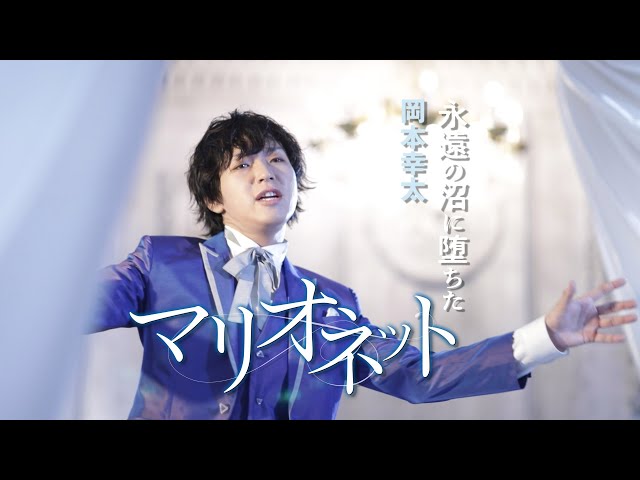
A passionate kayō-pop song performed by Kota Okamoto.
Released in September 2025 as his third single, with lyrics penned by Junretsu’s Kazuyoshi Sakai.
It portrays an irresistible world of love that will captivate you after just one listen.
While expressing intense feelings for the other person in rhythmic words, it also conveys a subtle sense of loneliness, drawing you into its compelling, story-rich depth.
Be sure to listen closely!
How old is love? / Until what age does love last?Morikawa Daisuke
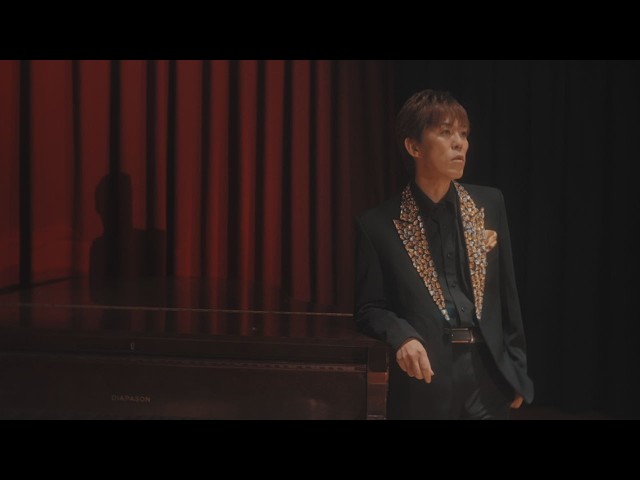
Daisuke Morikawa is a singer from Kadoma City, Osaka Prefecture.
After first working as a company employee, he made his debut as a singer in 2016 with “Castle in the Sky: Takeda Castle.” One of the tracks on his double A-side single—the first release after moving to Nippon Crown—was released in September 2025.
Branded as a “modern Latin Showa kayō,” it’s a passionate, danceable number.
Its bright message—that the feeling of falling in love can’t be stopped no matter how old you are—is sung over a light, Latin rhythm.
It’s a song for when you want to lift your spirits or add a spark of excitement to everyday life.
A Collection of Masterpieces! Enka Love Songs (41–50)
Inn of the Night Cherry BlossomsTsubuki Miyu

Enka singer Miyu Tsubuki—known for her “resonant, straight-down-the-middle voice”—released her single “Yozakura no Yado” in September 2025.
Set in a hot spring town, this classic enka number portrays the heartache of a forbidden love.
Through a round window, the protagonist gazes at fleeting dreams; their helpless longing seeps into your heart alongside Tsubuki’s richly expressive vocals.
This bittersweet yet beautiful tale of adult romance is perfect for a quiet night of solitary reflection.
Be sure to give it a listen.
Koisame (Love Rain)Ishihara Junko

Junko Ishihara, who captivates listeners with the assured expressiveness honed through shigin recitation, saw her 1999 release Miren-zake sell over 400,000 copies.
Now, her 48th single has been released in September 2025.
This work portrays a yearning love that deepens despite knowing it will never be rewarded, layered over a wintry scene where cold rain turns into snow.
The lyrics were written by Ishihara herself under the name Itō Fujiko, and the composition is by Kazuto Miura, the artist she has long professed to be a fan of.
Its lyrical melody, imbued with the aroma of folk kayō, gently nestles against the ache of the heart.