

A roundup of leading female enka singers representing the Showa era

While the origins of enka are said to date back to the Meiji era, the form of “enka” most people imagine is believed to have been established around the late 1960s.
Today, many singers who are categorized as enka performers incorporate a variety of genres and are active across the music scene—some even enjoy idol-level popularity.
This article compiles the representative female enka singers who colored the Showa era—artists indispensable to any discussion of the enduringly popular genre of enka.
From those who have already passed on to those still performing actively in the Reiwa era, take this opportunity to learn about the histories of these great songstresses.
By the way, we’ve rounded up male singers in another article, so be sure to check that out as well!
Top 10 iconic female enka singers of the Showa era (1–10)
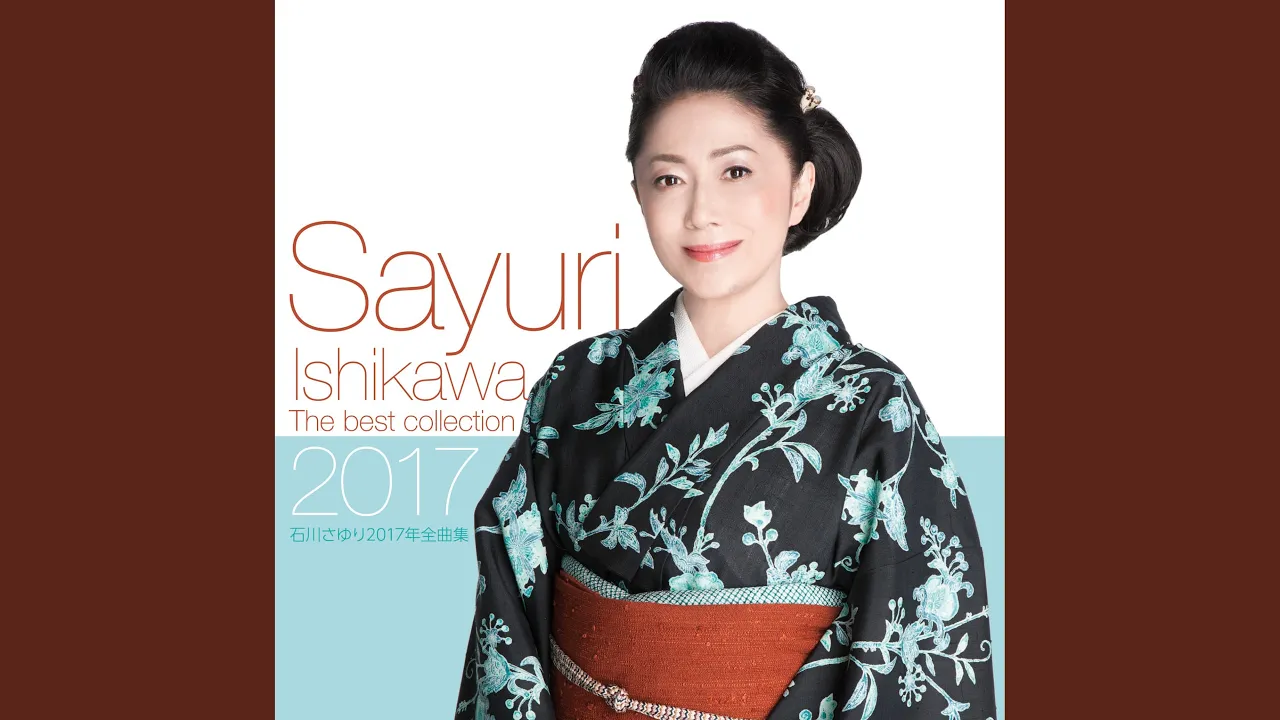
Tsugaru Strait – Winter SceneIshikawa Sayuri

Since her debut in 1973, Sayuri Ishikawa—an iconic diva of the Showa-era enka scene—has released numerous classic hits such as “Amagi-goe” and “Tsugaru Kaikyo Fuyugeshiki,” and achieved the remarkable feat of appearing on the NHK Kouhaku Uta Gassen more than 36 times.
With a voice that combines deep emotion and power, she has received many awards, including the Japan Record Award and the Japan Singers Association Grand Prize.
In 1986, her performance of “Amagi-goe” electrified Kouhaku and left a major mark on that year’s music scene.
Though an enka singer, she has ventured into various genres and has been active across television, film, and more.
At her concerts, she also values connecting with fans.
She is a highly recommended artist for those who wish to experience traditional Japanese music or seek a voice that resonates with the heart.
Boat SongYashiro Aki

Aki Yashiro, who took the Showa-era enka scene by storm with her overwhelming vocal prowess and distinctive husky voice.
Since her 1971 debut, she has released numerous hit songs, including “Namida Koi,” “Shinobi Koi,” and “Ai Hitosuji.” In 1980, she won the Japan Record Award for “Ame no Bojo,” and she served as the grand finale performer at NHK’s Kohaku Uta Gassen for two consecutive years—an achievement truly befitting the title “Queen of Enka.” Around 2012, she also ventured into jazz and blues, performing live at jazz clubs in New York, showcasing a cross-genre musicality that is part of her appeal.
She’s a singer I highly recommend not only to enka fans but also to anyone interested in a wide range of music.
Woman of ShinjukuFuji Keiko

Keiko Fuji made her debut in 1969 at just 18 and shot to stardom with “Shinjuku no Onna,” helping to popularize enka among younger generations.
Her powerful husky voice contrasted with her delicate appearance, capturing the hearts of fans.
Her first album held the No.
1 spot for 20 consecutive weeks.
In 1970, she won the inaugural Japan Record Grand Prize and, as an enka singer, became the first to receive the top honor at the 8th Golden Arrow Awards.
Her poignant songs, depicting the emotions of women living in the nightlife world, resonated with many.
Also known as the mother of Hikaru Utada, Fuji’s music is perfect for listeners with rich life experience or those seeking deep emotional expression.
Her distinctive singing style continues to move people’s hearts to this day.
Sad SakeMisora Hibari

Hibari Misora was a great diva who achieved feats that will go down in the history of Japanese entertainment, not confined to the realm of enka but distinguished by her overwhelming vocal power and versatile expressiveness.
Debuting at age nine, she released a truly countless number of classic songs.
Honored with numerous awards, including the Japan Record Award and the People’s Honor Award, her voice remains deeply etched in the hearts of many to this day.
She made her film debut in the 1949 movie “Nodo Jiman Kyojidai,” and from then on flourished not only as a singer but also as an actress.
She also ventured into various genres such as jazz, continually captivating listeners with her wide-ranging talents.
She is a magnificent songstress who shines in the annals of Japanese music—highly recommended not only for enka fans but also for anyone interested in the music of the Showa era.
Dotonbori SentimentTendō Yoshimi

With a long-spanning career, Yoshimi Tendo—one of the leading figures of the Showa-era enka scene—debuted in 1972 with “Kaze ga Fuku” (The Wind Blows).
Although she experienced a period of decline afterward, she made a comeback with “Dotonbori Ninjō” in 1985, and in 1996 she won the Japan Record Award with one of her signature songs.
Known for her powerful, emotionally rich vocals, she is characterized by a broad stylistic range that also incorporates folk music and pop.
In 2022, she celebrated the 50th anniversary of her debut with a commemorative concert tour.
She remains active today, commanding an overwhelming presence in her live performances.
She is recommended not only for enka fans but also for anyone drawn to powerful singing and deeply expressive artistry.
Nagasaki BluesAoe Mina

Mina Aoe captivated many with her distinctive husky voice and sultry, breathy vocal style.
She made her major debut in 1966 with “Kokotsu no Blues,” instantly joining the ranks of popular singers.
While grounded in enka and kayōkyoku, she crafted a unique style by incorporating jazz elements, producing hits such as “Isezakichō Blues” and “Nagasaki Blues.” In “Isezakichō Blues,” which won the 10th Japan Record Award for Vocal Performance and the 1st Japan Cable Radio Awards Star Prize, the sultry “breath” at the beginning became a hot topic and her signature.
Hailed as the “Queen of Blues,” Aoe’s songs are perfect not only for enka fans but also for lovers of Shōwa-era pop and anyone who wants to savor an adult, sensual allure.
Nagasaki nights are purple.Segawa Eiko

Eiko Segawa, who colored the Showa era as a diva of the enka world, made her debut in 1967 at age 20 with “Namida no Kagebōshi.” The daughter of an enka singer, she was immersed in music from a young age.
After her debut, she steadily built her career and drew attention with “Nagasaki no Yoru wa Murasaki.” Then in 1986, “Inochi Kurenai” became a million seller and her signature song.
With her rich vocal ability and deeply expressive voice, she captured the hearts of many fans.
She has also appeared four times on NHK’s Kōhaku Uta Gassen.
Many of Segawa’s songs center on the joys and sorrows of life, resonating deeply with listeners.
They’re recommended not only for enka fans but also for anyone seeking songs that accompany life’s journey.