

Diva of Enka: A roundup of female singers leading the enka world

When you hear “diva of the enka world,” which singer comes to mind? If you’re an enka fan reading this article, you’re probably thinking, “I can’t pick just one!” This article will introduce, all at once, the women who are leading Japan’s enka scene.
We’ve selected popular female enka singers from across different generations.
Be sure to listen to their songs, and if one catches your interest, check out more of her music too.
Diva of Enka: A roundup of leading female enka singers (1–10)
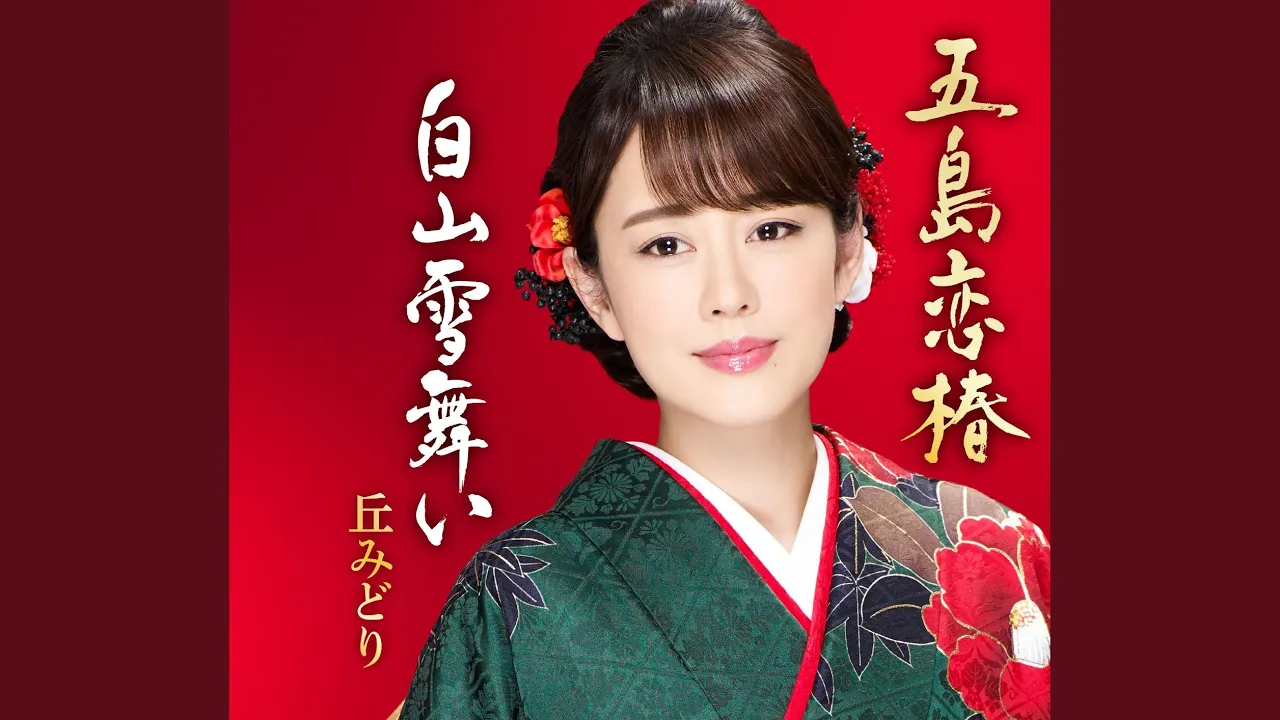
Goto Koi TsubakiOka Midori

As the title suggests, Gotō Koi Tsubaki is a so-called “local song” set on the Gotō Islands in Nagasaki, released as a single by Midori Oka in January 2020.
Oka’s rendition, poignantly conveying the lyrics that portray a woman who keeps waiting for the man she loves, is nothing short of masterful.
If you plan to sing Gotō Koi Tsubaki at karaoke—an orthodox enka number steeped in melancholy—you’ll want to at least grasp essential enka techniques like kobushi (ornamental turns).
That said, the melody is relatively approachable even for enka beginners.
Just be careful not to let your voice crack on the brief highest note that appears in the chorus!

North StationSandai Sayaka

Set in Hokuriku’s Toyama Prefecture, this enka ballad portrays the poignant scene of a bittersweet parting.
Released as a single in April 2025, it was composed by Yukihiko Ito, who has been Sayo Miyo’s mentor since her debut.
The song conveys the feelings of a woman standing at a station filled with memories, and Miyo’s delicate voice seems to seep deep into the heart.
It’s a wonderful piece that will move anyone who has experienced a farewell.
Please listen while gently immersing yourself in your memories.
Let me stay for the night.Kobayashi Sachiko

It’s a classic Showa-era kayokyoku that has an enka flavor, with striking rock-style guitar solos and riffs.
“Hitoban Tometene,” released by Sachiko Kobayashi in 1985, was composed by Katsuhiko Miki, who also worked on one of Kobayashi’s signature songs, “Moshikashite.” The overall key is on the lower side, and it’s the kind of song that expresses a sultry melody through the appeal of the low register, so it’s perfect for those who struggle with high notes.
The enka-style kobushi (ornamental turns) and vibrato are kept to a minimum, making it a great piece for beginners to enka to try!
Sake InnKouzai Kaori

Released to commemorate the 25th anniversary of her debut, Kaori Kozai’s masterpiece “Sake no Yado.” As a recent enka song, it achieved a fairly major hit, so many of you may already know it.
It’s classic, straight-ahead enka, characterized by lyrics that beautifully capture a woman’s bittersweet melancholy.
The vocal line, while slightly wide in range, contains no long sustained notes that require powerful projection, and the use of kobushi (melismatic ornamentation) is kept to a minimum.
With proper key adjustment, the range is accessible for anyone, so consider adding it to your repertoire.

paper craneOka Midori

Released in February 2019, “Kami no Tsuru” (Paper Crane) is a memorable single for Midori Oka, as it marked her first entry into the top 20 of the Oricon charts.
While the melody is bright, it carries a certain poignancy and wistfulness—a classic enka sound that resonates with the Japanese heart.
That said, the typical enka-style vocal ornaments like strong kobushi and intense vibrato are relatively restrained here.
If you focus on singing gently and sincerely, as Oka does, it’s quite approachable even for beginners to enka.
Interestingly, the lower notes can be more challenging than the high ones, so I recommend practicing with clear enunciation and working to apply solid vibrato on the low passages.
Kiyamachi in the RainOka Midori

Composed by Tetsuya Gen, who is said to have helped establish Midori Oka’s signature style, Ameno Kiyamachi was released in 2017 as a double A-side single with Sado no Yuubue, one of the three works in the “Mysterious Enka Trilogy.” It’s a classic, heart-wrenching enka song where vivid scenes of falling rain are artfully interwoven with the psychology of a love that has ended.
Overall, the pitch sits on the higher side, so it may be challenging for those who struggle with high notes.
However, the melody is straightforward and easy to remember, and the intonation is easy to grasp, so lowering the key should make it quite singable.
I’ve fallen for you.Ishihara Junko

Junko Ishihara’s classic “Horemashita.” Released in 1988, this piece marked her memorable debut and is still beloved by many fans today.
While it inherits elements of enka, the song as a whole features an easy-to-sing vocal line reminiscent of kayōkyoku.
In particular, the kobushi (ornamental vocal turns) are very easy—there are no difficult kobushi in this piece at all.
They’re limited to, at most, a one-step pitch change, so anyone with experience singing enka should be able to perform it with ease.