

A roundup of female enka singers in their 70s: voices that evoke nostalgia

We’d like to introduce female enka singers who, having experienced life’s bittersweet ups and downs and possessing a rich expressive power, are still active in their seventies! It’s no exaggeration to say that this generation has led the world of enka, a genre that conveys the spirit of traditional Japan.
Even as we move through the Heisei and Reiwa eras into ever-newer times, the voices of enka singers from this generation will remind you of the good old days of Japan.
If you want to feel a nostalgic Japan, or savor the voices of artists who helped build an era of enka, be sure to check them out!
Compilation of female enka singers in their 70s. Voices that evoke nostalgia (1–10)
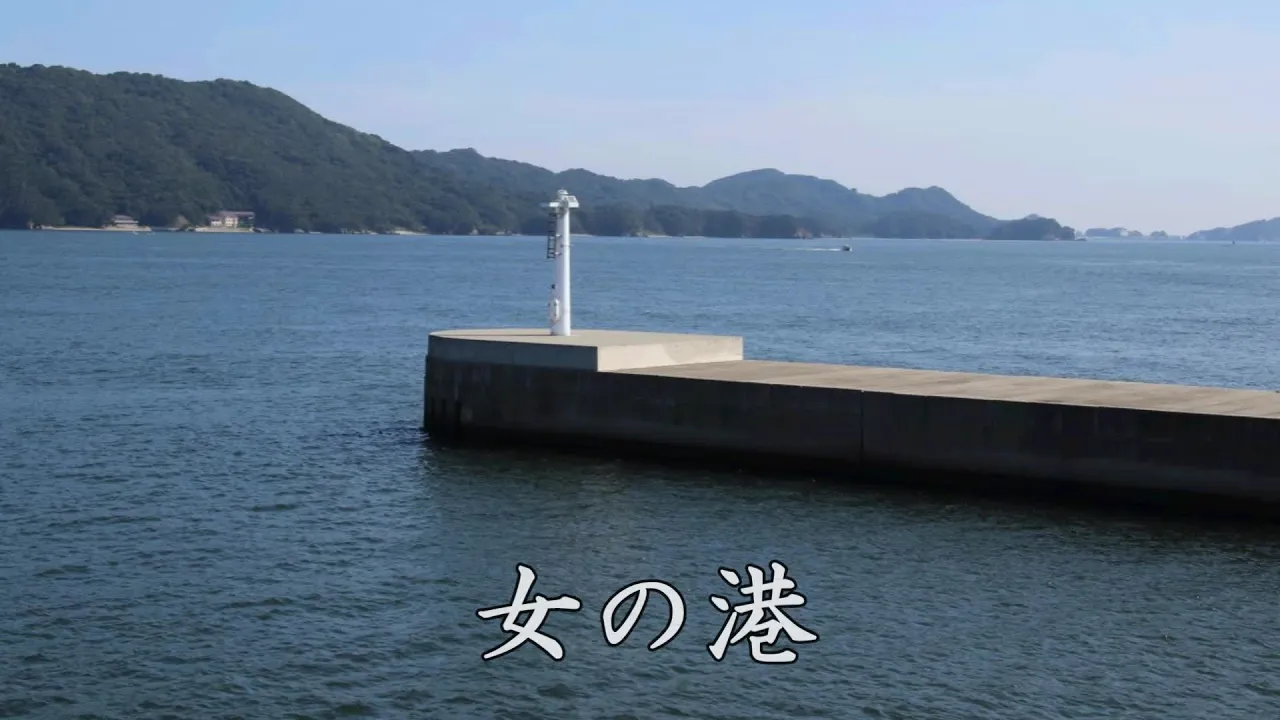
A Woman’s HarborŌtsuki Miyako

Born in 1946, Miyako Otsuki continues to captivate many fans with her moving voice.
Since her debut in 1964, she has built a long career and achieved a major breakthrough with “Onna no Minato.” In 1992, she won the Japan Record Award for “Shiroi Kaikyō,” among other remarkable accomplishments.
Even in her seventies, her wonderful voice remains as vibrant as ever, and she plays an important role in passing enka—Japan’s traditional music—on to the next generation.
Just by listening, old scenes seem to come back to life before your eyes.
Why not lend an ear to Miyako Otsuki’s enka, with its mysterious power? You’re sure to spend a heartwarming time.
companion on the road; fellow traveler; taking someone along (often unwillingly)Makimura Mieko

Mieko Makimura carries the melancholy of the Showa era into the present.
With a clear voice that evokes the winds of Bibai City in Hokkaido, she brought a fresh breeze to the world of Japanese enka and created many unforgettable classics.
Though times change, her unchanging voice resonated across Japan with Michizure in 1978 and became widely known through the 32nd NHK Kouhaku Uta Gassen in 1981.
Her deep voice, acquainted with both light and shadow, continues to accompany listeners, and its brilliance has not faded even into her seventies.
When you listen closely to Makimura’s singing, nostalgic scenes of Japan seem to come alive before your eyes.
The person I fell in love withMiyako Harumi

Harumi Miyako, a native of Kyoto City, has captivated many fans since her 1964 debut with her powerful voice and signature “Harumi-bushi.” In particular, her 1976 hit “Kita no Yado Kara” earned high praise for her vocal prowess and won the Japan Record Award.
She went on to release a string of hits such as “Osaka Shigure” and thrived in various fields.
In 1987, she shifted to working as a music producer, and in 2010 she received the Medal with Purple Ribbon, continuing to demonstrate her enduring talent over many years.
Harumi Miyako’s songs not only evoke a sense of nostalgia but also resonate deeply with listeners’ hearts.
Why not experience that warmth for yourself?
Boat SongYashiro Aki
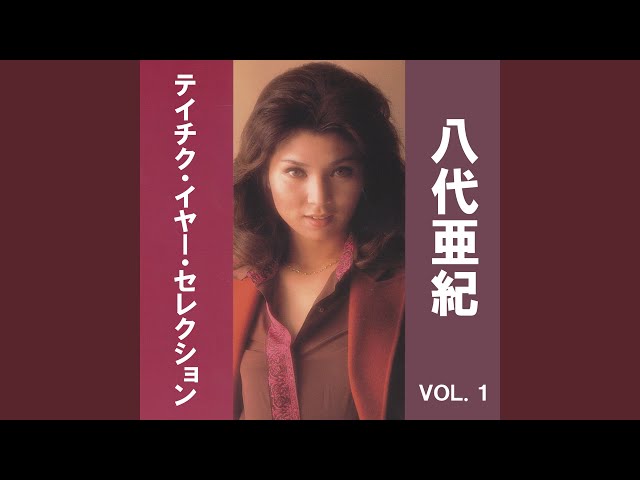
Aki Yashiro captured the hearts of many with her 1973 hit “Namida Koi.” That song, along with many of her other numbers, has long been remembered as enka that symbolizes its era.
Yashiro did not confine herself to a single genre; she explored a wide range of music, including jazz and blues, showcasing remarkable versatility.
In 1980, she won the Japan Record Award for “Ame no Bojo,” and she has continued to lead the enka world ever since.
Her voice always sounds fresh yet nostalgic—please take a listen.
It’s sure to fill you with warmth.
Let’s leave it to fate (and see what happens).Suizenji Kiyoko

Kiyoko Suizenji, who pours her rich life experience into her singing voice, is a venerable enka singer born in 1945 and a source of pride for Kumamoto Prefecture.
Her career began with her 1964 debut single, “Namida o Daaita Wataridori” (A Migratory Bird Holding Tears).
In particular, her 1968 hit “Sanbyaku Rokujūgo-ho no Māchi” (The 365-Step March) has a timeless charm that remains undimmed over the years and continues to be loved by many.
Bearing names associated with a landmark garden and a famed warlord that represent Kumamoto, Suizenji received the Order of the Rising Sun, Gold and Silver Rays, in 2019.
Even in her seventies, she shines brightly, enriching listeners’ hearts with songs that energize and uplift them.
Ishikari ElegyKitahara Mirei

Mirei Kitahara’s richly expressive singing voice resonates deeply in the hearts of listeners.
Born in 1948 in Toyokawa, Aichi Prefecture, she continues to shine on stage more than 50 years after her debut.
Her 1975 hit “Ishikari Banka” captivated many with its powerful presence and intensity.
Her light, nimble steps likely stem from the athletic experience she cultivated in her youth.
Be sure to lend an ear to Kitahara’s voice, which continues to bring us new charms even today.
To each their ownNakamura Mitsuko

Mitsuko Nakamura, from Higashi-Osaka in Osaka Prefecture, is an enka singer known for her emotionally rich vocals rooted in Kawachi ondo and rokyoku.
She debuted in 1986 with “Koi no Higo Tsubaki,” and her 1989 release “Kawachi Otoko Bushi” became a huge hit, now a karaoke standard.
She has appeared 15 times on NHK’s Kōhaku Uta Gassen, earning praise for her expressive performances of spoken-line enka and kayō rokyoku.
Raised in a poor family, Nakamura made a late-blooming debut at age 36.
Years of effort and perseverance bore fruit, and she is now a leading figure in the enka world.
Highly recommended for those who want to feel nostalgic Japan or savor the voice of an artist who helped define an era of enka.