

Nostalgic enka. A collection of classic enka hits from the Showa era.

When it comes to classic enka songs, there are so many that even today’s younger generations know them—truly music that’s loved across eras.
That said, the golden age of enka was likely the Showa period.
It was a time when countless enka singers released many songs into the world, and many listeners were captivated by enka.
In this article, we’ll introduce a comprehensive selection of nostalgic enka masterpieces that colored the Showa era.
We’ve picked not only timeless classics loved across generations, but also hidden gems known to the connoisseurs.
Take this opportunity to revisit and listen to the masterpieces that defined an era.
Nostalgic enka. A collection of classic enka songs from the Showa era (1–10)
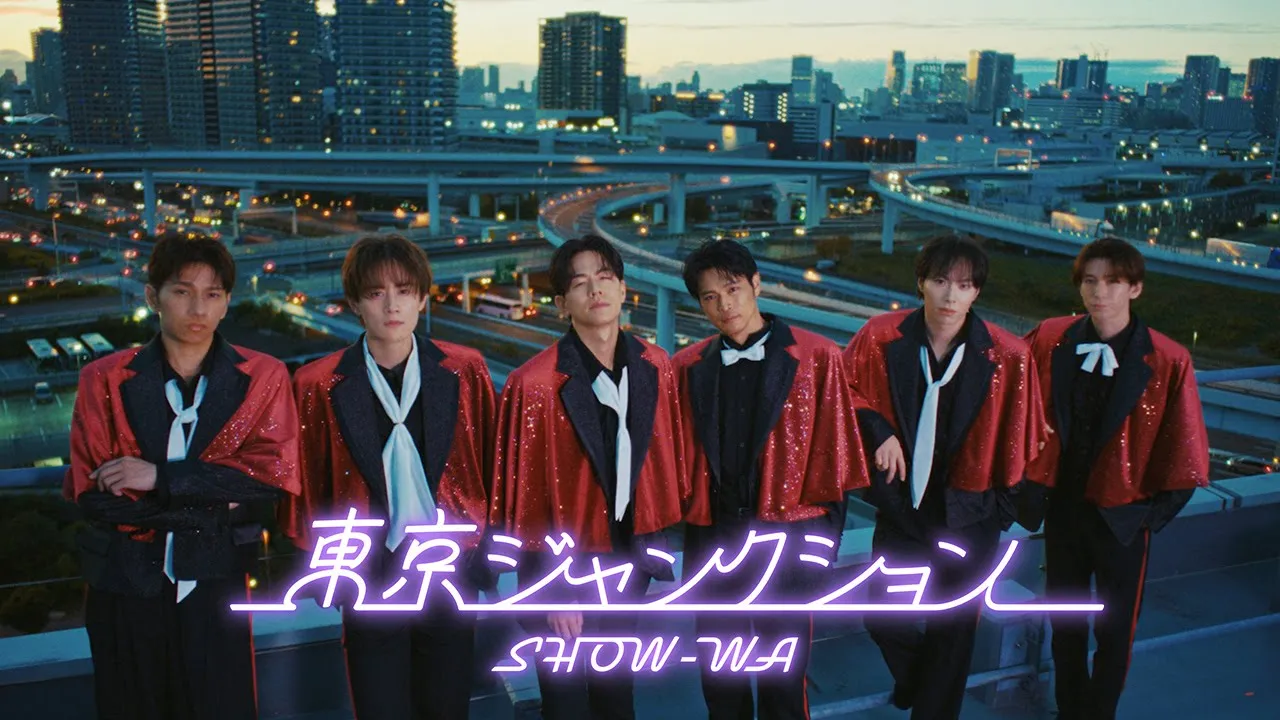
Tokyo JunctionSHOW-WA

SHOW-WA, a group produced by Yasushi Akimoto, has been gaining buzz with the concept of reviving Showa-era kayōkyoku for modern times.
Through live TV performances and steady grassroots events, they’ve been steadily expanding their fan base.
Their track “Tokyo Junction,” released in January 2026 as their major-label third single, is an ambitious work that blends the emotive depth of Showa pop with the sleek drive of contemporary city pop.
It portrays intertwined romances set against a rainy, neon-lit Tokyo night.
Enjoy a sound that’s both nostalgic and refreshingly new.
Hydrangea SlopeHirayama Kaha

Hanaha Hirayama is an enka singer with a fresh charm that puts a smile on anyone’s face when they listen.
Hailing from Tochigi Prefecture, she proved her talent by winning NHK NodoJiman during her high school years.
Her debut release is Ajisai-zaka (“Hydrangea Hill”).
It’s a classic kayōkyoku number that layers unrequited love over hydrangeas in the rain, and her clear, dewy voice resonates straight to the heart.
Enka fans—and anyone seeking to be soothed by a fresh, pure vocal—should definitely give it a listen.
Flowers and SamuraiMiyama Hiroshi

Hiroshi Miyama, known for his warm “vitamin voice” and beloved in households as the kendama enka singer, delivers a rock-enka number in this work released in January 2026, singing while playing the drums.
I hear he carried around an electronic drum kit during production to practice extensively.
His performance, powerfully expressing the spirit of the Japanese man, is truly breathtaking.
It’s a highly recommended song for anyone who needs a push forward.
Enduring RainGodai Natsuko

Natsuko Godai’s “Shinobu Ame” is one of the signature songs of her music career.
Released on May 21, 1990, the track left a significant mark on Japan’s enka scene.
It peaked at No.
12 on the weekly Oricon chart and became a long-running hit, staying on the charts for a total of 52 weeks and selling 421,000 copies.
It also received numerous awards, including the Broadcast Music Award at the 21st Japan Kayō Awards.
The song’s appeal lies in its delicate, rain-themed lyrics and Godai’s emotionally rich vocals.
Comparing deep feelings for a lover to falling rain, the lyrics resonate with many listeners, delivering a quiet yet powerful message.
As one of Natsuko Godai’s representative works, it’s a must-listen not only for enka fans but also for those who don’t usually listen to enka.
Ballad of the RainYubara Masayuki

As a song that symbolizes the shift from the decline of Group Sounds in 1971 to the era of kayō ballads, Masayuki Yuhara’s signature solo work is indispensable.
Set against a backdrop of urban rain, this piece quietly gives voice to lingering feelings for a departed lover, with baritone-centered vocals and strings heightening its wistful mood.
Released as a single in April 1971, it is a self-cover of a track that originally appeared as a B-side during his Swing West days.
In October, it topped the weekly charts for three consecutive weeks and ranked eighth on Oricon’s year-end chart.
It also won the Hope Prize at the Japan Cable Awards, cementing Yuhara’s status as a vocalist.
A classic perfectly suited for reflecting on a lost love alone on a rainy day.
Not even worth confessingKitahara Mirei

When I listened to this song, released in October 1970, I was still just a child—barely in middle school—and I remember it being a shocking song, interpreted in my own childish way.
What is now called the “phantom fourth verse” seems to exist, and I recall the word “iron bars” sticking in my ears back then, so I believe it was sung at the time.
From the standpoint that it wouldn’t see the light of day in today’s world, I consider it a hidden masterpiece.
celebratory sakeSakamoto Fuyumi
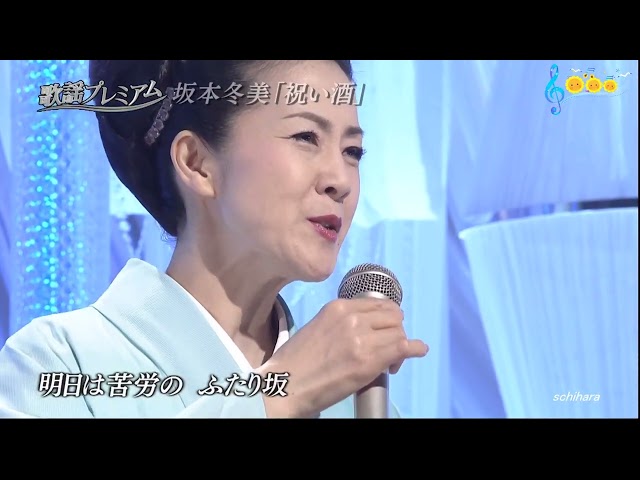
Fuyumi Sakamoto’s “Iwaizake” is a song that has continued to be loved by many since its release in 1988, thanks to its beautiful melody and heartwarming lyrics.
The piece is a blessing for a young couple embarking on a new chapter in life.
With unwavering love, any trial can be overcome—a powerful message conveyed by Sakamoto’s strong, expressive vocals.
It has remained cherished across generations, with a 7-inch analog edition released on September 20, 2023.
It’s a perfect song to play when you want to offer heartfelt congratulations.