

Nostalgic enka. A collection of classic enka hits from the Showa era.

When it comes to classic enka songs, there are so many that even today’s younger generations know them—truly music that’s loved across eras.
That said, the golden age of enka was likely the Showa period.
It was a time when countless enka singers released many songs into the world, and many listeners were captivated by enka.
In this article, we’ll introduce a comprehensive selection of nostalgic enka masterpieces that colored the Showa era.
We’ve picked not only timeless classics loved across generations, but also hidden gems known to the connoisseurs.
Take this opportunity to revisit and listen to the masterpieces that defined an era.
- [Showa Era] A Collection of Enka Hits: Timeless Classics Loved Across Generations
- Great enka masterpieces and hit songs of the 1970s
- A roundup of male enka singers in their 70s: legendary vocalists who support the enka world
- Great enka masterpieces and hit songs of the 1980s
- A roundup of female enka singers in their 70s: voices that evoke nostalgia
- [Songs from the Showa Era] Introducing classic tracks that are easy to sing at karaoke.
- Classic enka songs you’ll want to sing at karaoke: recommended popular tracks
- [2026] A Collection of Masterpieces of Enka and Mood Kayō
- [Enka] A feature on male singers in their 60s: enka vocalists whose rugged charm shines
- A roundup of leading female enka singers representing the Showa era
- [2026] Representative Famous Enka Songs: A Compilation of Classic Favorites [Beginner-Friendly]
- [For Beginners] Recommended Enka Masterpieces for Karaoke — Male Singers Edition
- Women’s Enka: A collection of classic enka songs expressing women’s emotions
Nostalgic Enka: A Collection of Classic Showa-Era Enka Songs (71–80)
In Search of Love and DeathAoyama Kazuko

Released in the year 19764 and winner of the Japan Record Award, this is Kazuko Aoyama’s signature song.
The lyrics feature two people named Miko and Mako.
“Miko” refers to Michiko Ōshima, and “Mako” to Minoru Kōno.
It’s based on a true love message told from the perspective of Michiko Ōshima, who suffered from a rare disease and passed away at a young age.
Her apologies for not overcoming the illness and the repeated declarations—such as “Even if I disappear from this world, our love will not be lost”—are truly heart-rending.

Fleeting LoveKouzai Kaori

Since her debut in 1988, Kaori Kozai has remained at the forefront of the enka music scene, captivating many fans with her rich expressiveness and emotionally resonant voice.
Released on March 25, 1991, the single “Nagare Gusa” is one of the most significant works in her career.
The song peaked at No.
14 on the Oricon charts and became a major hit with sales exceeding 800,000 copies.
Her talent was widely recognized, earning the Gold Disc Award at both the 24th Japan Cable Awards and the 33rd Japan Record Awards.
“Nagare Gusa” delicately portrays the ache of unrequited love, with Kozai’s vocals striking a deep chord in listeners’ hearts.
Especially on nights when you feel lonely or forlorn, listening to this song may bring a sense of empathy and comfort.
It’s a track I recommend not only to Kaori Kozai’s fans but also to those who don’t usually listen to enka.
Freeze my heartTakayama Iwao

Kiyoshi Takayama’s “Kokoro Koorasete,” released in 1992, left a significant mark on the enka scene of the Heisei era.
The song was chosen as the theme for the NTV morning serial drama “Shugyoku no Onna,” becoming a hit beloved by a wide range of generations.
Its appeal lies in lyrics that delve deeply into the complexities of relationships with the ones we love.
The pain and inner conflict that lurk within love, as well as the strong will to hold on to it despite everything, resonate profoundly with listeners.
Takayama’s powerful vocals further heighten the song’s emotional impact.
“Kokoro Koorasete” offers empathy and encouragement to those trying to overcome heartbreak and the complexities of love.
It is highly recommended for those who enjoy moving narratives and seek songs that speak to the heart.
Nostalgic enka. A collection of famous enka songs from the Showa era (81–90)
Enka BoatToba Ichirō

Enkasen is a single by Ichiro Toba released by Nippon Crown in [year].
He appeared on NHK’s Kōhaku Uta Gassen with this song.
It’s a track that conveys the masculine spirit of Ichiro Toba, who bears the catchphrase “a man who suits the scent of the sea.”
A life full of scarsTsuruta Koji
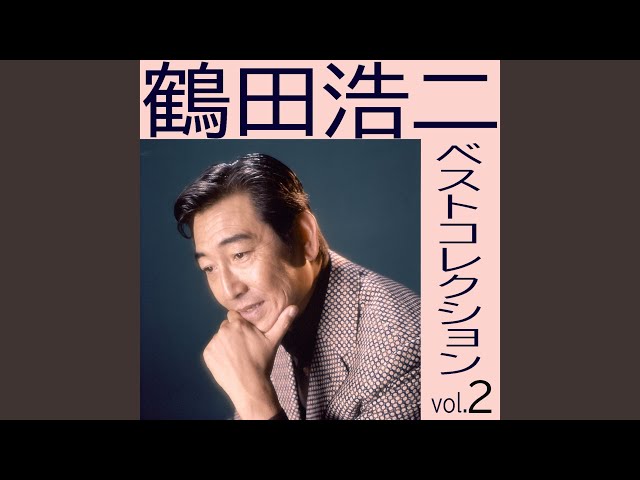
Pressing a hand to his ear and saying, “You may think I’m old-fashioned, but…,” he created an indescribably cool, picture-perfect moment.
True to its title, the song portrayed the yakuza world and became a huge hit, selling nearly one million records.
However, the mighty NHK deemed it “unsuitable for public broadcasting,” which angered Koji Tsuruta, and he refused to appear on NHK for the next six years.
I liked it.Tsuruta Koji

The work I’m introducing this time is a bittersweet love ballad sung by Koji Tsuruta, renowned as a leading actor of the Showa era.
The lyrics, which dwell on regret and lingering feelings for a former lover, vividly portray a man’s clumsy way of expressing love.
Released in 1956, the song is characterized by Tsuruta’s sweet vocals and a wistful melody.
The B-side of the single features “Machi no Sandwich Man,” and the release includes a total of four tracks, including karaoke versions.
Reissued in 1993, this piece is also recommended for younger music fans interested in Showa-era kayōkyoku.
It’s the perfect song for those troubled by love or in the mood to reflect on memories with someone special.
Blues of the DawnItsuki Hiroshi

This is about television, but now that viewers’ channel options are no longer limited to terrestrial broadcasting, the number of enka programs is steadily increasing.
I wonder if Japan’s aging population has something to do with it.
“Yoake no Blues” leans more toward mood-kayo-style enka.
Its catchy melody follows a different line from shamisen and shakuhachi-based tunes, so even young listeners can enjoy it without any sense of mismatch.
The lyrics, depicting the push-and-pull between a man and a woman set against the nightlife of the city, spin a tale of romance that’s a true stage for adults.
Hiroshi Itsuki’s relaxed vocal delivery feels wonderfully light.