

Nostalgic enka. A collection of classic enka hits from the Showa era.

When it comes to classic enka songs, there are so many that even today’s younger generations know them—truly music that’s loved across eras.
That said, the golden age of enka was likely the Showa period.
It was a time when countless enka singers released many songs into the world, and many listeners were captivated by enka.
In this article, we’ll introduce a comprehensive selection of nostalgic enka masterpieces that colored the Showa era.
We’ve picked not only timeless classics loved across generations, but also hidden gems known to the connoisseurs.
Take this opportunity to revisit and listen to the masterpieces that defined an era.
- [Showa Era] A Collection of Enka Hits: Timeless Classics Loved Across Generations
- Great enka masterpieces and hit songs of the 1970s
- A roundup of male enka singers in their 70s: legendary vocalists who support the enka world
- Great enka masterpieces and hit songs of the 1980s
- A roundup of female enka singers in their 70s: voices that evoke nostalgia
- [Songs from the Showa Era] Introducing classic tracks that are easy to sing at karaoke.
- Classic enka songs you’ll want to sing at karaoke: recommended popular tracks
- [2026] A Collection of Masterpieces of Enka and Mood Kayō
- [Enka] A feature on male singers in their 60s: enka vocalists whose rugged charm shines
- A roundup of leading female enka singers representing the Showa era
- [2026] Representative Famous Enka Songs: A Compilation of Classic Favorites [Beginner-Friendly]
- [For Beginners] Recommended Enka Masterpieces for Karaoke — Male Singers Edition
- Women’s Enka: A collection of classic enka songs expressing women’s emotions
Nostalgic Enka: A Collection of Showa-Era Enka Masterpieces (11–20)
Mother of NaniwaNatsuki Ayako
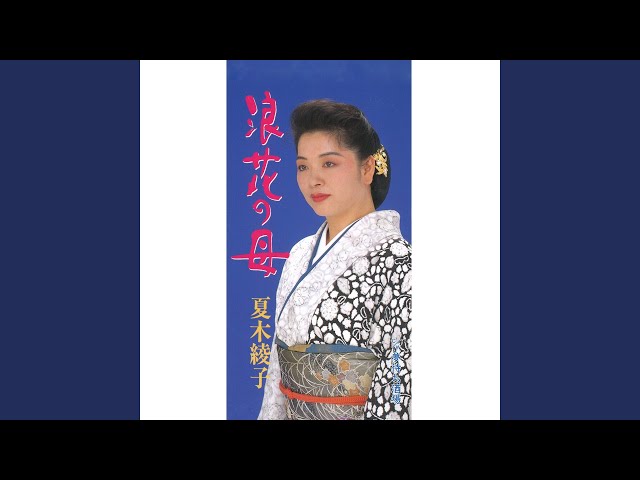
From mother to daughter, this is a soul-stirring anthem passed down through generations.
Released in July 1993, Ayako Natsuki’s debut sold around 200,000 copies and won the Diamond Hit Award.
A mother who, despite poverty, steadfastly raised her daughter—her powerful lessons and deep love are sung over an emotionally rich melody.
You can almost picture the protagonist savoring her mother’s words, and as you listen, you may find yourself thinking of your own family and feeling a swell of emotion.
Included as well on the 25th-anniversary edition “Yukimai Zakura / Naniwa no Haha ~25th Anniversary Version~,” this song continues to be cherished today.
It’s the kind of piece that suddenly makes you long for the face of a loved one waiting back home.
Love Song of SadoHosokawa Takashi

This is a signature song by Takashi Hosokawa, renowned for his overwhelming vocal power honed through folk music.
Released in December 1991 as his 39th single, it won the Oricon Long Seller Award and was performed at the NHK Kōhaku Uta Gassen the following year.
The song is set on Sado Island, expressing a deepening longing for a lover across the sea, sung with rich emotion.
Though so close, they remain out of reach—an aching frustration.
You can almost see the protagonist projecting their helpless feelings of love onto the waves crashing against the rugged shore and the birds flying across the sky.
Hosokawa’s own lyricism, brimming with poetic sensibility, blends beautifully with the folk-inspired phrasing inherited from his mentor, moving listeners to the core.
It’s a song that draws you into its bittersweet world—perfect for moments of travel-inspired reverie or nights when you’re thinking of someone far away.
one-way ticketKitayama Takeshi
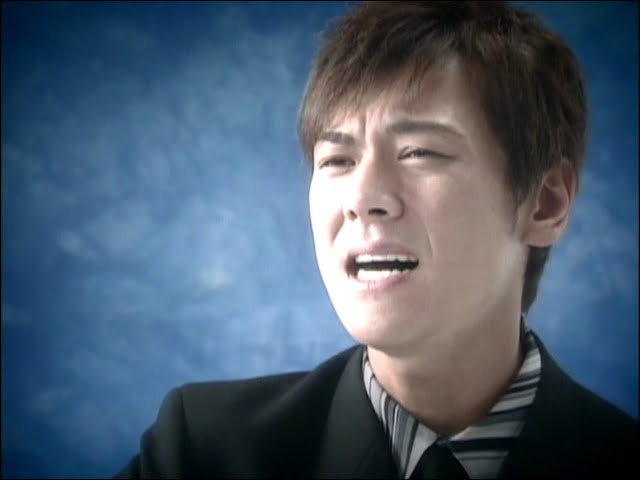
A deeply moving song that portrays a solitary departure, undertaken with the resolve never to return.
Written and composed by Joji Hara, his powerful yet gentle voice richly conveys both the determination to face a harsh journey and the quiet nostalgia held within.
Released in April 2004 as a debut single, the track achieved the remarkable feat of reaching No.
20 on the Oricon overall chart—at the time, the highest ranking ever for a solo debut by an enka singer.
This solid first step paved the way for later successes, including the acclaimed album “Ippo” (One Step) and “Yume Ichizu,” which was selected as the theme song for the TV drama “Suronin Tsukikage Hyogo.” It is a song that will resonate deeply with anyone standing at a crossroads, ready to venture onto a new path.
Oga PeninsulaKitayama Takeshi
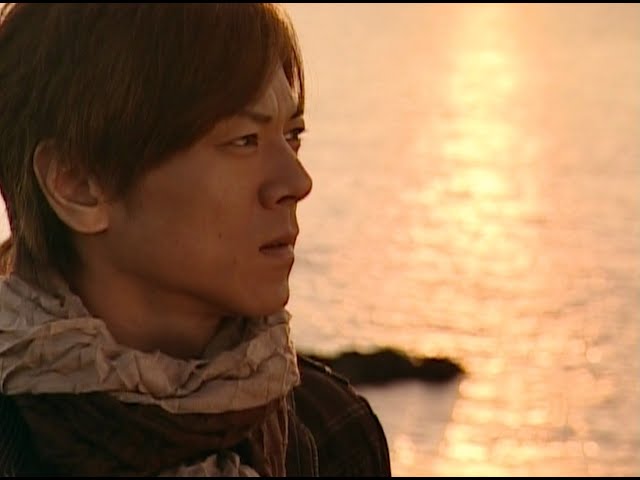
Set against the majestic nature of Akita Prefecture, this is one of Takeshi Kitayama’s signature songs, powerfully singing of a man’s romance and resolve.
It portrays a protagonist who, even without words, burns with a hidden passion, facing harsh nature head-on while keeping his eyes fixed on the future.
With lyrics that vividly paint the scene and a grand, expansive melody that moves the listener, it is a quintessential example of classic enka.
Released as a single in August 2007, Kitayama performed it passionately on that year’s NHK Kōhaku Uta Gassen.
The coupling track Yume Ichizu is also known for being chosen as the theme song for the TV Asahi period drama Ronin Tsukikage Hyōgo.
This work will likely resonate with those attempting a new challenge or quietly nurturing a fighting spirit in solitude.
Around the season of urizun (the early springtime in Okinawa, literally “the time when melons begin to grow”)Sakamoto Fuyumi

This is a famous song by Fuyumi Sakamoto whose title evokes the early summer of Okinawa and resonates deeply.
It portrays the poignant feelings of a protagonist who, heartbroken in love and dreams and weary of city life, remembers the warm southern breeze and beautiful sea of their hometown.
Carried by the sound of the sanshin, Sakamoto’s rich, lustrous vocals gently seep into the listener’s heart.
Originally included on her 2001 album “Fuyumi Renaissance,” the track was released as a single in September 2002 after topping a fan poll, timed with the 30th anniversary of Okinawa’s reversion to Japan.
It was also used as the theme for the weather forecast on Okinawa TV, suggesting how widely it was cherished.
It’s a warm song that offers comfort to those striving far from home.
A Woman’s Life: Flowers of Sweatkawanaka miyuki

A heartwarming life-affirming song that sings of gratitude to a devoted mother and the deep love from her daughter.
Lyricist Osamu Yoshioka portrays a mother who toiled through daily life, overcoming any hardship with a smile.
That scene overlaps with Miyuki Kawanaka’s loving, compassionate voice, deeply resonating in the hearts of listeners.
The single was released in May 2003 to coincide with the Mother’s Day season.
It was later included on best-of albums such as the classic “Miyuki Kawanaka Daizenshū” and continues to be beloved by many.
Doesn’t it make you feel the beauty of those who live earnestly and give you strength to face tomorrow? Let it be an opportunity to express the gratitude you can’t usually put into words to someone important to you.
Nostalgic enka. A collection of classic Showa-era enka masterpieces (21–30)
Castle of White CloudsHikawa Kiyoshi

It’s a single that unfolds like a grand historical tale, woven from bygone glory and the passage of time.
Released by Kiyoshi Hikawa in 2003, it’s included on the album “Kiyoshi Hikawa: Enka Masterpiece Collection 3 ~ Castle of White Clouds.” Set against the backdrop of a decayed castle, its poetic worldview strikingly contrasts the transience of human life with the eternity of nature.
The scenes recalling the once-valiant young warrior depicted in the lyrics deeply move the listener.
A classical orchestration that transcends the bounds of enka fuses beautifully with Hikawa’s passionate vocals, stirring the heart with an overwhelming sense of scale.
It’s a masterpiece to savor on a night when you want to dwell on the romance of history.