


Among the masterpieces of enka, there are many songs themed around festivals.
Some are like local songs that literally sing about real festivals from various regions, while others portray a man’s way of life by overlapping it with the spirit of a festival.
In this article, I’ll introduce many classic enka songs with festival themes.
Every track is filled with the festivity and liveliness of a celebration.
As you listen, your spirits are sure to lift and your energy will well up.
- Classic enka songs perfect for summer—tunes that sing of festivals and fireworks.
- Legendary enka songs that fire up the crowd. A song catalog of enka picks you won’t go wrong with at karaoke.
- Recommended enka set in autumn: a collection of heart-touching masterpieces
- [Today's Recommended Enka] Carefully selected enka songs that perfectly match today's mood!
- [Men] Enka Songs That Can Score High in Karaoke
- [Treasure of Powerful Enka] Takashi Hosokawa’s Easy-to-Sing Songs
- [Enka First Year] A Collection of Easy-to-Sing Songs by Yoko Nagayama [2026]
- Nostalgic enka. A collection of classic enka hits from the Showa era.
- Great enka masterpieces and hit songs of the 1970s
- [Enka] Songs That Are Easy to Sing Even for the Tone-Deaf [Male Singer Edition]
- Great enka masterpieces and hit songs of the 1980s
- Cool masterpieces of enka, the heart of Japan
- A roundup of regional enka songs: classic hits that feature places from all across Japan in their lyrics.
A classic enka song with a festival theme. A lively, bustling tune (1–10).
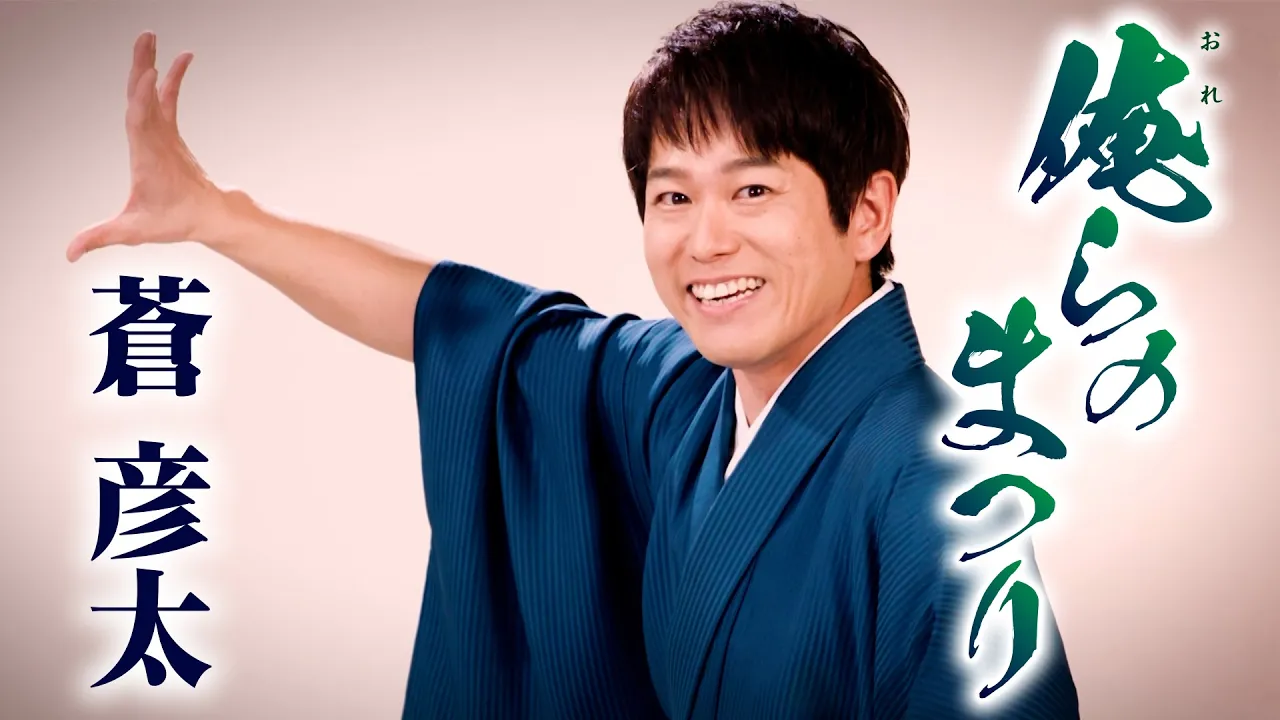
Our FestivalAohikota

Aohikota’s single “Orera no Matsuri,” released in December 2025, is a classic, major-key enka centered on the theme of festivals, just as the title suggests.
The lyrics express gratitude to the mountain gods and dragon deities and offer prayers for a bountiful harvest.
The arrangement builds from a gentle opening into increasing momentum, and the call-and-response shouts in the vocal structure are striking.
It’s perfect for those who want to enjoy music by raising their voices.
Trying out the choreography from the music video could be fun too!
Women’s FestivalIchikawa Yukino

Enka singer Yukino Ichikawa’s debut song was “Onna no Matsuri,” released in 1993.
It’s a number inspired by the “Onna Mikoshi” at the Docchan Festival in Imari, Saga Prefecture, where only women carry the portable shrine.
While mikoshi are often associated with men, the Docchan Festival’s “Onna Mikoshi” has a power and energy that rivals any other.
If listening to “Onna no Matsuri” piques your interest, be sure to visit Imari in Saga!

Festival MamboMisora Hibari

Hibari Misora’s classic “Omatsuri Mambo.” While this song falls under the enka category, it shares many elements with J-pop, and among Misora’s works, it’s one of the easiest to sing.
Its vocal range is somewhat broad at mid1 C to hi C, but the pitch movement isn’t very drastic, so overall it’s arranged to be easy to sing.
However, the tempo is relatively fast at BPM 120, so you’ll need decent articulation.
Even so, there are no highly demanding enka-style embellishments like complex kobushi, so it’s fair to say the song still firmly maintains its singability.
It’s a very lively, feel-good number that really gets the crowd going, so consider adding it to your repertoire.

Men’s Dream FestivalJinno Mika

It’s a classic enka song that powerfully captures the heat and excitement of a summer festival.
The lyrics celebrate the bravery of the men carrying the mikoshi and their passion for the festivities.
Vivid festival imagery like chest bindings (sarashi) and twisted headbands (hachimaki) leaves a strong impression.
Mika Shinno’s powerful vocals further amplify the festival’s vibrant energy.
Released in March 1991, the song was also included on the album “Otoko Yume Matsuri: Mika Shinno Best Hits” the same year.
It’s a perfect track not only for festival season, but also when you need a boost of energy.
Just listening to it makes your heart dance and your body start to move—such is the charm of this song.
Love is a fire festivalJunretsu

Set against the night of a port town, this piece sung by Junretsu vividly portrays the blazing scenes of love.
Blending the sentiment of mood kayō with the dynamism of rock, it becomes a powerful number that stirs the listener’s heart.
The passionate feelings of two people nestled together by the harbor at night are sung with dramatic intensity, flaring up like festival flames.
Included on a single released in September 2017, it was later selected for the November 2018 album “Junretsu Best Vol.2 2015–2018.” It’s the perfect track when you want to elevate the festival mood or immerse yourself in a passionate love song on a night in.
You can almost picture Junretsu’s signature performance, and just listening is sure to set your heart dancing.
Men’s Festival SongFukuda Kouhei

The sound of the taiko drums resonates pleasantly—it’s a song by Kohei Fukuda that seems to turn the vibrant spirit of a festival directly into sound.
The prayers for bountiful harvests and great catches, and the deep gratitude toward nature embedded in the lyrics, come through straight and clear on the wings of Fukuda’s soaring vocals.
As you listen, you might find yourself wanting to shout “Soiya!”—that kind of vigor is part of its charm.
The track was released in January 2024 as part of the CD single “Shonai Shigure-zake / Shinyu yo / Otoko no Matsuri-uta.” It’s perfect not only when you want to soak in a festive mood, but also when you need a boost to tackle something—this song will give you the heartening push you need.
Tanabata DanceShimakura Chiyoko

It’s a song that vividly brings to life the scenes of Sendai’s Tanabata Festival through Chiyoko Shimakura’s singing voice! This work wonderfully portrays the bustle and splendor of Japan’s summer festivals and is beloved locally as a Bon Odori standard.
The lyrics vividly depict a cheerful circle of dancers in yukata under the starry sky, fans in hand, the beautiful scenery of Aoba Castle and the Hirose River, and the romance of Tanabata.
The song was released in July 1962, when Shimakura was 24.
Its folk-style melody and folk-dance-like rhythm make your heart dance just by listening! It’s recommended for those who want to immerse themselves in the good old Japanese summer or bask in the warm atmosphere of a festival.