

[2026] A Collection of Classic Enka Songs Depicting Winter Scenery

When you listen to classic enka—the heart of Japan—you’ll notice many songs depict winter scenes and the harsh cold of the northern provinces.
There are truly a great number of enka songs themed around winter, and even pieces about the breakup of a man and a woman are often sung against the backdrop of the north.
This article highlights enka that evoke severe cold through winter landscapes: we’ve researched and compiled not only timeless classics that have left their mark on enka history, but also winter-themed enka that continue to be released even in the Reiwa era.
It’s also recommended for those new to enka, so take this opportunity to check it out.
- [2026] Enka to Listen to in Winter: A Collection of Classic Enka Songs Depicting Snow and Cold
- Women’s Enka: A collection of classic enka songs expressing women’s emotions
- Men’s enka: a collection of classic songs portraying the way men live and their fighting spirit
- An enka song about the Sea of Japan. A collection of famous songs themed around the great ocean.
- A collection of classic enka masterpieces about love: songs that depict the nuances of mature romance.
- [2026] Representative Famous Enka Songs: A Compilation of Classic Favorites [Beginner-Friendly]
- Classic enka songs you’ll want to sing at karaoke: recommended popular tracks
- An enka themed around heartbreak: a collection of masterpieces whose lyrics seep with lingering regrets
- A classic enka masterpiece about one's hometown. A wonderful song that evokes thoughts of home.
- A collection of enka songs with “Blues” in the title: masterpieces that sing of sorrow
- [2026] A Collection of Masterpieces of Enka and Mood Kayō
- [2026] A roundup of classic enka masterpieces about siblings
- [2026] Recent hit enka songs: must-watch popular kayō tracks
[2026] Collection of classic enka songs depicting winter scenery (31–40)
North GobanchoHosokawa Takashi

Set in a snowy northern town, this is a compassionate song by Takashi Hosokawa that portrays the longing for company and the warmth of human connection.
It paints, with Hosokawa’s powerful yet sultry voice, the feelings that deepen on a freezing night and the festive scenes of friends cheerfully making a racket as they talk about their dreams.
Blending the spirit of traditional enka with a modern, urban arrangement, the song offers a charming mix of nostalgia and sophistication.
Released as a single in August 2001, it marks yet another collaboration with composer Tetsuya Gen, with whom Hosokawa has produced many classics, including Koi no Sake.
The track is also included on the album Takashi Hosokawa Zenkyokushū / Kita no Gobanchō.
Listen to it on a long winter’s night as you reminisce about the past or chat the night away with close friends, and you’ll surely feel a warm light kindle in your heart.
Around the season of urizun (the early springtime in Okinawa, literally “the time when melons begin to grow”)Sakamoto Fuyumi

This is a famous song by Fuyumi Sakamoto whose title evokes the early summer of Okinawa and resonates deeply.
It portrays the poignant feelings of a protagonist who, heartbroken in love and dreams and weary of city life, remembers the warm southern breeze and beautiful sea of their hometown.
Carried by the sound of the sanshin, Sakamoto’s rich, lustrous vocals gently seep into the listener’s heart.
Originally included on her 2001 album “Fuyumi Renaissance,” the track was released as a single in September 2002 after topping a fan poll, timed with the 30th anniversary of Okinawa’s reversion to Japan.
It was also used as the theme for the weather forecast on Okinawa TV, suggesting how widely it was cherished.
It’s a warm song that offers comfort to those striving far from home.
Tokachi Autumn and WinterŌe Yutaka
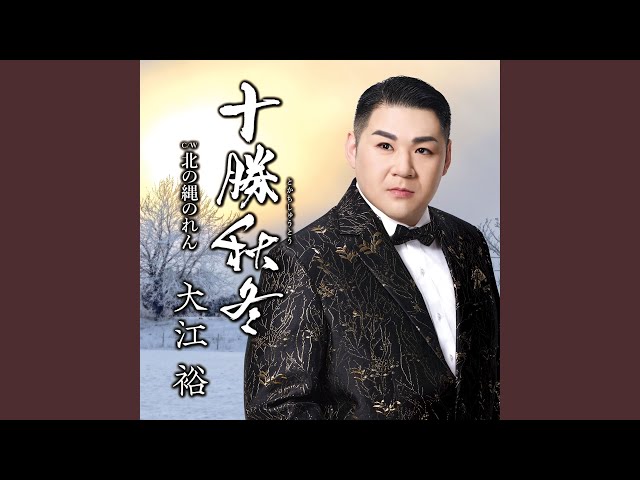
It’s a song that vividly evokes the sweeping scenery of Hokkaido’s Tokachi Plain as autumn turns to winter.
Released in July 2025, this track is the second installment in the Hokkaido series following “Hokkai Nagare Uta” from November 2024.
It’s a heartwarming piece that carefully portrays family bonds nurtured in harsh nature and a deep sense of gratitude toward one’s parents.
Hiroshi Oe’s warm yet powerful vocals add depth to the storytelling, truly moving listeners.
For those striving far from their hometown, it’s sure to stir feelings for their family.
diamond dustŌzora Ayumi

This is a song by Ayumi Oozora that fuses the lyrical sensibility of enka with an irresistibly body-swaying rock sound.
The lyrics, written by her mentor Shinobu Yuki, sing of a strong resolve: even while carrying the pain of a lost love, the protagonist faces forward, like flowers poised to bloom in the spring to come.
Oozora’s emotive vocals dramatize both the aching sorrow and the hope for renewal.
It’s sure to give a powerful push to anyone who wants to overcome sadness and take a new step forward.
Drift Ice Missing PersonMiki Junko

The harsh scenes of the northern country and the swelling emotions—their drama is deeply moving.
This song by Junko Miki, released in June 2025 to commemorate her 30th anniversary since debut, richly portrays the poignant feelings of a protagonist traveling with thoughts of a precious person, set against the Sea of Okhotsk and its drifting ice.
As the concluding piece of the “Sea Trilogy,” following Wandering Seagull and Stray Star of the Strait, it carries a depth that truly feels like the culmination of the series.
If you love dramatic enka or are seeking a song that resonates in the heart, this will surely strike a chord.
[2026] Collection of Classic Enka Songs Depicting Winter Scenery (41–50)
White Seaasukamisako

A moving song by Misako Asuka that conjures up a fantastical view of the Sea of Japan.
Released in February 2025, this work drew attention as her first single after moving to Crown Records.
The lyrics are striking, intertwining the harsh winter scenery of the northern regions with the pain of heartbreak.
By weaving in place names such as Rishiri Fuji and Rebun Island, it achieves vividly realistic imagery.
Recommended for those who want to heal the pain of a broken heart or quietly reflect on themselves.
Calm or stormIchijō Kanta

As the third installment in a series themed around the ocean, this work powerfully depicts fishermen who keep moving forward with unwavering resolve, whether the seas are calm or raging.
The lyrics by Takashi Banjo and the melody woven by Kenji Miyashita blend beautifully, while Kanta Ichijo’s clear, expansive vocals resonate deeply.
Brimming with speed and dynamism, this piece is sure to accompany those standing at a crossroads in life, offering courage to take a new step forward.