

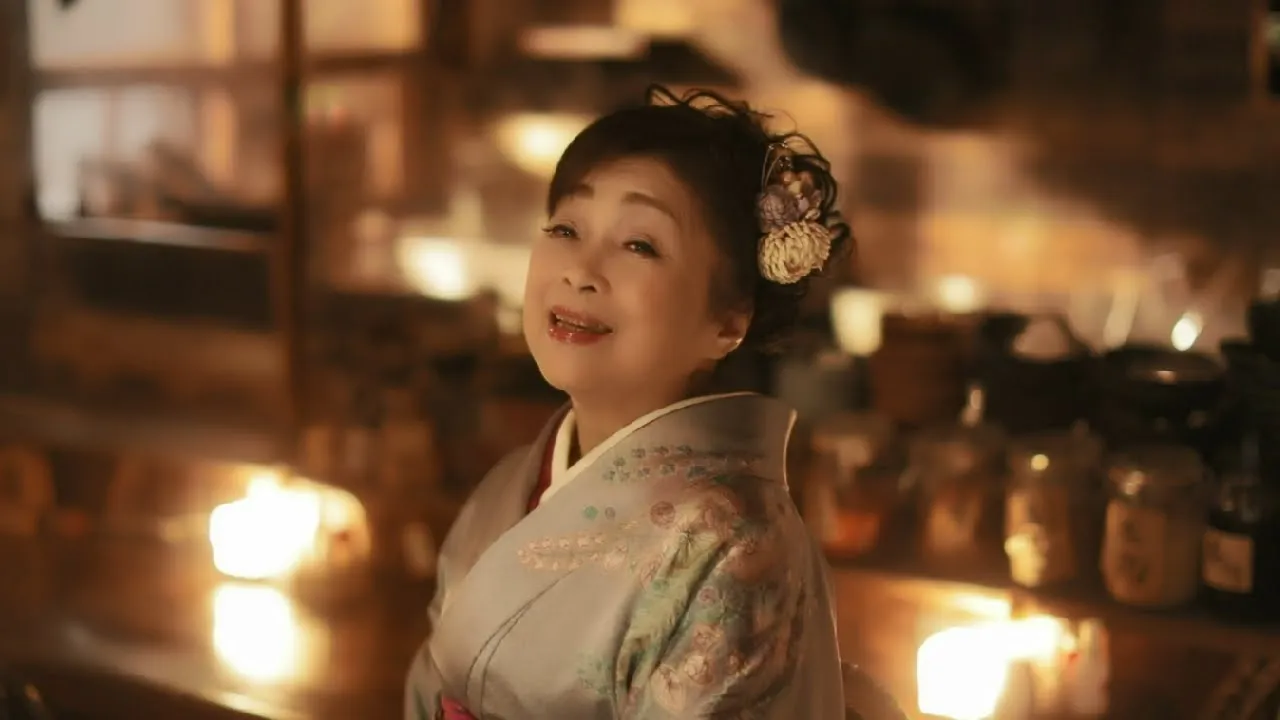
A classic enka masterpiece about one's hometown. A wonderful song that evokes thoughts of home.

Among the themes often sung in enka, there are quite a lot of songs about one’s hometown.
Some songs dwell on the family and friends left behind, while others convey a resolve like, “I can’t go back until I’ve made it!”—each carrying different emotions.
In this article, we’ll introduce a selection of classic enka songs written with thoughts of home.
If any of them resonates with your own experiences, it may become a truly special song for you.
Be sure to read the lyrics and listen closely.
A classic enka masterpiece about one’s hometown. A wonderful song that evokes memories of home (1–10)
Nanukamachi HanakojiAsō Chigusa

An enka song brimming with hometown pride, set in Nanukamachi in Yamagata Prefecture, has arrived.
Chigusa Aso’s powerful vocals vividly portray the scenes of a Showa-retro bar district.
The song makes striking use of the Yamagata dialect phrase “Oshoshina” (thank you), conveying heartfelt gratitude to the local people in a direct way.
Released in October 2024, the single includes “Asakusa Kisakata Nasake-machi” as the coupling track.
It’s a perfect pick for those who want to savor an old-fashioned, warm-hearted atmosphere.
Highly recommended for people living away from their hometowns and for anyone who cherishes human connections.
Laughing MountainYukino Rio

This is an enka song that paints Japan’s traditional scenery in the Reiwa era.
Performed by Yukino Roa, the piece is woven with literary language and seasonal imagery.
As it makes a full circle from spring—when the mountains bud and seem to smile—to winter, where the ancestors rest, it warmly expresses gratitude to the hometown that forgave the mistakes of youth.
The gentle melody and tender vocals are a perfect match.
Give it a listen when you want to reconnect with feelings for your hometown and the natural world.
Chilly Spring InnMizumori Kaori

This is an enka song performed by Kaori Mizumori, known as the Queen of Local Songs, set in the Mimasaka region of Okayama Prefecture.
The lyrics weave in proper place names such as Okayama, Mimasaka, and the Yoshino River, overlaying the scenery of Yunogo Onsen with the emotions of parting.
Titled with the seasonal word hanabie, which refers to a chill in the air during spring, the lyrics strikingly contrast the warmth of the hot springs with the coldness of lingering attachment.
It was released in October 2011 as a track on the album Kayō Kikō X: Shōnai Heiya Kaze no Naka.
It’s a recommended song for those who want to feel the landscapes of Okayama and the atmosphere of its hot spring towns, or who wish to dwell on a bittersweet tale of farewell.
Johana Hikiyama FestivalAoi Kawori

This is a song themed around the Hikiyama Festival held in the Johana district of Nanto City, Toyama Prefecture.
Sung by enka artist Kauri Aoi, the piece is inspired by the local specialty “tama-mayu” (silk cocoons), and expresses fleeting dreams with a loved one and an unforgettable longing for love.
The lyrics vividly depict the festival’s lanterns and the sound of flutes, making you feel as if you’re right there.
Released in March 2024, the song commemorates the 20th anniversary of Kauri Aoi’s debut.
The coupling track, “Meoto-daki” (Husband-and-Wife Falls), also draws on Toyama’s natural scenery, making this a release brimming with local pride.
It’s a perfect song for summertime nights when you want to linger over bittersweet memories.
Shimotsui Otaki Madakana BridgeNakamura Mitsuko

Shimozui, a port town in Kurashiki, Okayama Prefecture.
Set in this place that once flourished as a calling point for Kitamaebune trading ships, the song traces the feelings of a woman living in the red-light district.
Sung by Mitsuko Nakamura, it vividly portrays the emotions of a geisha yearning for the return of the sailing ships, with a title drawn from the name of a real bridge in the area.
After being included on the March 2006 album “Yarō-tachi no Uta,” it was released as a single in August of the same year.
The classic enka world woven by Tadashi Kitajō’s lyrics and Tetsuya Gen’s melody is perfect not only for those who love the region’s history and climate, but also for anyone who resonates with the atmosphere of a port town and a woman’s single-hearted love.
Kurashiki River Long SongNakamura Mitsuko

This is an enka piece set in the Kurashiki Bikan Historical Quarter of Okayama Prefecture.
A farewell story unfolds along the whitewashed streets and the banks of the Kurashiki River, depicted with the falling willow leaves and the autumn air.
With lyrics by Showa-kayō master Miyuki Ishimoto and a melody by Tetsuya Gen, it was produced by a classic powerhouse duo.
Released in March 2012 by King Records as the coupling track to the single “Nasakegawa / Kurashiki-gawa Enka,” the song borrows the local scenery—storehouses and bridges—to sing of the sorrow of human bonds unraveling.
Strings that suggest the rippling of the water’s surface, nuances of traditional Japanese instruments, and Mitsuko Nakamura’s vibrato-rich vocals together create a superb sense of travel and nostalgia.
Kurashiki RiverHarada Yuuri

This enka piece portrays the emotions of a woman who has resolved to say goodbye, set against the river flowing through Kurashiki’s Bikan Historical Quarter.
The lyrics weave in quintessential Kurashiki scenery—white-plastered townscapes, indigo-dyed shop curtains, and stone-paved streets—and the promotional video was also filmed in the Bikan area, fully showcasing the charms of Okayama.
After its release, it reached No.
20 on the Oricon Weekly Chart and took the top spot for enka requests on cable radio.
It also received high acclaim for its lyrics, being selected as an award-winning song at the 45th Japan Lyricist Awards.
The depiction of a woman who embodies both dignified strength and lingering attachment is memorable, making this a recommended track not only for those who have visited Kurashiki, but also for anyone who’s thinking of going.