

A classic enka masterpiece about one's hometown. A wonderful song that evokes thoughts of home.

Among the themes often sung in enka, there are quite a lot of songs about one’s hometown.
Some songs dwell on the family and friends left behind, while others convey a resolve like, “I can’t go back until I’ve made it!”—each carrying different emotions.
In this article, we’ll introduce a selection of classic enka songs written with thoughts of home.
If any of them resonates with your own experiences, it may become a truly special song for you.
Be sure to read the lyrics and listen closely.
- A roundup of regional enka songs: classic hits that feature places from all across Japan in their lyrics.
- Classic enka songs you’ll want to sing at karaoke: recommended popular tracks
- Cool masterpieces of enka, the heart of Japan
- Debut song of an enka singer
- [Hometown Songs] A curated selection of popular Japanese tracks that fill your heart with nostalgia
- Nostalgic enka. A collection of classic enka hits from the Showa era.
- An enka themed around heartbreak: a collection of masterpieces whose lyrics seep with lingering regrets
- Women’s Enka: A collection of classic enka songs expressing women’s emotions
- An enka song about the Sea of Japan. A collection of famous songs themed around the great ocean.
- [For Women] A roundup of enka songs that can score high in karaoke
- [2026] Enka Spring Songs to Savor: A Collection of Classic Enka That Evokes the Japanese Spring
- [For Beginners] Recommended Enka Masterpieces for Karaoke — Male Singers Edition
- [2026] Representative Famous Enka Songs: A Compilation of Classic Favorites [Beginner-Friendly]
A classic enka masterpiece about one's hometown. A lovely song that evokes thoughts of home (21–30).
Itako LullabyMiyako Harumi

This is a lyrical song by Harumi Miyako, one of Japan’s leading enka singers, that vividly evokes the scenery of Itako City in Ibaraki Prefecture.
The wistful tones of the shamisen and the unhurried melody are like a boat gliding quietly through the waters of the Itako marshlands.
This song is more than a simple lullaby.
It beautifully weaves together the sorrow of seeing someone off as they depart from the port and the deep maternal love that wishes for the healthy growth of the child held in her arms.
Beneath the gentle refrain of “nen-nen korori” lies a yearning for the one who is leaving and a prayer for the child’s future.
It is a timeless masterpiece that softly awakens in listeners the landscapes of their hometown and warm feelings for their family.
Around the season of urizun (the early springtime in Okinawa, literally “the time when melons begin to grow”)Sakamoto Fuyumi

This is a famous song by Fuyumi Sakamoto whose title evokes the early summer of Okinawa and resonates deeply.
It portrays the poignant feelings of a protagonist who, heartbroken in love and dreams and weary of city life, remembers the warm southern breeze and beautiful sea of their hometown.
Carried by the sound of the sanshin, Sakamoto’s rich, lustrous vocals gently seep into the listener’s heart.
Originally included on her 2001 album “Fuyumi Renaissance,” the track was released as a single in September 2002 after topping a fan poll, timed with the 30th anniversary of Okinawa’s reversion to Japan.
It was also used as the theme for the weather forecast on Okinawa TV, suggesting how widely it was cherished.
It’s a warm song that offers comfort to those striving far from home.
Kinokawa (Kii River)Sakamoto Fuyumi

Set against a river flowing through Fuyumi Sakamoto’s hometown of Wakayama, this song is an epic, story-driven piece that portrays the bond passed down from mother to daughter to grandchild across three generations.
Released in March 2008, it serves as the concluding installment of the “Masterpiece Series,” based on Sawako Ariyoshi’s novels, and was also used as the ending theme for TBS’s “Kaiun Ongakudo.” Its universal theme— a mother’s deep love, single-mindedly praying for her child’s happiness, intertwining with the eternal flow of a river—resonates powerfully with listeners.
The fact that Sakamoto was appointed a “Hometown Ambassador” for Wakayama Prefecture in November of the same year further conveys the work’s heartfelt connection to her roots.
It is a song to hear when you want to be reminded of family bonds or to reflect on your hometown; its warm vocals will gently permeate the heart.
Hiroshi’s proud hometown, ze yo!Miyama Hiroshi
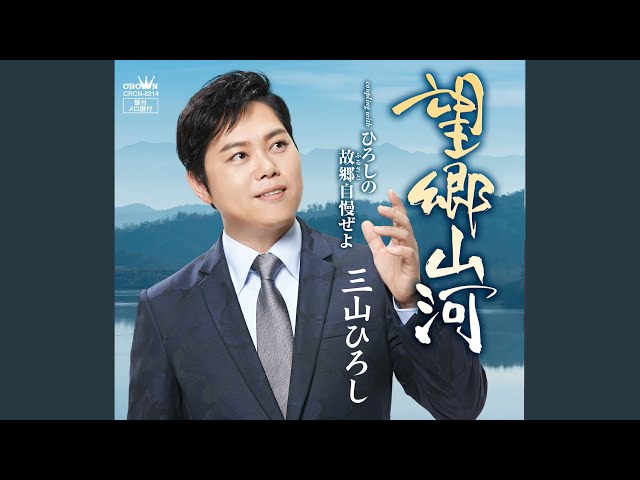
This is a song by Hiroshi Miyama, a native of Nankoku City in Kochi Prefecture, packed to the brim with love for his hometown.
As a tourism ambassador, his signature spirit of service shines through, making it a deeply satisfying local anthem.
The lyrics roll out one after another—from famous landmarks like Harimaya Bridge and Hirome Market to regional specialties like first-skipjack bonito and gamecock hot pot—turning the piece into a musical journey through Kochi’s charms.
Sung proudly in his warm “vitamin voice,” declaring “shoeiyo (amazing!),” you can feel his deep affection for where he’s from.
The comfortable enka melody combined with the rustic cadence of the Tosa dialect conjures vivid images of Tosa’s grand nature and the heartfelt warmth of its people.
Yosakoi enkaKaneda Tatsue
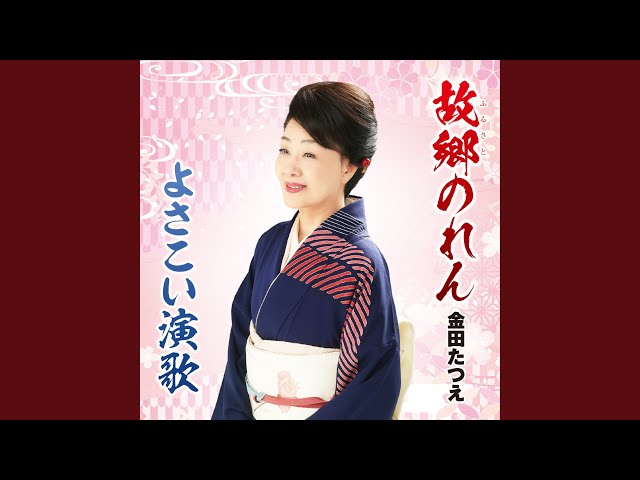
This is a local song in which Tatsue Kaneda—who took the world by storm with “Kagai no Haha”—sings the spirit of Tosa with passionate intensity.
Released in 2022, “Yosakoi Enka” is truly a song for Kochi, blending the driving energy of a festival with the distinctive pathos of enka.
Listen closely to the lyrics and you can almost picture a single-minded man, gazing out over the Pacific Ocean with pride in his hometown swelling in his chest.
Kaneda’s rich, folk-honed vocals align with the protagonist’s spirit and stir the listener’s soul.
Doesn’t it feel like a masterpiece you’ll want to hear again and again, distilling the heat of the Yosakoi Festival and the grandeur of Kochi’s natural beauty?
Tosa manKagami Goro

Veteran enka singer Goro Kagami’s “Tosa no Otoko,” released in 2009, is a quintessential local enka piece that vividly conjures up scenes of Kochi.
Phrases like “the moonlit Yosakoi at Katsurahama” and “holding a red camellia blossom” invite you into the beautiful landscapes of southern Tosa.
Above all, what stirs the heart is the rugged spirit of the Tosa man, belted out in the line “Let the spray and rough waves come crashing!” Kagami’s resonant voice and distinctive phrasing brilliantly embody that indomitable soul.
With pride in his homeland, he faces any hardship with guts.
Just by listening, you can feel the grandeur of Tosa’s nature and the passion of its people rushing into your heart—an empowering song brimming with strength.
Tokachi Autumn and WinterŌe Yutaka
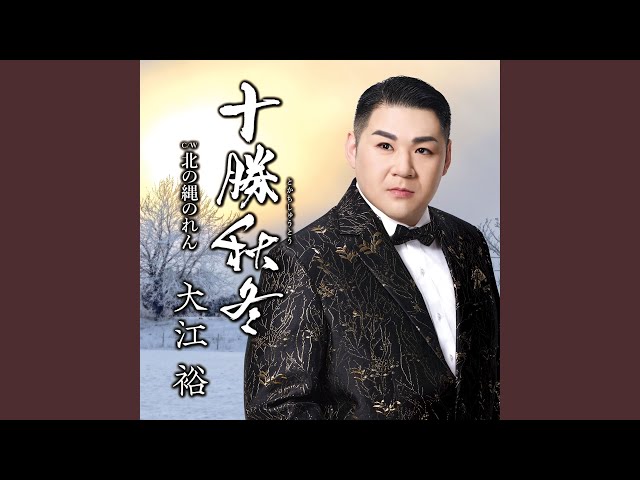
It’s a song that vividly evokes the sweeping scenery of Hokkaido’s Tokachi Plain as autumn turns to winter.
Released in July 2025, this track is the second installment in the Hokkaido series following “Hokkai Nagare Uta” from November 2024.
It’s a heartwarming piece that carefully portrays family bonds nurtured in harsh nature and a deep sense of gratitude toward one’s parents.
Hiroshi Oe’s warm yet powerful vocals add depth to the storytelling, truly moving listeners.
For those striving far from their hometown, it’s sure to stir feelings for their family.