

A classic enka masterpiece about one's hometown. A wonderful song that evokes thoughts of home.

Among the themes often sung in enka, there are quite a lot of songs about one’s hometown.
Some songs dwell on the family and friends left behind, while others convey a resolve like, “I can’t go back until I’ve made it!”—each carrying different emotions.
In this article, we’ll introduce a selection of classic enka songs written with thoughts of home.
If any of them resonates with your own experiences, it may become a truly special song for you.
Be sure to read the lyrics and listen closely.
- A roundup of regional enka songs: classic hits that feature places from all across Japan in their lyrics.
- Classic enka songs you’ll want to sing at karaoke: recommended popular tracks
- Cool masterpieces of enka, the heart of Japan
- Debut song of an enka singer
- [Hometown Songs] A curated selection of popular Japanese tracks that fill your heart with nostalgia
- Nostalgic enka. A collection of classic enka hits from the Showa era.
- An enka themed around heartbreak: a collection of masterpieces whose lyrics seep with lingering regrets
- Women’s Enka: A collection of classic enka songs expressing women’s emotions
- An enka song about the Sea of Japan. A collection of famous songs themed around the great ocean.
- [For Women] A roundup of enka songs that can score high in karaoke
- [2026] Enka Spring Songs to Savor: A Collection of Classic Enka That Evokes the Japanese Spring
- [For Beginners] Recommended Enka Masterpieces for Karaoke — Male Singers Edition
- [2026] Representative Famous Enka Songs: A Compilation of Classic Favorites [Beginner-Friendly]
A classic enka masterpiece about one's hometown. A lovely song that evokes thoughts of home (21–30).
Amagi YearningMikado Tadaji

A veteran of classic enka, Tadashi Mikado delivers a richly emotive performance in this travel-themed enka set in Izu.
From the very beginning, you’re gripped by a melancholy yet beautiful melody that evokes the Amagi road at the end of autumn.
The bittersweet feelings of wandering alone through Izu with a lost love in one’s heart perfectly match Mikado’s deeply resonant vocals.
The Japanese timbres reminiscent of koto and shakuhachi vividly paint scenes of a hot spring town veiled in light rain and a wind-swept mountain pass, drawing listeners into the story’s world.
It’s a masterpiece that leaves you steeped in a lyrical afterglow, as if you’ve just watched a short film.
Izu ShowerKitagawa Yūji
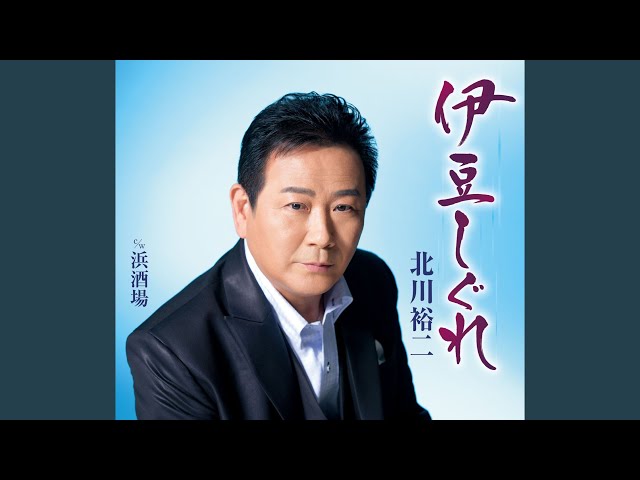
A wistful song beautifully rendered with deep emotion by veteran enka singer Yuji Kitagawa.
Released in 2018, this piece is a lyrical enka number where the rain-veiled scenery of Izu intersects with a helpless yearning for love.
As the gentle intro begins, it feels as if a cold autumn drizzle, a shigure, is pouring into your heart.
Perhaps it is a journey retracing memories of a love that has passed.
Kitagawa’s rich, warm voice blends exquisitely with the imagery of the Amagi mountains and the lonely coastline, tightening the listener’s chest.
Many will likely see themselves in the protagonist who, burdened by heartbreak, wanders alone through Izu.
A classic enka masterpiece about one’s hometown. A wonderful song that evokes memories of home (31–40)
Would you like some Noto?Sakamoto Fuyumi

This is one of Fuyumi Sakamoto’s signature songs, evoking scenes of sharing drinks while reminiscing about one’s hometown.
The lyrics depict the sights and everyday life of Noto, imbued with a deep affection for one’s roots and a poignant yet passionate longing to return.
It’s remarkable how this warm worldview, combined with Sakamoto’s powerful yet embracing vocals, stirs a sense of nostalgia in listeners.
Released in May 1990 as her seventh single, the song won the Wire Music Award at the 23rd Japan Cable Radio Awards.
Its popularity is also evident from her performance of it at that year’s 41st NHK Kōhaku Uta Gassen.
For those striving away from home, hearing it may bring back memories of familiar landscapes and cherished loved ones.
Echizen Capekawanaka miyuki

Miyuki Kawanaka is a highly accomplished singer who has brought numerous enka songs to the world.
Her 1980 release “Futarizake” is well known.
Her song “Echizen Misaki,” released on August 5, 1982, is a masterpiece that sings of a poignant love.
In this piece, Kawanaka expresses her profound feelings for a beloved far away with a powerful voice.
The lyrics delicately portray the sorrow of unfulfilled feelings and unwavering love, deeply moving listeners.
It is a recommended song for anyone with a straightforward, earnest love, and a work that showcases Kawanaka’s exceptional expressive power.
Tsugaru Love WomanNiinuma Kenji

Kenji Niinuma made his debut in 1976 with “Omoide Misaki” and has produced many hit songs.
Among them, “Tsugaru Koiyo,” released on February 21, 1987, is known as his signature song, vividly portraying the nature of Tsugaru and the emotions of the people who live there.
The song delicately sings of wintry, heartrending scenery and a woman living for love, resonating deeply with listeners.
With its blend of poignancy and beauty, this work is recommended not only for enka fans but for a wide range of music listeners.
In particular, those interested in Japanese nature and culture, or anyone who wants to forget daily life and immerse themselves in a wistful mood, will be able to fully appreciate its charm.
Woman of TakayamaŌe Yutaka

A gem of a song by Hiroshi Oe that invites you into the richly emotional world of enka.
Released in February 2024, this piece is set in Takayama, Gifu Prefecture, beautifully portraying festival scenes and a heartrending love.
The stunning landscapes of the Hida region and a fleeting romance with a woman met on a journey unfold throughout the song.
Feelings swaying in the night breeze and the deep emotions beneath the lights of festival stalls strike a chord.
Perfect for commemorating Oe’s 15th anniversary, it’s a masterpiece where Japanese tradition and contemporary sensibility blend seamlessly.
With vocals that resonate in the heart and lyrics brimming with emotion, listeners will sense a love that anyone can relate to.
Kunisaki PeninsulaKitajima Saburō

This is a song set in Oita Prefecture, powerfully performed by Saburo Kitajima, a giant of the enka world.
Against the backdrop of the Kunisaki Peninsula—where the syncretic culture of Shinto and Buddhism still thrives—it passionately sings of the burning homesickness felt by those far from their hometown, and of tender yearning for a beloved mother.
The fact that Kitajima himself wrote both the lyrics and the music under his own pen name conveys his exceptional affection for the piece.
If you lend an ear to his majestic voice, you may feel the wind of Kunisaki and the scent of the sea reaching your heart.
It’s a song that will likely strike a chord with anyone who has a place to call home.