

A classic enka masterpiece about one's hometown. A wonderful song that evokes thoughts of home.

Among the themes often sung in enka, there are quite a lot of songs about one’s hometown.
Some songs dwell on the family and friends left behind, while others convey a resolve like, “I can’t go back until I’ve made it!”—each carrying different emotions.
In this article, we’ll introduce a selection of classic enka songs written with thoughts of home.
If any of them resonates with your own experiences, it may become a truly special song for you.
Be sure to read the lyrics and listen closely.
- A roundup of regional enka songs: classic hits that feature places from all across Japan in their lyrics.
- Classic enka songs you’ll want to sing at karaoke: recommended popular tracks
- Cool masterpieces of enka, the heart of Japan
- Debut song of an enka singer
- [Hometown Songs] A curated selection of popular Japanese tracks that fill your heart with nostalgia
- Nostalgic enka. A collection of classic enka hits from the Showa era.
- An enka themed around heartbreak: a collection of masterpieces whose lyrics seep with lingering regrets
- Women’s Enka: A collection of classic enka songs expressing women’s emotions
- An enka song about the Sea of Japan. A collection of famous songs themed around the great ocean.
- [For Women] A roundup of enka songs that can score high in karaoke
- [2026] Enka Spring Songs to Savor: A Collection of Classic Enka That Evokes the Japanese Spring
- [For Beginners] Recommended Enka Masterpieces for Karaoke — Male Singers Edition
- [2026] Representative Famous Enka Songs: A Compilation of Classic Favorites [Beginner-Friendly]
A famous enka classic about one’s hometown. A wonderful song that evokes memories of home (11–20)
I long for Southern HokkaidoKoyama Yudai

How about an inspiring number that stirs a burning longing for your hometown? It’s the debut single by Yudai Koyama, known as the “Magic Voice,” released in April 2024.
The song powerfully celebrates the landscapes of his hometown—such as Noboribetsu and Esashi—and the bonds with family.
Close your eyes and you can picture the Sea of Japan and snowy scenes that awaken a deep nostalgia in listeners.
Sing it at karaoke with friends who share that love for home, and it’s sure to resonate deeply in everyone’s hearts.
OkkanoyosareHanakyōin Shinobu

This is a nostalgic enka song that poignantly conveys the heartache of thinking about a mother living away from her hometown.
It’s a single released in August 2025 by enka singer Shinobu Kakyoin, her first in about eight years.
The composition is by Akito Shikata and the lyrics by Kyosuke Kuni, and their warm melody and lyrical worldview gently permeate the listener’s heart.
Please take your time listening while reflecting on your hometown and your beloved family.
Shima PeninsulaToba Ichirō

A locally rooted enka that rises with the scent of the tide and the shimmer of pearl rafts.
Born and raised by the sea, Ichiro Toba’s voice vividly portrays Wagu, Oshima, Maehama Fishing Port, and the “Shiokake Festival,” powerfully conveying pride and human warmth.
The weight of someone from Toba City in Mie Prefecture with experience in deep-sea fishing resonates, letting you feel, almost on your skin, the heat of the port’s labor and festivities.
In some years the event draws around 10,000 visitors, and there is a monument inscribed with the song at Shima Fureai Park.
Released as a single in August 2001, with lyrics by Ryuichi Satomura, composition by Katsuhiko Miki, and arrangement by Masakane Tsuta.
It was included on the October 2001 album “Ichiro Toba: Complete Collection,” and later on the album “Kono Michi.” The B-side is “Daio no Shippu” (Gale of Daio).
It was performed at the 52nd NHK Kohaku Uta Gassen in 2001.
This track is recommended for coastal drives or nights when you’re thinking of your hometown.
Its surging rhythm stirs your memories.
Shiranui Love TaleYashiro Aki

This is a song by Aki Yashiro that passionately sings about her hometown of Kumamoto.
Released as a single in March 2005, it is set in the Land of Fire and portrays a woman’s helpless feelings as she clings to an unforgettable lover while longing to return to her hometown, “Shiranui.” Yashiro’s richly expressive vocals and the warm Kumamoto dialect woven into the lyrics deeply resonate with listeners.
The song later became the title track of the best-of album “Aki Yashiro Complete Collection: Shiranui Jowa,” and is one of her signature pieces.
It gently speaks to those who carry a yearning for their hometown or a bittersweet, unrequited love.
From my daughter who married and moved to EhimeOda Junpei

Sung by Junpei Oda, an artist with the soul of folk and enka, this is a heartwarming message song from a daughter who married into Ehime to her parents.
The “Iyo-bushi” and “Kira Kira Ferry” that appear in the lyrics are like picture postcards capturing the gentle scenery of the Seto Inland Sea.
Beneath the unadorned words, you can feel the daughter’s deep love and her wish to put her parents at ease.
Oda’s warm yet wistful voice—seasoned by a life that understands its subtleties—overlaps with the heroine’s earnest heart, gently stirring the listener’s sense of nostalgia.
It’s a song that softly embraces those who long for their hometown.
The Wind of TsukubaMizuki Natsumi
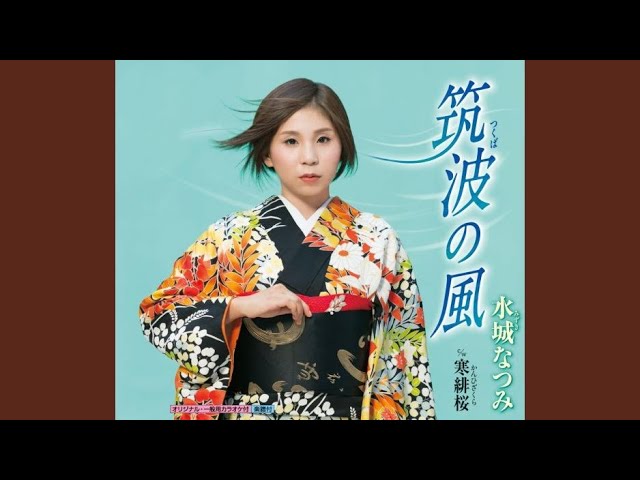
This is a classic enka number overflowing with hometown pride by Natsumi Mizuki, known as an enka singer from Tsukuba City in Ibaraki Prefecture.
Her slightly wistful voice blends beautifully with the scenery of her hometown.
The line repeated at the beginning of the lyrics is especially striking; it likens the harsh winter wind to a nurturing parent, suggesting it as the source of her inner strength as she pursues her dreams.
With Ibaraki’s landscapes—such as Mount Tsukuba and the Kinugawa River—as the backdrop, you can picture a protagonist living with unwavering resolve.
It’s a song filled with pride and gratitude for her hometown, one that’s sure to stir the hearts of Ibaraki residents.
A classic enka masterpiece about one's hometown. A lovely song that evokes thoughts of home (21–30).
Matsuyama AirportHikawa Kiyoshi

Kiyoshi Hikawa, who shines beyond the boundaries of traditional enka, delivers a lyrical enka piece with Matsuyama Airport, set at the gateway to Ehime.
Carried by a wistful melody, the song portrays the protagonist’s aching feelings as they head to Matsuyama on the last flight from Haneda.
The emotionally rich lyrics seem to weave together lingering attachment to a love that ended in the city and a deep nostalgia for home.
Hikawa’s delicate, expressive vocals vividly depict both the Seto Inland Sea’s nightscape and the protagonist’s wavering heart.
It’s a song that gently embraces not only those from Ehime, but anyone living away from their hometown.