

[Piano Duets] Guaranteed to get the crowd excited! A roundup of recommended pieces

Piano duet is when two people sit side by side at the piano and, breathing together, perform with four hands.
With duets, you can enjoy a depth and opulence of sound that’s different from solo playing.
Another major attraction is the joy of ensemble—two people creating a single performance together.
This time, we’ve picked out guaranteed crowd-pleasing recommendations from among piano duet pieces!
We’ve gathered cool works that will captivate both players and listeners, so please enjoy to the end!
- [Intermediate] Recommended Piano Duets | A Curated Selection of Cool and Dazzling Pieces
- [Piano Duets] Perfect for recitals! A carefully curated selection of brilliant, crowd-pleasing works
- [Advanced] Piano Duet Works | Exquisite Masterpieces to Savor the Rich, Weighty Sonorities of Four Hands
- [Beginner] Recommended Piano Duets | A curated selection of pieces enjoyable for both adults and children
- [For Beginners] Enjoy Parent-Child Piano Duets! Recommended Songs Introduced
- [Piano Duet × J-POP] A showcase of insanely cool piano duet arrangements all at once
- [Intermediate Level] A curated selection of piano masterpieces featuring strikingly brilliant melodies!
- [Advanced] Super cool if you can play it! Selection of famous piano pieces
- [Piano Recital] Recommended for Boys! A Curated Selection of Cool, Impressive, and Popular Pieces
- [For Elementary School Students] Brilliant, Showy Masterpieces That Sound Impressive at Piano Recitals
- [Popular Piano] Capture the Audience’s Attention! Recommended Pop Songs That Shine at Piano Recitals
- [For Adults] Recommended for Piano Recitals! A Curated Selection of Impressively Sounding Masterpieces
- Piano Masterpieces: Surprisingly Easy Despite Sounding Difficult!? A Curated Selection Perfect for Recitals
[Piano Duets] Guaranteed to Get the Crowd Going! A Roundup of Recommended Pieces (51–60)
Slavonic Dance No. 8Antonin Dvořák

Are you looking for a classical piano duet piece for a recital? Antonín Dvořák’s Slavonic Dance No.
8, Op.
46-8, originally composed for piano four hands, is highly recommended.
From its intensely passionate introduction to its brilliant, driving dance melody, it captivates listeners.
The ensemble can feel like it might fall apart unless the duo breathes as one, so practice is essential to keep both players steady.
The music unfolds at a whirlwind pace, so be sure to maintain the tempo and not fall behind.
Pieces like this tend to rush, so take care not to egg each other on.
Although there is an orchestral version, the original is for piano duet, making it an excellent choice for those who want to perform or are searching for original piano four-hands repertoire in classical music.

Suite ‘The Nutcracker,’ Op. 71a – TrepakPyotr Tchaikovsky
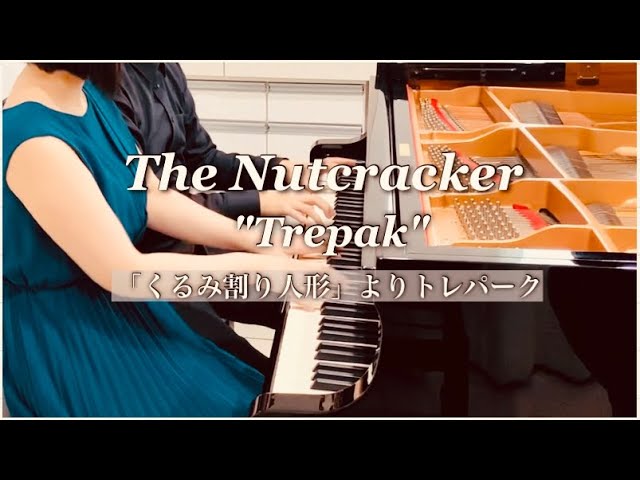
How about the suite The Nutcracker by Pyotr Tchaikovsky? This piece comes from the ballet The Nutcracker.
While the original is known as an orchestral work, there are also scores arranged for piano four hands.
Among those, a particularly popular and dazzling selection is the Russian Dance, or Trepak.
Some people associate it with the movie Home Alone, but the piece used in the film is a different work composed very much in a similar vein with a similar character.
From the very beginning, the music bursts with a lively melody and a sense of drive.
Thanks to its brilliant, joyful character, it’s an excellent recommendation as a duet piece for a recital.
Czardas for Four HandsTabuchi Saeko

The piece known as Czardas for Four Hands is often considered for advanced players.
It’s frequently performed not only as a piano solo or duet, but also on instruments like the violin.
The key to this work is high-speed legato.
In duets, we tend to focus too much on the fingers, but in this piece the feet are even more important than the fingers.
Practice pedal technique that connects sounds while letting them ring, and for the accompaniment part, drill a rock-solid sense of rhythm.
It’s a crowd-pleasing piece that also builds valuable experience, so be sure to check it out.

typhoon→Pia-no-jaC

This piece is by the duo →Pia-no-jaC←, featuring HAYATO on piano and HIRO on the cajón, a percussion instrument originating in Peru.
The original is written for piano and cajón, but sheet music for piano four-hands aimed at intermediate to advanced players is also available.
With its stylish, contemporary vibe, it’s sure to hook you once you play it! In addition to clearly articulating the lively rhythms, be sure to breathe together and align your timing perfectly in sections where the tempo changes or the dynamics shift abruptly.

[Piano Duets] Guaranteed to Get Excited! A Roundup of Recommended Pieces (61–70)
Quintet Theme ‘Evening Quintet’Miyagawa Akira

This is a popular theme song that aired as the opening theme of NHK Educational TV’s music appreciation program from April 2003 to March 2013.
Its bright, lively rhythm and approachable melodic line are memorable, as are the unique lyrics that rhythmically weave in the Japanese syllabary.
The lyrics also change with each of the four seasons, artfully depicting scenes at dusk.
In December 2005, the work won the top prize in the Children and Youth Programs category at the 42nd ABU (Asia-Pacific Broadcasting Union) General Assembly held in Hanoi, Vietnam.
Loved as a piece parents and children can enjoy performing together, it is also a popular choice for piano duets.
typewriterLeroy Anderson

If you’re looking for a cheerful and amusing four-hand duet for intermediate players, how about The Typewriter by the American composer Leroy Anderson? A “typewriter” is a machine that predates word processors and modern computers, which prints letters on paper by striking type against it.
This piece cleverly treats the typing sounds—what we’d now associate with computer keyboard clicks—as percussion and incorporates them into the music.
Because the tempo is fast and there are many rapid runs, it’s a good idea to assign the more virtuosic passages with fast runs to the advanced player, and the lower accompaniment part to the intermediate player, and practice accordingly.
As you improve, you can switch parts; if that’s difficult, the advanced player can support the intermediate player.
It’s a delightful piece and perfect for an encore!
Sword DanceAram Khachaturian

A highly faithful, cool, and recommended piece for four-hand piano is “Sabre Dance,” used in the final act of Aram Khachaturian’s 1942 ballet Gayane.
The opening timpani and off-beat strings, followed by the xylophone’s exhilarating, fast-paced melody, are impressively recreated in piano duet form.
While there are solo piano arrangements, dividing the melody and accompaniment between two players achieves a much higher level of fidelity than a single performer can.
Although there are technically demanding passages for the performers, the cross-handed playing showcases the essence of duet performance, making it visually engaging as well as musically captivating for listeners.