

Fado masterpieces. Recommended popular songs.

Fado, the folk music of Portugal.
I’ve heard that in Portuguese, fado means “fate” or “destiny.”
The nostalgic plucking of the gut-string guitar contrasted with the heartrending, sobbing melodies of the vocals is dramatic.
Truly, the music of “fate”!
- Fado masterpieces. Recommended popular songs.
- Polka masterpieces. Recommended popular songs.
- Choosing Hula Dance Songs: Timeless Classics that Evoke Hawaii’s Healing Spirit and Culture
- Flamenco masterpieces. Recommended popular songs.
- [Western Music] Bluegrass masterpieces: recommended popular and signature songs
- [Tango] Famous Tango Songs: Recommended Popular Tracks
- Also great as café music! Introducing famous tunes to savor the charm of musette
- [Celtic Music] Masterpieces of Celtic music. Recommended Irish music
- A roundup of great masterpieces and popular songs of Brazilian music
- Masterpieces and history of folklore: An introduction to traditional music of the South American Andes
- [2026] Popular MPB Songs: From Classics to Recent Hits!
- Tear-jerking, moving songs in Western music
- [English Folk Song] A collection of classic British trad masterpieces
Fado Masterpieces: Recommended Popular Songs (11–20)
Os PutosCarlos do Carmo
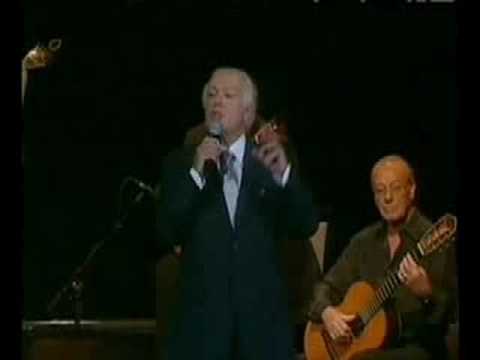
Carlos do Carmo, who opened up new horizons for Portugal’s national music, fado, by incorporating elements of orchestra and jazz.
The work he released in 1978 conjures warm yet faintly wistful scenes, as if leafing through an old picture book.
Centered on the simple everyday lives of children, this piece seamlessly blends his gently enveloping vocals with rich, delicate orchestration.
Released as a single and also included on that year’s album “Dez Fados Vividos,” it has long been cherished by many fado fans.
When you want to feel a quiet warmth that nestles close to your heart amid busy days, be sure to give it a listen.
Dona do meu narizMaria Emília

Fadista Maria Emília, born in Brazil and whose talent blossomed in Portugal.
Set for release in February 2025, this approximately 3-minute-29-second work rides on serene string tones, richly singing of a poised figure who stays true to her own will.
The lyrics and composition by Joana Espadinha beautifully fuse the traditional resonance of fado with a contemporary message, leaving a deep impression on listeners.
It’s a track that hints at a new horizon in expression for her, who also received high acclaim for the album “Casa de Fado.” This song will keep close company with those seeking an introspective moment or a quiet source of strength.
Pouco TempoAna Laíns

Ana Laíns, a Portuguese singer known as the “colorful diva,” began her professional career after winning one of Portugal’s largest fado competitions in 1999.
While rooted in traditional fado, her captivating style flexibly incorporates elements of jazz and world music.
The gem of a song we’re introducing is featured on her landmark debut album, Sentidos.
In it, the poignancy of feelings that cannot be fully conveyed within limited time—and the unique, aching emotion of fado—are expressed with deep sensitivity.
With the addition of cello and accordion, new hues are woven into the traditional sound.
This piece appears on the album Sentidos, released in July 2006, marking the opening chapter of her musical world.
When you want to quietly immerse yourself in feelings beyond words, or on a night when you long to feel the Portuguese saudade, why not listen closely?
Leva-me aos FadosAna Moura

Ana Moura is a fado singer from Portugal with roots in African music.
She skillfully weaves elements of jazz and pop into traditional fado, earning worldwide acclaim.
Released in November 2009, this single vividly conveys fado’s inherent emotions of “fate” and “sorrow” through Moura’s passionate, sensuous low voice.
It blends beautifully with the plaintive melodies of the Portuguese guitar, creating a track that stirs the listener’s soul.
The album featuring this work, Leva-me aos Fados, was certified platinum in Portugal, and in May 2010 she won Best Individual Performer at the Portuguese Golden Globes.
It’s a song that will quietly accompany you when you want to feel a foreign night breeze or seek a voice that resonates deep within your heart.
Escrevi Teu Nome No VentoCarminho

Carminho is a distinguished fado singer from Portugal.
Born into a musical family, she has carried fado in her soul since childhood.
This track from her debut album “Fado,” released in May 2009, draws on the traditional style of “Fado Carriche,” intertwining her soul-stirring, emotionally rich voice with the delicate tones of the Portuguese guitar to exquisite effect.
The work was highly acclaimed, earning platinum certification in Portugal despite being a debut.
It is a gem for anyone who longs to be enveloped by a poignant melody and voice that tug at the heartstrings, and for all who wish to experience authentic fado.
Teus Olhos nos MeusTeresinha Landeiro

Teresinha Landeiro has emerged on Portugal’s fado scene.
Enchanted at age 11 by the songs of the great Ana Moura, she began her musical career in 2008 and is a richly talented singer.
This work, with lyrics she penned herself, presses upon the heart with an urgency that feels like peering into the depths of the soul.
Characterized by a style that pursues a more introspective theme—what she calls “Fado Perseguição”—it pairs the wistful melodies of the Portuguese guitar with her soul-stirring voice to move listeners profoundly.
Released in June 2018, the song was also included on her milestone debut album, Namoro.
Lend it your ear when you want to cherish time alone, or on nights when you wish to quietly immerse yourself in thoughts of someone special.
Fado masterpieces: Recommended popular songs (21–30)
NaufrágioNaomi Chiaki

There’s no one else among Japanese artists who can sing fado with such aching poignancy.
Chiaki Naomi’s rendition of “Muteki” is a towering masterpiece—brimming with emotion and as powerful as performances by singers from Portugal itself.
A fado you can listen to in Japanese is a wonderful thing.