


Fado masterpieces. Recommended popular songs.

Fado, the folk music of Portugal.
I’ve heard that in Portuguese, fado means “fate” or “destiny.”
The nostalgic plucking of the gut-string guitar contrasted with the heartrending, sobbing melodies of the vocals is dramatic.
Truly, the music of “fate”!
Fado masterpieces. Recommended popular songs (1–10)
Não Queiras Saber de MimRui Veloso e Mariza
Introducing a gem of a duet where the soul of Portugal intersects.
This song, woven by talents from different genres—Rui Veloso, the “father of Portuguese rock,” and the world-renowned fado singer Mariza—rides on the warm tones of acoustic guitar to portray emotions that are both aching and powerful.
The title, “Don’t Try to Know Me,” suggests a hidden sentiment that will strike a chord with listeners.
An inspiring live performance of this piece is included on Rui Veloso’s live album Ao Vivo no Pavilhão Atlântico, released in December 2009.
It’s a perfect track for those who want to explore the depth of Portuguese music or for a quiet night immersed in richly emotional sounds.
Sei De Um Rio [Official Music Video]Camané
![Sei De Um Rio [Official Music Video]Camané](https://i.ytimg.com/vi/pJouVU0jlH0/sddefault.jpg)
The cool, orthodox romantic-style fado singer currently active is Camane.
Born in Oeiras in 1967, he is a vocalist who began his professional career and started making albums after winning a fado contest in 1979.
Povo que lavas no RioAmália

When it comes to the essence of fado, isn’t it, after all, the female vocals that sing with heartbreaking, enka-like emotion? Amália Rodrigues was a singer and actress who represented Portugal and was once called the “Queen of Fado.” Although she has already passed away, her popularity among people has never waned.
Vieste do Fim do MundoGisela João

This song is a poignant masterpiece filled with melancholy, and it has been passed down by many fado singers.
Gisela João’s deeply expressive vocals blend beautifully with the sounds of the Portuguese guitar and viola.
The performance by the skater couple that appears in the video is also a nice touch.
Oiça Lá ó Senhor VinhoMariza
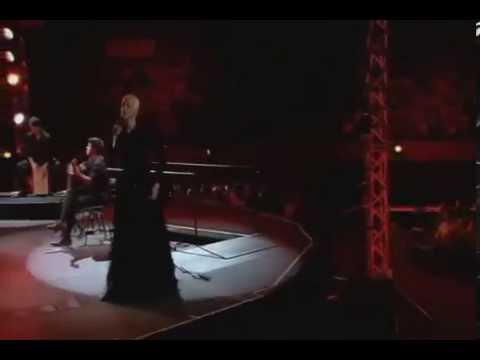
This is Mariza, a singer from Mozambique in Africa.
Her tall stature and small, striking face leave an unforgettable impression.
Mozambique was once a Portuguese colony.
Even today, as a remnant of that history, many people travel back and forth between Africa and Portugal.
Uma casa portuguesaAmália Rodrigues

Amália Rodrigues, the “Queen of Fado” whom Portugal proudly claims.
One of her gem-like songs gently portrays the warm air that fills Portuguese homes and the rhythms of everyday life, awakening nostalgic scenes in the listener’s heart.
While imbued with the distinctive melancholy of fado, it is marked by a tender, nurturing warmth in its melody.
Amália’s crystalline voice blends beautifully with the refined strains of the Portuguese guitar, drawing listeners into a nostalgic world.
The piece was released as a single in 1953 and was included the following year on the album “Amália Rodrigues Sings Fado From Portugal, Flamenco From Spain.” Her performance of the song also appears on the live album “Amália à l’Olympia,” recorded at Paris’s Olympia in 1956.
It is perfect for moments when you want to find calm, or for evenings spent dreaming of distant cultures.
E Às Vezes Dou Por MimCristina Branco

It’s a delightful track where her sweet vocals ride a melody that blends classical fado with a modern freshness.
Watching this video, which features her and the band members, gives you a vivid, live-concert feel.