

Tear-jerking songs recommended for women in their 50s: classic and popular Japanese hits


Every listener has their own memories and personal connections to musical works.
This time, we’ve put together a selection of “tear-jerker” songs that are likely to be especially memorable for women in their 50s.
The focus is on hit songs from the 1980s to the 1990s and the popular ballads of the time.
As you read this article, we hope it helps you recall your own “good old days,” and that just hearing a melody or a line of lyrics will instantly bring back the atmosphere of that nostalgic era—letting you feel the power of music.
- Favorite Songs for Women in Their 50s: A Curated Selection of Sweet and Bittersweet Love Ballads!
- Energizing songs recommended for women in their 50s
- Tear-jerking songs recommended for men in their 50s: classic and popular Japanese hits
- Famous songs we’d like women in their 50s to sing (by age group)
- Tear-jerking songs recommended for women in their 40s: classic and popular Japanese tracks
- Recommended breakup songs for women in their 50s: classic and popular Japanese tracks
- Popular Japanese songs among women in their 50s: recommended classics and staple tracks
- [Tearjerker] Songs that make your heart tremble with tears & moving tracks with lyrics that touch the soul
- Good songs recommended for people in their 50s: classic and popular J-pop tracks.
- [So touching it makes you cry] A heartbreakingly wistful and sad song that tightens your chest
- Tear-jerking songs recommended for men in their 60s: classic and popular Japanese hits
- Tear-jerking J-pop from the ’90s. Hit songs and real tearjerkers.
- Recommended for the Yutori generation! Tear-jerking masterpieces from the J-pop scene
Tear-jerking songs recommended for women in their 50s: Classic and popular Japanese tracks (71–80)
Wine Red Heartanzenchitai

A gem of a love song that portrays an adult romance where reason and instinct intersect.
Its melody, passionate yet tinged with a certain fragility, and Koji Tamaki’s sweet, aching vocals resonate deeply.
When we look back on the loves of our past, perhaps the memories of forbidden romances we all may have experienced will vividly return.
Released in November 1983, this track became Anzen Chitai’s first number-one hit on the Oricon charts.
It also drew major attention as the image song for Suntory Akadama Punch’s commercial and as the theme song for the drama “Machigai Darake no Otto Erabi” (“Choosing the Wrong Husband”).
I recommend this piece to those who have experienced profound love that touches on the subtleties of life, or to anyone who wishes to convey long-slumbering feelings in their heart to someone special.
I can’t stop this sadnessAnri
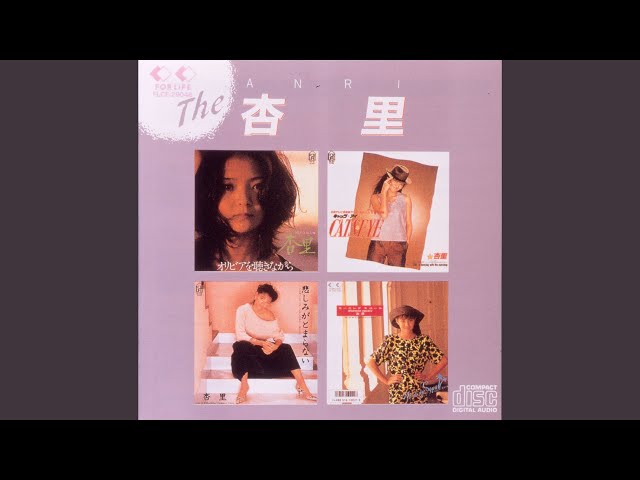
A gem of a love song by Anri that conveys the poignant emotions of a woman whose boyfriend has been taken by her best friend, expressed through an urbane melody and sophisticated arrangement.
With her warm vocal timbre and graceful singing, your heart aches for the heroine who loses both her lover and her friend at once.
Released in November 1983, the song was issued as an advance single from the album “Timely!!” and reached No.
4 on the Oricon weekly chart.
Bolstered by its tie-in with a Shiseido commercial, it generated a huge response.
It’s a song that stays close to your heart when you want to heal the pain of a breakup—something everyone experiences at least once—while reflecting the complicated feelings stirred by the evolving relationship between friend and lover.
Even though it’s springKashiwabara Yoshie

A classic by Yoshie Kashiwabara that portrays a farewell with a loved one on graduation day, set to a gentle melody and wistful lyrics.
Written and composed by singer-songwriter Miyuki Nakajima, it won the Gold Prize at the 25th Japan Record Awards in 1983, the year it was released.
The memorable phrase repeated in the chorus beautifully captures the bittersweet feeling of parting during a season of new beginnings, resonating with many listeners.
The piano- and strings-centered arrangement further enhances its emotive world.
For many, it remains etched in the heart alongside memories of graduation season.
A gem of a ballad with timeless appeal that lingers in the heart, together with cherished memories of youth.
rainMoritaka Chisato

A heart-stirring ballad by Chisato Moritaka, where the poignancy of heartbreak overlaps beautifully with rainy scenery.
Since its release in September 1990, this song has marked a turning point as she evolved toward a more artist-driven direction.
The delicate vocals weave a story of unrequited love, vividly portraying the complex emotions of a woman parting with her lover in the rain.
Released by Warner-Pioneer, the track reached No.
2 on the Oricon charts.
It’s the perfect accompaniment for quiet moments—when you want to empathize with the ache of love, on a gently rainy afternoon, or during a nighttime drive to sort out your thoughts.
romantic feelingsAikawa Nanase
Nanase Aikawa’s powerful vocals brilliantly capture this classic song woven with bittersweet longing and anxious emotion.
While looking back on happy memories of the past, the protagonist’s confusion about their current relationship is beautifully depicted through evocative imagery like the sound of waves and the darkness of night.
Released in October 1996, the song was featured in a Camelia Diamond commercial and became a major hit, reaching No.
2 on the Oricon chart and selling a total of 1.129 million copies.
Its innovative sound—bringing elements of folklore into J-pop—also drew attention, and it continues to be cherished by many as one of Nanase Aikawa’s signature tracks.
It’s a song you’ll want to listen to when you can’t move on from heartbreak or when you’re struggling with a relationship with someone important to you.
I’m sorryTakahashi Mariko
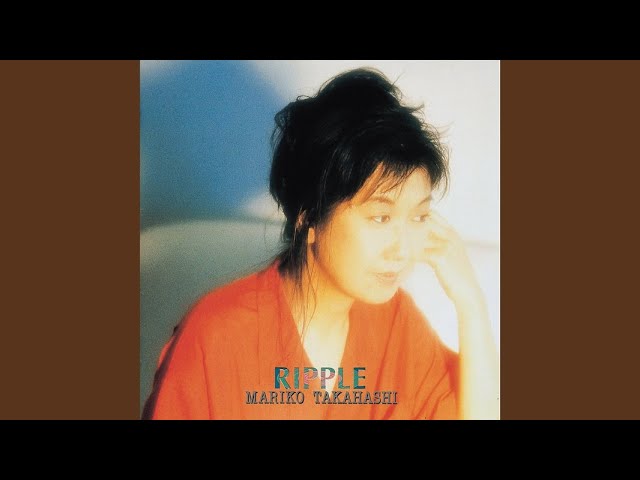
A song depicting a heartrending farewell and lingering regret, released in May 1996 by Mariko Takahashi as the theme for Tuesday Suspense Theater.
With a clear, translucent voice, it poignantly conveys the feelings of a woman who has hurt someone precious and committed an irreparable mistake.
The portrayal of regret over romantic missteps, the plea for forgiveness, and the earnest love for someone dear is deeply moving.
It is a piece that offers profound empathy to those struggling with relationships or who have experienced a painful parting.
A masterpiece that everyone who has known heartbreak or separation should hear.
After you passed byTHE ALFEE

This is The Alfee’s 26th single, released in March 1987.
It was produced as the theme song for Toho-distributed animated film “Touch 3: After You Passed By.” Toshihiko Takamizawa takes the lead vocals on this track, and his clear, high voice combined with the symphonic arrangement creates a very beautiful ballad.
The anime film “Touch 3,” for which this song serves as the theme, was also a major hit, so I’m sure there are many people who feel a strong attachment to it.
I hope you enjoy it.
