

Tear-jerking songs recommended for women in their 50s: classic and popular Japanese hits


Every listener has their own memories and personal connections to musical works.
This time, we’ve put together a selection of “tear-jerker” songs that are likely to be especially memorable for women in their 50s.
The focus is on hit songs from the 1980s to the 1990s and the popular ballads of the time.
As you read this article, we hope it helps you recall your own “good old days,” and that just hearing a melody or a line of lyrics will instantly bring back the atmosphere of that nostalgic era—letting you feel the power of music.
- Favorite Songs for Women in Their 50s: A Curated Selection of Sweet and Bittersweet Love Ballads!
- Energizing songs recommended for women in their 50s
- Tear-jerking songs recommended for men in their 50s: classic and popular Japanese hits
- Famous songs we’d like women in their 50s to sing (by age group)
- Tear-jerking songs recommended for women in their 40s: classic and popular Japanese tracks
- Recommended breakup songs for women in their 50s: classic and popular Japanese tracks
- Popular Japanese songs among women in their 50s: recommended classics and staple tracks
- [Tearjerker] Songs that make your heart tremble with tears & moving tracks with lyrics that touch the soul
- Good songs recommended for people in their 50s: classic and popular J-pop tracks.
- [So touching it makes you cry] A heartbreakingly wistful and sad song that tightens your chest
- Tear-jerking songs recommended for men in their 60s: classic and popular Japanese hits
- Tear-jerking J-pop from the ’90s. Hit songs and real tearjerkers.
- Recommended for the Yutori generation! Tear-jerking masterpieces from the J-pop scene
Tear-Jerking Songs Recommended for Women in Their 50s: Classic and Popular Japanese Tracks (41–50)
Love will winKAN

KAN’s biggest hit, released in 1990.
It was used as the theme song for Fuji TV’s “Hochan’s Yamada Katsutenai Television.” A straightforward, hard-hitting yet heart-tugging classic that captures the upbeat, high-energy vibe of the era and can even move you to tears.
Give me a slow boogieMinami Yoshitaka

The theme song of the film of the same name released in 1981.
It’s a love song packed with the aesthetics of Showa-era manliness.
When you listen to this gently sung piano rock ballad, many women might find themselves remembering the man they loved back then and shedding a quiet tear.
Love stories happen suddenlyOda Kazumasa

A song by singer-songwriter Kazumasa Oda, produced as the theme for the smash-hit TV drama Tokyo Love Story.
From the instantly recognizable guitar cutting at the very start—“Ah, that song!”—to the fresh, expansive intro and the chorus delivered in Oda’s clear, crystalline voice, it’s packed with elements that amplify the drama’s emotional lift.
Even generations unfamiliar with the show have likely heard it; it’s a masterpiece that stands as a landmark in Japanese music history.

I won’t fall in love anymore.Makihara Noriyuki
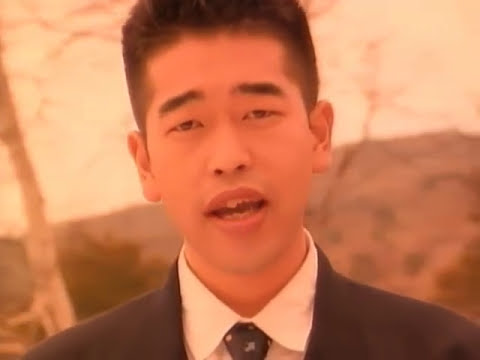
This is a single released in 1992.
It’s a timeless classic that continues to move people across generations.
Personally, I get a little choked up just from hearing the intro—how about you? The emptiness you feel when you lose something that was always supposed to be right there by your side, or someone who was supposed to be with you…
His lyrical world truly commands respect.
One more time,One more chanceYamazaki Masayoshi

Isn’t Masayoshi Yamazaki’s early signature song, the wistful acoustic guitar ballad “One more time, One more chance,” a quintessential tearjerker? It’s a masterpiece among breakup songs, pouring with lingering feelings for a former lover and a desperate plea to see them again.
SAY YESCHAGE and ASKA
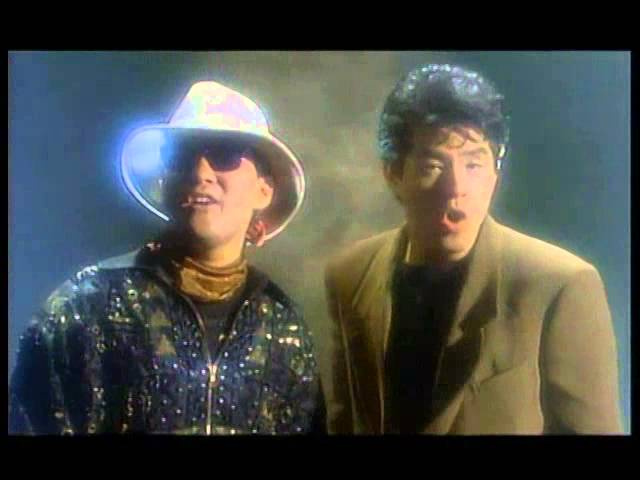
A song by the musical duo CHAGE and ASKA, used as the theme for the quintessential 1990s “trendy drama” and massive hit, The 101st Proposal.
It’s a track packed with highlights, including a beautiful piano-featured intro and layered harmonies that showcase the duo’s trademark distinctive vocals.
The lyrics, which boldly express powerful feelings for a loved one and resonate with the drama’s storyline, are highly relatable.
It’s a song that should not be forgotten when discussing 1990s J-pop.
CheersNagabuchi Tsuyoshi

A track from Tsuyoshi Nagabuchi’s third album Kanpai, which was released in September 1980.
At the time it appeared only on the album and was not released as a single.
Later, in 1988, it was re-recorded for Nagabuchi’s self-cover album NEVER CHANGE and was released as the lead single from that album.
It’s said that Nagabuchi created this song for a friend who was getting married, and the lyrics celebrate the start of a new chapter in life.
Many people in their 50s may remember singing it at graduation ceremonies and similar occasions.
It’s a song to enjoy together with those memories.
