

Easy-to-sing Japanese karaoke songs recommended for women in their 50s


Some women in their 50s may have drifted away from listening to or singing music because they’re so busy with everyday life.
Even when they occasionally go to karaoke with friends, they often struggle to choose songs.
There are probably quite a few people who feel that way.
This time, we’ve put together a selection of songs for women in their 50s—nostalgic and, we hope, easy to sing.
We hope this article will inspire you to rediscover the joy of singing.
- Karaoke songs that are easy to sing even if you’re not confident in your pitch (for women in their 50s)
- Famous songs we’d like women in their 50s to sing (by age group)
- [For People in Their 50s] Ranking of Easy-to-Sing Karaoke Songs [2026]
- Recommended for women in their 50s! A curated selection of classic and popular karaoke hits that will get the crowd going
- Recommended for women in their 60s! Easy-to-sing Japanese karaoke songs
- [Karaoke] A roundup of songs that are easy for women to sing!
- Popular Japanese songs among women in their 50s: recommended classics and staple tracks
- [Women in Their 40s] Even If You’re Tone-Deaf, You Can Sing! Karaoke Songs That Fit a Woman’s Vocal Range
- Cool If You Can Sing! Popular Karaoke Songs Recommended for Women
- [Calling all low-voiced women in their 40s!] Songs that are easy to sing at karaoke
- A must-see for low-voiced women! Popular songs that are easy to sing at karaoke
- Recommended for women in their 60s! Songs that get the crowd going at karaoke
- Even if you’re tone-deaf, it’s okay! Easy karaoke songs for women
Karaoke-friendly Japanese songs recommended for women in their 50s (41–50)
MPRINCESS PRINCESS

Although it’s a breakup song, it conveys a forward-looking feeling of moving toward the future.
It’s recommended for women who want to sing about heartbreak but aren’t into heavy, somber songs.
Anyone who’s ever been in love can relate to the lyrics.
Since it’s a band song, singing it makes you feel like you’re the lead vocalist.

RASPBERRY DREAMRebekka

Rebecca’s fifth single overall, released in May 1986.
Since it made the Top 10 on the charts at the time—and with the band boom in full swing—there are probably many women now in their 50s (as of 2022, when this was written) who covered and sang this song in bands.
The song itself has a very singable, easy-to-remember melody, so it might be fun for everyone present to break into a big chorus during the hook! Definitely select this one and enjoy.

threadNakajima Miyuki

It’s Miyuki Nakajima’s “Ito” (Threads).
It was released in 1998, but even today it’s often used in commercials and as an insert song in TV dramas, so you probably hear it quite a bit.
It’s also been covered by more than 20 artists—including EXILE’s ATSUSHI—and is one of those timeless classics loved across generations.
Thanks to its beautiful lyrics, it’s frequently played at weddings.
It could be a great choice to queue up near the end of a karaoke session for everyone to sing together.
Dance, dance, dance just for tonightNakahara Meiko

Meiko Nakahara’s 1982 debut single, best known as the signature song behind “Kimitachi Kiwi Papaya Mango da ne.” It features a melody that captures the 1980s vibe and lyrics about mature romance that you wouldn’t expect from someone who was just 22 at the time.
It’s also fun to sing along while moving your body and reminiscing about your younger days!

LieYaita Hitomi

Hitomi Yaida’s classic “Uso” (Lie).
It’s a well-known song, so for many people, when they think of a ballad by her, this is the one that comes to mind first.
The track’s appeal lies in its very relaxed tempo.
While Yaida often writes songs with a wide vocal range, this piece has a narrower range and gentle pitch movement.
There are moments of falsetto, but she’s intentionally using falsetto for notes that could easily be sung in chest voice, so even those who aren’t confident in their range can sing it without difficulty.

Song of LoveKōda Kumi
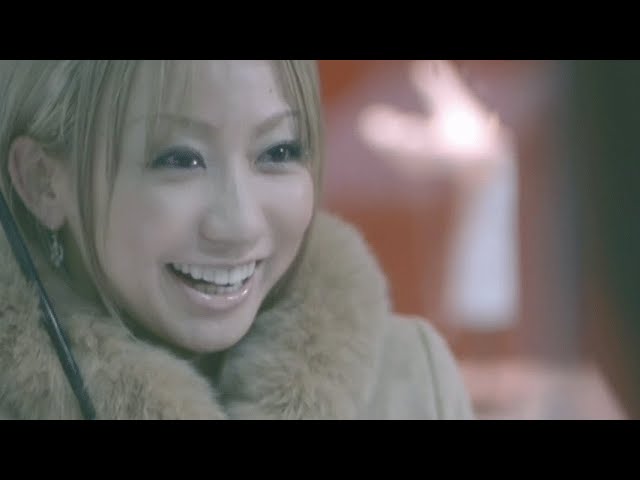
Kumi Koda’s classic song “Ai no Uta.” Since it was released in 2007, some people might not know it, but many have likely heard it through TV dramas and the like.
The piece is crafted as an emotionally rich ballad.
While it calls for a bit of expressiveness, its vocal range is narrow—mid1 G# to hi C—and the melodic rises and falls are gentle.
If you track the pitch carefully, it’s a song with which you can definitely aim for a high karaoke score.
ambushIshikawa Hitomi

Hitomi Ishikawa was an idol singer who enjoyed immense popularity from the late 1970s to the early 1980s.
Her signature song, “Machibuse” (“Ambush”), portrays the pure passion of a woman in love.
Released in April 1981, the song peaked at No.
6 on the Oricon charts.
That same New Year’s Eve, she made her first appearance on NHK’s Kōhaku Uta Gassen, marking a turning point in her career.
With its relaxed rhythm and a range that isn’t particularly wide, it’s easy to sing—even for women in their 50s without strain.