

Tear-jerking songs recommended for men in their 50s: classic and popular Japanese hits

As of 2023, those in their 50s likely spent their sensitive teenage and twenties years experiencing in real time the golden age of Japan’s music industry—from late-70s New Music through 90s J-POP.
Each of you must have your own songs filled with memories.
In this feature, we’ve gathered tracks we recommend for all of you—songs that will likely resonate and move you.
We hope they help you relive and enjoy your younger days.
- Recommended Japanese Music Artists and Popular Song Rankings for Men in Their 50s [2026]
- Tear-jerking songs recommended for men in their 40s: classic and popular Japanese hits
- Tear-jerking songs recommended for men in their 60s: classic and popular Japanese hits
- Tear-jerking songs recommended for women in their 50s: classic and popular Japanese hits
- [2026] Crowd-Pleasing Songs Recommended for People in Their 50s: A Collection of Nostalgic Classics
- Hidden gem tearjerker songs. Recommended popular tracks
- [2026] Recommended Japanese karaoke songs for men in their 50s
- For people in their 50s: Songs that make you want to sing—perfect for driving
- Good songs recommended for people in their 50s: classic and popular J-pop tracks.
- [Tearjerker] Songs that make your heart tremble with tears & moving tracks with lyrics that touch the soul
- Coming-of-age songs for your 50s: heart-thumping × heartwarming classics and popular tracks [2026]
- A love song that makes a man in his sixties relive his youth. Timeless classics that rekindle the romances of those days.
- [2026] A collection of autumn songs for people in their 50s. Showa-era classics that bring back memories of those days
Tear-jerking songs recommended for men in their 50s. Classic and popular Japanese tracks (61–70)
Mary AnnTHE ALFEE

A classic youth anthem that beautifully fuses bittersweet romance with an energetic rock sound.
Released in June 1983, this track became THE ALFEE’s first major hit, reaching No.
7 on the Oricon Weekly Singles Chart and No.
30 on the year-end ranking.
It later climbed to No.
3 on The Best Ten.
Riding this success, the band made their first appearance at the 34th NHK Kōhaku Uta Gassen at the end of 1983.
Also included on the album ALFEE’S LAW, the song has remained a beloved staple of THE ALFEE’s live performances.
With romantic lyrics woven together in perfect balance with hard rock, this piece is a must-listen for anyone cherishing a secret love.
loadTHE toraburyū
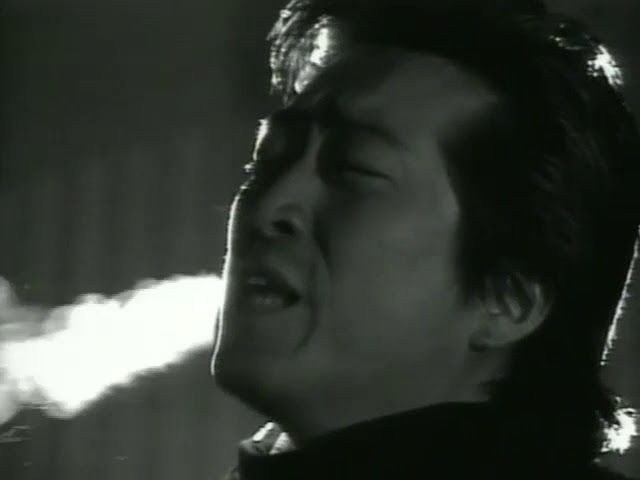
The signature work of THE Toraba-ryu is a masterpiece that portrays the path of life unfolding serenely on an epic scale.
Powerfully voicing the resolve to face adversity and loneliness, this song depicts a stance of overcoming setbacks and moving forward, leaving a deep imprint on many listeners’ hearts.
Its lyrics, which symbolically express life’s journey, resonate with listeners and offer courage and hope.
First released in May 1992 and re-released in 1993, it achieved an astonishing 2.2 million sales.
It was also used as the theme song for a film of the same name released in 1997 and won an Excellence Award at the Japan Cable Radio Awards.
It’s a perfect pick not only for livening up gatherings with friends but also for karaoke with older audiences.
Be sure to showcase this powerful classic that invites everyone to sing along and share in the moment.
youyashiki takajin

Takajin Yashiki, known for his multifaceted career as a singer-songwriter and TV host, remains a legend who continues to influence many artists even today.
One of his ballads, “Anta,” is said to have been created based on memories of his former wife.
In the song, from a woman’s perspective, she steps back to support a man pursuing his dreams.
Let’s focus on the heartrending situation and the deep love that emanates from it.

Bridge of Gloryyuzu

This song portrays the hardships and setbacks in life, and the journey of overcoming them to grasp hope.
It beautifully expresses the light that awaits beyond tears no one sees and the sweat shed in silence, woven with melodies and words that deeply resonate with listeners.
Released by Yuzu in July 2004, the song was chosen as NHK’s official theme for the Athens Olympics, and, together with the moment the men’s gymnastics team won gold, it became etched in the memories of many.
Loved as a cheer song for everyone striving toward their goals, it continues to offer support: to those taking steady steps toward their dreams and to those confronting the walls before them.
As a piece that accompanies the important moments of life, it delivers a powerful, heartfelt message that truly resonates.
Banzai ~ So glad I loved you ~Urufuruzu

This rock tune celebrating the joy of pure love is a fan favorite that showcases Ulfuls’ musicality to the fullest.
Its lyrics, which candidly express gratitude to a loved one, resonate deeply, and together with its bright, catchy melody, the song lifts listeners’ spirits.
Released in February 1996, it was included on the album “Banzai” and also drew attention as the theme song for the Fuji TV drama “Goddess of Victory.” Moreover, it won the Excellence Award at the 38th Japan Record Awards.
It’s a perfect track for getting pumped up at karaoke with friends or for reminiscing about special memories with someone important.
ForeverGosuperāzu
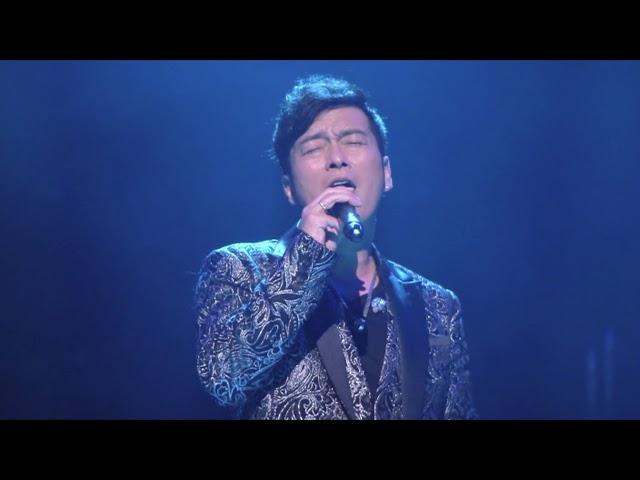
This celebrated song, which sings of an eternal bond with a loved one, gently conveys the unbreakable feelings that exist precisely because love is formless.
Transcending physical distance, the unwavering longing for the other person resonates in the heart alongside beautiful harmonies.
Released in August 2000, the track stayed on the Oricon chart for an impressive 44 weeks and was selected as the opening theme for TV Tokyo’s JAPAN COUNTDOWN.
Its diverse arrangements—hallmarks of The Gospellers—are part of its appeal, including the Album Version on the album “Soul Serenade” and the “unplugged live version” included on the single “Hitori.” It remains a beloved song that makes you want to sing while thinking of someone special, especially after time spent talking with friends.
TSUNAMISazan Ōrusutāzu

Known as a masterpiece that likens the pain of heartbreak to a tsunami, this work is a moving love song celebrated as one of Southern All Stars’ signature pieces.
It’s a gem of a ballad that expresses the sorrow of losing someone dear through a grand melody, fully showcasing Keisuke Kuwata’s exceptional songwriting and composing talent.
Released in January 2000, it topped the Oricon weekly charts and won the Japan Record Award the same year.
It was also selected as the theme song for the popular segment “Mirai Nikki III” on the TV program “U-nan no Hontoko!,” becoming a classic beloved across generations.
As a heartwarming song that offers comfort to those carrying the pain of losing someone special, it’s also highly recommended for karaoke.